



Skip to content
  • Facebook
  • X
  • Linkedin
  • WhatsApp
  • YouTube
  • Associate Journalism
  • About Us
  • Privacy Policy
  • 033-46046046
  • editor@artifex.news
Artifex.News

Artifex.News

Stay Connected. Stay Informed.

  • Breaking News
  • World
  • Nation
  • Sports
  • Business
  • Science
  • Entertainment
  • Lifestyle
  • Toggle search form
  • Zimbabwe vs Pakistan 2nd T20I LIVE Streaming And Live Telecast: When And Where To Watch
    Zimbabwe vs Pakistan 2nd T20I LIVE Streaming And Live Telecast: When And Where To Watch Sports
  • Police Case Against Team Akhilesh Yadav MP’s Son For Threatening, Assaulting Man
    Police Case Against Team Akhilesh Yadav MP’s Son For Threatening, Assaulting Man Nation
  • Ravichandran Ashwin’s Bombshell, Suggests CSK To Retain This Star As Uncapped Player. Not MS Dhoni
    Ravichandran Ashwin’s Bombshell, Suggests CSK To Retain This Star As Uncapped Player. Not MS Dhoni Sports
  • Access Denied
    Access Denied Nation
  • Access Denied
    Access Denied Nation
  • Access Denied World
  • Supreme Court Judges Highlight Importance Of Dissenting Judgments
    Supreme Court Judges Highlight Importance Of Dissenting Judgments Nation
  • West Indies Team Arrives For First Test Series In Pakistan In 18 Years
    West Indies Team Arrives For First Test Series In Pakistan In 18 Years Sports
Constant mechanical force may be why heart cancer is so rare

Constant mechanical force may be why heart cancer is so rare

Posted on May 12, 2026 By admin


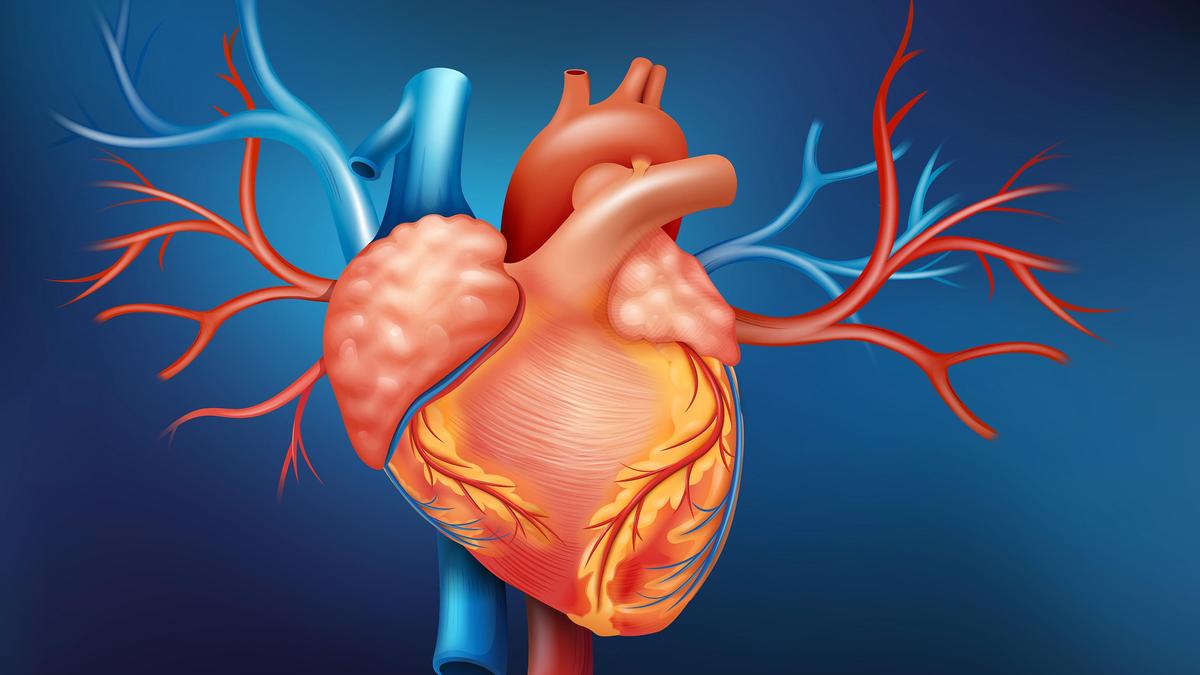
The human heart beats more than 1 lakh times a day, pushing blood through the body under constant physical strain. Every second, it encounters circulating cells, including cancer cells that travel through the bloodstream. Yet tumours of the heart are strikingly rare.

For decades, scientists have tried to explain this puzzle using genetics, immune surveillance, and the unique biology of heart cells. But these explanations have not resolved the paradox. Now, new research published in Science has pointed in a different direction — suggesting that the force of each heartbeat may itself limit the growth of cancer cells in the organ.

Clinical clue

The idea did not begin with cancer but with an unexpected observation in patients with severe heart failure, said Giulio Ciucci, a postdoctoral researcher at the International Centre for Genetic Engineering and Biotechnology, Trieste, Italy, and co-author of the study.

“Patients on heart-assist devices showed signs that their heart cells could start dividing again,” he added.

In adults, these cells are largely locked in place and rarely regenerate. Devices that support failing hearts reduce the mechanical load they normally endure.

This observation led to a broader question. If reducing this load allows heart cells to grow again, could the constant forces of a beating heart do the opposite by keeping cell growth in check, including that of cancer cells that reach the heart?

Role of physical forces

The researchers tested this idea in mice. They introduced cancer-causing mutations across multiple organs, expecting tumours throughout the body. Tumours formed in several tissues but not in the heart.

The team then altered the physical environment of the heart itself. In mice, they surgically implanted a second heart into another part of the body and connected it to blood vessels so it remained alive and beating, but no longer pumped blood through its left ventricle under normal mechanical load. This allowed it to receive blood without experiencing the forces generated by each heartbeat. In these “unloaded” hearts, cancer cells that had struggled to grow began to expand rapidly, in some cases occupying large portions of the tissue.

Even then, the researchers remained cautious. “We could see that mechanical forces were playing a role, but we needed clearer evidence,” Dr. Ciucci said.

To isolate the effect, they used lab-grown heart tissues made from living cells arranged into small, beating strips. These could be constrained to either contract or remain relaxed. Again, reducing mechanical activity allowed cancer cells to proliferate more easily, reinforcing the pattern.

Motion as a barrier

Taken together, these experiments point to a seemingly straightforward conclusion: the physical forces generated by a beating heart can directly suppress cancer growth.

With every contraction, heart muscles generate compressive forces that cells must withstand. For cancer cells, this creates a hostile environment that limits their ability to multiply. When this mechanical activity is reduced, the restraint lifts, allowing cancer cells to multiply more freely.

This suggests a different way of thinking about the heart. Its constant motion of circulating blood incidentally also creates physical conditions that are unfavourable for cancer to grow.

What makes this effect striking is that it extends into the cell’s nucleus, to the genes.

“Forces as macroscopic as those generated by a beating heart can directly and precisely reshape chromatin structure,” Dr. Ciucci said.

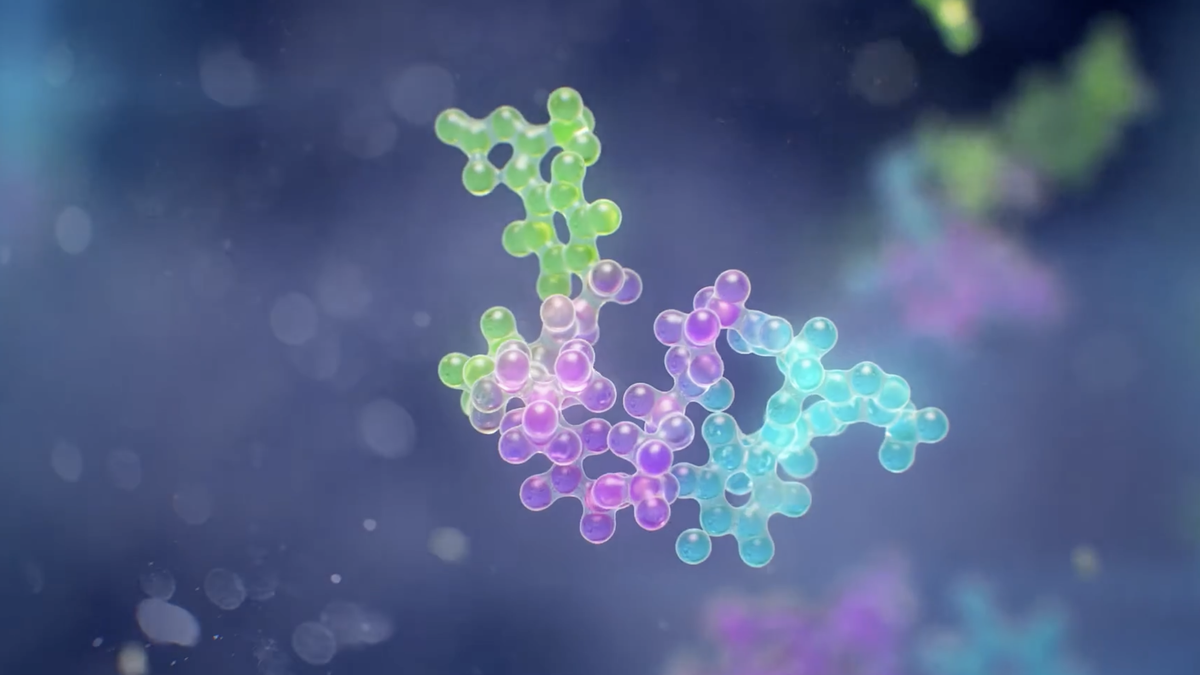
Chromatin is the name for DNA inside the cell, in its ‘packaged’ form. Some parts are tightly packed while others are more open, making the genes in those regions easier to activate. The researchers found that mechanical stress changed which parts of the DNA became easier for the cell to access. In beating heart tissue, regions linked to slowing or restraining cell division became more accessible, while signs of active proliferation declined. Together, these changes suggested that mechanical force shifted cancer cells away from a rapidly growing state.

To understand how this happens, the researchers investigated how mechanical forces might propagate within the cell. Their experiments pointed to a pathway involving the cytoskeleton — the cell’s internal support structure — and connecting proteins such as nesprin-2, which link the cytoskeleton to the nucleus. The findings suggested that stress from the beating heart may reach the nucleus through these physical connections and influence how DNA is organised and used.

Findings in context

The idea that physical forces can influence how DNA is organised is not new. But how cells sense and process these forces remains unclear, said Jan Lammerding, professor of biomedical engineering at Cornell University, U.S.

“Several previous studies have shown that the mechanical environment can lead to changes in chromatin organisation inside the nucleus, which then influence gene expression and cell fate,” he said.

What remains less clear is how these forces reach the nucleus. “It’s still uncertain whether the nucleus detects mechanical stress directly, or whether signals are first picked up elsewhere in the cell and then relayed inward,” he said.

Against this backdrop, the new study provides evidence that forces generated by a beating organ can indeed alter chromatin organisation and gene activity in cancer cells through physical connections inside the cell.

Implications and caveats

For Dr. Ciucci, the work has broadened how he thinks about cancer itself. If mechanical forces can influence gene activity in heart tissue, similar effects could be at play in other organs where cells are constantly stretched, compressed or exposed to physical strain, such as the lungs, blood vessels, and muscles.

That idea fits within a broader understanding of how the body responds to force. Mechanical signals generated by blood flow are already known to guide how heart and blood vessel cells grow and function, C.C. Kartha, ex-professor of eminence at the Rajiv Gandhi Centre for Biotechnology, Thiruvananthapuram, said. These signals are known to travel through molecular pathways that connect the cell surface to the nucleus, where they can influence gene activity.

What the “significant and stimulating” observations from this study show, he said, is that some of these same pathways may also act to suppress cancer cell growth in the heart, helping explain why tumours rarely take hold there. 

But he cautioned that the picture is not straightforward. In other settings, mechanical cues from the tumour environment can promote cancer progression and metastasis.

“It would be important to identify which specific physical signals lead to these different outcomes,” he said.

Understanding that distinction could help researchers develop drugs that interrupt growth-promoting mechanical signals in tumours, while potentially enhancing the growth of healthy heart cells during regeneration, Dr. Kartha suggested.

Anirban Mukhopadhyay is a geneticist by training and science communicator from New Delhi.


Source link

Science

Post navigation

Previous Post: IIT-M, IISc team makes carbon-free version of the ferrocene sandwich
Next Post: Pakistan parked Iranian planes on its airbases to escape U.S. airstrikes: report

Related Posts

  • Two forerunners that set the stage for ISRO’s Gaganyaan test
    Two forerunners that set the stage for ISRO’s Gaganyaan test Science
  • SpaDeX first of many as ISRO prepares for Chandrayaan-4
    SpaDeX first of many as ISRO prepares for Chandrayaan-4 Science
  • Physicist who claimed room-temperature superconductor discovery faked data, probe finds
    Physicist who claimed room-temperature superconductor discovery faked data, probe finds Science
  • What are carbon capture and utilisation technologies? | Explained
    What are carbon capture and utilisation technologies? | Explained Science
  • Does Iran have a path to the bomb?
    Does Iran have a path to the bomb? Science
  • Scientists spin diamonds at a billion RPM to test the limits of physics
    Scientists spin diamonds at a billion RPM to test the limits of physics Science

More Related Articles

Astronomers just found complex carbon molecules in space – a step closer to deciphering the origins of life Astronomers just found complex carbon molecules in space – a step closer to deciphering the origins of life Science
Clustering maize plants together can improve their insect resistance Clustering maize plants together can improve their insect resistance Science
Scientists test menstrual products with blood for the first time, and find surprises Scientists test menstrual products with blood for the first time, and find surprises Science
Young Scientist Award for CIFT scientist Young Scientist Award for CIFT scientist Science
Bird deaths raise red flags as India expands wind energy Bird deaths raise red flags as India expands wind energy Science
Vancomycin may not be able to treat MRSA infections for long Vancomycin may not be able to treat MRSA infections for long Science
SiteLock

Archives

  • May 2026
  • April 2026
  • March 2026
  • February 2026
  • January 2026
  • December 2025
  • November 2025
  • October 2025
  • September 2025
  • August 2025
  • July 2025
  • June 2025
  • May 2025
  • April 2025
  • March 2025
  • February 2025
  • January 2025
  • December 2024
  • November 2024
  • October 2024
  • September 2024
  • August 2024
  • July 2024
  • June 2024
  • May 2024
  • April 2024
  • March 2024
  • February 2024
  • January 2024
  • December 2023
  • November 2023
  • October 2023
  • September 2023
  • August 2023
  • July 2023
  • June 2023
  • May 2023
  • April 2023
  • March 2023
  • February 2023
  • January 2023
  • December 2022
  • November 2022
  • October 2022
  • September 2022
  • August 2022
  • July 2022
  • June 2022
  • May 2022

Categories

  • Business
  • Nation
  • Science
  • Sports
  • World

Recent Posts

  • Petrol and diesel prices hike LIVE: ‘Take votes first, then raise prices’: Congress attacks Modi
  • India ready to extend all possible support for peace in West Asia: PM Modi in UAE
  • ‘If I’m made to feel like I need to prove my value, I’m not in that space’: Virat Kohli speaks on road to 2027 WC
  • Officials in Tirunelveli exhorted to expedite ongoing drinking water schemes to manage supply during summer
  • Unnao rape case: Supreme Court sets aside order suspending Kuldeep Sengar’s sentence, asks Delhi HC to consider afresh

Recent Comments

  1. BrianKig on UP Teacher Who Asked Students To Slap Muslim Classmate
  2. JamesMah on UP Teacher Who Asked Students To Slap Muslim Classmate
  3. BrianWhape on UP Teacher Who Asked Students To Slap Muslim Classmate
  4. Davidcag on UP Teacher Who Asked Students To Slap Muslim Classmate
  5. WilliamGoT on UP Teacher Who Asked Students To Slap Muslim Classmate
  • Watch: Hardik Pandya Sets Up Temple Inside Mumbai Indians Dressing Room, Mark Boucher Breaks Coconut
    Watch: Hardik Pandya Sets Up Temple Inside Mumbai Indians Dressing Room, Mark Boucher Breaks Coconut Sports
  • Musheer Khan, Brother Of Sarfaraz Khan, Hits Double Ton For Mumbai In Ranji Trophy
    Musheer Khan, Brother Of Sarfaraz Khan, Hits Double Ton For Mumbai In Ranji Trophy Sports
  • Nepal’s PM Karki expands interim Cabinet, four new Ministers sworn in
    Nepal’s PM Karki expands interim Cabinet, four new Ministers sworn in World
  • “Will Harm Jay Shah…”: On Rohit Sharma, BCCI’s ‘Pakistan Stance’ For Champions Trophy, Ex-Star’s Warning
    “Will Harm Jay Shah…”: On Rohit Sharma, BCCI’s ‘Pakistan Stance’ For Champions Trophy, Ex-Star’s Warning Sports
  • Access Denied Sports
  • 2nd Test: Mehidy Hasan Miraz Admits To Being Surprised Over India’s Attacking Approach
    2nd Test: Mehidy Hasan Miraz Admits To Being Surprised Over India’s Attacking Approach Sports
  • Amid Opposition Protests On Vinesh Phogat, Jagdeep Dhankhar Walks Out
    Amid Opposition Protests On Vinesh Phogat, Jagdeep Dhankhar Walks Out Nation
  • Access Denied World

Editor-in-Chief:
Mohammad Ariff,
MSW, MAJMC, BSW, DTL, CTS, CNM, CCR, CAL, RSL, ASOC.
editor@artifex.news

Associate Editors:
1. Zenellis R. Tuba,
zenelis@artifex.news
2. Haris Daniyel
daniyel@artifex.news

Photograher:
Rohan Das
rohan@artifex.news

Artifex.News offers Online Paid Internships to college students from India and Abroad. Interns will get a PRESS CARD and other online offers.
Send your CV (Subjectline: Paid Internship) to internship@artifex.news

Links:
Associate Journalism
About Us
Privacy Policy

News Links:
Breaking News
World
Nation
Sports
Business
Entertainment
Lifestyle

Registered Office:
72/A, Elliot Road, Kolkata - 700016
Tel: 033-22277777, 033-22172217
Email: office@artifex.news

Editorial Office / News Desk:
No. 13, Mezzanine Floor, Esplanade Metro Rail Station,
12 J. L. Nehru Road, Kolkata - 700069.
(Entry from Gate No. 5)
Tel: 033-46011099, 033-46046046
Email: editor@artifex.news

Copyright © 2023 Artifex.News Newsportal designed by Artifex Infotech.