
Skip to content
  • Facebook
  • X
  • Linkedin
  • WhatsApp
  • YouTube
  • Associate Journalism
  • About Us
  • Privacy Policy
  • 033-46046046
  • editor@artifex.news
Artifex.News

Artifex.News

Stay Connected. Stay Informed.

  • Breaking News
  • World
  • Nation
  • Sports
  • Business
  • Science
  • Entertainment
  • Lifestyle
  • Toggle search form
  • 2 People Sitting In Delhi Erasing Mumbai’s Importance, Says Uddhav Thackeray
    2 People Sitting In Delhi Erasing Mumbai’s Importance, Says Uddhav Thackeray Nation
  • Access Denied Business
  • Access Denied Sports
  • “BRICS Is For The Fairies Until China, India Get Serious,” Says Mr ‘BRICS’
    “BRICS Is For The Fairies Until China, India Get Serious,” Says Mr ‘BRICS’ Nation
  • Continuous drizzle provides welcome respite to Visakhapatnam
    Continuous drizzle provides welcome respite to Visakhapatnam Nation
  • Riyan Parag Misplaces Passport, 2 Phones Ahead Of Potential India Debut vs Zimbabwe
    Riyan Parag Misplaces Passport, 2 Phones Ahead Of Potential India Debut vs Zimbabwe Sports
  • Access Denied
    Access Denied Nation
  • First-Ever Test Win Over Pakistan A Special One, Says Bangladesh Skipper Najmul Hasan Shanto
    First-Ever Test Win Over Pakistan A Special One, Says Bangladesh Skipper Najmul Hasan Shanto Sports
The hidden polluter in your wardrobe: How fast fashion is fuelling the next pollution crisis

The hidden polluter in your wardrobe: How fast fashion is fuelling the next pollution crisis

Posted on September 14, 2025 By admin


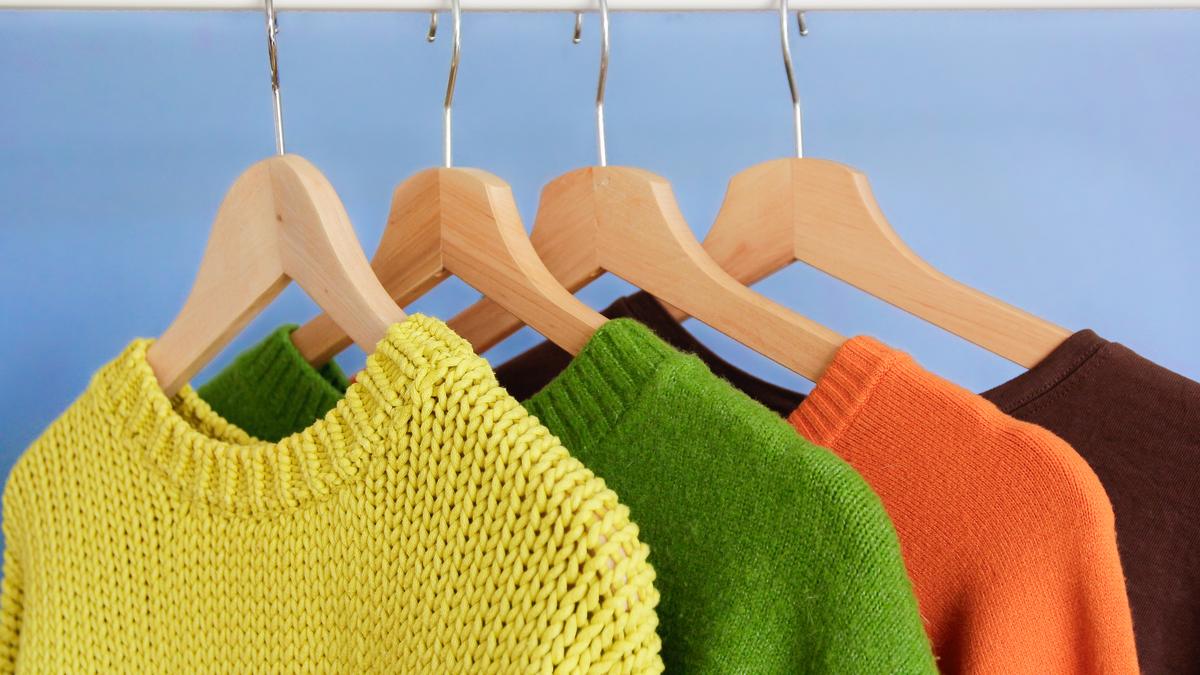
Fashion is a part of our lives, we breathe it every day. Look around, and you’ll find garment stores everywhere: from small roadside stalls to giant malls, from local shops to global brands. Fashion never goes out of trend. But have you heard of the term fast fashion? Let’s find out what it means.

What is fast fashion

Fast fashion is often linked to sustainability and environmental concerns. It refers to clothing that is mass-produced quickly to keep up with the latest trends. The goal? To get new designs from the runway to your wardrobe in record time, at the lowest possible cost.

To meet this growing demand, the fashion industry churns out massive quantities of garments at extremely low prices. Brands race against time to launch new collections before their competitors, creating a never-ending cycle of production and consumption.

This trend gained momentum with globalisation and the boom of e-commerce. Social media influencers, online shopping, and instant style updates have fuelled the demand for fresh collections almost every week, making fast fashion a global phenomenon.

Close up of lGarment Factory Waste
| Photo Credit:
Wokephoto17

How it evolved

Fashion has come a long way. In the past, new collections arrived only with the change of seasons, spring, summer, autumn, and winter. Designers would showcase their work, and that single collection set the trend for months.

But things changed as people began craving more variety. With the rise of technology and the explosion of social media, fashion trends started spreading as fast as the internet. To keep up, brands began producing new styles at breakneck speed, turning fashion into a constant cycle of “what’s next?”
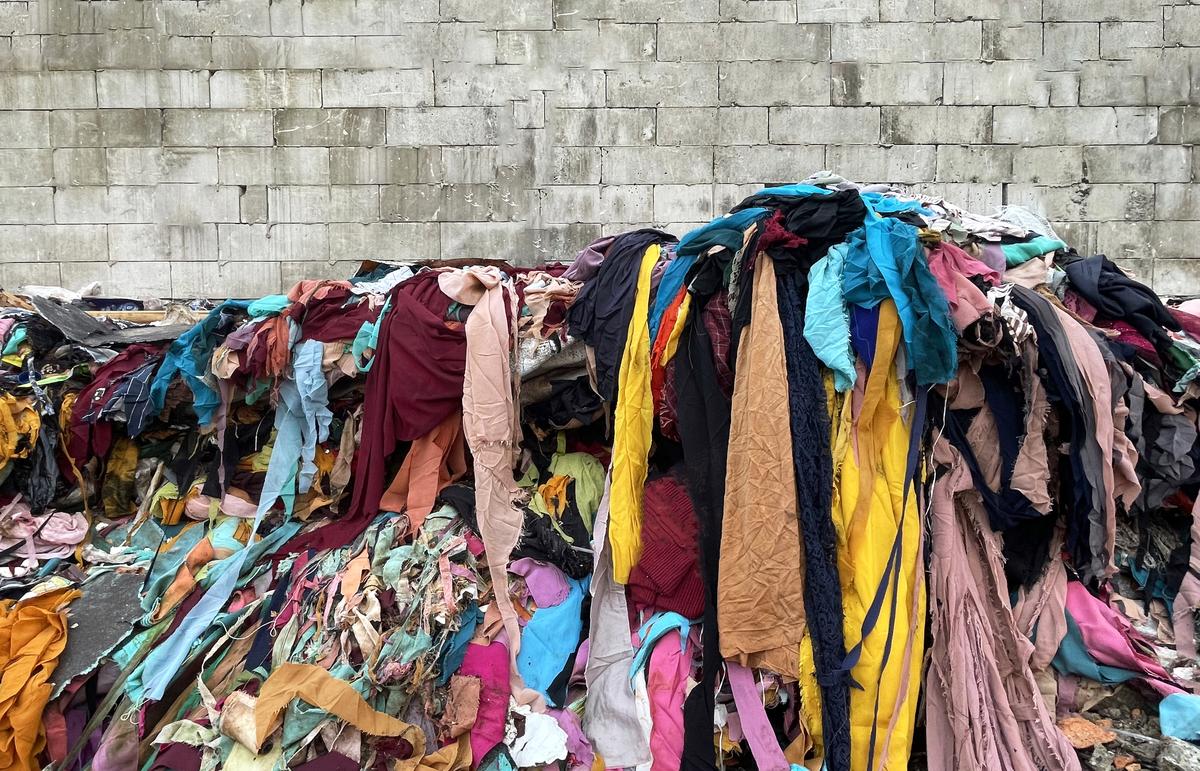
Fast fashion waste at landfill

Fast fashion waste at landfill
| Photo Credit:
Wokephoto17

How is it harming the environment

The fashion industry is responsible for about 8-10% of global carbon emissions and nearly 20% of the world’s wastewater. But how does a simple T-shirt or pair of jeans cause so much harm?

Fast fashion depends on resource-intensive processes. From growing raw materials to manufacturing and global transportation, every step consumes massive energy and resources. These processes release greenhouse gases, pollute water, and strain natural ecosystems.

What makes it worse? Most fast-fashion clothes aren’t built to last. Shoppers often wear them just a few times before discarding them. With trends changing almost every week, clothes pile up in landfills, creating an environmental nightmare.

Fashion’s dirty footprint

Water pollution and overuse: Dyeing and finishing fabrics require huge amounts of water and use toxic chemicals. Wastewater from factories often flows into rivers, poisoning aquatic life and contaminating drinking sources.

Carbon emissions: From growing cotton to manufacturing and shipping, the fashion supply chain uses fossil-fuel-heavy energy sources. This industry emits more CO₂ than international flights and maritime shipping combined.

Microplastic pollution: Many fast-fashion garments are made of synthetic fibers like polyester, nylon, and acrylic. Every wash releases thousands of microplastic fibers into water bodies, harming marine life and entering the food chain.

Landfill crisis: Most fast-fashion clothes are low-quality and trend-driven, leading to short usage. Over 92 million tonnes of textile waste ends up in landfills globally each year, taking decades to decompose.

Resource depletion: Producing a single cotton T-shirt requires about 2,700 liters of water—enough for one person to drink for 900 days. The race to produce cheap garments leads to soil degradation and excessive pesticide use in cotton farming.

Many people assume cotton is an eco-friendly choice, but cotton farming is resource-hungry. It depletes soil nutrients, relies heavily on pesticides, and demands huge quantities of water, damaging ecosystems and reducing land fertility over time. If this cycle continues, the fashion industry alone could consume a quarter of the world’s carbon budget by 2050, according to a study by the Ellen MacArthur Foundation.

Can we stop it?

Yes, but it needs action from both the fashion industry and consumers like us. Choosing quality over quantity, reusing and repairing clothes, and donating or swapping instead of throwing away can make a big difference.

Thrifting and buying pre-loved outfits reduce the demand for new production, while supporting sustainable brands encourages ethical practices. Even small steps, like washing clothes less often and in cold water, help cut down on microplastic pollution and water waste.

Big brands are slowly shifting to circular fashion models, and governments are introducing regulations, but real change starts with us. Every purchase we make is a choice, so before buying that trendy outfit, ask yourself: do I really need it, or will the planet pay the price?
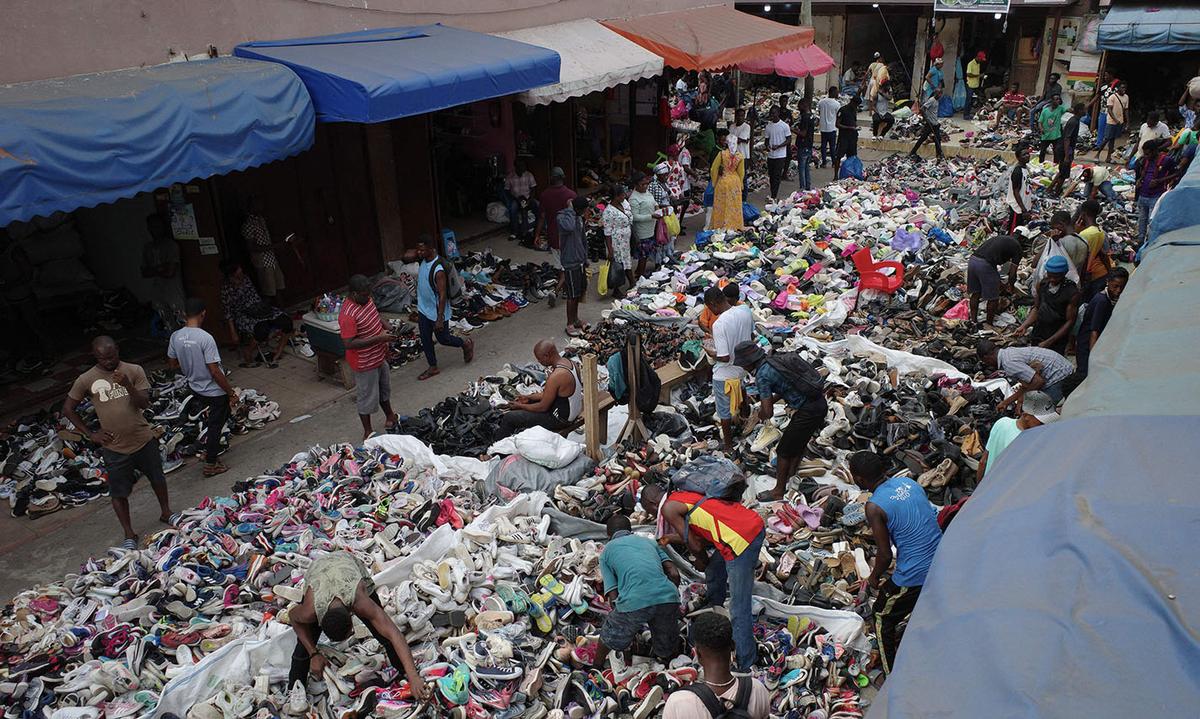
Traders spread out secondhand clothes for sale at the Kantamanto market in Accra, Ghana

Traders spread out secondhand clothes for sale at the Kantamanto market in Accra, Ghana
| Photo Credit:
NIPAH DENNIS

Global trash
Ghana (Accra)

The Kantamanto Market in Accra, one of the world’s largest hubs for secondhand clothing, receives tonnes of used clothing each year from Western and East Asian countries. While some garments find a second life, a huge portion can’t be resold. These leftovers often end up in landfills or wash into beaches, wetlands, and even protected wildlife zones, creating a mounting environmental crisis.

Chile (Atacama Desert)

In Chile’s Atacama Desert, one of the driest places on Earth, mountains of fast-fashion waste have taken over parts of the iconic landscape. Unwanted garments from across the globe are dumped here in staggering amounts, earning the region the grim nickname of a “fashion garbage patch.”

Published – September 14, 2025 12:00 pm IST


Source link

Science

Post navigation

Previous Post: What to know about aftermath of Charlie Kirk’s assassination
Next Post: Access Denied

Related Posts

  • ‘Misperception stops healthcare providers from prescribing life-saving ORS for child diarrhoea’ 
    ‘Misperception stops healthcare providers from prescribing life-saving ORS for child diarrhoea’  Science
  • What is ‘Net Zero’, anyway? A short history of a monumental concept
    What is ‘Net Zero’, anyway? A short history of a monumental concept Science
  • India’s first privately developed orbital-class rocket Vikram-1 set for July 18 lift-off
    India’s first privately developed orbital-class rocket Vikram-1 set for July 18 lift-off Science
  • What is the Nancy Grace Roman Telescope?
    What is the Nancy Grace Roman Telescope? Science
  • Drug used to treat clots can protect against cobra venom damage
    Drug used to treat clots can protect against cobra venom damage Science
  • India’s next moon mission will be precursor to the country’s ambitious lunar sample return mission: PRL Director 
    India’s next moon mission will be precursor to the country’s ambitious lunar sample return mission: PRL Director  Science

More Related Articles

The Science Quiz | Weaving wonders: the science of textiles The Science Quiz | Weaving wonders: the science of textiles Science
Zoopharmacognosy: the study of how animals self-medicate Zoopharmacognosy: the study of how animals self-medicate Science
Daily Quiz | On Kepler’s Supernova Daily Quiz | On Kepler’s Supernova Science
‘Universal’ equation predicts how often bird, bat, insect wings beat ‘Universal’ equation predicts how often bird, bat, insect wings beat Science
Sci-Five | The Hindu Science Quiz: On Snow Leopards Sci-Five | The Hindu Science Quiz: On Snow Leopards Science
What are the Lagrange points and why is Aditya-L1 headed to one? | Explained What are the Lagrange points and why is Aditya-L1 headed to one? | Explained Science
SiteLock

Archives

  • September 2026
  • August 2026
  • July 2026
  • June 2026
  • May 2026
  • April 2026
  • March 2026
  • February 2026
  • January 2026
  • December 2025
  • November 2025
  • October 2025
  • September 2025
  • August 2025
  • July 2025
  • June 2025
  • May 2025
  • April 2025
  • March 2025
  • February 2025
  • January 2025
  • December 2024
  • November 2024
  • October 2024
  • September 2024
  • August 2024
  • July 2024
  • June 2024
  • May 2024
  • April 2024
  • March 2024
  • February 2024
  • January 2024
  • December 2023
  • November 2023
  • October 2023
  • September 2023
  • August 2023
  • July 2023
  • June 2023
  • May 2023
  • April 2023
  • March 2023
  • February 2023
  • January 2023
  • December 2022
  • November 2022
  • October 2022
  • September 2022
  • August 2022
  • July 2022
  • June 2022
  • May 2022

Categories

  • Business
  • Nation
  • Science
  • Sports
  • World

Recent Posts

  • Bombay High Court permits BMC to cut over 1,200 mangroves for Versova-Madh Island bridge
  • U.S. appeals court rejects Trump policy allowing swift deportations to third countries
  • Trump to meet with Venezuela’s interim President Rodriguez in New York on Sept. 22
  • U.S. troop deaths during Iran war exceed Pentagon count by at least four: report
  • Waste of public money amid economic crisis: U.P. Congress on PM’s birthday celebrations

Recent Comments

  1. Jamesslits on UP Teacher Who Asked Students To Slap Muslim Classmate
  2. MichaelClear on UP Teacher Who Asked Students To Slap Muslim Classmate
  3. Jamesslits on UP Teacher Who Asked Students To Slap Muslim Classmate
  4. Jamesslits on UP Teacher Who Asked Students To Slap Muslim Classmate
  5. MichaelClear on UP Teacher Who Asked Students To Slap Muslim Classmate
  • Buchi Babu | Siddarth, Indrajith’s tons power TNCA President’s XI to 384 for nine
    Buchi Babu | Siddarth, Indrajith’s tons power TNCA President’s XI to 384 for nine Sports
  • Malaysia ends Indonesia migrant boat search, 16 bodies recovered
    Malaysia ends Indonesia migrant boat search, 16 bodies recovered World
  • Meet Howard Buffett, Warren Buffett’s Middle Child And Heir
    Meet Howard Buffett, Warren Buffett’s Middle Child And Heir World
  • Access Denied World
  • Barcelona Appoint ‘Champion Coach’ Hansi Flick As New Manager
    Barcelona Appoint ‘Champion Coach’ Hansi Flick As New Manager Sports
  • 7 Of Family Die As SUV Swept Away In Swollen Rivulet In Punjab: Police
    7 Of Family Die As SUV Swept Away In Swollen Rivulet In Punjab: Police Nation
  • Access Denied
    Access Denied Nation
  • Bumble Founder Whitney Wolfe Herd
    Bumble Founder Whitney Wolfe Herd World

Editor-in-Chief:
Mohammad Ariff,
MSW, MAJMC, BSW, DTL, CTS, CNM, CCR, CAL, RSL, ASOC.
editor@artifex.news

Associate Editors:
1. Zenellis R. Tuba,
zenelis@artifex.news
2. Haris Daniyel
daniyel@artifex.news

Photograher:
Rohan Das
rohan@artifex.news

Artifex.News offers Online Paid Internships to college students from India and Abroad. Interns will get a PRESS CARD and other online offers.
Send your CV (Subjectline: Paid Internship) to internship@artifex.news

Links:
Associate Journalism
About Us
Privacy Policy

News Links:
Breaking News
World
Nation
Sports
Business
Entertainment
Lifestyle

Registered Office:
72/A, Elliot Road, Kolkata - 700016
Tel: 033-22277777, 033-22172217
Email: office@artifex.news

Editorial Office / News Desk:
No. 13, Mezzanine Floor, Esplanade Metro Rail Station,
12 J. L. Nehru Road, Kolkata - 700069.
(Entry from Gate No. 5)
Tel: 033-46011099, 033-46046046
Email: editor@artifex.news

Copyright © 2023 Artifex.News Newsportal designed by Artifex Infotech.