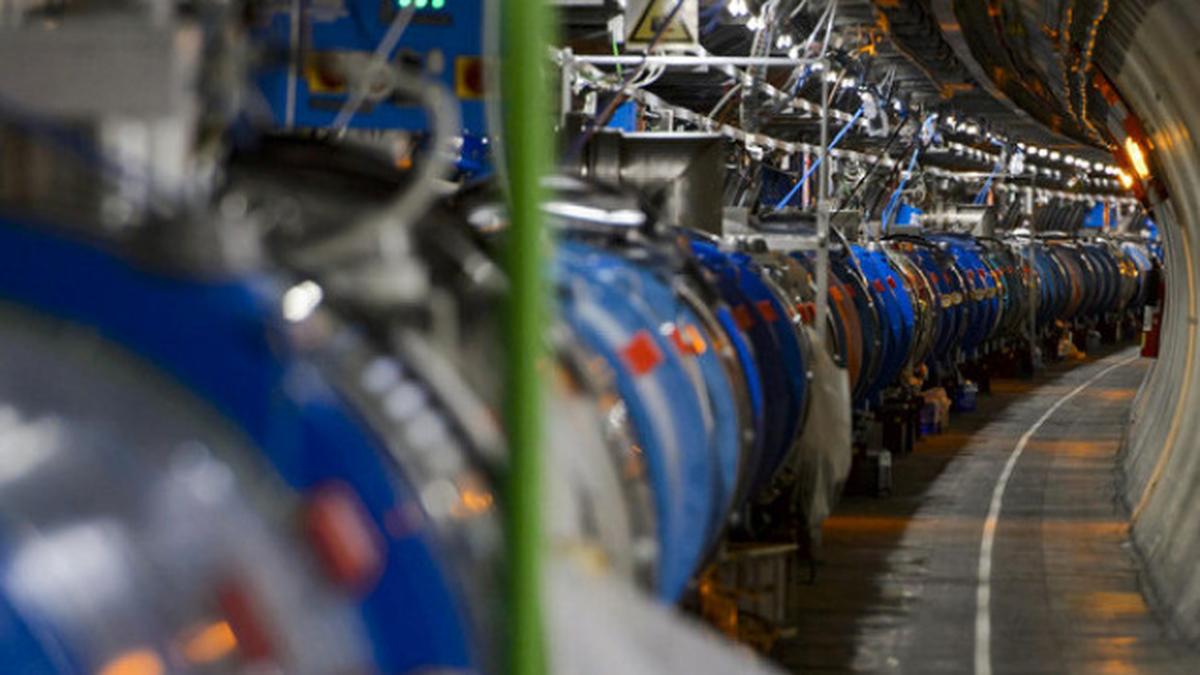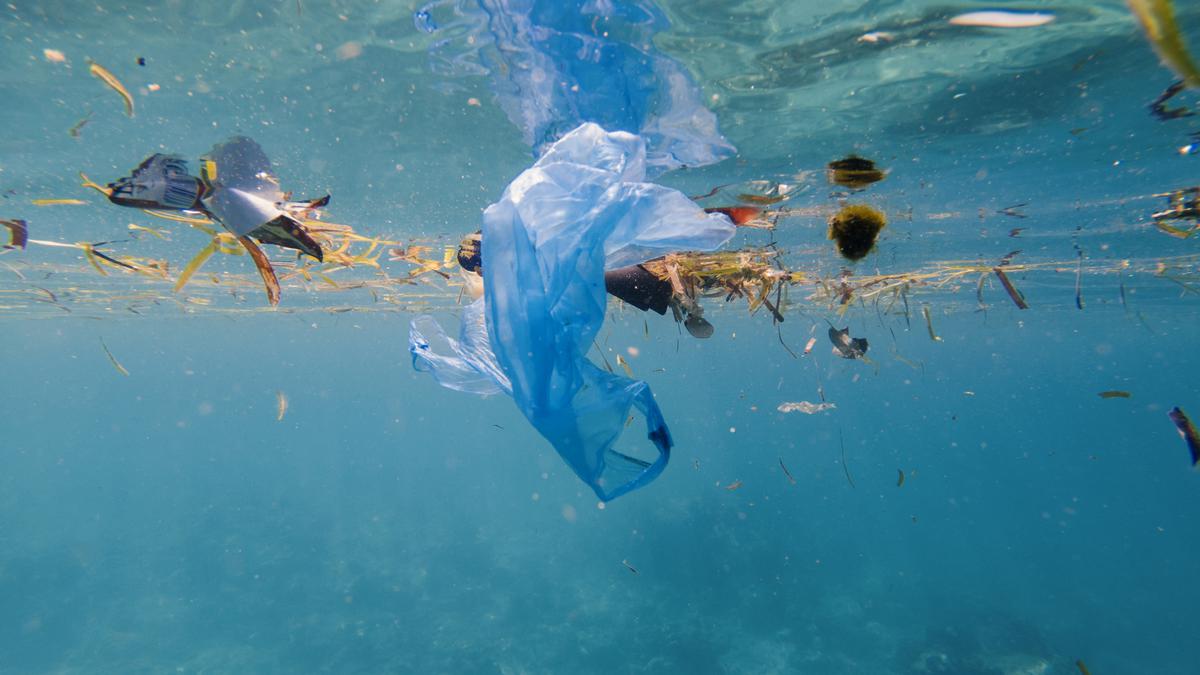




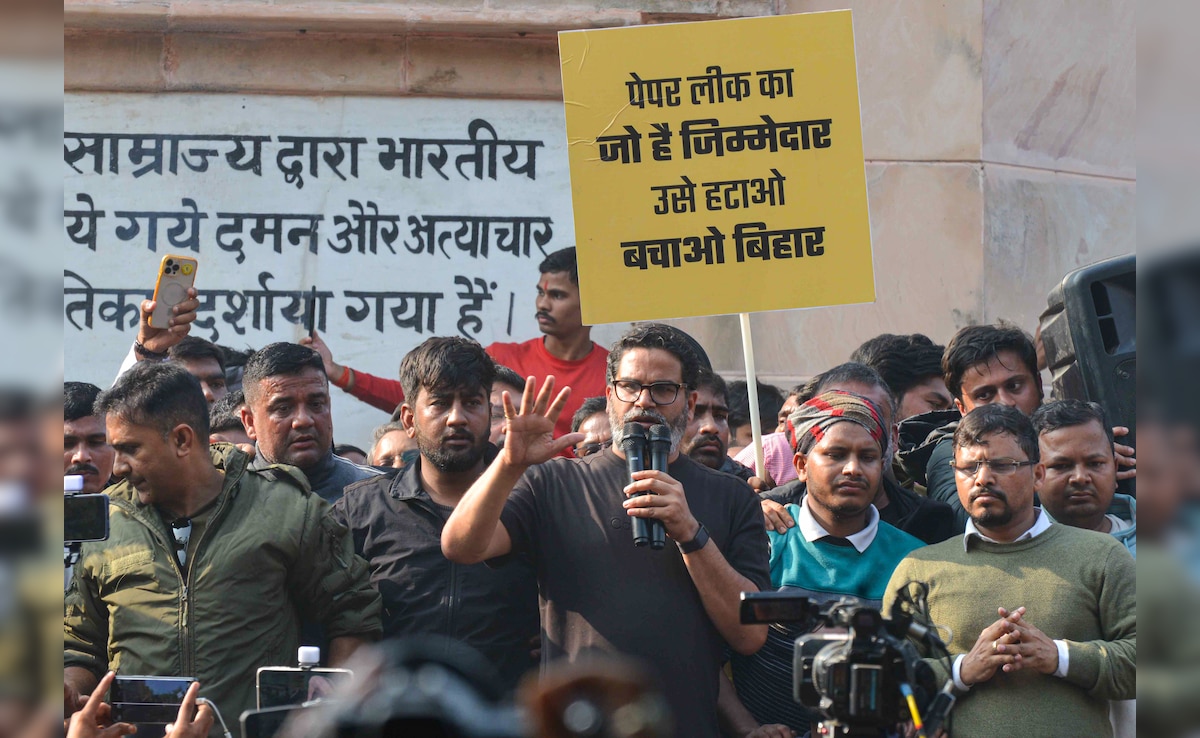


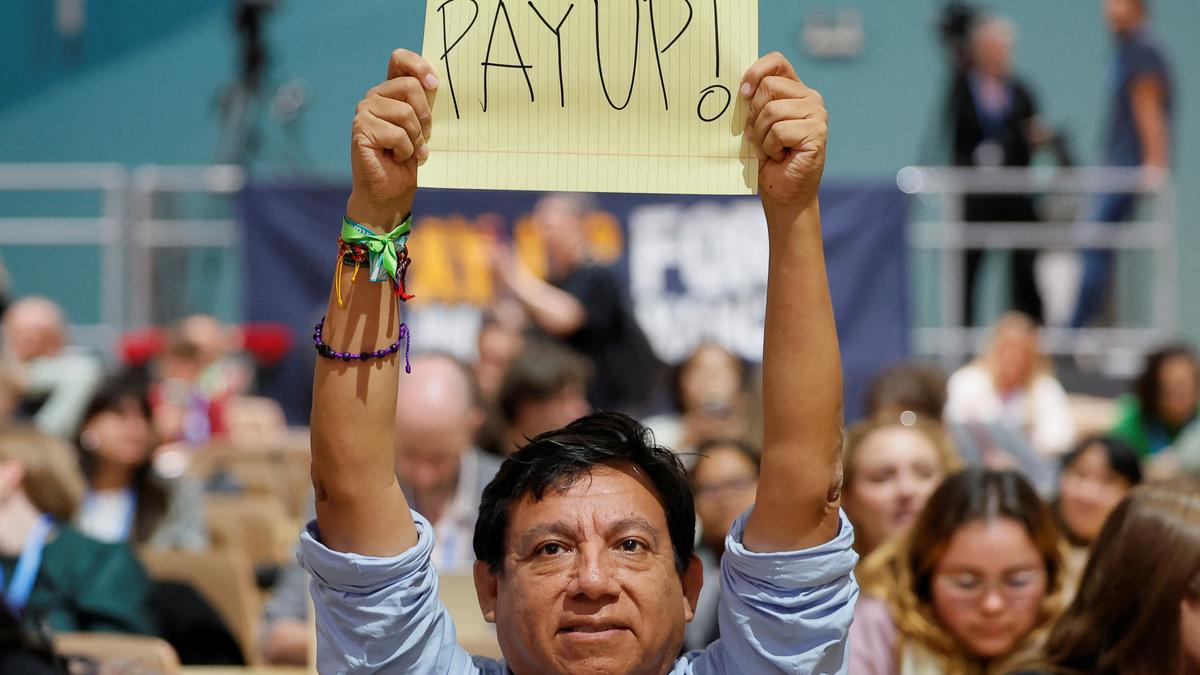
The United Nations’ efforts to address critical environmental challenges hit multiple roadblocks this year, with four key summits — in Colombia on biodiversity, Azerbaijan on climate, Saudi Arabia on land degradation, and South Korea on plastics — failing to deliver meaningful outcomes.
These meetings brought together governments, researchers, policymakers, industries, and civil society organisations to ensure their goals were aligned, build equitable accountability, and mobilise adequate finance for action. But all four summits achieved no or partial success on issues they had set to address. In fact, this is the fourth time UN discussions designed to push countries toward significant progress in addressing biodiversity loss, climate change, and plastic pollution have either ended without consensus or yielded unsatisfactory outcomes.
This is a significant setback in global efforts to address biodiversity loss and climate change, potentially leading to delayed action on critical issues such as climate finance, drought mitigation, and plastic pollution, with the most vulnerable countries potentially suffering the greatest impact.
The partial or full failures of these talks raise pressing concerns about the global community’s ability to combat biodiversity loss, climate change, and other urgent environmental crises. Understanding the reasons behind these setbacks and their implications for global cooperation is essential to charting a more effective path forward.
Divergent national interests
At the heart of the talks’ breakdown lies a stark and growing divergence in national priorities. Developing nations, grappling with developmental challenges, economic constraints, and the impacts of climate change, have repeatedly demanded more technology transfer and financial support from developed countries. But developed nations are reluctant to commit additional resources citing domestic political pressures and economic challenges of their own.
For example, the Colombia talks on biodiversity conservation faltered as countries failed to agree on financing mechanisms to support sustainable land-use practices. Financing conservation at scale came to a gridlock with countries lagging in ambition, being nowhere close to delivering the $700 billion a year requirement. In Azerbaijan, developing nations demanded $1.3 trillion a year from developed nations and the talks ended with the latter loosely agreeing to raise the amount from a wide range of sources, including private investment.
Also in Azerbaijan, countries were divided over the pledge to transition away from fossil fuels, a decision made during the last UN climate summit. The plastic pollution talks in South Korea also brought to the fore a significant divide among participating nations. The meeting concluded without reaching an agreement primarily because countries that rely on economies dependent on ongoing demand for plastics opposed a legally binding treaty. Instead, they pushed for proper usage and recycling of plastic waste.
Consensuses and crises
Several talks stumbled on disagreements over the frameworks needed to monitor and enforce environmental goals. In Azerbaijan, discussions on implementing the global stocktake under the Paris Agreement saw divisions over the accountability mechanisms for emission reductions, particularly for high-emission nations.
In Saudi Arabia, industrialised nations clashed with African countries over the establishment of a legally binding drought protocol. While the former wanted a broad operational framework, the African nations demanded a concrete plan with economic commitments.
Global crises including the COVID-19 pandemic, economic instability, and geopolitical conflicts have created significant challenges for environmental action. They have diverted attention and resources away from pressing environmental priorities as governments grapple with urgent domestic concerns such as public health, economic recovery, and social stability.
For many countries, particularly those with limited institutional and/or financial capacity, the challenge to balance economic recovery efforts with long-term sustainability goals has weakened their negotiating positions. This has further reduced their willingness or ability to commit to ambitious environmental targets.
Developing economies in particular face heightened difficulties as they navigate inflation, debt burdens, and overall developmental challenges alongside climate vulnerabilities, leading to calls for greater financial and technological support from wealthier nations.
Growing divide, lack of consensus
These setbacks in global negotiations complicate the already daunting task of addressing global environmental challenges.
Delayed action: The inability and failure to agree on frameworks and commit to concrete actions by nations postpone critical measures required to fight global issues such as biodiversity loss, climate change, land degradation, and plastic pollution. This delay increases the likelihood of pushing global systems closer to irreversible tipping points, with severe consequences for communities and economies worldwide.
Incoherent, fragmented efforts: As multilateral processes falter, there is a growing risk of countries turning to unilateral regional action. While these initiatives are well-meaning and can make progress, they would lack the global coherence necessary to address environmental issues comprehensively and equitably, and could trigger new problems because of a lack of coordination among nations.
Erosion of trust:Repeated failures in negotiations risk undermining confidence among nations, making future cooperation even more difficult.
Pressure on future summits:The failure of multiple global negotiations on the environment further forces upcoming meetings to deliver meaningful outcomes.
Rebuilding momentum
To advance global environmental goals, several key strategies must be prioritised. Climate finance is key to this. Wealthier nations must honour their commitments to provide financial and technological support to developing nations. This would create a more equitable foundation for negotiations and help bridge trust gaps between developed and developing economies.
Equally critical is the need to enhance transparency and accountability by establishing robust mechanisms to track progress and hold nations accountable for their commitments. This would play a vital role in restoring confidence in multilateral processes.
Inclusive diplomacy is also essential to address geopolitical tensions and ensure all voices, particularly those of vulnerable nations, are heard in negotiations. By promoting equitable participation, global cooperation can become more effective and resilient.
Further, there must be a strong focus on implementation — shifting the emphasis from ambitious pledges to tangible action — backed by measurable outcomes. This pragmatic approach ensures progress even in the face of broader disagreements.
Finally, it is crucial to acknowledge and address connections between biodiversity loss, land degradation, plastic pollution, and climate change— a complex web of environmental crises that amplify one another. Climate change accelerates habitat destruction, ultimately leading to biodiversity loss, while degraded ecosystems such as deforested lands, desertification and land degradation or overexploited soils release carbon, exacerbating global warming.
Similarly, plastic pollution harms marine and terrestrial ecosystems and contributes to greenhouse gas emissions during its production and degradation. Addressing these issues in isolation has proven insufficient. Global environmental talks must therefore prioritise these interconnections, foster integrated strategies that protect ecosystems, restore degraded landscapes, and reduce pollution while tackling climate change.
The challenges are immense but so are the stakes. As environmental crises intensify, the world can’t afford further stalemates. It is imperative for nations to move beyond short-term interests and embrace a shared vision for a sustainable future.
Indu K. Murthy leads the Climate, Environment and Sustainability sector at the Center for Study of Science, Technology and Policy (CSTEP), a research-based think tank.
Published – January 02, 2025 05:30 am IST