

Skip to content
  • Facebook
  • X
  • Linkedin
  • WhatsApp
  • YouTube
  • Associate Journalism
  • About Us
  • Privacy Policy
  • 033-46046046
  • editor@artifex.news
Artifex.News

Artifex.News

Stay Connected. Stay Informed.

  • Breaking News
  • World
  • Nation
  • Sports
  • Business
  • Science
  • Entertainment
  • Lifestyle
  • Toggle search form
  • Google’s GenCast AI turns spotlight on powerful new weather forecasters Explained
    Google’s GenCast AI turns spotlight on powerful new weather forecasters Explained Science
  • D Gukesh Draws With Ding Liren In Second Game Of World Chess Championship
    D Gukesh Draws With Ding Liren In Second Game Of World Chess Championship Sports
  • Access Denied
    Access Denied Nation
  • Bloody Christmas In Ukraine As Russia Launches “Massive Attacks” On Cities
    Bloody Christmas In Ukraine As Russia Launches “Massive Attacks” On Cities World
  • Tata Consumer Profit Up 38%; Raymond Profit Plunges 90% Business
  • Access Denied Sports
  • Deadly Gaza Battles, Hezbollah Rockets As War Enters 10th Month
    Deadly Gaza Battles, Hezbollah Rockets As War Enters 10th Month World
  • Sensex declines 212 points in early trade after three days of record rally
    Sensex declines 212 points in early trade after three days of record rally Business
Does eating ham, bacon and beef really increase your risk of developing type 2 diabetes?

Does eating ham, bacon and beef really increase your risk of developing type 2 diabetes?

Posted on August 26, 2024 By admin


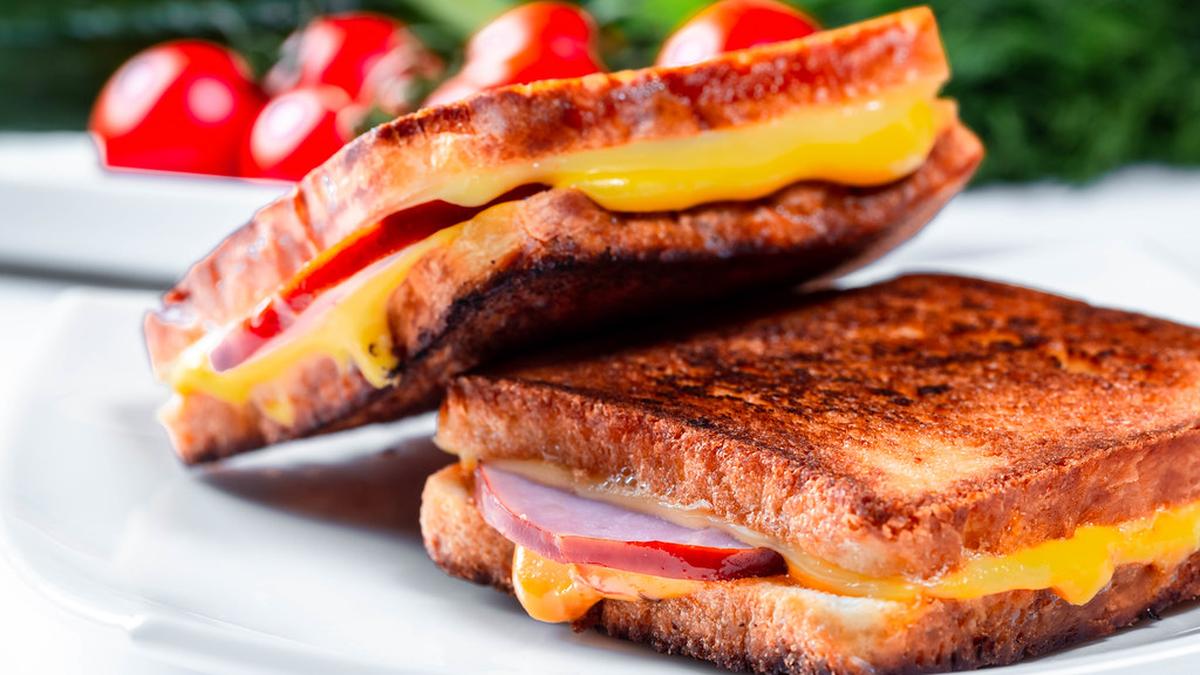
That lunchtime staple, the humble ham sandwich, has come in for a bashing in the press recently. According to many reports, eating two slices of ham a day can increase your risk of developing type 2 diabetes.

But what’s the science behind these headlines?

The research offers a more complex picture. A new study from the University of Cambridge highlighted an association between developing type 2 diabetes and eating processed meat like ham and bacon, and red meat such as beef and lamb.

This led to headlines suggesting the risk was mainly linked to ham sandwiches. This seems to have come from the press release, which used ham as the example to quantify the amount of processed meat associated with a 15% increased risk of developing type 2 diabetes over ten years.

The research found that this risk was linked to eating an extra 50g of processed meat every day, which happens to equate to two slices of ham. A useful example thus appears to have been taken up by the media as the main cause, perhaps ignoring some of the key messages coming from the study.

So, can processed and red meat really increase your risk of developing type 2 diabetes?

The biggest risk factors linked to developing type 2 diabetes are being over 40, having family members with type 2 diabetes, being of South Asian or African descent, or having a higher body weight – and especially a larger waist.

The Cambridge study used data from nearly 2 million people from 31 studies. Participants were followed for an average of ten years. During this time, around one in 20 people developed type 2 diabetes.

The research suggested that a 10% increase in the probability of developing type 2 diabetes was associated with every 100g of additional red meat eaten daily. Eating half as much extra processed meat every day was linked to an even greater increased risk of developing the disease.

This is not the first time that both processed and red meats have been linked with an increased risk of developing type 2 diabetes. However, the key strength of the Cambridge study was that it tried to control for many of the other factors linked to the disease, including smoking, having a higher body weight, dietary intake and exercise.

However, the size of the increased risk is modest, considering few people included in the study ate 50g or more processed meat per day – meaning moderate ham consumption is likely to have no meaningful effect on your risk.

What’s the link?

Processed meat has been linked to increased risk of type 2 diabetes because of its nitrate and salt content – additives that are used to cure many processed meats.

Nitrates and salt in processed meats have also been linked to an increased risk of developing colon cancer. In fact, the World Health Organization classifies the additives as group 1 carcinogens, which means they can cause a range of cancers.

The mechanism linking processed meat to cancer seems to be similar to how it might be linked to type 2 diabetes. During digestion, processed meat produces N-nitroso chemicals, which can damage cells. This can lead to inflammation and affects how insulin, the hormone that controls blood glucose (sugar), works. This in turn can lead to insulin resistance, when cells in your muscles, fat and liver don’t respond well to insulin and can’t easily take up glucose from your blood.

Red meat, meanwhile, is rich in iron. Research suggests that people with high levels of iron are more likely to develop type 2 diabetes. However, low levels of iron are more of a health concern for the general population.

Another potential link regarding red meat could be the way it is cooked.

Previous studies have suggested that charred meat, cooked over an open flame or at high temperature, is also linked to an increased risk of developing type 2 diabetes. Charring meat leads to formation of toxic chemicals such as heterocyclic aromatic amines and harmful compounds like advanced glycation end products, both of which have been linked to insulin resistance and type 2 diabetes.

Bye-bye barbecues and bacon butties?

The key message is reduction, rather than avoidance. The U.K. government nutritional recommendations offer sound advice: limit your combined intake of red and processed meat to no more than an average of 70g per day.

But these guidelines also suggest that red meat can be a valuable source of iron. So, if you decide to stop eating red meat, you should eat alternative sources of iron such as beans, lentils, dark green vegetables and fortified cereals.

This needs to be done as part of a carefully planned diet. Non-meat sources of iron are more difficult for our bodies to absorb so should be eaten with a source of vitamin C, found in green vegetables and citrus fruit.

The best advice to reduce your risk of developing type 2 diabetes is to maintain a healthy weight – consider losing weight if you have a higher body weight – and be as physically active as possible.

A healthy diet should be based on plenty of vegetables, fruit, beans, peas, lentils, nuts and seeds, along with some wholegrain foods, some dairy products, fish and white meat (or vegetarian alternatives) – plus moderate amounts of red meat and minimal processed meat. This will help reduce your risk of type 2 diabetes, heart disease, and many cancers – as well being more environmentally sustainable.

But if you have a penchant for ham sandwiches, rest assured you can continue to indulge as an occasional treat. It’s your overall lifestyle and diet that really matter for your health and risk of developing type 2 diabetes.

Duane Mellor is Visiting Academic, Aston Medical School, Aston University

This article is republished from The Conversation under a Creative Commons license. Read the original article.


Source link

Science

Post navigation

Previous Post: PM Modi To Lead BJPs Election Campaign In Poll-bound Jammu & Kashmir
Next Post: 8-Year-Old Boy Among 3 Electrocuted In Rajasthan: Police

Related Posts

  • Earth’s oldest, tiniest creatures are poised to be climate change winners
    Earth’s oldest, tiniest creatures are poised to be climate change winners Science
  • Debris of rockets with ISRO logo found near uninhabited island in Maldives
    Debris of rockets with ISRO logo found near uninhabited island in Maldives Science
  • One giant step: Moon race heats up
    One giant step: Moon race heats up Science
  • Scans of seemingly empty space reveal black holes not far from earth
    Scans of seemingly empty space reveal black holes not far from earth Science
  • The number of rhinos is slightly up but poaching has increased too
    The number of rhinos is slightly up but poaching has increased too Science
  • Why human-rating matters as India prepares for Gaganyaan
    Why human-rating matters as India prepares for Gaganyaan Science

More Related Articles

Sci-Five | The Hindu Science Quiz: On Writing Sci-Five | The Hindu Science Quiz: On Writing Science
Scientists confirm HIV capsid is a good drug target despite resistance Scientists confirm HIV capsid is a good drug target despite resistance Science
ISRO’s SpaDex mission advances lunar exploration, sample return missions and other objectives: ATL ISRO’s SpaDex mission advances lunar exploration, sample return missions and other objectives: ATL Science
A surgeon’s paradoxical lesson for journalists to survive the news A surgeon’s paradoxical lesson for journalists to survive the news Science
How red marks liminal thresholds between life, death, sacrifice and renewal How red marks liminal thresholds between life, death, sacrifice and renewal Science
What is a dark comet? A quick guide to the ‘new’ kids in the Solar System What is a dark comet? A quick guide to the ‘new’ kids in the Solar System Science
SiteLock

Archives

  • September 2026
  • August 2026
  • July 2026
  • June 2026
  • May 2026
  • April 2026
  • March 2026
  • February 2026
  • January 2026
  • December 2025
  • November 2025
  • October 2025
  • September 2025
  • August 2025
  • July 2025
  • June 2025
  • May 2025
  • April 2025
  • March 2025
  • February 2025
  • January 2025
  • December 2024
  • November 2024
  • October 2024
  • September 2024
  • August 2024
  • July 2024
  • June 2024
  • May 2024
  • April 2024
  • March 2024
  • February 2024
  • January 2024
  • December 2023
  • November 2023
  • October 2023
  • September 2023
  • August 2023
  • July 2023
  • June 2023
  • May 2023
  • April 2023
  • March 2023
  • February 2023
  • January 2023
  • December 2022
  • November 2022
  • October 2022
  • September 2022
  • August 2022
  • July 2022
  • June 2022
  • May 2022

Categories

  • Business
  • Nation
  • Science
  • Sports
  • World

Recent Posts

  • Bihar announces OTS scheme for brick kilns, waives ₹90 crore interest on outstanding dues
  • North Korea says nuclear status ‘irreversible’ after UN atomic agency rebuke
  • Bombay High Court permits BMC to cut over 1,200 mangroves for Versova-Madh Island bridge
  • U.S. appeals court rejects Trump policy allowing swift deportations to third countries
  • Trump to meet with Venezuela’s interim President Rodriguez in New York on Sept. 22

Recent Comments

  1. AlvinNet on UP Teacher Who Asked Students To Slap Muslim Classmate
  2. Jamesslits on UP Teacher Who Asked Students To Slap Muslim Classmate
  3. MichaelClear on UP Teacher Who Asked Students To Slap Muslim Classmate
  4. Jamesslits on UP Teacher Who Asked Students To Slap Muslim Classmate
  5. Jamesslits on UP Teacher Who Asked Students To Slap Muslim Classmate
  • Magsaysay honour for Singapore lawyer, Bangladeshi aid giver, Myanmar activist
    Magsaysay honour for Singapore lawyer, Bangladeshi aid giver, Myanmar activist World
  • Perspectives on the West Asian conflict
    Perspectives on the West Asian conflict World
  • Ukraine’s air defence downs 29 out of 66 Russian drones, military says
    Ukraine’s air defence downs 29 out of 66 Russian drones, military says World
  • Former PM Manmohan Singh, Other Leaders Vote From Home
    Former PM Manmohan Singh, Other Leaders Vote From Home Nation
  • Why did the world’s smallest island nation revise its name? | Explained
    Why did the world’s smallest island nation revise its name? | Explained World
  • Dream Seller, Irish Coffee, Emergent, Regal Beauty and Tyaaraa impress
    Dream Seller, Irish Coffee, Emergent, Regal Beauty and Tyaaraa impress Sports
  • Access Denied
    Access Denied Nation
  • Bipin Singh’s Brilliance Denies Mohun Bagan Super Giant Once Again, Mumbai City FC Bag Second ISL Title With 3-1 Comeback Win
    Bipin Singh’s Brilliance Denies Mohun Bagan Super Giant Once Again, Mumbai City FC Bag Second ISL Title With 3-1 Comeback Win Sports

Editor-in-Chief:
Mohammad Ariff,
MSW, MAJMC, BSW, DTL, CTS, CNM, CCR, CAL, RSL, ASOC.
editor@artifex.news

Associate Editors:
1. Zenellis R. Tuba,
zenelis@artifex.news
2. Haris Daniyel
daniyel@artifex.news

Photograher:
Rohan Das
rohan@artifex.news

Artifex.News offers Online Paid Internships to college students from India and Abroad. Interns will get a PRESS CARD and other online offers.
Send your CV (Subjectline: Paid Internship) to internship@artifex.news

Links:
Associate Journalism
About Us
Privacy Policy

News Links:
Breaking News
World
Nation
Sports
Business
Entertainment
Lifestyle

Registered Office:
72/A, Elliot Road, Kolkata - 700016
Tel: 033-22277777, 033-22172217
Email: office@artifex.news

Editorial Office / News Desk:
No. 13, Mezzanine Floor, Esplanade Metro Rail Station,
12 J. L. Nehru Road, Kolkata - 700069.
(Entry from Gate No. 5)
Tel: 033-46011099, 033-46046046
Email: editor@artifex.news

Copyright © 2023 Artifex.News Newsportal designed by Artifex Infotech.