


Skip to content
  • Facebook
  • X
  • Linkedin
  • WhatsApp
  • YouTube
  • Associate Journalism
  • About Us
  • Privacy Policy
  • 033-46046046
  • editor@artifex.news
Artifex.News

Artifex.News

Stay Connected. Stay Informed.

  • Breaking News
  • World
  • Nation
  • Sports
  • Business
  • Science
  • Entertainment
  • Lifestyle
  • Toggle search form
  • Bangladesh owes Tripura ₹200 crore in unpaid electricity bills: CM Manik Saha
    Bangladesh owes Tripura ₹200 crore in unpaid electricity bills: CM Manik Saha World
  • Iran’s Leader Khamenei calls Trump criminal for causing casualties, damage, slander on Iranians
    Iran’s Leader Khamenei calls Trump criminal for causing casualties, damage, slander on Iranians World
  • Paramilitary Personnel Found Dead In Polling Station Washroom In Bengal
    Paramilitary Personnel Found Dead In Polling Station Washroom In Bengal Nation
  • Access Denied World
  • Israel says hit military infrastructure in Syria
    Israel says hit military infrastructure in Syria World
  • Karnataka Minister Priyank Kharge’s “Double Dare” To BJP In Suicide Case
    Karnataka Minister Priyank Kharge’s “Double Dare” To BJP In Suicide Case Nation
  • Access Denied Sports
  • Matthew Hayden Backs Kohli To Shine In Boxing Day Test, Gives ‘Sachin Tendulkar’ Advice
    Matthew Hayden Backs Kohli To Shine In Boxing Day Test, Gives ‘Sachin Tendulkar’ Advice Sports
‘AI’s benefits to humanity are enormous, we need social mechanisms to deal with the problems it creates’

‘AI’s benefits to humanity are enormous, we need social mechanisms to deal with the problems it creates’

Posted on December 9, 2024 By admin


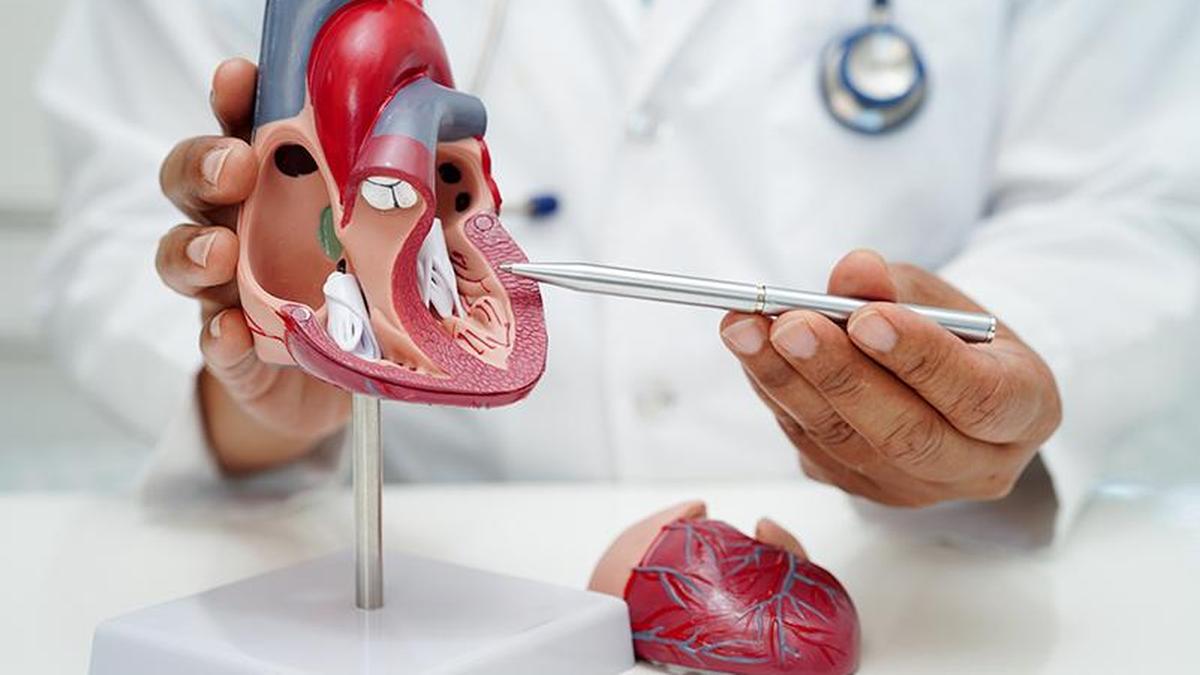
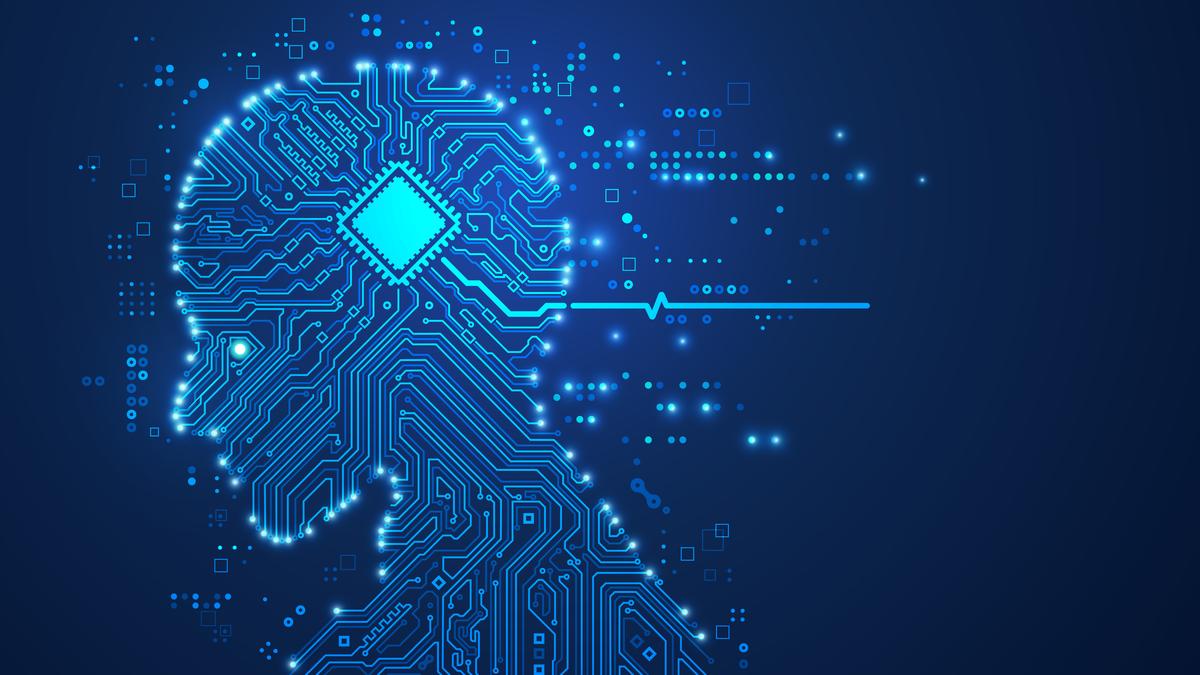
While acknowledging concerns such as job losses due to the advent of AI, he said that it will happen over a few decades which gives enough time to create societal mechanisms to deal with it through options.
| Photo Credit: iStockphoto

Artificial intelligence, unarguably, has been transforming the lives of people in ways that were unimaginable till recently. While it has contributed immensely to improving efficiencies across systems, its unprecedented and unregulated pace has also caused anxieties in terms of deepfakes and potential job losses.

Dr. Raj Reddy, Moza Bint Nasser University Professor of Computer Science and Robotics at Carnegie Mellon University and Padma Bhushan awardee, has been a strong proponent of AI and the promises it holds for the world.  

“AI is primarily to be seen as enhancing the mental capabilities of human beings. Anything you use your brain for, AI will be able to enhance what you do. And to me that is the main definition of AI, just like engineering as a field enhances the physical capabilities of human beings,” he notes. 
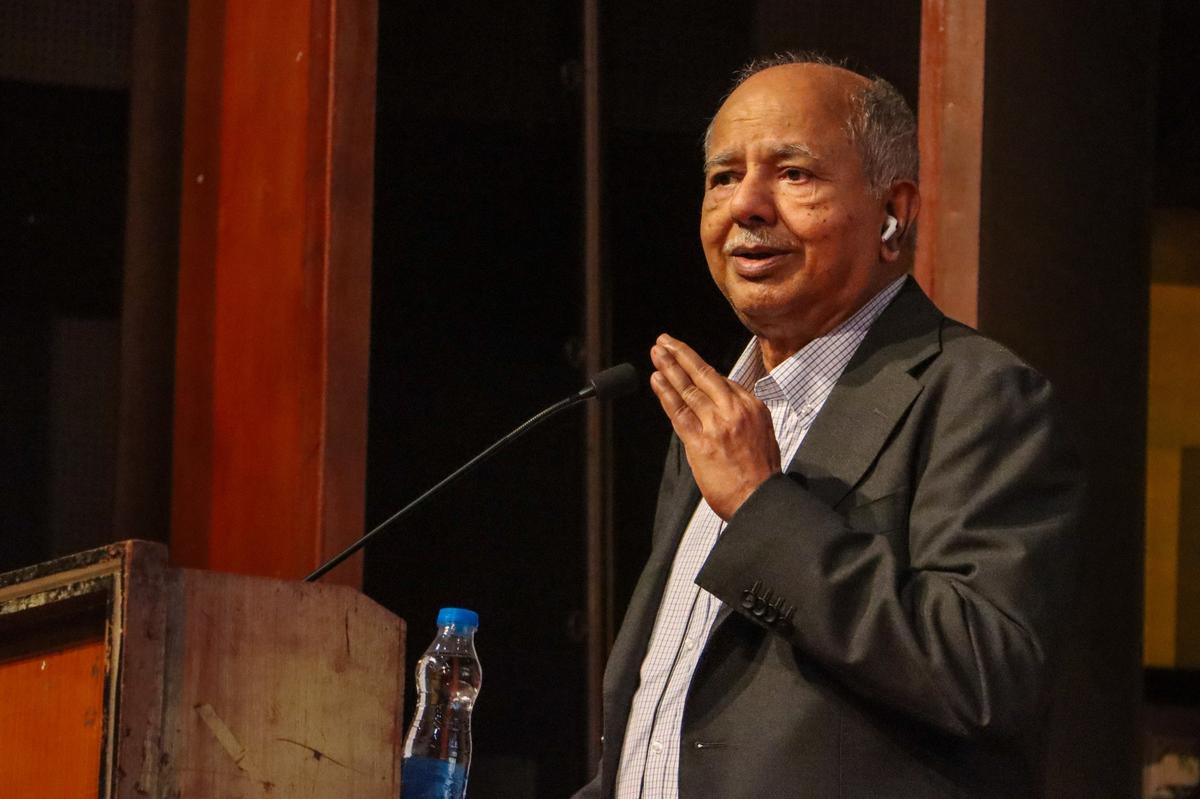
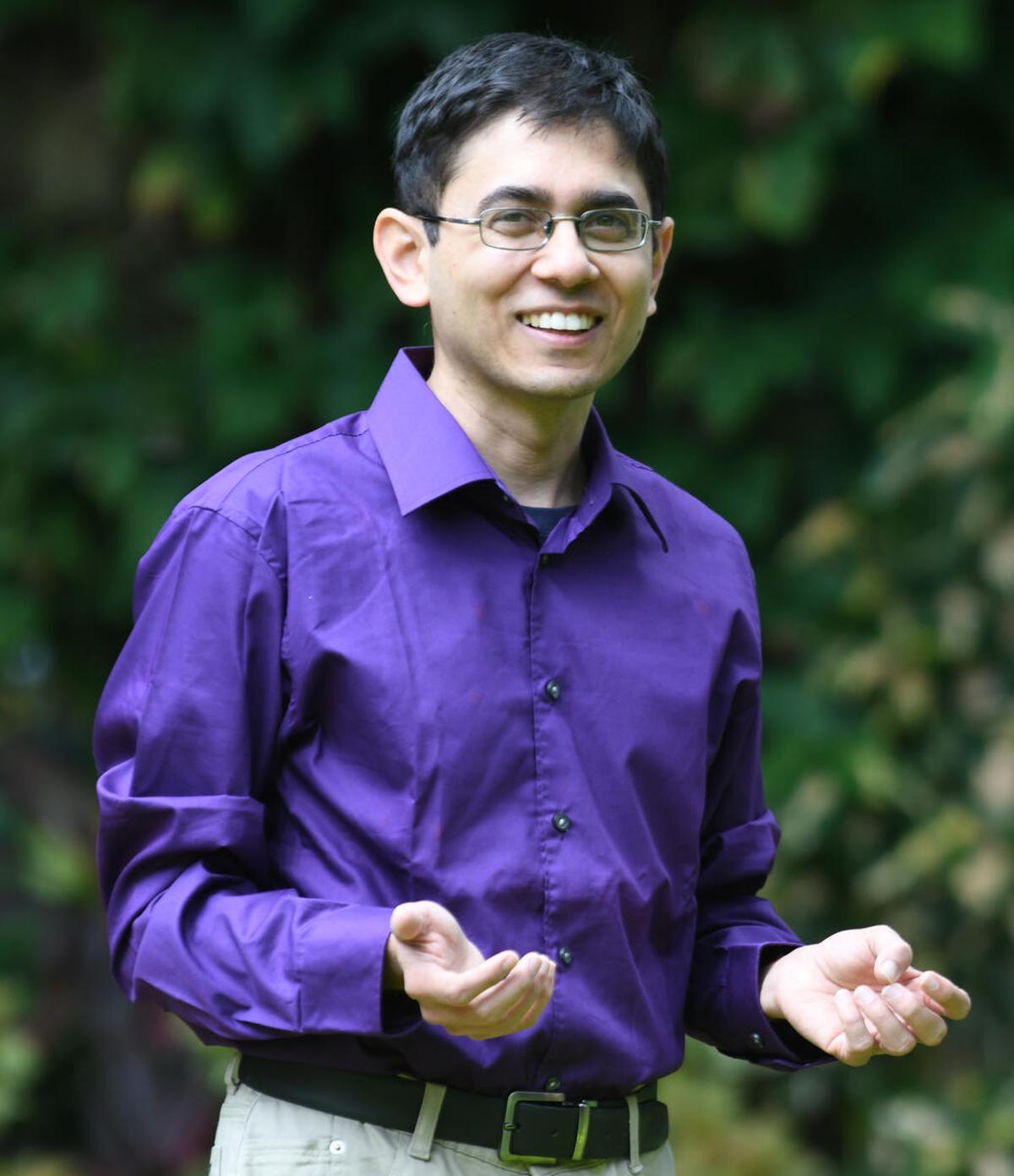
Dr. Raj Reddy

Dr. Raj Reddy
| Photo Credit:
SPECIAL ARRANGEMENT

Dr. Reddy was recently in Bengaluru to deliver the inaugural lecture of Dr. V.S. Arunachalam Memorial Lecture organised by CSTEP. He spoke about the potential of AI to bridge literacy gaps and language divide and eliminate poverty and hunger with the help of AI-applied technologies that may aid in facilitating better food, energy and water security, medical care and education. 

One of the interesting ideas proposed by Dr. Reddy was taking the help of AI to avoid future lockdowns. “During COVID-19, lockdown was introduced arbitrarily in India which turned into a major disaster for poor people,” he pointed out. “In the future, if you have an intelligent watch that measure all the vital statistics like temperature, heart rate, oxygen level, blood pressure and so on, then you can precisely say whether you have COVID and if you should self-quarantine. Then you may need a health passport…That type of technology is now possible.”

He pointed out that the cost of providing smart-watches to all citizens would be only about 20% of the loss to the GDP in 2020 due to COVID-19.  

While acknowledging concerns such as job losses due to the advent of AI, he said that it will happen over a few decades which gives enough time to create societal mechanisms to deal with it through options. The options include Universal Basic Incomes, absorbing a higher number of people into more elastic jobs such as teaching, nursing, and so on.  

Talking about misinformation, he proposed delaying social media postings by 24 hours during which AI technologies can be utilised to weed out deep fakes and malicious content.  

The Hindu caught up with Dr. Reddy to understand more about his views.  


What are the specific branches of AI that you currently find most interesting? 


The most interesting area is machine learning. We have talked about machine learning in the past but we did not have the data and we did not have the computing power until recently. Now with the advent of those two things, the question is what can a computer learn by itself without your having to spoon feed it? 

Alan Turing made a proposal in 1950 to make a computer learn like a child where it goes through the same experiences as a child and learns from that. He said, why don’t we teach the machine like we teach a child?  

That idea has never been picked up until recently. We have been talking about it, but nobody knows how to do it. How do you put a computer in a classroom with all the other children and have it do the homework and submit the answers at the end of the day. 

It will happen… The issue now is that it may not need to learn all of that because it already knows. The current systems have already absorbed knowledge in thousands of books. 

The most interesting research problem is how machine learning can become an adjunct to human learning. What is happening with machine learning is that we are discovering new knowledge that we did not have before. It is not learning like human beings learn, but it creates new knowledge by discovering new patterns and solving new problems. 


Governmental regulations are not able to keep up with the pace at which problems due to AI are arising. Do you think our ecosystems are mature enough to adapt to the pace at which technology is evolving? 


The pace of change in technology is amazing. And societal systems that we have are not able to keep up with it. This will lead to a lot of disruption and dislocation. 

We need to plan for it and if something becomes very serious, we have to do something. That is what happened with Australia. All the children were spending a lot of time looking at social network. So, they have now said no social network for people under the age of 16, which is one way of controlling it. 

It may be impossible though because everybody has a smartphone. Parents and companies can control it, but there may still be ways to bypass it.  

But that’s been the case. There are movies that come with the disclaimer that you have to be at least 12 years or older to watch them. But it’s not always controlled. So, we need to see what can be done.  


With the help of AI, is there a possibility of prevention of pandemics in the first place?


No. Viruses are more powerful than human beings. There will always be pandemics. The only question is how to minimize the impact. We can’t shut down the whole society because of the pandemic.  

What I’m saying is there will be another pandemic in the next 10, 20 years and there is no way to control it. But when it happens, we should not have to lock down everybody. We need to create some technology and AI enabled smart watches can help.


Are there particular set of problems that AI can very efficiently solve in a socially, economically and demographically complex country like India? 


One is the language problem. If I take you from where you are 300 miles in a direction, you can’t talk to the people there. But with AI and speech technologies we may be able to overcome this. It’s a wonderful opportunity.  


Do you think currently the benefits of AI outweigh the problems generated due to it? 


My personal feeling is the benefits will be so big that the world will find ways to handle the problems.  

AI can help with solving language differences, improving literacy and so many other problems. You can simply ask the computer to help you explain a certain idea to you. That’s a fantastic benefit to every person.  


Do you think that way AI has the potential to democratize society? 


Sure, provided you have a tool, and you know how to use it; And that means the right kind of education.  

The opportunity is there. I don’t know whether society or when society will do it. It’s partly a function of what the government chooses to do. Even if the government wants to do it, you need to have teachers. So first we need to start to teach the teachers about AI. 


What are your thoughts about the potential of AI to be a tool to exploit workers given the exploitative nature of many businesses in the name of efficiency? 


Exploiting people has nothing to do with AI. If anything, AI ought to make it possible for people to work less but produce 10 times more. That might lead to some people being laid off. So, the question is, what do you do with them? 

One way is that the government or the company must pay your salary partly. What we can do is maybe provide them with tax-intensive incentives where people are told only to work half the time and paid half the salary, and the other half comes from the government. 

Published – December 09, 2024 08:00 am IST



Source link

Science Tags:AI benefits, artificial intelligence, Raj Reddy, ‘AI’s benefits to humanity

Post navigation

Previous Post: Bryan Adams Lights Up Kolkata With ‘Rock n Rosogolla’ Performance, Fans React Online
Next Post: Gautam Gambhir In Spotlight Over KKR-Inspired Harshit Rana’s Selection. What Ajit Agarkar Said

Related Posts

  • Education: Why India needs to radically think its doctoral education programmes
    Education: Why India needs to radically think its doctoral education programmes Science
  • Science quiz: Fighting back against diseases
    Science quiz: Fighting back against diseases Science
  • Defined | Why did Chandrayaan-3 land at the close to facet of the moon?
    Defined | Why did Chandrayaan-3 land at the close to facet of the moon? Science
  • Vinesh Phogat versus the perplexing biochemistry of losing weight
    Vinesh Phogat versus the perplexing biochemistry of losing weight Science
  • Hiccups explained: Small sounds, big answers
    Hiccups explained: Small sounds, big answers Science
  • Watch: Explained: All about India’s new nuclear energy bill
    Watch: Explained: All about India’s new nuclear energy bill Science

More Related Articles

Cows can use tools, and one Austrian cow has now shown it clearly Cows can use tools, and one Austrian cow has now shown it clearly Science
Erich von Daeniken, Swiss author who popularised ancient‑alien theories, dies at 90 Erich von Daeniken, Swiss author who popularised ancient‑alien theories, dies at 90 Science
EU agencies track bird flu virus variants on increasing threat to humans EU agencies track bird flu virus variants on increasing threat to humans Science
T. K. Radha: from Kerala to Oppenheimer T. K. Radha: from Kerala to Oppenheimer Science
Chunk of India’s forests ‘missing’ after 27-year-delay to file reports | Analysis Chunk of India’s forests ‘missing’ after 27-year-delay to file reports | Analysis Science
The Science Quiz: The evolutionary edge to human survival The Science Quiz: The evolutionary edge to human survival Science
SiteLock

Archives

  • May 2026
  • April 2026
  • March 2026
  • February 2026
  • January 2026
  • December 2025
  • November 2025
  • October 2025
  • September 2025
  • August 2025
  • July 2025
  • June 2025
  • May 2025
  • April 2025
  • March 2025
  • February 2025
  • January 2025
  • December 2024
  • November 2024
  • October 2024
  • September 2024
  • August 2024
  • July 2024
  • June 2024
  • May 2024
  • April 2024
  • March 2024
  • February 2024
  • January 2024
  • December 2023
  • November 2023
  • October 2023
  • September 2023
  • August 2023
  • July 2023
  • June 2023
  • May 2023
  • April 2023
  • March 2023
  • February 2023
  • January 2023
  • December 2022
  • November 2022
  • October 2022
  • September 2022
  • August 2022
  • July 2022
  • June 2022
  • May 2022

Categories

  • Business
  • Nation
  • Science
  • Sports
  • World

Recent Posts

  • China, U.S. should be ‘partners not rivals’, says Xi Jinping after meeting Donald Trump
  • Iran working on Hormuz ‘protocol’ to cover ‘costs’, says Deputy Foreign Minister Gharibabadi
  • Zydus Lifesciences arm to acquire U.S. oncology firm Assertio for $166 million
  • Israel-Iran war LIVE: Iran working on Hormuz ‘protocol’ to cover ‘costs’, says Dy FM Gharibabadi
  • Russia to fulfil all agreements on energy supply to India: FM Lavrov

Recent Comments

  1. Jeffreyroure on UP Teacher Who Asked Students To Slap Muslim Classmate
  2. Stevemonge on UP Teacher Who Asked Students To Slap Muslim Classmate
  3. RichardClage on UP Teacher Who Asked Students To Slap Muslim Classmate
  4. StevenLek on UP Teacher Who Asked Students To Slap Muslim Classmate
  5. Leonardren on UP Teacher Who Asked Students To Slap Muslim Classmate
  • Scientists report trees absorb methane as well
    Scientists report trees absorb methane as well Science
  • Access Denied Sports
  • Proteas have copped unfair criticism, won’t write them off for WTC final: AB de Villiers
    Proteas have copped unfair criticism, won’t write them off for WTC final: AB de Villiers Sports
  • “I Ran Out Of The Dressing Room”: R Ashwin Reveals ‘Virat Kohli Scare’ In Australia Clash
    “I Ran Out Of The Dressing Room”: R Ashwin Reveals ‘Virat Kohli Scare’ In Australia Clash Sports
  • India Predicted XI vs New Zealand, 2nd Test: Sarfaraz Khan, Shubman Gill Or KL Rahul – Who Will Miss Out?
    India Predicted XI vs New Zealand, 2nd Test: Sarfaraz Khan, Shubman Gill Or KL Rahul – Who Will Miss Out? Sports
  • Michael Clarke inducted into Australian Cricket Hall of Fame
    Michael Clarke inducted into Australian Cricket Hall of Fame Sports
  • Visakhapatnam gets ₹1,501.03 crore Centre nod for water, drainage projects; Madhurawada gets lion’s share
    Visakhapatnam gets ₹1,501.03 crore Centre nod for water, drainage projects; Madhurawada gets lion’s share Nation
  • Access Denied Sports

Editor-in-Chief:
Mohammad Ariff,
MSW, MAJMC, BSW, DTL, CTS, CNM, CCR, CAL, RSL, ASOC.
editor@artifex.news

Associate Editors:
1. Zenellis R. Tuba,
zenelis@artifex.news
2. Haris Daniyel
daniyel@artifex.news

Photograher:
Rohan Das
rohan@artifex.news

Artifex.News offers Online Paid Internships to college students from India and Abroad. Interns will get a PRESS CARD and other online offers.
Send your CV (Subjectline: Paid Internship) to internship@artifex.news

Links:
Associate Journalism
About Us
Privacy Policy

News Links:
Breaking News
World
Nation
Sports
Business
Entertainment
Lifestyle

Registered Office:
72/A, Elliot Road, Kolkata - 700016
Tel: 033-22277777, 033-22172217
Email: office@artifex.news

Editorial Office / News Desk:
No. 13, Mezzanine Floor, Esplanade Metro Rail Station,
12 J. L. Nehru Road, Kolkata - 700069.
(Entry from Gate No. 5)
Tel: 033-46011099, 033-46046046
Email: editor@artifex.news

Copyright © 2023 Artifex.News Newsportal designed by Artifex Infotech.