


The first 10,000 mpox vaccines are finally due to arrive next week in Africa, where a dangerous new strain of the virus – which has afflicted people there for decades – has caused global alarm.
The slow arrival of the shots – which have already been made available in more than 70 countries outside Africa – showed that lessons learned from the COVID-19 pandemic about global healthcare inequities have been slow to bring change, half a dozen public health officials and scientists said.
Among the hurdles: It took the World Health Organization (WHO) until this month to start, officially, the process needed to give poor countries easy access to large quantities of vaccine via international agencies. That could have begun years ago, several of the officials and scientists told Reuters.
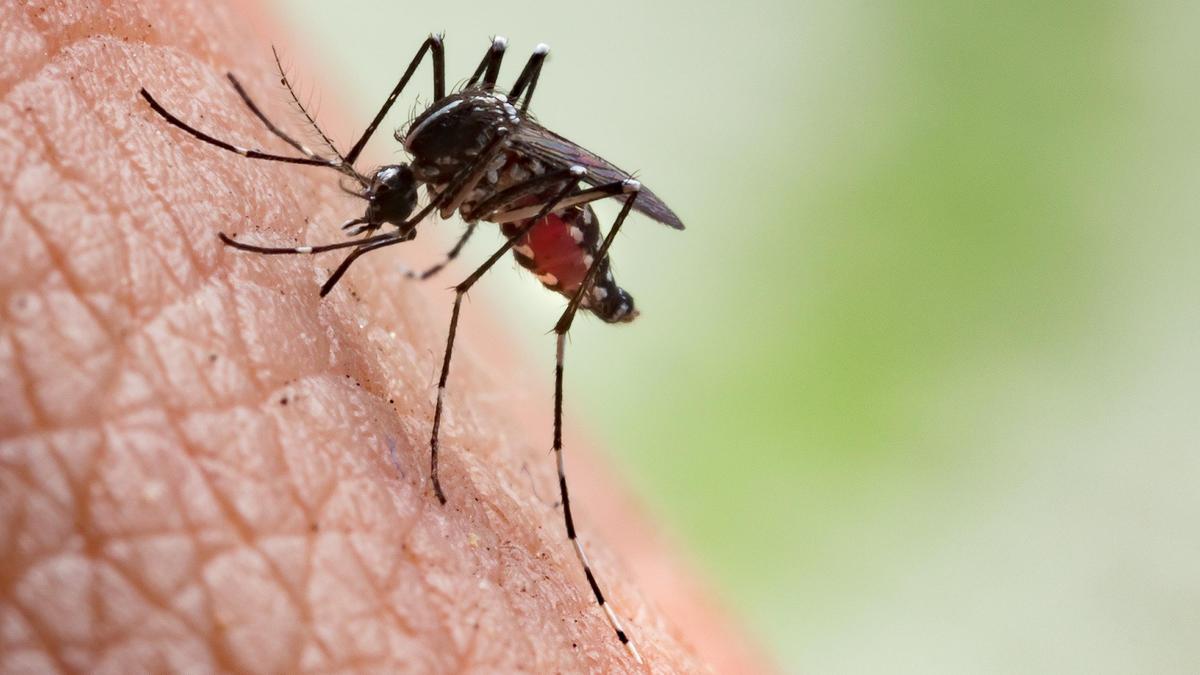
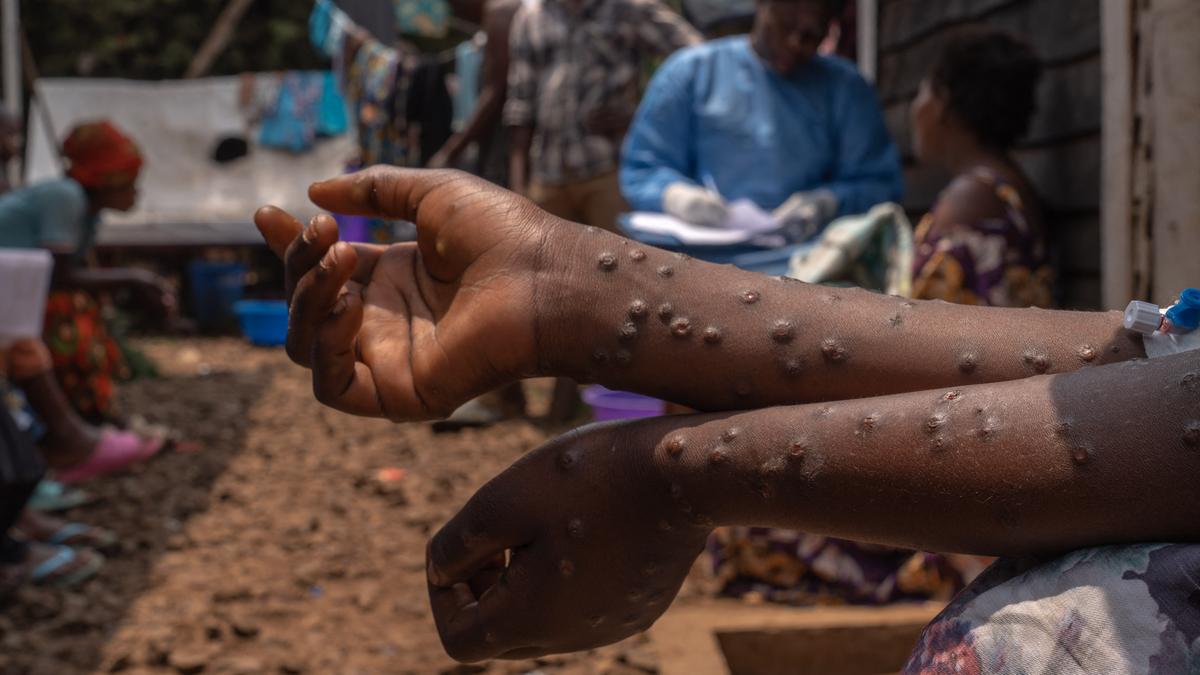
Mpox is a potentially deadly infection that causes flu-like symptoms and pus-filled lesions and spreads through close physical contact. It was declared a global health emergency by the WHO on August 14 after the new strain, known as Clade Ib, began to proliferate from the Democratic Republic of Congo to neighbouring African countries.
In response to Reuters questions about the delays in vaccine deployment, the U.N. health agency said on Friday, August 23, that it would relax some of its procedures on this occasion in an effort to now accelerate poor countries’ access to the mpox shots.

Buying the expensive vaccines directly is out of reach for many low-income countries. There are two key mpox shots, made by Denmark’s Bavarian Nordic and Japan’s KM Biologics. Bavarian Nordic’s costs USD 100 a dose; the price of KM Biologics’ is unknown.
The long wait for WHO approval for international agencies to buy and distribute the vaccine has forced individual African governments and the continent’s public health agency – the Africa Centres for Disease Control and Prevention (CDC) – to instead request donations of shots from rich countries. That cumbersome process can collapse, as it has before, if donors feel they should keep the vaccine to protect their own people.
The first 10,000 vaccines on their way to Africa – made by Bavarian Nordic – were donated by the United States, not provided by the U.N. system.

Helen Rees, a member of the Africa CDC’s mpox emergency committee, and executive director of the Wits RHI Research Institute in Johannesburg, South Africa, said it was “really outrageous” that, after Africa struggled to access vaccines during the COVID pandemic, the region had once again been left behind.
In 2022, after a different mpox strain spread outside Africa, smallpox shots were repurposed by governments within weeks, approved by regulators and used in roughly 70 high and middle income countries to protect those most at risk. Those vaccines have now reached 1.2 million people in the United States alone, according to the U.S. Centers for Disease Control and Prevention (CDC).
But no shots have been available in Africa outside clinical trials. A key reason: Vaccines needed to be greenlit by the WHO before they could be bought by public healthcare groups including Gavi, the Vaccine Alliance.

Gavi helps poorer countries buy shots, supplying childhood vaccines in this way routinely. It administered a global scheme for all vaccines during COVID-19 and has up to USD 500 million to spend on mpox vaccines and logistics.
The Africa CDC has said 10 million doses may be needed across the continent.
But the WHO only this month asked vaccine manufacturers to submit the information needed for the mpox shots to receive an emergency licence – the WHO’s accelerated approval for medical products. It urged countries to donate shots until the process was finalised, in September.
The WHO said it is working with the authorities in Congo to put together a vaccination plan, and on August 23 said Gavi could start talks while it finalised its emergency approval.
Sania Nishtar, chief executive of Gavi, said the WHO’s aim to now act quickly on approvals and improvements in funding showed “the somewhat brighter side of where we are compared to COVID.” Asked to comment on the approval delays, she said, “hopefully this is another learning moment for us.”

WHO criticised
The WHO’s role in approving medical products has revolutionised supply in low-income countries, which often lack the facilities to check new products themselves, but it has also faced criticism for its slow speed and complexity.
The Geneva-based U.N. health agency said it did not have sufficient data during the last mpox emergency in 2022 to start an approval process for the vaccine, and it has been working with manufacturers since then to see if the available data warranted an approval.
Mpox, which includes several different strains, has caused 99,000 confirmed cases and 208 deaths worldwide since 2022, according to the WHO. The tally is likely an underestimate as many cases go unreported.
Infections have been brought under control in rich regions by a combination of vaccines and by behaviour change among the highest-risk groups.
With the main earlier mpox strain, men who have sex with men were most at risk, but the new Clade Ib variant seems to spread more easily through other close contact, including among children, as well as through sexual contact among heterosexual people.
The country currently hardest hit by mpox is Congo. Since January 2023, there have been more than 27,000 suspected cases and 1,100 deaths there, according to government figures, mainly among children.
But the first 10,000 vaccines donated by the United States are not destined for Congo but for Nigeria, as a result of several years of talks between both governments, according to a source involved in the process who was not authorised to speak to the media. Nigeria has had 786 suspected cases this year, and no deaths.
The Nigerian health ministry did not respond to a request for comment; the U.S. Agency for International Development (USAID) said it has also donated 50,000 doses to Congo but the arrival date is not yet finalised.

Children at risk
In Congo, the country’s administration is another part of the problem. Grappling with conflict and multiple competing disease outbreaks, its government has yet to ask Gavi officially for vaccine supplies and took months to talk to donor governments. Its medicines regulator only approved the two main vaccines in June.
Neither Congo’s health ministry nor Japan’s, which is working to donate large amounts of KM Biologics vaccines, responded to requests for comment for this story.
Bavarian Nordic said this week it needs orders now to produce vaccines in volume this year.
Congo’s government has told reporters it hopes to receive vaccine donations next week, but three donor sources told Reuters it is not clear if that will happen. Europe’s pandemic preparedness agency said by email its 215,000 doses will not arrive before September at the earliest.
Bavarian Nordic and Congo are still discussing pre-shipment requirements necessary to ensure proper storage and handling, said a spokesperson for USAID. The vaccines have to be kept at -20C, for example.
In eastern Congo, around 750,000 people are living in camps after fleeing conflict, including seven-year-old Sagesse Hakizimana and his mother Elisabeth Furaha. He is one of more than 100 children to have been infected by mpox in one area near the city of Goma, in north Kivu, according to doctors.
“Imagine fleeing a war and then losing your child to this illness,” said Furaha, 30, rubbing ointment on her son’s rash and adding that his symptoms were easing. He was being treated last week in a repurposed Ebola treatment centre.
“We need a vaccine for this disease. It’s a bad disease that weakens our children.”
Even when shots arrive, questions remain about how to use them: Bavarian Nordic’s vaccine – the most widely used worldwide – is only available for adults. The KM Biologics vaccine can be given to children but is more complex to administer.
Adding to those questions, scientists have not yet agreed what groups should be vaccinated first, although a likely strategy is ring vaccination, where contacts of known cases are prioritised.
“We saw with COVID-19 that the vaccine was available but the population didn’t want it,” says Jean Jacques Muyembe, co-discoverer of the Ebola virus and director of the Institut National de Recherche Biomédicale (INRB) in Kinshasa. He and other scientists said other public health measures like awareness raising in Africa and better diagnosis were also key to stopping the spread of mpox; vaccines are not the only solution.
Some global health experts say the WHO and others should have focused earlier on improving access to mpox vaccines as well as tests for the disease and treatments.
“The processes [at WHO for vaccines] and funding for diagnostics for mpox should have started a few years ago,” said Ayoade Alakija, who co-chairs a global health partnership aiming to make the mpox response more egalitarian.
She said her comment was not a critique of the WHO, which can only prioritise what its member states want. “It is a matter of what the world considers to be a priority, and [that is not] diseases that primarily affect black and brown people.”
In a statement, the WHO said it was “urging all partners including countries, manufacturers and communities to mobilize efforts, increase vaccine donations, reduce prices and provide other necessary support to protect people at risk during this outbreak”.
Jean Kaseya, head of the Africa CDC, said he is working to get African vaccine manufacturers involved to boost supply and lower prices, but that will take time.