

Imagine a loved one receiving a cancer diagnosis when it’s too late for effective treatment. Now, imagine if that cancer had been caught early — when it was still treatable, when hope was still alive. This is the reality we face today, where early detection, diagnosis, and prevention are not just crucial but lifesaving. With 1 in 9 Indians likely to develop cancer in their lifetime, the urgency to address the growing public health burden in India cannot be overstated.
What is the role of cancer screening?
Cancer is responsible for 18% of deaths from noncommunicable diseases, making it the second leading cause of mortality in the country. In 2022 alone, an estimated 14 lakh new cancer cases occurred in India, a number expected to rise by 12% by 2025. As per GLOBOCAN, among women, breast, cervical, ovarian, and colorectal cancers are most common, while lung, esophageal, colorectal, and stomach cancers dominate among men.
When cancer is detected late, survival rates plummet while the cost of care skyrockets, often requiring aggressive and expensive treatments. On the other hand, early detection makes cancer easier to treat, causes less suffering, and significantly extends life. This is why many countries have aligned with the United Nations’ Sustainable Development Goals (SDGs), setting ambitious targets to ensure no cancer goes undetected. For instance, the National Health Service in England aims to increase the proportion of people diagnosed at an early stage from 50% to 75% by 2028. Early detection through screening is a cornerstone of any effective national cancer strategy.
There is strong evidence that organised cancer screening can reduce mortality. Consequently, many countries have established national screening programs for breast, cervical, and colorectal cancers. Lung cancer screening is expanding globally, while prostate cancer screening is available but not widely recommended as a formal program. Most European countries, North America, Australia, and parts of Asia have adopted organised cancer screening, but in low- and middle-income countries like India, such programs are still uncommon. According to the recent National Family Health Survey (NFHS-5, 2019-21), cancer screening in India is limited to cervical, breast, and oral cancers, with only 0.2-2% of people having undergone any form of screening.
How effective is cancer screening?
The success of any cancer screening program hinges on uptake—the percentage of people who complete a screening test and receive their results within a set time after being invited. High uptake is essential for detecting cancers early enough to reduce deaths and ensure the cost-effectiveness of the program. Yet, barriers such as anxiety about test results, embarrassment, and, particularly in women’s cancers, a lack of support from family members, can significantly reduce uptake.
Additionally, structural barriers like limited health infrastructure and access to screening facilities further hinder the reach and effectiveness of cancer screening programs. These challenges are exacerbated by disruptions, such as the COVID-19 pandemic, when cancer screenings dropped sharply due to restricted access. Campaigns to increase uptake have shown only modest impact over time, highlighting the need for more innovative solutions.
How do blood-based tests work?
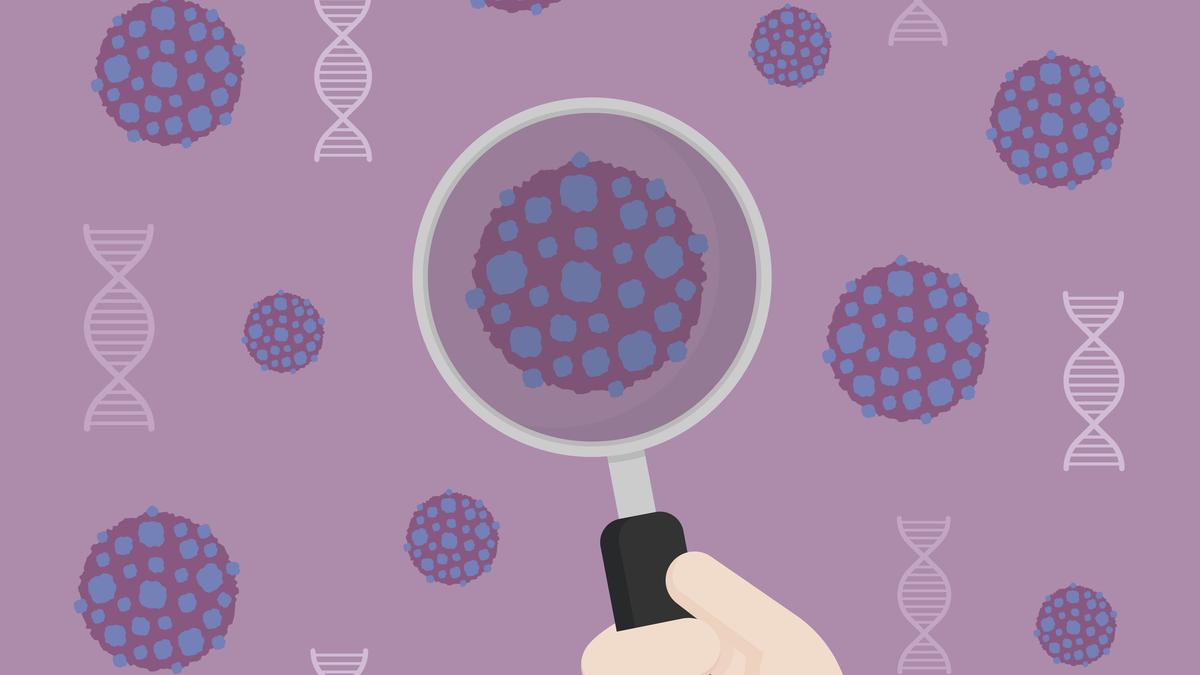
Blood-based tests offer a promising way forward. Already a staple in annual preventive health check-ups, these tests can be adapted for cancer screening with high specificity and reasonable sensitivity at an affordable price. A multi-cancer early detection (MCED) test, a type of liquid biopsy, detects cancer signals—such as circulating tumour DNA (ctDNA) and circulating tumour cells (CTCs)—released by cancerous cells into the blood at early stages, when treatment is most effective. If a signal is found, the test can often pinpoint the cancer’s location, helping doctors plan the appropriate care pathway.
The test can detect up to 50 types of cancer, including those like ovarian, liver, stomach, pancreatic, and esophageal cancers, which currently lack recommended early screening tests. It can also alert individuals to difficult-to-detect and aggressive cancers and is particularly recommended for adults and those at higher risk. However, it’s important to understand that the MCED test is different from genetic testing, which looks for inherited genes that may increase cancer risk over a lifetime. The MCED test does not assess genetic predispositions or inherited genetic changes related to cancer.
MCED tests are not yet approved by the U.S. FDA. A few tests have received a Breakthrough Device Designation, but this doesn’t mean they have gone through the FDA’s rigorous premarket review process. In India, the CDSCO is responsible for drug, medical devices and diagnostic kits. While liquid biopsy for diagnostic purposes is gaining traction in India, MCED tests are still new and are not in the approved CDSCO list yet. But some companies are now offering these tests to doctors and consumers as laboratory-developed tests (LDTs) and cost up to Rs 15,000 per instance. LDTs are created, manufactured, and used within a single lab. While labs must prove these tests can accurately measure what they claim to measure, federal regulations don’t require them to show that the tests actually benefit patients, such as by diagnosing cancer early.
Do MCED tests have downsides?
MCED tests are also not without their challenges. One significant risk is false positives, where a test indicates cancer when there is none. When multiple tests are used for screening, the false positive rate can be as high as 50%. But combining traditional screening with an MCED test can significantly reduce this rate. A 2021 study in the British Journal of Cancer estimated that such a combination could reduce the false-positives rate from 1:43 (i.e. 43 false positives for every true positive) to 1:14 for breast, lung, cervical, and colorectal cancers.
Studies have demonstrated that with 25-100% uptake, MCED tests can detect up to 400,000 additional cancer cases that traditional methods might miss. It’s also important to note that while MCED tests generally report high specificity (>96%), their sensitivity was variable and influenced by study design, population, reference standard test used, and the duration of follow-up.
Despite their potential, MCED tests are not a magic bullet. They carry risks of overdiagnosis and overtreatment, which can lead to unnecessary physical, psychological, and financial strain. Therefore, the U.S. FDA advises that after a positive MCED result, patients and clinicians should receive quick, comprehensive instructions on diagnostic evaluations required to confirm and understand a suspected cancer after a positive test.
Why do post-test procedures matter?
Since MCED tests are still new to India (mostly as LDTs), post-testing support is crucial to alleviate the anxiety of a positive result. To address this, both patients and clinicians need a comprehensive range of educational tools and resources. Clear patient information guides should be provided to explain the results, outline next steps, and set expectations for further diagnostic procedures. Decision support tools can help evaluate the benefits and risks of additional testing or treatments, especially considering the potential for overdiagnosis and overtreatment.
Access to counselling services, such as genetic counsellors or oncologists, is vital to help patients understand their results and manage the emotional and psychological impact. Interactive digital platforms can offer personalised education, track patient progress, and send reminders for follow-up appointments. Healthcare providers would also benefit from specialised training modules focused on interpreting MCED results, effective patient communication, and managing the diagnostic process.
Vid Karmarkar is the founder and CEO of Canseva Foundation, a section 8 non-profit company on a mission to reduce financial toxicity in cancer care in India.