

Skip to content
  • Facebook
  • X
  • Linkedin
  • WhatsApp
  • YouTube
  • Associate Journalism
  • About Us
  • Privacy Policy
  • 033-46046046
  • editor@artifex.news
Artifex.News

Artifex.News

Stay Connected. Stay Informed.

  • Breaking News
  • World
  • Nation
  • Sports
  • Business
  • Science
  • Entertainment
  • Lifestyle
  • Toggle search form
  • ​Core upgrade: On the Index of Core Industries
    ​Core upgrade: On the Index of Core Industries Business
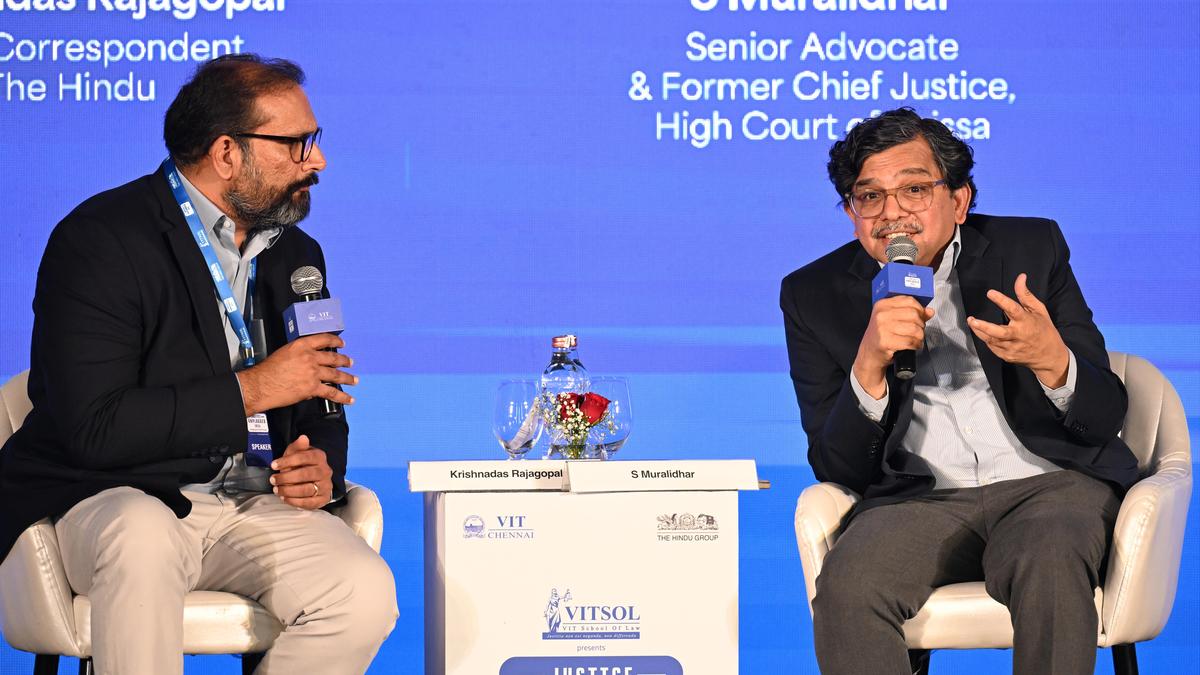
  • ‘Constitutional thinking has to start from home’, says S. Muralidhar at Justice Unplugged 2026
    ‘Constitutional thinking has to start from home’, says S. Muralidhar at Justice Unplugged 2026 Nation
  • Why is the Indian Rupee falling?
    Why is the Indian Rupee falling? Business
  • NHAI revises toll charges on Bengaluru-Nelamangala and Bengaluru-Kolar highway stretches
    NHAI revises toll charges on Bengaluru-Nelamangala and Bengaluru-Kolar highway stretches Nation
  • IPL 2024: Jitesh Sharma To Lead Punjab Kings In Their Final Match Against Sunrisers Hyderabad
    IPL 2024: Jitesh Sharma To Lead Punjab Kings In Their Final Match Against Sunrisers Hyderabad Sports
  • U.K. could train soldiers in Ukraine : U.K. Defence Secretary
    U.K. could train soldiers in Ukraine : U.K. Defence Secretary World
  • Access Denied Sports
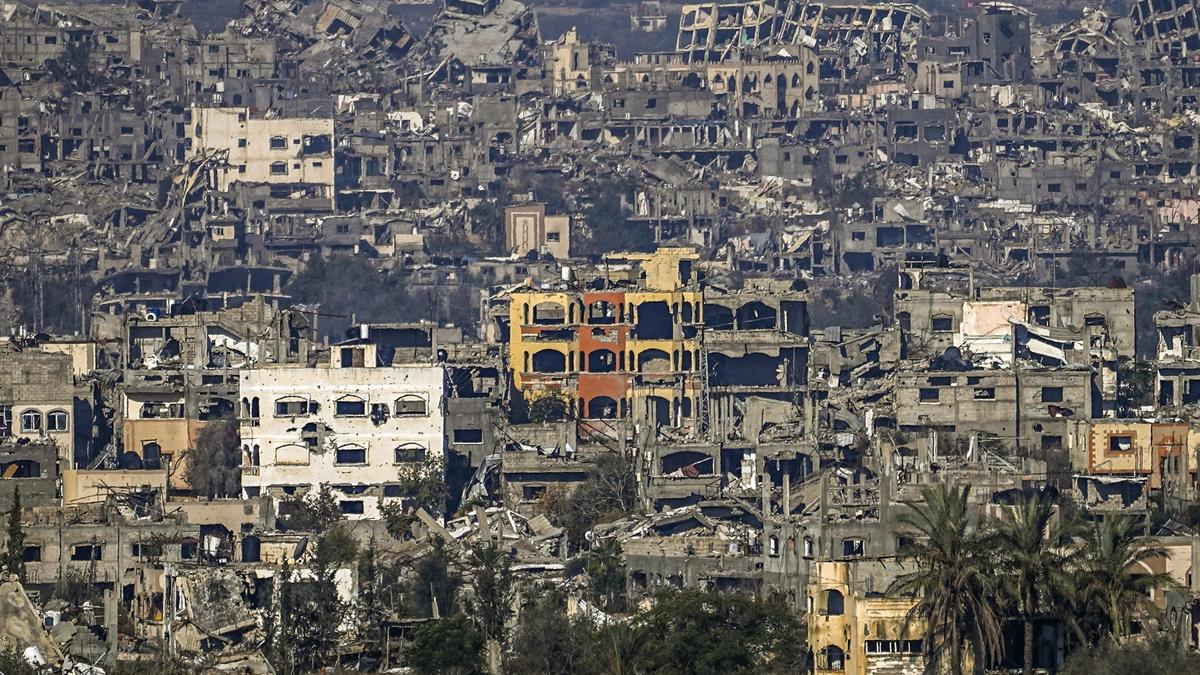
  • Israeli airstrike hits Gaza as Benjamin Netanyahu authorises delegation to continue negotiations in Qatar towards ceasefire deal
    Israeli airstrike hits Gaza as Benjamin Netanyahu authorises delegation to continue negotiations in Qatar towards ceasefire deal World
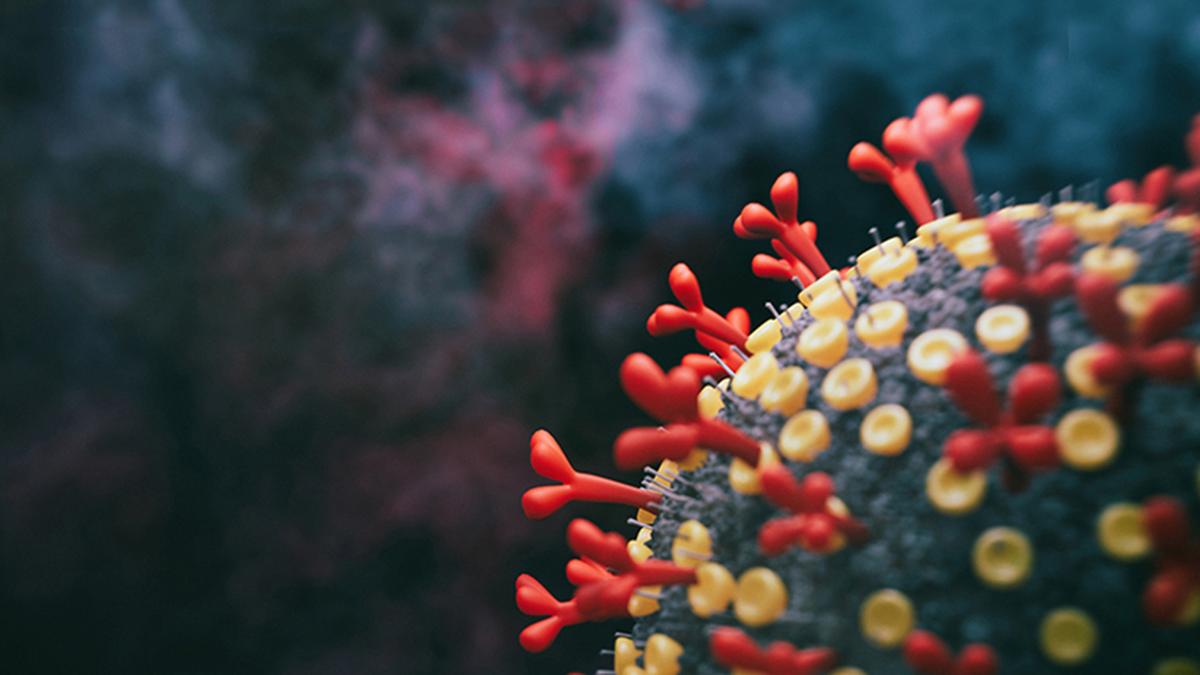
Why do so many contemporary vaccines have low durability? | Explained

Why do so many contemporary vaccines have low durability? | Explained

Posted on March 26, 2024 By admin


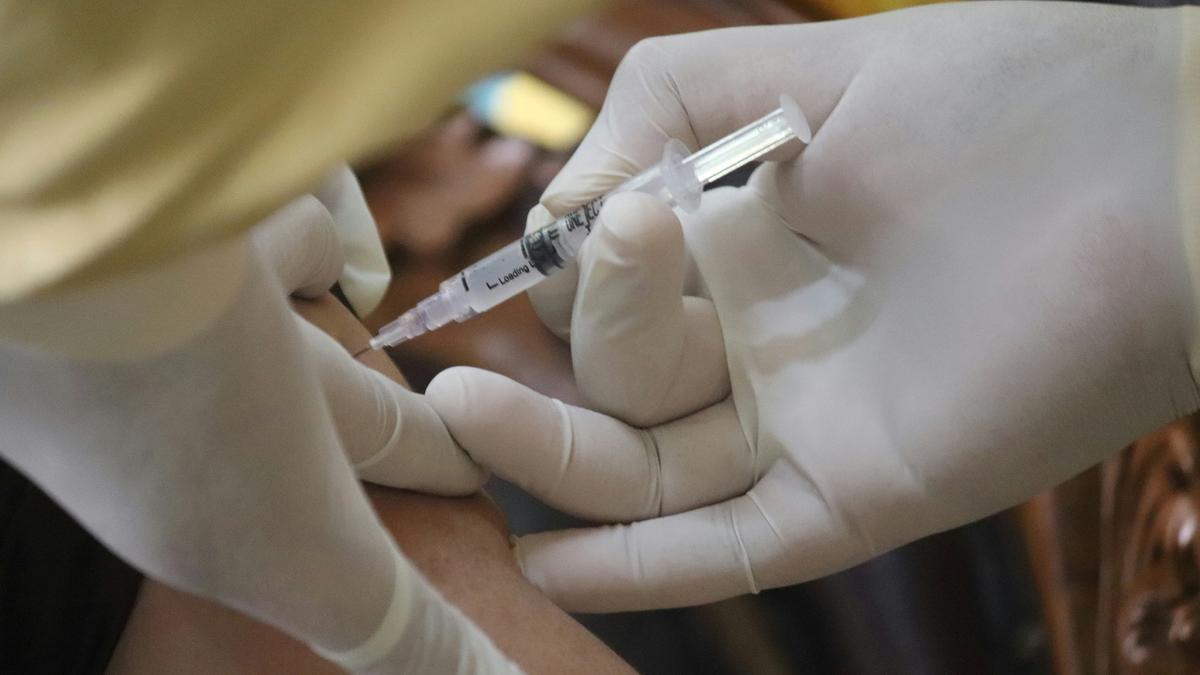
Once an individual has received a measles jab, they are usually considered protected against measles disease for their entire life. The measles vaccine is one of the most potent vaccines in our armamentarium today. But this is not the case with most other vaccines. One needs to take several boosters for a long protection. Why is this the case?

We recently published a review of 34 currently licensed vaccines for the duration of their protective immunity, and found that only five vaccines provide long-lasting protection spanning more than 20 years and only three provide lifelong protection. Of these 34 vaccines, 15 provide 5-20 years of protection, whereas a similar number of other shots offer short-term protection that lasts around five years or less.

More importantly, barring a very few, most of the new-generation vaccines have a short duration of protection.

How do vaccines induce different immune responses?

Post-vaccination immunity develops in a complex process. In the fundamental immunological mechanism, our lymph nodes first produce the memory B cells that confer long-term protection against a disease. These cells ‘memorise’ the antigen the vaccine has delivered. In future, when a foreign object like a virus enters the body bearing the same antigen, the B cells will trigger the production of a large number of potent antibodies to destroy it, removing the infection.

These memory B cells require T cell support, and only vaccines that stimulate T cells can also induce the body to produce them.

Further, not all vaccines – including the polysaccharide typhoid and the pneumococcal vaccines – prompt the body to make B cells. In some cases, frequent boosters are required to enhance the duration of immunity the cells confer, ranging from six months to a few years. Also, vaccines trigger the production of memory B cells to different degrees, plus having memory B cells alone does not guarantee protection.

Following the administration of the measles and the rubella vaccines, the level of memory B cells in the blood plasma remains constant. It corresponds well with antibody levels decades later. This is not the case with the chickenpox, tetanus, and diphtheria vaccines – suggesting that memory B-cell persistence may not ensure antibody durability and that another mechanism may be involved in sustaining antibody levels.

Another essential immune cell, called long-lasting plasma cell (LLPC), migrates from the lymph node to the bone marrow and may endure for decades. LLPCs are the main immunological factor in vaccine-induced immunity. Every vaccine tries to create long-lasting plasma cells for lifelong protection, a.k.a. the immunology ‘holy grail’. The measles and rubella vaccines produce these cells in the bone marrow. However, some potent vaccines, such as the mRNA COVID-19 shots, fail to activate these cells in the bone marrow. 

To provide long-term protection, then, vaccines must generate memory B cells and LLPCs in the bone marrow. Different vaccines differ in their ability to produce these cells, explaining the disparity in their durabilities.

What mechanism can explain the disparity?

There are three main categories of factors responsible: vaccine-related, target pathogen-related, and host-related.

Live viral vaccinations– including the vaccines for measles, rubella, yellow fever, chickenpox, and polio (oral) – provide longer lasting protection than killed pathogen or subunit vaccines. Newer platforms like ‘virus-like particle’ (VLP) also offer long-term protection. The HPV vaccines were developed using this platform.

Next, the proper interval between doses of a multi-dose vaccine, like that for hepatitis B, matters. A long interval of at least six months between the priming and the booster doses is essential for adequately processing the antigen and a robust, durable immune response. Adding adjuvantsto vaccines also significantly affects vaccine-induced immune responses and their persistence. Some novel adjuvants, like TLR agonists, can directly influence memory B cell functions as well.

The durability of vaccine-induced protection also depends on the characteristics of the respective pathogens. Viruses that quickly infect the body (shorter incubation period) don’t give enough time for the immune system to respond effectively. Examples include the influenza and the SARS-CoV-2 viruses. Whether it is a natural infection or vaccine-induced, the resulting immunity is not long-standing.

The converse is also true: infections or vaccines against viruses like mumps, measles, and yellow fever, with extended incubation periods, lead to durable immunity since the immune system has more time to respond.

Further, pathogens that cause only mucosal infections but minimal blood infection, like SARS-CoV-2, influenza, and the respiratory syncytial virus, pass from one person to another in a short span, before our immune system has had the time to launch an immune response. This is the reason why reinfections are frequent with these viruses.

The genetic stability of the virus contained in a vaccine also influences the durability of immunity. We know RNA viruses are known for their high mutation rates. (Both measles and SARS-CoV-2 are single-stranded RNA viruses.) While we still use the same strain of measles vaccine isolated from the throat of David Edmonston in 1954, the SARS-CoV-2 vaccines have been updated thrice in the last four years.

This is also why the flu vaccines need to be revised twice a year. The measles virus’ surface glycoprotein is more resistant to ongoing mutations. On the other hand, only a handful of mutations at the spike protein change the antigenic nature of the SARS-CoV-2 virus.

Next, host-related factors affect durability. The individual’s age at the time of vaccination influences the persistence of vaccine-induced antibodies: the response is shorter at both extremes of age because of immaturity and senescence of the immune system, respectively. Immune responses may also vary with gender. Studies have found that biologically female bodies elicit more exuberant immune responses to infections than males. Recent studies have also found obesity may accelerate the waning of vaccine efficacy.

The time of day a vaccine is given also affects the immune response’s robustness. Shots in the morning have been demonstrated to confer better immunological responses than those later in the day. The circadian clock affects immune-cell processes like cytokine generation, cell trafficking, dendritic cell activity, and T and B cell activity. Studies in mice have found a good night’s sleep may also boost the immunological interactions and provide enduring protection.

New bioengineering technologies are evolving rapidly. With nanoparticles and virus-like particle vaccinations, antigen valence and density are finely regulated. Antigen delivery can be controlled and sustained via newer biomaterials. New adjuvants can activate specific innate immune pathways. As the mechanisms of immune response durability become more apparent, we can construct vaccines strategically to provide durable vaccine-induced protection with fewer doses.

Dr. Vipin M. Vashishtha is past convener, IAP Committee on Immunisation, and director and paediatrician, Mangla Hospital and Research Centre, Bijnor. Dr. Puneet Kumar is a clinician, Kumar Child Clinic, New Delhi, with a special interest in infectious diseases and vaccination.



Source link

Science Tags:COVID-19 vaccines, killer T cells, long-lasting plasma cells, memory B cells, mRNA vaccines, vaccine certificate, vaccine durability, vaccine for cervical cancer, vaccine protection

Post navigation

Previous Post: Israel’s Netanyahu cancels delegation to Washington after UN vote on Gaza
Next Post: Relatives of missing Mexicans say they found bags of human remains

Related Posts

  • As sun nears peak of solar cycle, small satellites are paying the price
    As sun nears peak of solar cycle, small satellites are paying the price Science
  • Scientists can now measure the damage each new coal mine can do to people, nature
    Scientists can now measure the damage each new coal mine can do to people, nature Science
  • ISRO invites proposals from Indian scientists to analyse data from Aditya-L1 mission
    ISRO invites proposals from Indian scientists to analyse data from Aditya-L1 mission Science
  • Turning a death sentence into a long-lasting health condition
    Turning a death sentence into a long-lasting health condition Science
  • Private sector seeks anchor contracts as Dept of Space struggles to use funds
    Private sector seeks anchor contracts as Dept of Space struggles to use funds Science
  • Union Minister Hardeep Singh Puri inaugurates India Energy Week 2025 
    Union Minister Hardeep Singh Puri inaugurates India Energy Week 2025  Science

More Related Articles

Scamming science: predatory journals and the academic rat race Scamming science: predatory journals and the academic rat race Science
How do lightning rods prevent lightning strikes from reaching people? How do lightning rods prevent lightning strikes from reaching people? Science
New insights into how Long COVID affects the brain New insights into how Long COVID affects the brain Science
AI simulation of Mount Fuji eruption being used to prepare Tokyo AI simulation of Mount Fuji eruption being used to prepare Tokyo Science
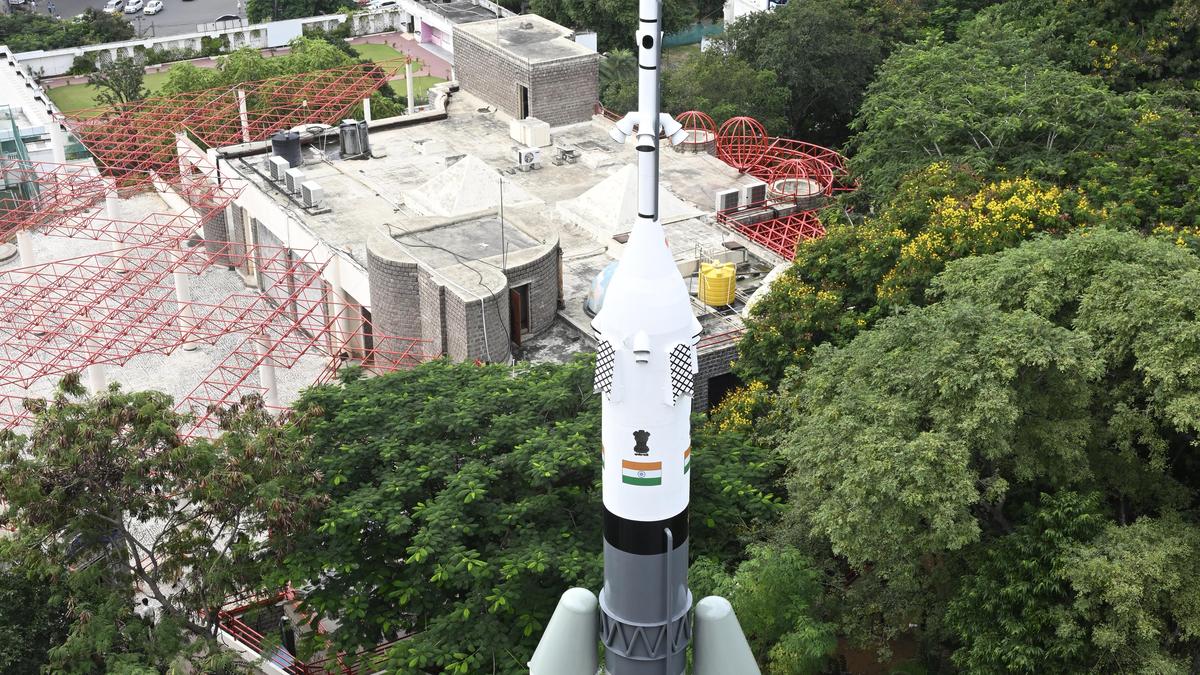
65-ft-tall Gaganyaan launch vehicle model unveiled at Birla Science Centre 65-ft-tall Gaganyaan launch vehicle model unveiled at Birla Science Centre Science
How can a quantum computer prove that it is superior? How can a quantum computer prove that it is superior? Science
SiteLock

Archives

  • October 2026
  • September 2026
  • August 2026
  • July 2026
  • June 2026
  • May 2026
  • April 2026
  • March 2026
  • February 2026
  • January 2026
  • December 2025
  • November 2025
  • October 2025
  • September 2025
  • August 2025
  • July 2025
  • June 2025
  • May 2025
  • April 2025
  • March 2025
  • February 2025
  • January 2025
  • December 2024
  • November 2024
  • October 2024
  • September 2024
  • August 2024
  • July 2024
  • June 2024
  • May 2024
  • April 2024
  • March 2024
  • February 2024
  • January 2024
  • December 2023
  • November 2023
  • October 2023
  • September 2023
  • August 2023
  • July 2023
  • June 2023
  • May 2023
  • April 2023
  • March 2023
  • February 2023
  • January 2023
  • December 2022
  • November 2022
  • October 2022
  • September 2022
  • August 2022
  • July 2022
  • June 2022
  • May 2022

Categories

  • Business
  • Nation
  • Science
  • Sports
  • World

Recent Posts

  • India’s IT exports: Deliver the code, chase the cash
  • Is Wetland Authority accountable to government or construction companies, asks Anbumani
  • TCS looks to quantum computing to solve complex ‘what if’ problems
  • AIADMK, BJP leaders slam TVK-led Tamil Nadu government over electricity purchase at high rate
  • Two arrested for attacking security guard with knife in Besant Nagar

Recent Comments

  1. RobertTes on UP Teacher Who Asked Students To Slap Muslim Classmate
  2. Manuelret on UP Teacher Who Asked Students To Slap Muslim Classmate
  3. RobertTes on UP Teacher Who Asked Students To Slap Muslim Classmate
  4. RobertTes on UP Teacher Who Asked Students To Slap Muslim Classmate
  5. BrentWes on UP Teacher Who Asked Students To Slap Muslim Classmate
  • John Ternus to take charge as Apple CEO: Who is he?
    John Ternus to take charge as Apple CEO: Who is he? World
  • Access Denied
    Access Denied Nation
  • Access Denied
    Access Denied Nation
  • Putin is poised to rule Russia for 6 more years after an election with no other real choices
    Putin is poised to rule Russia for 6 more years after an election with no other real choices World
  • Starzella for Zavaray S. Poonawalla Mysore 1000 Guineas
    Starzella for Zavaray S. Poonawalla Mysore 1000 Guineas Sports
  • Andhra Pradesh farmers caught between climate uncertainty and financial risk
    Andhra Pradesh farmers caught between climate uncertainty and financial risk Nation
  • Access Denied
    Access Denied Nation
  • Access Denied Sports

Editor-in-Chief:
Mohammad Ariff,
MSW, MAJMC, BSW, DTL, CTS, CNM, CCR, CAL, RSL, ASOC.
editor@artifex.news

Associate Editors:
1. Zenellis R. Tuba,
zenelis@artifex.news
2. Haris Daniyel
daniyel@artifex.news

Photograher:
Rohan Das
rohan@artifex.news

Associate Journalists
1. Subrata Paul - AN/2020/01
2. Quamruz Zaman - AN/2021/22
3. Ahmed Sha - AN/2021/035
4. Ajay Kumar Shaw - AN/2021/39
5. Tahqiqul Hoda - AN/2021/21

Artifex.News offers Online Paid Internships to college students from India and Abroad. Interns will get a PRESS CARD and other online offers.
Send your CV (Subjectline: Paid Internship) to internship@artifex.news

Links:
Associate Journalism
About Us
Privacy Policy

News Links:
Breaking News
World
Nation
Sports
Business
Entertainment
Lifestyle

Registered Office:
72/A, Elliot Road, Kolkata - 700016
Tel: 033-22277777, 033-22172217
Email: office@artifex.news

Editorial Office / News Desk:
No. 13, Mezzanine Floor, Esplanade Metro Rail Station,
12 J. L. Nehru Road, Kolkata - 700069.
(Entry from Gate No. 5)
Tel: 033-46011099, 033-46046046
Email: editor@artifex.news

Copyright © 2023 Artifex.News Newsportal designed by Artifex Infotech.