




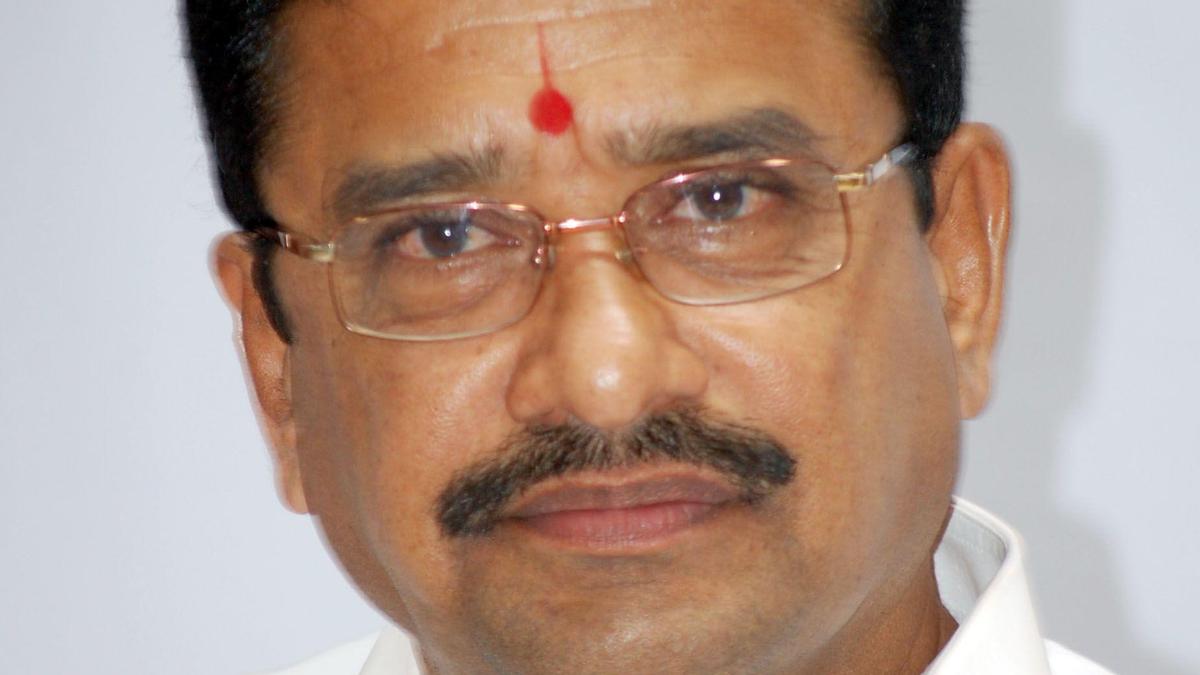

Justice N. Anand Venkatesh, Judge of the Madras High Court.
| Photo Credit: FILE PHOTO
There is no mechanism to ensure that an arbitrator is fit enough, Justice N. Anand Venkatesh, judge of the Madras High Court, has said. Arbitration requires a ‘completely different mindset altogether’ and even judges of the High Courts or the Supreme Court would require training on arbitration, he said on Tuesday while speaking at the ‘Online Dispute Resolution Summit: Technology and Institutional Arbitration’ organised by Presolv360.
“Today there is no mechanism to confirm that this arbitrator is fit enough for the role. In the event of him failing to do his job, where is the mechanism to take him to task? For a judge who comes from a district judiciary, there is a mechanism. For a High Court judge, yes, there is not much of a mechanism, but there is something called a transfer. At least you will be able to take away the portfolio from him. There is some mechanism. But there is no such thing for arbitrators,” Mr. Anand Venkatesh said.
If there was an “intelligent, corrupt arbitrator”, that was the “end of the matter” and there was no way of challenging it, he said. The judge further said: “There has to be a mechanism where the courts will have to accredit arbitrators”. He called for quality arbitrators, who had integrity and honesty and were capable of understanding the dispute.
Former judge of the Punjab and Haryana High Court K. Kannan said that all stakeholders along with the mediation institutions and lawyers must develop a common framework for ensuring resolution of a high volume of disputes. “We need standardised protocols. It is essential. It can’t be that the protocol has some manner of doing things with some institutions. We need standard protocols for referrals, mediation, arbitration, settlement, documentation, quality assurance system and grievance redressal mechanisms,” he said.
During his speech, former Union Law Secretary T.K. Viswanathan recalled having drafted several legislations. For effective law reforms, Mr. Viswanathan suggested that every Ministry, during their annual budget, should place before the Parliament data about how the law has been in action. Funds could be allocated so that law schools could undertake ‘law in action’ studies, he said.
Pointing out that without empirical data, the law reforms would be blind, Mr. Viswanathan said, “Law reform, today, depends upon accidents of litigation and is not scientific”.
“Without data, how can you say if an Act is successful or not?” he questioned. The Information Technology Act, 2000 has to be revised now because of Artificial Intelligence, which was posing great problems, Mr. Viswanathan added.
Published – November 18, 2026 12:02 am IST