
Skip to content
  • Facebook
  • X
  • Linkedin
  • WhatsApp
  • YouTube
  • Associate Journalism
  • About Us
  • Privacy Policy
  • 033-46046046
  • editor@artifex.news
Artifex.News

Artifex.News

Stay Connected. Stay Informed.

  • Breaking News
  • World
  • Nation
  • Sports
  • Business
  • Science
  • Entertainment
  • Lifestyle
  • Toggle search form
  • Access Denied Sports
  • PM Modi At UN Summit
    PM Modi At UN Summit World
  • Syria eyes security deals with Israel by end of 2025
    Syria eyes security deals with Israel by end of 2025 World
  • US troops attacked in Syria, no initial reports of injuries, official says
    US troops attacked in Syria, no initial reports of injuries, official says World
  • Access Denied
    Access Denied Nation
  • US’ Sanctions Regime Is Backfiring Now
    US’ Sanctions Regime Is Backfiring Now World
  • Access Denied World
  • Cricket World Cup 2023 IND vs ENG | India becomes No. 2 in World Cup wins
    Cricket World Cup 2023 IND vs ENG | India becomes No. 2 in World Cup wins Sports
Drug-resistant malaria poses growing challenge to treatment and elimination efforts

Drug-resistant malaria poses growing challenge to treatment and elimination efforts

Posted on June 17, 2026 By admin


Although the incidence of malaria fell by nearly a quarter between 2000 and 2015, the trend has reversed over the past decade, with global incidence rising by 8.5% since 2015. Experts say the growing threat of resistance to anti-malarial medicines could complicate efforts to eliminate the disease and reverse gains.

India currently holds about 1.4% of the global malaria burden, marking a decline from previous decades. Estimated cases in the country fell from 6.4 million in 2017 to nearly two million in 2023, while malaria-related deaths declined by about 68% during the same period, leading to India’s move from the WHO’s High Burden to the High Impact list.

Much of the progress has been driven by improvements in diagnosis, treatment and vector control, along with the efforts of community health workers. Suresh Kumar D., senior specialist in infectious diseases, Apollo Speciality Hospitals, Chennai, said door-to-door screening and early diagnosis by Accredited Social Health Activists (ASHAs) played a crucial role in reducing transmission, particularly in rural areas.

Challenges ahead

However, experts say the gains still remain fragile. Transmission persists in tribal and forest regions where access to diagnostics and medicines remains inadequate. India also continues to carry a substantial burden of Plasmodium vivax, accounting for nearly 46% of the global burden of the species. The country’s malaria case mix comprises approximately 57% P. falciparum and 43% P. vivax.

While P. falciparum remains responsible for most severe and fatal infections, P. vivax poses a different challenge. “Vivax may be less deadly, but it relapses and continues silently seeding transmission,” Dr. Suresh said.

Resistance to frontline medicines

For the past two decades, malaria treatment has largely relied on artemisinin-based combination therapies (ACTs), which pair a fast-acting artemisinin drug with another medicine that helps clear the remaining parasites. However, resistance to these therapies is emerging as one of the biggest concerns in malaria control.

According to Melissa Sathyan, consultant in internal medicine, Rela Hospital, Chennai, resistance to artemisinin and some of the partner drugs used in ACTs has been reported primarily in Southeast Asia and parts of Africa. The greatest concern remains P. falciparum, which is responsible for the majority of severe malaria cases.

Partial resistance to artemisinin has been linked to mutations in the parasite’s kelch13 (K13) gene. Dr. Suresh said mutations such as R561H, first reported in Rwanda, have spread into neighbouring regions including Tanzania, while other K13 variants have expanded across the Great Rift Valley. At least eight African countries have reported confirmed or suspected resistance.

Though these mutations have not emerged as a major problem in India, the risk of spread cannot be discounted. P. Praveen Kumar, consultant in general medicine, SRM Prime Hospital, Chennai, said there was also increasing concern over reduced responsiveness of P. vivax parasites to certain therapies.

Contributing factors

Several factors are contributing to the emergence of resistant strains, including incorrect use of anti-malarial medicines, poor adherence to treatment, circulation of counterfeit or substandard drugs, and historical use of artemisinin monotherapy before combination therapies became standard. Weaknesses in vector control and growing insecticide resistance further complicate the picture.

For patients, the consequences can be severe. Delayed parasite clearance, prolonged illness, treatment failure and the need for second-line therapies can increase healthcare costs and the risk of severe malaria and death, Dr. Sathyan noted.

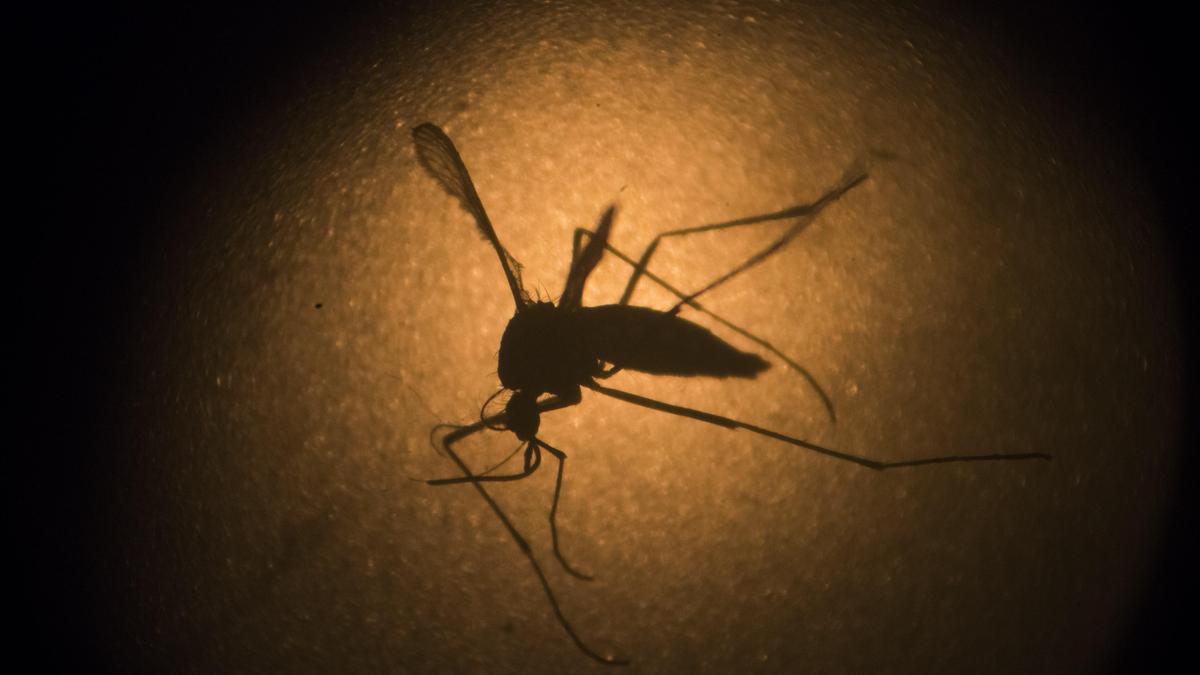
Climate change also adds to the challenge. The spread of Anopheles stephensi, a mosquito species adapted to urban environments, along with changing climatic conditions, could accelerate transmission.

Need for stronger surveillance and strategies

Despite the threat posed by resistance, ACTs continue to be recommended by the WHO and India’s national guidelines as first-line treatment for uncomplicated malaria. Severe malaria is treated with intravenous artesunate followed by oral ACTs.

Experts said newer drug combinations and alternative treatment strategies were being evaluated in response to evolving resistance patterns.

For severe malaria, intravenous artesunate remains the preferred standard of care. For uncomplicated P. vivax malaria, chloroquine and primaquine continue to be widely used. Primaquine is particularly important because it targets hypnozoites , dormant forms of the parasite in the liver that can trigger relapses.

Future approaches may involve rotating different first-line therapies across regions and employing triple ACT combinations, which pair artemisinin with two partner drugs, thereby making it more difficult for parasites to overcome treatment. Approved malaria vaccines are also being introduced in high-risk regions as part of broader control strategies.

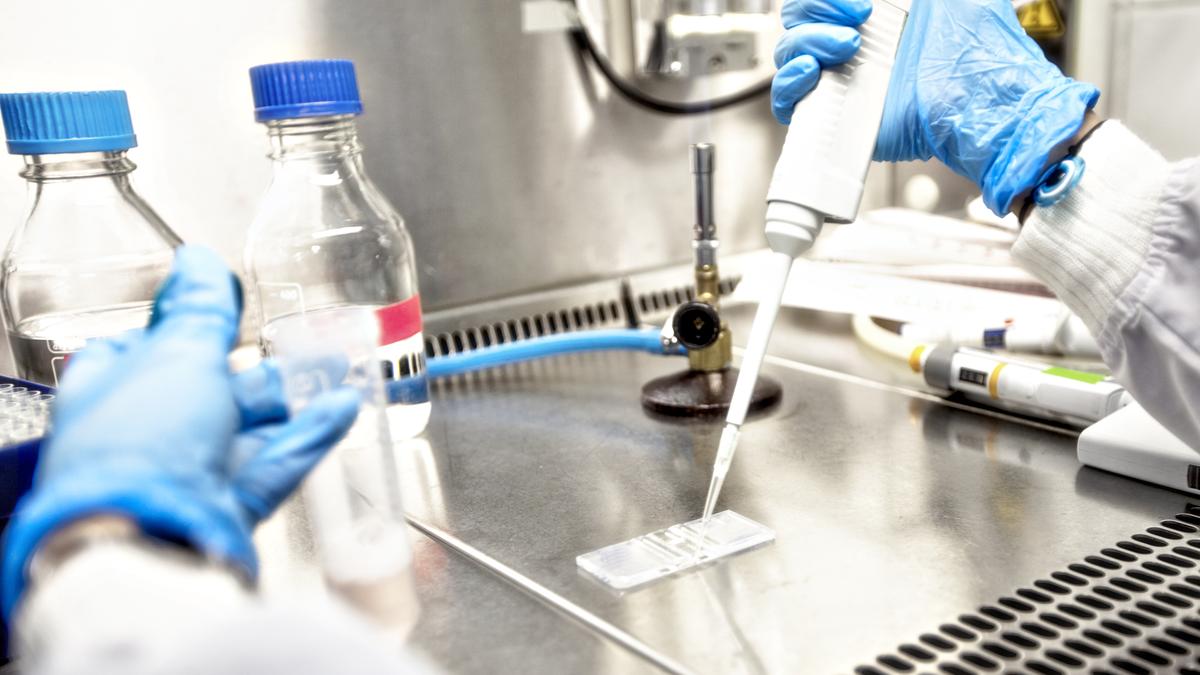
Surveillance would be central to containing resistance. Routine therapeutic efficacy studies and molecular surveillance to detect K13 mutations, along with monitoring insecticide resistance, are becoming increasingly important.

Operational surveillance and India’s test-track-treat strategy had been key to managing local outbreaks. Experts also underscored the importance of early diagnosis, prompt treatment, insecticide-treated bed nets, indoor residual spraying and community awareness programmes.

Research priorities include the development of next-generation anti-malarial drugs with mechanisms different from those of artemisinin and continued efforts to develop vaccines. Ensuring the quality of medicines and sustaining investments in community health worker networks will also be critical, particularly as the remaining pockets of transmission are concentrated in hard-to-reach regions.

With India aiming to eliminate malaria by 2030 and the global burden showing signs of resurgence, experts say sustained vigilance and innovation will be essential to prevent drug resistance from eroding decades of progress.

Published – June 17, 2026 04:25 pm IST


Source link

Science Tags:antimalarial resistance, antimicrobial resistance, malaria transmission, malaria treatment and management

Post navigation

Previous Post: Attack on Youth Congress activists: SIT approaches Kerala HC against anticipatory bail granted to accused police personnel
Next Post: G7 leaders back Ukraine, plan greater pressure on Russia

Related Posts

  • The Science Quiz | The solar cycle
    The Science Quiz | The solar cycle Science
  • Daily Quiz: On earthquakes – The Hindu
    Daily Quiz: On earthquakes – The Hindu Science
  • Can large landslides be remotely detected in real-time?
    Can large landslides be remotely detected in real-time? Science
  • IIT Roorkee uses bacterial enzymes to degrade plasticizers
    IIT Roorkee uses bacterial enzymes to degrade plasticizers Science
  • Scientists are working on a way to detect cancer with ultrasound waves
    Scientists are working on a way to detect cancer with ultrasound waves Science
  • When a DNA analysis reveals a closely guarded family secret…
    When a DNA analysis reveals a closely guarded family secret… Science

More Related Articles

Science quiz: 110 years of general relativity Science quiz: 110 years of general relativity Science
Building blocks of life found in samples from asteroid Bennu Building blocks of life found in samples from asteroid Bennu Science
Trump is pulling the US out of the UN FCCC. What does it mean? Trump is pulling the US out of the UN FCCC. What does it mean? Science
Goa scientists find 50,000-year-old magnetic fossils in Bay of Bengal Goa scientists find 50,000-year-old magnetic fossils in Bay of Bengal Science
Does research strengthen teaching? – The Hindu Does research strengthen teaching? – The Hindu Science
Breakthrough Prizes 2024 winners include innovative cancer treatment Breakthrough Prizes 2024 winners include innovative cancer treatment Science
SiteLock

Archives

  • September 2026
  • August 2026
  • July 2026
  • June 2026
  • May 2026
  • April 2026
  • March 2026
  • February 2026
  • January 2026
  • December 2025
  • November 2025
  • October 2025
  • September 2025
  • August 2025
  • July 2025
  • June 2025
  • May 2025
  • April 2025
  • March 2025
  • February 2025
  • January 2025
  • December 2024
  • November 2024
  • October 2024
  • September 2024
  • August 2024
  • July 2024
  • June 2024
  • May 2024
  • April 2024
  • March 2024
  • February 2024
  • January 2024
  • December 2023
  • November 2023
  • October 2023
  • September 2023
  • August 2023
  • July 2023
  • June 2023
  • May 2023
  • April 2023
  • March 2023
  • February 2023
  • January 2023
  • December 2022
  • November 2022
  • October 2022
  • September 2022
  • August 2022
  • July 2022
  • June 2022
  • May 2022

Categories

  • Business
  • Nation
  • Science
  • Sports
  • World

Recent Posts

  • Three killed, one critically injured after speeding BMW crashes on Mumbai Coastal Road
  • Battle lines in the boardroom | Tata Sons
  • Donald Trump seeks to bring health-research funding under his control, Politico reports
  • Residents want dislodged railings along tracks on GST Road in East Tambaram fixed and opening on Sudhanandha Bharati Salai closed
  • The Hindu Foundation Day: revisiting the journey

Recent Comments

  1. PhilipLog on UP Teacher Who Asked Students To Slap Muslim Classmate
  2. DennisDum on UP Teacher Who Asked Students To Slap Muslim Classmate
  3. DonaldFrosy on UP Teacher Who Asked Students To Slap Muslim Classmate
  4. DonaldFrosy on UP Teacher Who Asked Students To Slap Muslim Classmate
  5. YWgliuZUXRuWYumGOFzzpY on UP Teacher Who Asked Students To Slap Muslim Classmate
  • Taiwanese Woman Hides Father’s Body To Claim His Rs 1.2 Lakh Monthly Pension
    Taiwanese Woman Hides Father’s Body To Claim His Rs 1.2 Lakh Monthly Pension World
  • What’s North Korea Up To?
    What’s North Korea Up To? World
  • Supreme Court turns to Gen Z, Gen Alpha to educate elders on solid waste management
    Supreme Court turns to Gen Z, Gen Alpha to educate elders on solid waste management Nation
  • Aid group halts food delivery in Gaza after Israeli strike kills seven workers
    Aid group halts food delivery in Gaza after Israeli strike kills seven workers World
  • Access Denied
    Access Denied Nation
  • Visa-Free Travel Agreement Likely Between Russia And India By 2024-End: Report
    Visa-Free Travel Agreement Likely Between Russia And India By 2024-End: Report World
  • Russian Journalist Arrested Over Making Videos For Alexei Navalny: Report
    Russian Journalist Arrested Over Making Videos For Alexei Navalny: Report World
  • Teen McDonald’s Worker Left With Fractured Skull After Customer Stomps On Her Head
    Teen McDonald’s Worker Left With Fractured Skull After Customer Stomps On Her Head World

Editor-in-Chief:
Mohammad Ariff,
MSW, MAJMC, BSW, DTL, CTS, CNM, CCR, CAL, RSL, ASOC.
editor@artifex.news

Associate Editors:
1. Zenellis R. Tuba,
zenelis@artifex.news
2. Haris Daniyel
daniyel@artifex.news

Photograher:
Rohan Das
rohan@artifex.news

Artifex.News offers Online Paid Internships to college students from India and Abroad. Interns will get a PRESS CARD and other online offers.
Send your CV (Subjectline: Paid Internship) to internship@artifex.news

Links:
Associate Journalism
About Us
Privacy Policy

News Links:
Breaking News
World
Nation
Sports
Business
Entertainment
Lifestyle

Registered Office:
72/A, Elliot Road, Kolkata - 700016
Tel: 033-22277777, 033-22172217
Email: office@artifex.news

Editorial Office / News Desk:
No. 13, Mezzanine Floor, Esplanade Metro Rail Station,
12 J. L. Nehru Road, Kolkata - 700069.
(Entry from Gate No. 5)
Tel: 033-46011099, 033-46046046
Email: editor@artifex.news

Copyright © 2023 Artifex.News Newsportal designed by Artifex Infotech.