



The Cuban healthcare and biotechnology sectors — crown jewels of the country’s revolution — today find themselves at breaking point thanks to the U.S. campaign of economic strangulation, which has moved beyond trade restrictions to a direct assault on human services. Washington has also intensified pressure on the Global South to dismantle Cuban medical missions, calling their humanitarian work “forced labour”, a claim Havana has rejected as a pretext to starve the nation of its remaining foreign income.
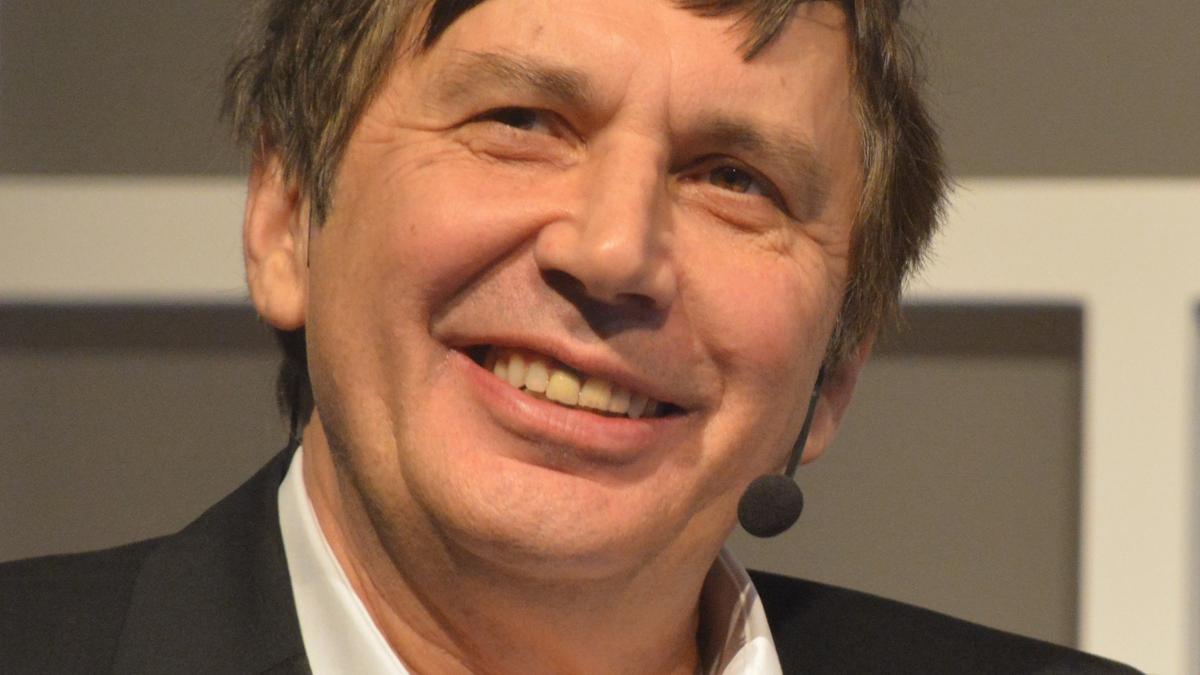
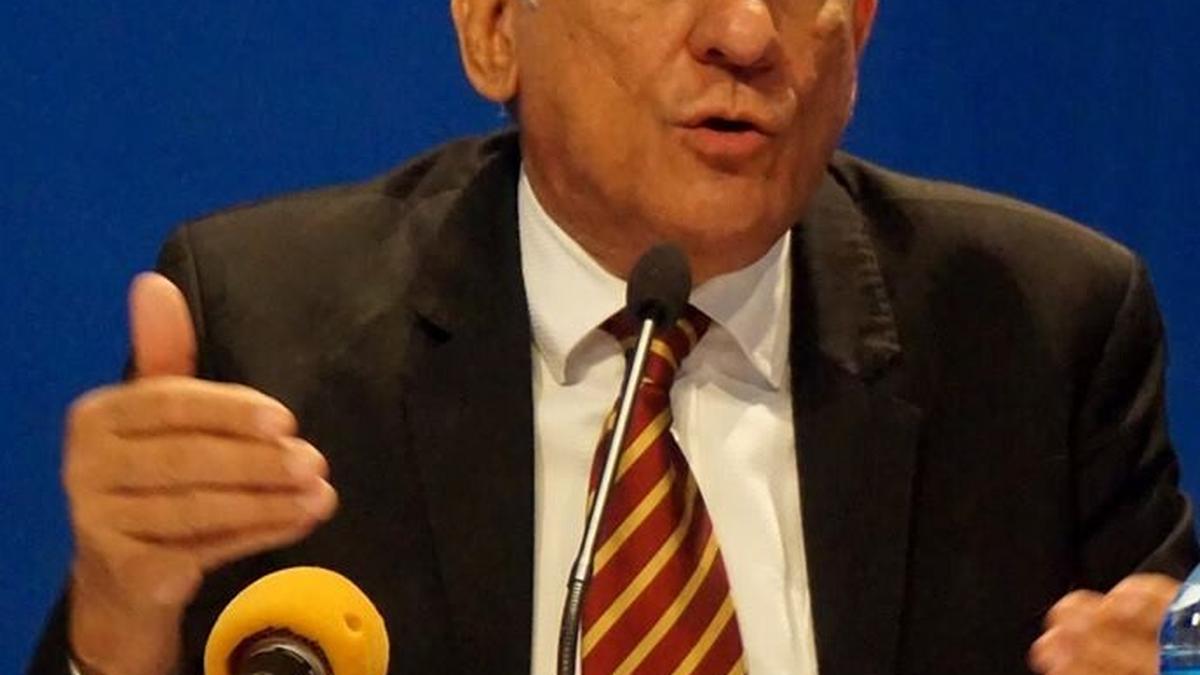
Thus, for the first time in decades, the island’s renowned health indicators are wavering, and its factories are often paralysed by power cuts and resource shortages. Navigating this intersection of high-level science and survival is Mitchell Valdes-Sosa, General Director of the Cuban Center for Neuroscience and a member emeritus of the Cuban Academy of Sciences. Dr. Valdes-Sosa is one of the architects of Cuba’s biotechnological strategy and an advisor to the Minister of Science. He recently answered questions from The Hindu about how his country and compatriots are negotiating the crisis.
Washington DC has intensified its campaign to discredit Cuba’s medical internationalism. How is the Cuban administration responding to this attempt to stifle the export of professional services? What steps are being taken to protect the nation’s biotechnological sovereignty and the global reach of the Henry Reeve Brigades?

The United States is trying to scare countries into not collaborating with Cuba. Cuba has had doctors in over 62 countries, always serving areas that have little access to medical services, underserved areas. And the people of many countries really appreciate this help from Cuba. But the United States has said that if any health official in any country hires Cuban doctors, they will sanction them and sanction their families. And several countries have buckled under this. They’ve fallen prey to this pressure. The United States says there’s forced labor, which is false. Doctors that go from Cuba, that go abroad, have higher salaries than doctors in Cuba. And most of them, I’d say the vast majority, agree to this kind of work because that is a source of income for buying supplies for Cuban hospitals. So the real reason is the United States, who has benefited from sweatshops and cheap labor and exploitation around the world
.The real reason the United States wants to disrupt this international collaboration is that it is a source of income to Cuba and the US government policy is to systematically cut off any source of income to starve the country into submission. And the second reason is that this international collaboration in the field of medicine has won many admirers around the world, including Cuba’s friends. And it’s a form of noble diplomacy, not the gunboat or the military threat-based diplomacy, the diplomacy of the United States. It’s a form of diplomacy based on humanitarian actions. And this is something that has won many friends for Cuba and the world. They want to destroy that too. So Cuba will keep on offering its medical services.
Countries in the global south must resist U.S. pressures because this is an intervention, it’s an intervention into Cuba’s, into many countries’ internal affairs. So the United States, we cannot admit that the United States dictate the internal policies of countries and sacrifice the health of the people that were benefiting from the Cuban medical brigades just to satisfy their strategic goal of crushing Cuba and starving Cuba. Biotechnology and pharmacy is also under assault. Cuba produces medicines for its people at subsidised prices, over 360 medicines, the basic medicines required by the World Health Organization for any country, are produced at extremely low prices because the goal of the pharmaceutical and biotechnological industry in Cuba is not to grow rich, it’s not to have executives that win millions of dollars, it’s to have medicine reach everyone. And Cuba has developed at light speed vaccines, for example, against COVID, managed to vaccinate 98% of its population and This saved uncountable lives. Cuba has the lowest death rate due to COVID all over the Western Hemisphere, including the very rich and powerful United States.
The United States simply can’t stand for this. They can’t stand this. They really would like to see Cuba’s pharmaceutical industry and biotechnology industries affected. Because on the one hand, it would contribute to a deterioration of social conditions and create suffering in the Cuban population. And the second reason is they do not conceive of a pharmaceutical industry, a biotechnological industry that is not for profit as the main goal. So Cuba’s example is something they cannot stand. So we’re resisting and we’re in first place making the green transition in the biotech industry and in the pharmaceutical industry. We’re optimising production strategies. And we’re increasing collaboration with other countries, especially the Global South, especially the BRICS countries. And through international collaboration and making an optimal use of the resources we do have in Cuba, we’re struggling to keep the pharmaceutical industry, the biotechnological industry of Cuba, functioning and at the service of its people.
 The new General Law defines science as a “public good at the service of socialism” but also highlights the need for institutional “innovation management”. How do you see this law balancing the need for state-directed strategic priorities like food sovereignty with the intellectual autonomy required for high-level biotech breakthroughs?
Yes, Cuba is now reforming its economy and is restructuring many things to make our country more efficient and to be able to meet the requirements of this new era of world development. Cuba is opening parts of its economy to the private sector and in the field of biotechnology and of neurotechnology and of other services, it’s developing a state, a private company arrangement. For example, the care of old people has been decentralised and they’re now cooperatives or private companies that are providing services for elderly people, which Cuba has a problem with. It’s a problem created by the success of its health system and social policies. Cubans are living much longer than before, and our demographic pyramid is inverted now because less children are being born, due to changes in civilisation and the development of the country. This is happening all over the world, but people are living longer.
But the basic and most important factors of the biotech and pharmaceutical industry are state-owned. They will increasingly collaborate with the private sector, with external investors. But the Cuban strategy is to operate in the production of medicines and in the production of pharmaceutical products and biotechnological products is to work with a scheme where the important thing is not to make a lot of money. But the problem is to reach everyone and to make it affordable. It’s incredible that in the United States, medicines are so expensive, even compared with Europe. And the reason behind this is the whole philosophy is not saving lives. The philosophy is making as much money as possible.
The intellectual autonomy, which is very important in science and biotech innovation, was fostered by Fidel Castro’s decision when he started promoting and directly intervening in the creation of new scientific centers with their factories. The basic idea was to give these centres maximum autonomy. And the biotech sector in Cuba, which is grouped in the organisation called BioCuba Pharma, is the most successful example of a decentralised organisation of companies, autonomy to make their strategic and tactical plans, the ability to import and export directly with no intermediate entities. All these things were ideas that Fidel put into practice for the first time in Cuba with this large, very large degree of autonomy and independence. And that had a very positive effect on the generation of new knowledge and the rapid generation of new products.
This biotech centre, which is, as I said, grouped in BioCuba Pharma, has over 36 units and more than 20 joint ventures or joint laboratories across the world. Thirty-six units in Cuba and a large number of these centers of joint ventures and joint centers abroad. And they were created with the idea of what we call in Cuba, full cycle. In other words, the same center does basic research, applied research, and translational work. has production facilities, development and production facilities, and its own commercial company. And this was a departure of, let’s say, the traditional organisation of socialist countries’ economy. And it was the innovative thinking of Fidel Castro who experimented with this and led to the development of biotechnology in Cuba. The biotechnology in Cuba is a success story. It exports to over 20 countries. It has joint ventures and manufactures. For example, the first monoclonal antibody factory in China for treating cancer was developed with Cuban technology. And it was created as a joint venture between a Chinese company and a Cuban company.
This autonomy combined with the idea of public service has been the guiding ideas in the development of Cuban biotechnology.
Following discussions at BioHabana 2026 last month, how is the industry prioritising which molecules to move into clinical trials given the current scarcity of imported reagents and active pharmaceutical ingredients?
Cuba is developing treatments for oncology, for diabetes, and also for neurodegenerative diseases. For example, for Alzheimer’s disease, stroke. And there is a lot of trouble because there’s a scarcity of resources. Because as I said, the United States has been systematically trying to cut off any source of foreign income to Cuba. They’re scaring off tourism, scaring out foreign investment, attacking the Cuban medical brigades and international brigades. Anything that is a source of income to Cuba, the United States has targeted and tried to cut it off. So we have accepted this challenge because we need all these new treatments. In the first place, for the benefit of our population. In the second place, for the benefit of the world population.
One of the things we’re doing is concentrating resources. That’s one thing. Trying to prioritise those projects that have the highest probability of success. But the second aspect we’re doing is we’re intensifying all efforts for international collaboration. We’ve established with many countries joint research calls where the project is funded by each country in its own territory, but the projects are prepared together. They’re put together by scientists from the two countries that are in this arrangement. And then the results are shared. And Cuba’s now also creating joint research labs or joint research centres in other countries. And this is a way of, despite the difficulties, having all the science that Cuba has developed, have all the science progress and reach final clinical stages so they can help people.
Things have become very difficult, but despite this, Cuban scientists keep on working with many hardships, and the international program we’re developing of collaboration is going to help us overcome some of these difficulties.
The 2026 National Science System pivot emphasises the ‘One Health’ approach, bridging human medicine with agricultural biotechnology. Given the severe food shortages today, are we seeing a temporary diversion of biotech talent and resources away from human oncology and towards bio-fertilizers and transgenic seeds?
It’s true that the Cuban national science system emphasises One Health. This is important. But this is not a diversion of biotech talents and resources away from, let’s say, human oncology or other diseases. Because from the very moment the center was created, for example, the Center for Genetic Engineering and Biotechnology, From the very first moment, Fidel Castro asked this center to have two divisions. One is health and the other is biotechnology for agriculture and for animal health and food production. So there’s really no competition because for over 30 years, these have been two pillars of the work of the Center for Genetic Engineering. But also, from the very beginning of scientific development, well, Fidel created in 1965 the National Research Center. And this National Research Center was a nursery where other centers were incubated. All of the big centres now, like the Center for Genetic Engineering, the Center for Drug Development, the Center for Vaccine Development, the Center for Neuroscience, my centre — all of these centres branched off from the National Research Center.
But the very first center that branched off from this incubator was the National Center for Scientific Research. And Cuba created a university in the agriculture part of Havana. And it created a scientific pole of several centres dedicated to agriculture and to animal science. It even created a university of agriculture studies in the same territory. So this is an ecosystem with a university and several research centres.
This has become increasingly important for Cuba because Cuba has to produce more food, and has to have food security. And things that have been done is, for example, developing transgenic variants of corn and of soybeans. And the Center for Genetic Engineering of Cuba is working very closely with the Ministry of Agriculture and with the agricultural sector of Cuba, trying to introduce better strains of different strains plants for food production. So I say there’s not a competition. It’s been, I think, cooperation. It’s complementary.
From the very beginning of Cuban biotechnology, the idea that there would be a branch dedicated to food security is important. And the One Health approach is important because as we saw with COVID, and as we see with other diseases, the barrier between humans and other animals is very tenuous. It’s very easy to jump. And the idea of working with this One Health approach is very important and it’s a must. But I repeat, this is something which fits in not only to the last few years, but to the whole strategy since Cuban biotechnology began.
Survival rates for childhood cancers in Cuba have reportedly dropped from 80% to 65% due to supply shortages in early 2026. As a scientist, how do you navigate the ethical challenge of having the intellectual know-how to produce world-class treatments, but lacking the resources due to the current energy and supply blockade?
Cuba has had one of the best indicators for child health for many years. For example, Cuban infant mortality for over a decade was below five per thousand children, which is very good, even better than the U.S. However, all health indicators are suffering from the intense blockade because there are power cuts due to no electricity. The United States has blocked entry of oil to Cuba. This is severe. Childhood cancer survival has dropped from 80% to 65%. And I was talking about the health indicators. 5.5 infant mortality rate, you know, 5.5 per 1,000. It’s now near 10. It’s still better than many countries in the world, most countries in the world. But all these are indicators that the system is, the health system of Cuba is struggling. It’s struggling and is having a lot of difficulties.
We do have the intellectual know-how to produce world-class treatments. And we do have the industrial know-how. Cuba has been an example of translating the results of scientific research into practical impacts. I’ll repeat, Cuba developed three vaccines against COVID, three COVID vaccines in less than a year and a half. and they were mass produced and all the Cuban population was vaccinated, almost all the population. And this had a tremendous positive effect on mortality by COVID infection because it’s the lowest of the whole continent, the whole hemisphere, Western hemisphere. However, all this is suffering now because it’s difficult to get supplies. Energy is not in a stable supply. We have blackouts. And this has to necessarily affect how the hospitals are working, how the factories to produce medicines are working.
The United States is a bully. The moment anybody does business with Cuba, they try to scare them off. We have examples of very expensive equipment we bought from European countries, and then after a number of years, [experts from the countries] said, we can’t sell you spare parts because we’re afraid of U.S. sanctions. It’s illegal because the European Union does not recognise the U.S. sanctions. They can’t be extraterritorial. U.S. law cannot apply in Europe. But the individual companies are scared. So this is, as I said before, and I’ll repeat, this is an attempt to starve Cuba almost to death. So they’re trying to force us to submit to their policies and whatever they want. And this is not going to happen. Cuba will not submit to the U.S. and will keep its independence — as we’ve shown in the U.S.-sponsored invasion in Playa Girón, which the U.S. calls the Bay of Pigs invasion, which was defeated in less than a few days. So Cuba will not surrender.
I think the international scientific community can help with several things. First, it should express condemnation, its anger against these inhumane and brutal policies of the U.S. against Cuba. Because all the scientists I speak with, American, European, Asian, African, South American, believe this is a horrible thing that the U.S. is doing to Cuba. So the first thing we would ask of the scientific community is to speak out, pressure your governments, do not be scared off due to the U.S. menace because the world has to react. The second thing is that we need international collaboration. Things that we may not be able to finish in Cuba because of the lack of supplies, the power cuts, but that are very advanced, and it’s a shame that they cannot be used to better patients’ lives. Well, these research projects could be taken to the end by international collaboration. So the second thing we would ask of the international community is to promote agreements, like for example, joint calls for scientific research, exchange of idea information, and something we’re doing more and more, which is the creation of joint research labs. So we could take advantage, Cuban scientists could take advantage of the possibilities, the infrastructure, and the knowledge that exists in other countries. I think the international community can do a lot to help Cuba.