



Skip to content
  • Facebook
  • X
  • Linkedin
  • WhatsApp
  • YouTube
  • Associate Journalism
  • About Us
  • Privacy Policy
  • 033-46046046
  • editor@artifex.news
Artifex.News

Artifex.News

Stay Connected. Stay Informed.

  • Breaking News
  • World
  • Nation
  • Sports
  • Business
  • Science
  • Entertainment
  • Lifestyle
  • Toggle search form
  • Michael Vaughan Names 2 Stars Who Can ‘Limit Joe Root’s Output’. One Is From India
    Michael Vaughan Names 2 Stars Who Can ‘Limit Joe Root’s Output’. One Is From India Sports
  • PM Modi in Norway: PM Modi calls for peaceful resolution of conflicts in West Asia and Ukraine
    PM Modi in Norway: PM Modi calls for peaceful resolution of conflicts in West Asia and Ukraine Nation
  • Man On How His Los Angeles Mansion Survived Fire
    Man On How His Los Angeles Mansion Survived Fire World
  • Women’s Premier League | Chaffing at its last-place finish Giants opt for wholesale changes
    Women’s Premier League | Chaffing at its last-place finish Giants opt for wholesale changes Sports
  • Manish Sisodia Recounts Time After Arrest
    Manish Sisodia Recounts Time After Arrest Nation
  • Olympics 2024: Aiming For First Olympic Medal, India Archer Deepika Kumari Reveals Chances
    Olympics 2024: Aiming For First Olympic Medal, India Archer Deepika Kumari Reveals Chances Sports
  • When war feels next door
    When war feels next door World
  • Access Denied
    Access Denied Nation
The holy trinity of cancer care: biochemistry, microbiology and pathology

The holy trinity of cancer care: biochemistry, microbiology and pathology

Posted on February 6, 2026 By admin


The role of biochemistry

Cancer originates at the genetic micro-molecular level within a cell — resulting in a cascade of subtle biochemical and cellular abnormalities that escape internal patrol — and eventually manifests as a detectable disease. Onco-biochemistry involves quantifying tumour markers, enzymes, hormones and metabolites in blood and body fluids for diagnosis, prognosis and monitoring treatment response or resistance. Clinical biochemists monitor the chemical signature of cancer and the body’s systemic response to treatment. They determine the baseline biochemical parameters in a cancer patient and any reversal of these chemical signals as a result of cancer treatment.

Tumour markers such as prostate specific antigen (PSA), cancer antigen‑125 (CA‑125) and carcinoembryonic antigen (CEA) can flag prostate, ovarian and colon cancers even before symptoms appear. Enzyme tests such as lactate dehydrogenase (LDH) and Beta2M give an idea of the overall cancer burden. Protein electrophoresis, a test that separates blood proteins, can reveal a distinct “M‑spike” that helps diagnose multiple myeloma. Subsequently, the down-trending of these values reveals whether treatment is working, before a radiological scan can capture the changes.

Advanced biochemical techniques such as serum-free light chain assays allow the treating oncologist to detect even tiny amounts of remaining cancer cells that could trigger a relapse. Measuring therapeutic drug levels in blood allows precise and safe dosing. Baseline and periodic liver function tests and kidney function blood tests reveal the trend of systemic response. Clinical biochemists are the first to spot cancer related life-threatening complications such as tumour lysis syndrome and hypercalcemia of malignancy. In the high-risk environment of a bone marrow transplant, biochemistry provides the “dashboard” for recovery by monitoring rejection and electrolyte homeostasis.

How oncopathology works
| Photo Credit:
Special Arrangement

What microbiology does

Microbiologists play a significant role in the management of cancer patients. Approximately 20% of cancers are caused by microbes: viruses and bacteria. Viruses including the human papillomavirus, hepatitis B virus, hepatitis C virus, Epstein-Barr virus, Kaposi’s sarcoma-associated herpesvirus andHuman T-lymphotropic Virus-1 all cause cancer. Bacteria such as Helicobacter pylori are associated with stomach cancer. Early detection of these microbes and treatment of the infection caused may help in prevention.

Additionally, cancer treatment weakens the immunity of patients and renders them susceptible to life-threatening opportunistic infections. Microbiologists use advanced detection techniques such as BACTALERT 3D/240 (blood microbe culture system), MALDI TOF (matrix‑assisted laser desorption ionisation time‑of‑flight) for rapid and accurate detection of the culprit microbes and to identify the specific antimicrobial agents (drugs) needed to treat the infection. Early detection, therefore, supports rational antibiotic use, de-escalation of antibiotic therapy and antibiotic stewardship. Cumulatively, these advanced microbiological diagnostic techniques prevent the emergence of antimicrobial resistant microbes and impact countless lives.

How pathology works

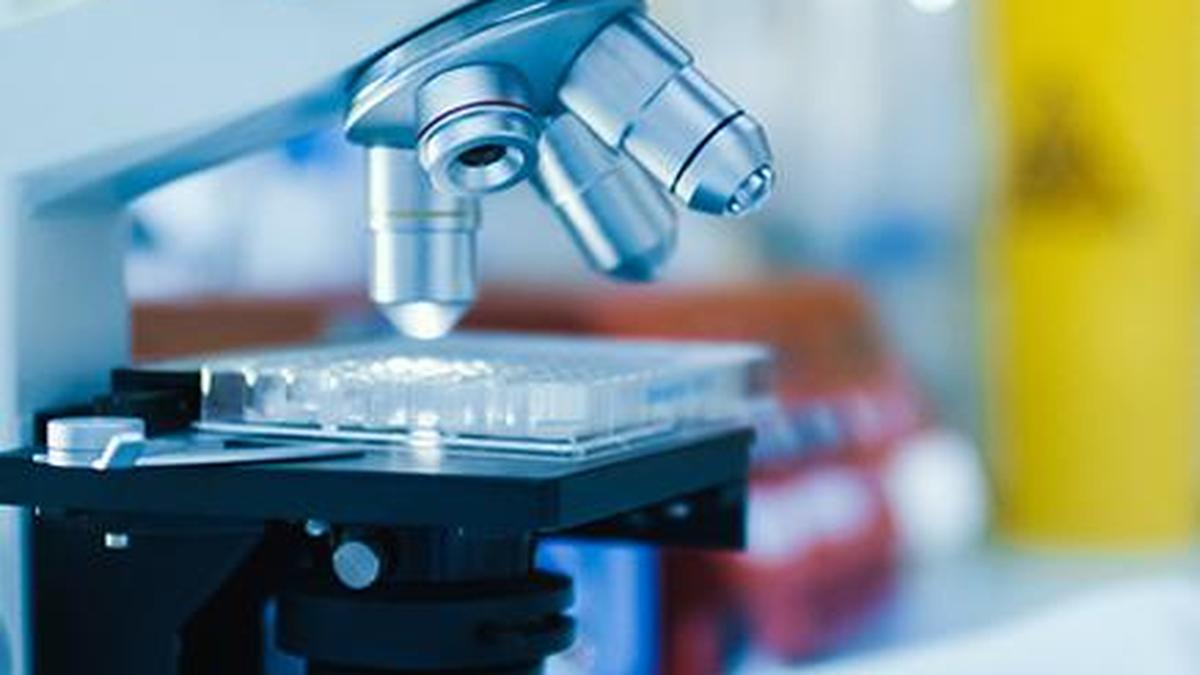
“Is it cancer or not?” That’s what a pathologist, examining biopsies under the microscope, determines. The exact type and grade of cancer, along with molecular information (gene changes and protein markers) that guide targeted drugs and immunotherapy, can all be found.

Traditionally, pathologists have been able to diagnose diseases by studying the gross abnormalities seen in the diseased organs followed by structured sampling of the organ under the microscope with up to 1,000 times amplification. The molecular revolution has led to a paradigm shift in the way pathology related to the diagnosis of cancer is practised. Modern cancer pathologists (oncopathologists) are able to detect root cause changes at the molecular level. They not only confirm the diagnosis of cancer but also provide highly accurate characterisation of the type of cancer based on cytology, histomorphology, karyotyping, immunohistochemistry, flow cytometry, fluorescence in situ hybridization (FISH), polymerase chain reaction and next generation sequencing. Oncopathologists provide a comprehensive final diagnosis of cancer by integrating the morpho-molecular subtype and grade of cancer with its stage, by clinico-radiological correlation.

Molecular profiling of cancers has become the cornerstone for the practice of personalised cancer medicine. With the emergence, and subsequent drop in costs of cutting-edge technologies such as whole genome sequencing, and the availability of AI tools to analyse the huge amounts of data generated, oncopathologists can diagnose and predict the emergence of human cancers from their inception through various stages of development and spread.

Oncopathologists also play a major role in cancer screening and prevention through identification of precancerous lesions in Pap smears, endometrial biopsies of the uterus, colon polyps and the study of other precancerous oral and skin lesions. They provide real-time, intraoperative consultations (termed ‘frozen section’) to operating surgeon and guide the surgical boundaries of tumour excision to ensure complete tumour removal.

The emergence and availability of various biomarkers have helped oncopathologists guide precision treatment. They play a pivotal role in monitoring the response of a patient to cancer treatment too. Not only do they diagnose minimal residual disease and help confirm remission, they also enable treating clinicians to plan further treatment type and duration by detecting early relapse (recurrence) of cancer, while also helping detect the emergence of drug resistance mechanisms and suggesting alternative treatment strategies.

Biochemistry, microbiology and pathology are the eyes that see the unseen world of cancer care. They quietly do the heavy lifting behind the scenes, from early detection, safe personalised treatment, to monitoring of long‑term survival and hope.

(Dr. Shirley Sundersingh is head, department of oncopathology, Cancer Institute (WIA) drshirleysundersingh@gmail.com; Dr. Thuthi Mohan is head, department of clinical biochemistry Cancer Institute (WIA) drthuthimohan@cancerinstitutewia.org; Dr R. Packia Nancy is head, department of microbiology, Cancer Institute (WIA) p.nancy@cancerinstitutewia.org)

Published – February 06, 2026 10:58 am IST



Source link

Science

Post navigation

Previous Post: Access Denied
Next Post: Kashmir will become a part of Pakistan: Shehbaz Sharif tells PoK Assembly

Related Posts

  • Do songbirds socialise during migration?
    Do songbirds socialise during migration? Science
  • What is the Minor Planet Centre?
    What is the Minor Planet Centre? Science
  • ‘Loose connection’ prevented NVS-02 satellite from landing in intended orbit, says panel
    ‘Loose connection’ prevented NVS-02 satellite from landing in intended orbit, says panel Science
  • High costs, poor training deepen India’s stinging snakebite toll
    High costs, poor training deepen India’s stinging snakebite toll Science
  • Oceansat-3A likely to be launched by year-end, says NRSC Director
    Oceansat-3A likely to be launched by year-end, says NRSC Director Science
  • What goes on behind the screen when you pay through UPI? | Explained
    What goes on behind the screen when you pay through UPI? | Explained Science

More Related Articles

Scientists test menstrual products with blood for the first time, and find surprises Scientists test menstrual products with blood for the first time, and find surprises Science
Scientists turn E. coli bacteria into a mercury sensor Scientists turn E. coli bacteria into a mercury sensor Science
Doomsday Clock is 85 seconds to midnight Doomsday Clock is 85 seconds to midnight Science
Dyson sphere: an energy devourer Dyson sphere: an energy devourer Science
Google’s new AI model offers new pathway in cancer drug research Google’s new AI model offers new pathway in cancer drug research Science
Sex differences don’t disappear as a country’s equality develops: study Sex differences don’t disappear as a country’s equality develops: study Science
SiteLock

Archives

  • September 2026
  • August 2026
  • July 2026
  • June 2026
  • May 2026
  • April 2026
  • March 2026
  • February 2026
  • January 2026
  • December 2025
  • November 2025
  • October 2025
  • September 2025
  • August 2025
  • July 2025
  • June 2025
  • May 2025
  • April 2025
  • March 2025
  • February 2025
  • January 2025
  • December 2024
  • November 2024
  • October 2024
  • September 2024
  • August 2024
  • July 2024
  • June 2024
  • May 2024
  • April 2024
  • March 2024
  • February 2024
  • January 2024
  • December 2023
  • November 2023
  • October 2023
  • September 2023
  • August 2023
  • July 2023
  • June 2023
  • May 2023
  • April 2023
  • March 2023
  • February 2023
  • January 2023
  • December 2022
  • November 2022
  • October 2022
  • September 2022
  • August 2022
  • July 2022
  • June 2022
  • May 2022

Categories

  • Business
  • Nation
  • Science
  • Sports
  • World

Recent Posts

  • Apartments, gated communities reel under water crisis; Dependency on tankers increases
  • Russia reports mass cyberattacks targeting elections
  • Israeli settler killed in West Bank, suspect arrested
  • Number of drought-hit taluks in Karnataka may cross 200
  • OFC menace persists in Bengaluru as new GBA regulations remain pending

Recent Comments

  1. Frankenrib on UP Teacher Who Asked Students To Slap Muslim Classmate
  2. Frankenrib on UP Teacher Who Asked Students To Slap Muslim Classmate
  3. Anthonylop on UP Teacher Who Asked Students To Slap Muslim Classmate
  4. Anthonylop on UP Teacher Who Asked Students To Slap Muslim Classmate
  5. TimmyMEs on UP Teacher Who Asked Students To Slap Muslim Classmate
  • School academic calendar nearly finalised
    School academic calendar nearly finalised Nation
  • Access Denied World
  • State Chief To Party Workers
    State Chief To Party Workers Nation
  • Denied Food, Drunk Driver Rams Truck Into Hotel In Pune
    Denied Food, Drunk Driver Rams Truck Into Hotel In Pune Nation
  • Myanmar junta to free 5,864 prisoners under amnesty
    Myanmar junta to free 5,864 prisoners under amnesty World
  • Mundra Port Celebrates 25 Years Of Stellar Operations, Unparalleled Growth
    Mundra Port Celebrates 25 Years Of Stellar Operations, Unparalleled Growth Nation
  • Access Denied World
  • Does India have enough skilled workers to make more vehicles? Explained
    Does India have enough skilled workers to make more vehicles? Explained Business

Editor-in-Chief:
Mohammad Ariff,
MSW, MAJMC, BSW, DTL, CTS, CNM, CCR, CAL, RSL, ASOC.
editor@artifex.news

Associate Editors:
1. Zenellis R. Tuba,
zenelis@artifex.news
2. Haris Daniyel
daniyel@artifex.news

Photograher:
Rohan Das
rohan@artifex.news

Artifex.News offers Online Paid Internships to college students from India and Abroad. Interns will get a PRESS CARD and other online offers.
Send your CV (Subjectline: Paid Internship) to internship@artifex.news

Links:
Associate Journalism
About Us
Privacy Policy

News Links:
Breaking News
World
Nation
Sports
Business
Entertainment
Lifestyle

Registered Office:
72/A, Elliot Road, Kolkata - 700016
Tel: 033-22277777, 033-22172217
Email: office@artifex.news

Editorial Office / News Desk:
No. 13, Mezzanine Floor, Esplanade Metro Rail Station,
12 J. L. Nehru Road, Kolkata - 700069.
(Entry from Gate No. 5)
Tel: 033-46011099, 033-46046046
Email: editor@artifex.news

Copyright © 2023 Artifex.News Newsportal designed by Artifex Infotech.