





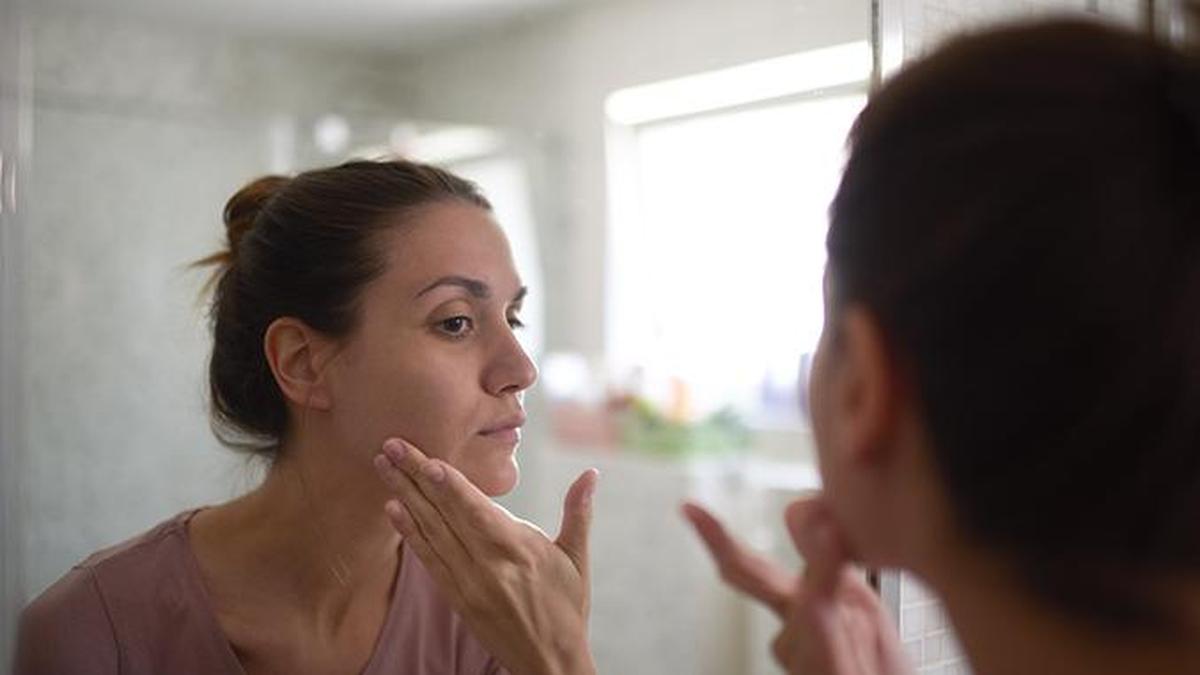
The skin is the largest organ of the human body, and perhaps the only one that universally receives the most care and attention. We cleanse it daily with branded cleansers and soaps; moisturise it with exotic, fragrant creams and lotions; and protect it with sunscreens that promise high SPFs.
Skincare, in 2025, is a booming market valued at $192.8 billion. With more people seeking skincare-enhanced appearances, the market is projected to reach $432.1 billion by 2035. Although demand for natural and organic skincare is rising, its market concentration is low ($14.09 billion).
With much of the skincare industry still dominated by affordable synthetic skincare, and with a rising number of ‘radiant skin’ seekers, a silent threat lurks among users: disturbance of the skin ecosystem.
Human skin & microorganisms
An adult’s skin, with hair follicles and ducts for oil and sweat, has a surface area of at least 30 m². This exceeds the floor area of some homes in Tokyo, Japan, where space can be as little as 8–15 m². Dwelling in the expansive skin space are diverse microorganisms—bacteria, fungi, mites, and viruses—forming a complex skin microbiome.
Human skin is a vibrant ecosystem: a multilayered environment rich in oil, sweat, and skin cells. The constant supply of lipids, salts, water, amino acids, lactic acid, and proteins in the skin is what shapes the skin microbiome.
The skin microbiome is a dynamic community of microorganisms that thrives across different regions of the skin. An individual’s intrinsic factors—genetics, sex, age, and ethnicity—and the external environment—hygiene, diet, pollution, and synthetic products—influence the skin’s microbial diversity and abundance.
The member species of the skin’s microbial community constantly interact and work together to deter pathogens. A healthy skin microbiome supports skin health and systemic immunity. Therefore, any disruption to this delicate ecosystem from conventional skincare products, upsets the healthy microbiome balance and compromises skin health.

Microbiome-enhancing skincare
Social media has influenced the use of skincare products, many of which are still synthetic formulations. Basic skincare product ingredients—such as kojic acid (an active ingredient), parabens (preservatives), and hyaluronic acid (a serum)—reduce microbial richness by inhibiting the growth of beneficial skin-residents.
Reduced microbial diversity (unhealthy skin), often an outcome of excessive product usage, invites opportunistic pathogens that exploit reduced vigilance, leading to skin conditions.
Microbiome-enhancing skincare is an innovative approach proposed to boost skin’s appearance and manage skin diseases. These products include probiotics, postbiotics, or prebiotics. While their functions vary, they help achieve microbial balance and support skin health.

Friendly bacteria
In the past decade, interest in topical probiotics has surged globally. These are carefully-selected living microbial formulations applied directly to the skin, improving its health. Live or inactivated Bifidobacterium and Lactobacilli spp.are popular probiotics for skincare.
Research has found that topical probiotics treat acne and atopic dermatitis by restoring the lost diversity of skin-resident microorganisms and reinforcing the skin’s protective barrier. The applied probiotic, usually bacteria, conquers the pathogen-infected space and produces biochemicals, including antimicrobials, that deter pathogens and reduce skin inflammation.
Probiotics have also now gained traction in basic cosmetics. The latest skincare trend to fight photoageing and skin ageing, including wrinkles and hyperpigmentation, is topical probiotics.
Sun exposure (ultraviolet radiation) triggers photoageing (sun damage) by accelerating the production of reactive oxygen species and damaging skin integrity. Furthermore, UV radiation can disturb the skin microbiome diversity.
Clinical trials have shown topical probiotics mitigate UV-induced damage and oxidative stress. Katlein França, a dermatologist based in Miami, USA, explains how applied probiotics slow photoageing: by inhibiting enzymes that degrade structural proteins of the skin, producing antioxidant and collagen-boosting biomolecules, restoring the skin’s acidic pH, improving skin barrier function, and gradually promoting microbial balance.
In addition, the biomolecules, including organic acids, produced by these ‘transplanted’ bacteria, provide cosmetic effects: skin moisture retention, improved skin texture, and skin brightening.

What are postbiotics?
Postbiotics are the biomolecules or metabolic byproducts of probiotics. These bioactive molecules affect humans and their resident microorganisms.
Therefore, these microbial metabolites (as formulations) can be applied topically to obtain results similar to those of topical probiotics. Postbiotics-based skin formulations, as they are called, imitate the benefits of topical probiotics without the need to maintain healthy microbial cells and storage conditions. Hence, they are stable and relatively safer for use in those with skin diseases or sensitive skin.
Postbiotics from carefully selected probiotics are used in skincare products as moisturisers, serums, and cleansers. Postbiotics such as antimicrobials (e.g., bacteriocin), short-chain fatty acids (e.g., butyrate), organic acids (e.g., lactic acid) and fermentation bioactives (e.g., lysates) promise therapeutic and cosmetic effects.

Feeding skin’s residents
The skin naturally provides food for its residents in the form of oil, sweat, and dead skin cells. However, pollution, UV exposure, and the use of harsh cleansers can strip away this natural food, making it harder for the microbiome to thrive.
Prebiotics supplement the microenvironment that nourishes the skin’s microbiome. Prebiotics in skincare are mostly complex, non-digestible carbohydrates (oligosaccharides) like inulin. These non-digestible substrates are consumed (fermented) by the microbiome to generate skin-beneficial products (postbiotics).
Prebiotic skincare that promotes resident microbial growth can also improve the microbiome, and thereby can help alleviate acne, promote wound healing, reduce photoageing, and enhance skin hydration and brightness.

Is it all good news?
Though the potential benefits of microbiome-enhancing skincare are promising, several questions remain unanswered, particularly since cosmetics are not as strictly regulated as pharmaceuticals. Who can use these products? Are the benefits uniform across ethnicities and regions? Are the product claims, especially their efficacy and safety, supported by robust clinical studies?
Currently, many skincare products labelled as ‘probiotic’ are not necessarily so. Most contain postbiotics or prebiotics, which are easier to stabilise and formulate than live bacteria. Richard Gallo of the department of dermatology, UC San Diego, expresses concern over misleading, bold claims by some in the probiotic market.
While microbiome-centric skincare is a commendable innovation, clearer regulations, stronger clinical validation, and defined guidelines for safety and use are still needed.
(Smruthi Prabhu is an independent science writer based in Mangalore. smruthigp@gmail.com)