



Skip to content
  • Facebook
  • X
  • Linkedin
  • WhatsApp
  • YouTube
  • Associate Journalism
  • About Us
  • Privacy Policy
  • 033-46046046
  • editor@artifex.news
Artifex.News

Artifex.News

Stay Connected. Stay Informed.

  • Breaking News
  • World
  • Nation
  • Sports
  • Business
  • Science
  • Entertainment
  • Lifestyle
  • Toggle search form
  • Killing as revenge for Mamata’s loss in Bhabanipur: Mother of slain aide of Suvendu
    Killing as revenge for Mamata’s loss in Bhabanipur: Mother of slain aide of Suvendu Nation
  • FIFA World Cup 2026 | Netherlands vs Sweden updates: Netherlands thump Sweden in Houston to get World Cup liftoff
    FIFA World Cup 2026 | Netherlands vs Sweden updates: Netherlands thump Sweden in Houston to get World Cup liftoff Sports
  • WhatsApp, training and tenecteplase injection bring heart attack care to rural Punjab
    WhatsApp, training and tenecteplase injection bring heart attack care to rural Punjab Science
  • Access Denied Sports
  • What is testosterone screening, and why is the U.S. military introducing it? | Explained
    What is testosterone screening, and why is the U.S. military introducing it? | Explained World
  • U.K. plans justice overhaul to prioritise victims by cutting court delays
    U.K. plans justice overhaul to prioritise victims by cutting court delays World
  • Access Denied Business
  • Access Denied World
Precision biotherapeutics | Explained – The Hindu

Precision biotherapeutics | Explained – The Hindu

Posted on November 17, 2025 By admin


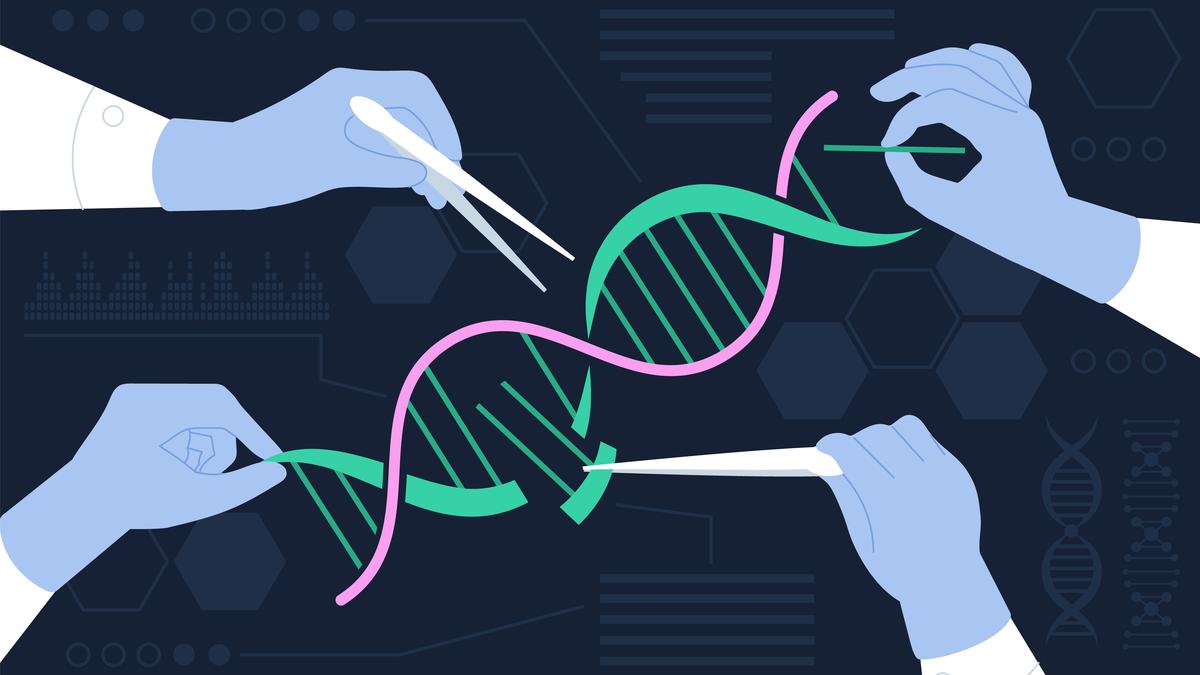
Several medical treatments, particularly for genetic ailments, rely on symptomatic management instead of correcting the causative issue. Precision biotherapeutics bring together genetic science, molecular biology, and data analytics to design therapies that identify and rectify the cause of illness.

What are precision biotherapeutics?

Precision biotherapeutics refers to medical interventions—drugs, therapies, or biological products—that are designed and optimised based on a patient’s unique genetic, molecular, or cellular profile.

The field draws on multiple cutting-edge technologies:

Genomic and proteomic analysis — decoding a person’s genetic and protein signatures to identify mutations or dysfunctions causing disease.

Gene editing therapies — directly modifying genes to correct underlying problems (e.g., CRISPR-based treatments for blood disorders).

mRNA and nucleic acid therapeutics — using RNA molecules to instruct cells to produce specific proteins or suppress harmful ones.

Monoclonal antibodies and biologics — laboratory-engineered molecules that bind to precise disease targets, such as cancer cells or viral proteins.

AI-driven drug discovery — leveraging big data and machine learning to predict how molecules interact within the body.

Why does India need precision biotherapeutics?

Non-communicable diseases such as diabetes, cardiovascular illness, and cancers account for nearly 65% of deaths in the country. At the same time, the genetic diversity of India’s population makes it one of the most complex testing grounds for new therapies.

Traditional pharmaceutical interventions might not have cures for such diseases. Sometimes, pharmaceuticals made and tested in foreign countries might not work effectively in the Indian context. By leveraging India’s growing genomic research base, such as the IndiGen programme and GenomeIndia, treatments could be customised for local genetic profiles. Moreover, precision biotherapeutics also hold the promise of shifting care from hospital-based interventions to predictive, preventive, and personalised models.

Where does India stand today?

The Department of Biotechnology (DBT) and its funding arm BIRAC have identified Precision Biotherapeutics as one of the six focus areas under the BioE³ Policy (Biotechnology for Economy, Environment, and Employment).

Indian research institutions such as the Institute of Genomics and Integrative Biology (IGIB), National Institute of Biomedical Genomics (NIBMG), and the Translational Health Science and Technology Institute (THSTI) are leading efforts to map genetic diversity and disease susceptibility across populations.

In the private sector, several biopharma companies are exploring precision therapies. For example, Biocon Biologics and Dr. Reddy’s Laboratories are investing in biosimilars and monoclonal antibodies. Zydus LifeSciences is working on gene therapies for rare diseases.

Other companies exploring precision biotherapeutics include Immuneel Therapeutics, focused on immuno-oncology; Bugworks Research, developing novel antibiotics; Akrivia Biosciences, providing precision diagnostics for cancer; miBiome Therapeutics, working on patient-centric healthcare solutions; 4baseCare, a precision oncology firm with AI-driven tools; and ImmunoACT, the first Indian company to bring CAR-T technology to India.

However, challenges persist. India lacks a clear regulatory framework for the different technologies that form the basis of gene and cell therapies. Most guidelines limit the use of emerging technologies for therapeutic purposes, but the scope of therapy is not defined. For example, is aging a disease? Further, there is limited local manufacturing capacity for biologics and advanced therapies. The cost of precision drugs also remains prohibitive, restricting access to affluent urban patients.

What are other countries doing?

The United States and the European Union dominate research and regulatory leadership, while countries like China, Japan, and Singapore are rapidly catching up.

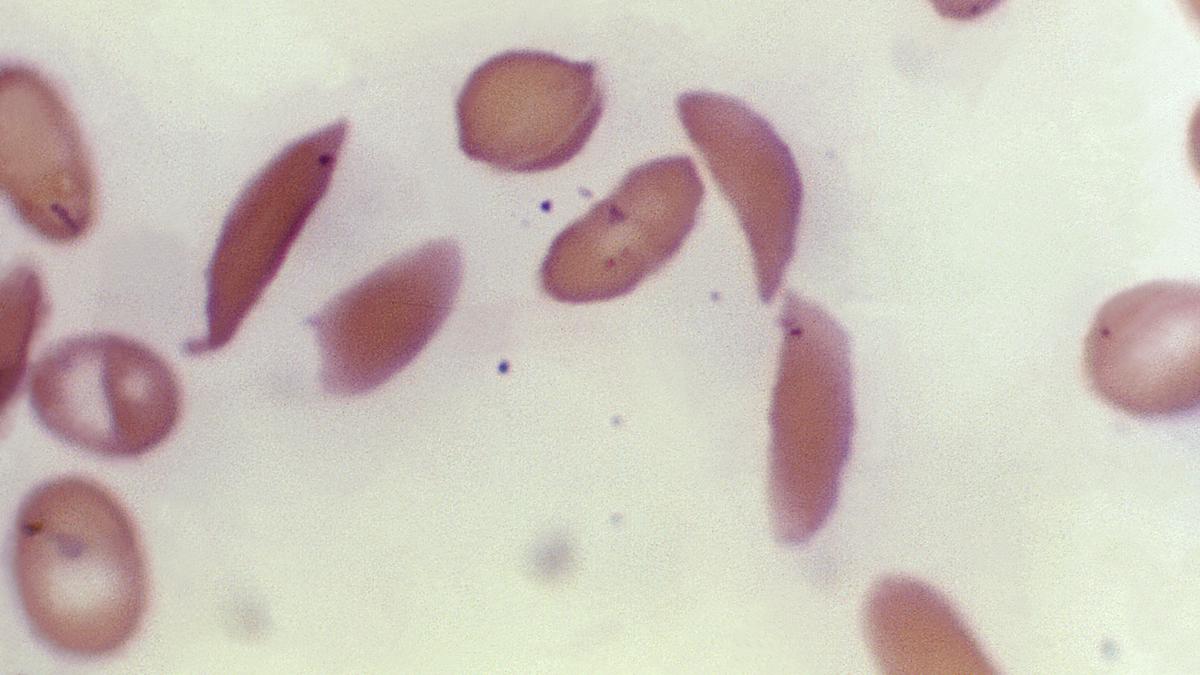
In the United States, the FDA has approved over 30 gene and cell therapies, including landmark treatments such as Zolgensma (for spinal muscular atrophy) and Casgevy (the world’s first CRISPR-based therapy for sickle cell disease and thalassemia, approved in 2023). The US government’s Precision Medicine Initiative and the NIH’s All of Us programme are advancing large-scale genomic datasets. The EU’s Horizon Europe programme funds precision medicine research and cross-border clinical trials. With massive investments in biomanufacturing, China has over 800 clinical trials in gene and cell therapy underway. Japan and South Korea have simplified approval pathways for regenerative and cell-based therapies, allowing faster clinical translation.

Opportunities and risks ahead

India’s opportunities in precision biotherapeutics are vast.

On the health front, precision therapies can revolutionise treatment for genetic, metabolic, and oncological diseases, reducing both cost and suffering in the long term. On the economy front, the global precision medicine market is projected to exceed $22 billion by 2027. India’s skilled workforce, data analytics strength, and cost advantage position it as a potential hub for affordable precision therapies.

Yet, risks loom large. Ethical and privacy concerns around genetic data remain unresolved. Without strict data protection and consent frameworks, genomic information could be misused. High costs and limited infrastructure may worsen healthcare inequity, with cutting-edge treatments remaining out of reach for most Indians. Inadequate investment in research could lead to dependence on foreign players for healthcare access.

The way forward

For India to fully harness precision biotherapeutics, it must act on several fronts:

First, establish a dedicated framework for gene and cell therapy approvals under the Central Drugs Standard Control Organisation (CDSCO). Second, a biobanking law that safeguards privacy and donor autonomy while expediting research is required. Third, integrate precision medicine into public health through cost-sharing models and inclusion in national health insurance schemes till the costs of production are reduced. Finally, establish national bioethics committees to oversee genetic data use, consent, and therapy access.

Shambhavi Naik is chairperson, Takshashila Institution’s Health & Life Sciences Policy, and CEO at CloudKrate.

Published – November 17, 2025 08:30 am IST



Source link

Science

Post navigation

Previous Post: Access Denied
Next Post: Access Denied

Related Posts

  • Science for all what is the connection between extreme heat and increased sugar consumption
    Science for all what is the connection between extreme heat and increased sugar consumption Science
  • The Science Quiz | Security features of rupee notes
    The Science Quiz | Security features of rupee notes Science
  • Defence Minister meets Shubhanshu Shukla, says his journey will motivate young people
    Defence Minister meets Shubhanshu Shukla, says his journey will motivate young people Science
  • ISRO to conduct first test flight of Gaganyaan mission on October 21
    ISRO to conduct first test flight of Gaganyaan mission on October 21 Science
  • NIAB scientists working on next generation vaccine against ‘Leptospirosis’
    NIAB scientists working on next generation vaccine against ‘Leptospirosis’ Science
  • A mouth bacteria has starring role in colorectal cancer, study finds
    A mouth bacteria has starring role in colorectal cancer, study finds Science

More Related Articles

GSLV mission planned in January would be 100th launch from Sriharikota: ISRO chief GSLV mission planned in January would be 100th launch from Sriharikota: ISRO chief Science
Neither ecologically sustainable nor ethical, says study over translocation of African cheetahs to India Neither ecologically sustainable nor ethical, says study over translocation of African cheetahs to India Science
BITS Pilani Hyderabad researchers develop graphene electrode for improved supercapacitor performance BITS Pilani Hyderabad researchers develop graphene electrode for improved supercapacitor performance Science
Machine learning can help blood tests have a separate ‘normal’ for each patient Machine learning can help blood tests have a separate ‘normal’ for each patient Science
The Science Quiz: AI in science, from neurons to nodes The Science Quiz: AI in science, from neurons to nodes Science
Hong Kong blaze: Why buildings have disastrous fires and how they can be prevented Hong Kong blaze: Why buildings have disastrous fires and how they can be prevented Science
SiteLock

Archives

  • September 2026
  • August 2026
  • July 2026
  • June 2026
  • May 2026
  • April 2026
  • March 2026
  • February 2026
  • January 2026
  • December 2025
  • November 2025
  • October 2025
  • September 2025
  • August 2025
  • July 2025
  • June 2025
  • May 2025
  • April 2025
  • March 2025
  • February 2025
  • January 2025
  • December 2024
  • November 2024
  • October 2024
  • September 2024
  • August 2024
  • July 2024
  • June 2024
  • May 2024
  • April 2024
  • March 2024
  • February 2024
  • January 2024
  • December 2023
  • November 2023
  • October 2023
  • September 2023
  • August 2023
  • July 2023
  • June 2023
  • May 2023
  • April 2023
  • March 2023
  • February 2023
  • January 2023
  • December 2022
  • November 2022
  • October 2022
  • September 2022
  • August 2022
  • July 2022
  • June 2022
  • May 2022

Categories

  • Business
  • Nation
  • Science
  • Sports
  • World

Recent Posts

  • Civil Supplies Department steps up preparedness for Kharif paddy procurement
  • ED summons former Minister Ambati Rambabu in liquor transport scam case
  • The price of AI is falling; why are enterprises still spending more? Explained
  • ABVP wins 3 DUSU posts; independent candidate Deepanshu Shokeen gets vice-president’s position
  • Zuccaro bags the President Of India Gold Cup

Recent Comments

  1. AlvinNet on UP Teacher Who Asked Students To Slap Muslim Classmate
  2. AlvinNet on UP Teacher Who Asked Students To Slap Muslim Classmate
  3. Jamesslits on UP Teacher Who Asked Students To Slap Muslim Classmate
  4. MichaelClear on UP Teacher Who Asked Students To Slap Muslim Classmate
  5. Jamesslits on UP Teacher Who Asked Students To Slap Muslim Classmate
  • Sweden and Netherlands call for EU sanctions on Israel, Hamas
    Sweden and Netherlands call for EU sanctions on Israel, Hamas World
  • ‘Not Taking Any Pressure’: India’s Parunika Sisodia After Win vs England In U19 Women’s World Cup Semis
    ‘Not Taking Any Pressure’: India’s Parunika Sisodia After Win vs England In U19 Women’s World Cup Semis Sports
  • North Korea Creating “Poisoned Pens” For Germ Warfare Programme, Says US Report
    North Korea Creating “Poisoned Pens” For Germ Warfare Programme, Says US Report World
  • Access Denied Business
  • Access Denied World
  • Access Denied Sports
  • Access Denied Sports
  • 20 miners killed, 7 wounded in attack in southwest Pakistan
    20 miners killed, 7 wounded in attack in southwest Pakistan World

Editor-in-Chief:
Mohammad Ariff,
MSW, MAJMC, BSW, DTL, CTS, CNM, CCR, CAL, RSL, ASOC.
editor@artifex.news

Associate Editors:
1. Zenellis R. Tuba,
zenelis@artifex.news
2. Haris Daniyel
daniyel@artifex.news

Photograher:
Rohan Das
rohan@artifex.news

Artifex.News offers Online Paid Internships to college students from India and Abroad. Interns will get a PRESS CARD and other online offers.
Send your CV (Subjectline: Paid Internship) to internship@artifex.news

Links:
Associate Journalism
About Us
Privacy Policy

News Links:
Breaking News
World
Nation
Sports
Business
Entertainment
Lifestyle

Registered Office:
72/A, Elliot Road, Kolkata - 700016
Tel: 033-22277777, 033-22172217
Email: office@artifex.news

Editorial Office / News Desk:
No. 13, Mezzanine Floor, Esplanade Metro Rail Station,
12 J. L. Nehru Road, Kolkata - 700069.
(Entry from Gate No. 5)
Tel: 033-46011099, 033-46046046
Email: editor@artifex.news

Copyright © 2023 Artifex.News Newsportal designed by Artifex Infotech.