

Skip to content
  • Facebook
  • X
  • Linkedin
  • WhatsApp
  • Associate Journalism
  • About Us
  • Privacy Policy
  • 033-46046046
  • editor@artifex.news
Artifex.News

Artifex.News

Stay Connected. Stay Informed.

  • Breaking News
  • World
  • Nation
  • Sports
  • Business
  • Science
  • Entertainment
  • Lifestyle
  • Toggle search form
  • Case Filed Against Delhi School Teacher For ‘Derogatory’ Remarks In Class
    Case Filed Against Delhi School Teacher For ‘Derogatory’ Remarks In Class Nation
  • N Sriram Balaji Crashes Out Of Australian Open 2025 Men’s Doubles, Only Rohan Bopanna In Fray For India
    N Sriram Balaji Crashes Out Of Australian Open 2025 Men’s Doubles, Only Rohan Bopanna In Fray For India Sports
  • Genes fuel antibiotic resistance in Yemen cholera epidemic
    Genes fuel antibiotic resistance in Yemen cholera epidemic Science
  • Security Forces Hold Drill At Key Locations Days After Delhi School Bomb Threats
    Security Forces Hold Drill At Key Locations Days After Delhi School Bomb Threats Nation
  • Indian-Origin US Professor Honoured For Outstanding Contribution To Energy
    Indian-Origin US Professor Honoured For Outstanding Contribution To Energy Nation
  • Access Denied Sports
  • Sheena Bora’s Remains Lying At CBI Office In Delhi, Court Told
    Sheena Bora’s Remains Lying At CBI Office In Delhi, Court Told Nation
  • Sri Lanka Seeking Reduction Of  Billion Debt From Restructuring
    Sri Lanka Seeking Reduction Of $17 Billion Debt From Restructuring World
The hidden polluter in your wardrobe: How fast fashion is fuelling the next pollution crisis

The hidden polluter in your wardrobe: How fast fashion is fuelling the next pollution crisis

Posted on September 14, 2025 By admin


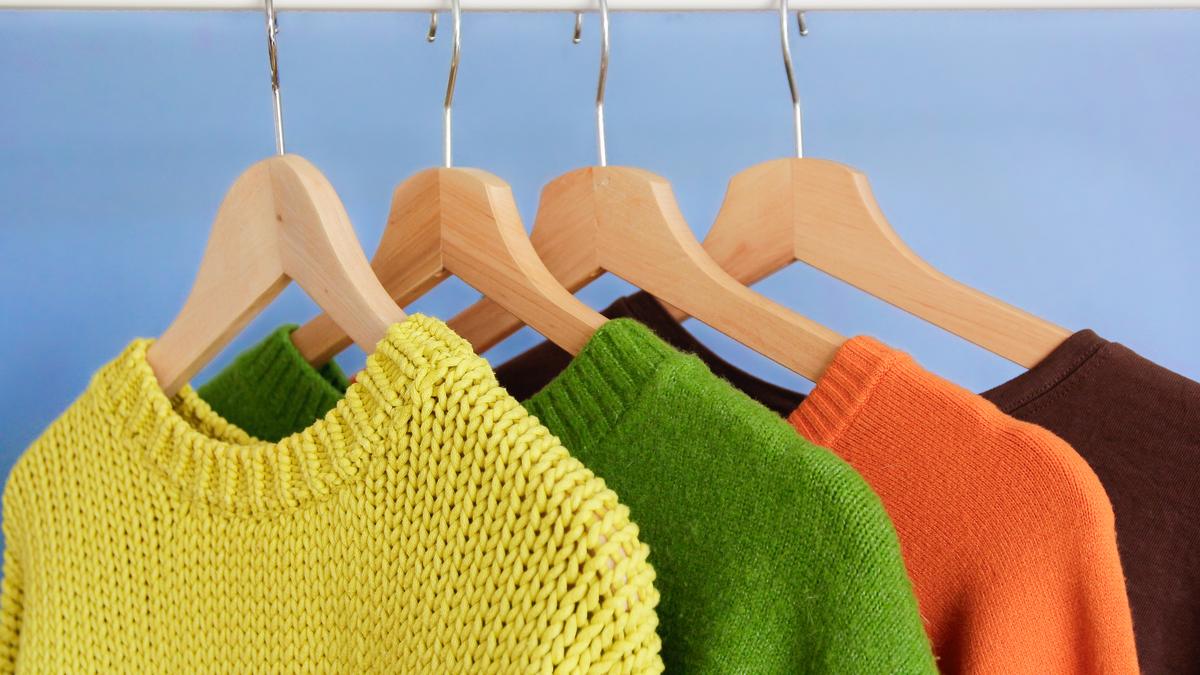
Fashion is a part of our lives, we breathe it every day. Look around, and you’ll find garment stores everywhere: from small roadside stalls to giant malls, from local shops to global brands. Fashion never goes out of trend. But have you heard of the term fast fashion? Let’s find out what it means.

What is fast fashion

Fast fashion is often linked to sustainability and environmental concerns. It refers to clothing that is mass-produced quickly to keep up with the latest trends. The goal? To get new designs from the runway to your wardrobe in record time, at the lowest possible cost.

To meet this growing demand, the fashion industry churns out massive quantities of garments at extremely low prices. Brands race against time to launch new collections before their competitors, creating a never-ending cycle of production and consumption.

This trend gained momentum with globalisation and the boom of e-commerce. Social media influencers, online shopping, and instant style updates have fuelled the demand for fresh collections almost every week, making fast fashion a global phenomenon.

Close up of lGarment Factory Waste
| Photo Credit:
Wokephoto17

How it evolved

Fashion has come a long way. In the past, new collections arrived only with the change of seasons, spring, summer, autumn, and winter. Designers would showcase their work, and that single collection set the trend for months.

But things changed as people began craving more variety. With the rise of technology and the explosion of social media, fashion trends started spreading as fast as the internet. To keep up, brands began producing new styles at breakneck speed, turning fashion into a constant cycle of “what’s next?”
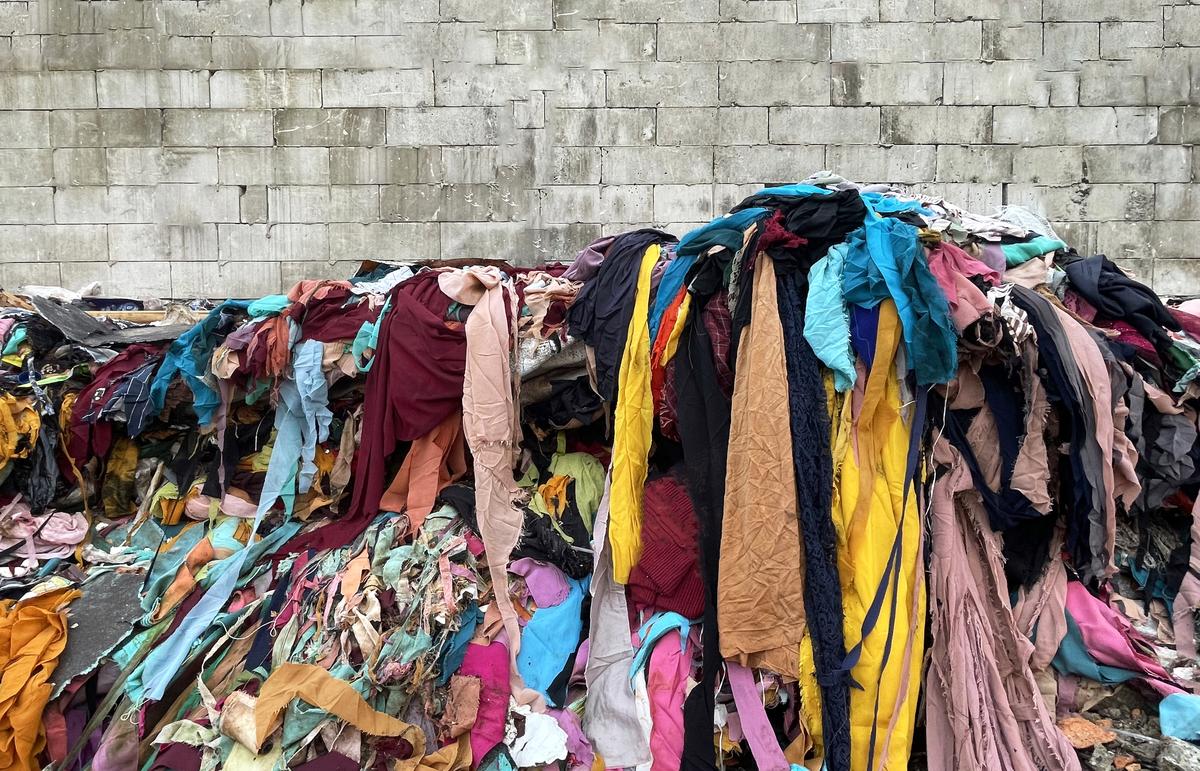
Fast fashion waste at landfill

Fast fashion waste at landfill
| Photo Credit:
Wokephoto17

How is it harming the environment

The fashion industry is responsible for about 8-10% of global carbon emissions and nearly 20% of the world’s wastewater. But how does a simple T-shirt or pair of jeans cause so much harm?

Fast fashion depends on resource-intensive processes. From growing raw materials to manufacturing and global transportation, every step consumes massive energy and resources. These processes release greenhouse gases, pollute water, and strain natural ecosystems.

What makes it worse? Most fast-fashion clothes aren’t built to last. Shoppers often wear them just a few times before discarding them. With trends changing almost every week, clothes pile up in landfills, creating an environmental nightmare.

Fashion’s dirty footprint

Water pollution and overuse: Dyeing and finishing fabrics require huge amounts of water and use toxic chemicals. Wastewater from factories often flows into rivers, poisoning aquatic life and contaminating drinking sources.

Carbon emissions: From growing cotton to manufacturing and shipping, the fashion supply chain uses fossil-fuel-heavy energy sources. This industry emits more CO₂ than international flights and maritime shipping combined.

Microplastic pollution: Many fast-fashion garments are made of synthetic fibers like polyester, nylon, and acrylic. Every wash releases thousands of microplastic fibers into water bodies, harming marine life and entering the food chain.

Landfill crisis: Most fast-fashion clothes are low-quality and trend-driven, leading to short usage. Over 92 million tonnes of textile waste ends up in landfills globally each year, taking decades to decompose.

Resource depletion: Producing a single cotton T-shirt requires about 2,700 liters of water—enough for one person to drink for 900 days. The race to produce cheap garments leads to soil degradation and excessive pesticide use in cotton farming.

Many people assume cotton is an eco-friendly choice, but cotton farming is resource-hungry. It depletes soil nutrients, relies heavily on pesticides, and demands huge quantities of water, damaging ecosystems and reducing land fertility over time. If this cycle continues, the fashion industry alone could consume a quarter of the world’s carbon budget by 2050, according to a study by the Ellen MacArthur Foundation.

Can we stop it?

Yes, but it needs action from both the fashion industry and consumers like us. Choosing quality over quantity, reusing and repairing clothes, and donating or swapping instead of throwing away can make a big difference.

Thrifting and buying pre-loved outfits reduce the demand for new production, while supporting sustainable brands encourages ethical practices. Even small steps, like washing clothes less often and in cold water, help cut down on microplastic pollution and water waste.

Big brands are slowly shifting to circular fashion models, and governments are introducing regulations, but real change starts with us. Every purchase we make is a choice, so before buying that trendy outfit, ask yourself: do I really need it, or will the planet pay the price?
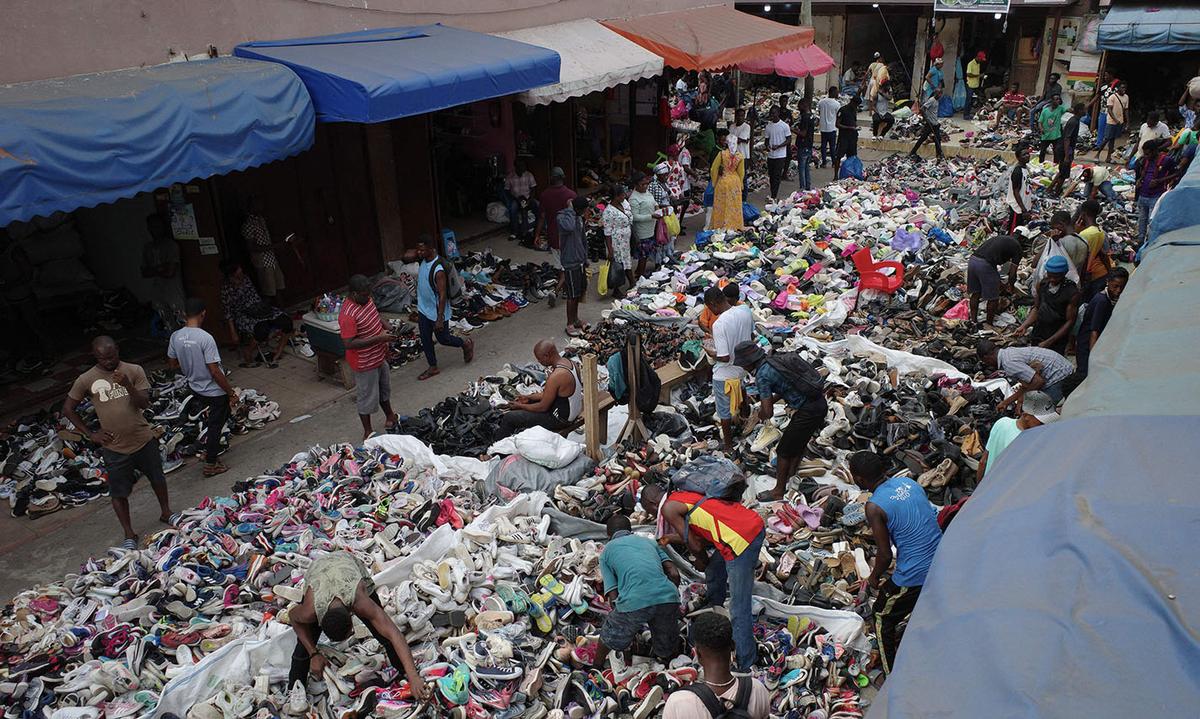
Traders spread out secondhand clothes for sale at the Kantamanto market in Accra, Ghana

Traders spread out secondhand clothes for sale at the Kantamanto market in Accra, Ghana
| Photo Credit:
NIPAH DENNIS

Global trash
Ghana (Accra)

The Kantamanto Market in Accra, one of the world’s largest hubs for secondhand clothing, receives tonnes of used clothing each year from Western and East Asian countries. While some garments find a second life, a huge portion can’t be resold. These leftovers often end up in landfills or wash into beaches, wetlands, and even protected wildlife zones, creating a mounting environmental crisis.

Chile (Atacama Desert)

In Chile’s Atacama Desert, one of the driest places on Earth, mountains of fast-fashion waste have taken over parts of the iconic landscape. Unwanted garments from across the globe are dumped here in staggering amounts, earning the region the grim nickname of a “fashion garbage patch.”

Published – September 14, 2025 12:00 pm IST



Source link

Science

Post navigation

Previous Post: What to know about aftermath of Charlie Kirk’s assassination
Next Post: Access Denied

Related Posts

  • Who gets to own the moon? India is uniquely positioned to answer
    Who gets to own the moon? India is uniquely positioned to answer Science
  • Chest X-ray interpretation using AI can detect more TB cases
    Chest X-ray interpretation using AI can detect more TB cases Science
  • How charge-coupled devices revolutionised digital imaging
    How charge-coupled devices revolutionised digital imaging Science
  • Is placental oxygen level linked to foetal brain development?
    Is placental oxygen level linked to foetal brain development? Science
  • 37th Kerala Science Congress to begin in Thrissur on Saturday 
    37th Kerala Science Congress to begin in Thrissur on Saturday  Science
  • Rise and shine: morning sunlight and your wellbeing
    Rise and shine: morning sunlight and your wellbeing Science

More Related Articles

Researchers find bacteria that can clean up pesticides from soil to enhance crop yield Researchers find bacteria that can clean up pesticides from soil to enhance crop yield Science
ISRO successfully launches INSAT-3DS meteorological satellite ISRO successfully launches INSAT-3DS meteorological satellite Science
NASA blows up another inflatable space station structure after exceeding the recommended safety levels  NASA blows up another inflatable space station structure after exceeding the recommended safety levels  Science
Why spacesuits need a major upgrade for the next phase of exploration Why spacesuits need a major upgrade for the next phase of exploration Science
NASA climate satellite blasts off to survey oceans and atmosphere of a warming Earth NASA climate satellite blasts off to survey oceans and atmosphere of a warming Earth Science
World’s cleanest pigs raised to grow kidneys, hearts for humans World’s cleanest pigs raised to grow kidneys, hearts for humans Science
SiteLock

Archives

  • September 2025
  • August 2025
  • July 2025
  • June 2025
  • May 2025
  • April 2025
  • March 2025
  • February 2025
  • January 2025
  • December 2024
  • November 2024
  • October 2024
  • September 2024
  • August 2024
  • July 2024
  • June 2024
  • May 2024
  • April 2024
  • March 2024
  • February 2024
  • January 2024
  • December 2023
  • November 2023
  • October 2023
  • September 2023
  • August 2023
  • July 2023
  • June 2023
  • May 2023
  • April 2023
  • March 2023
  • February 2023
  • January 2023
  • December 2022
  • November 2022
  • October 2022
  • September 2022
  • August 2022
  • July 2022
  • June 2022
  • May 2022

Categories

  • Business
  • Nation
  • Science
  • Sports
  • World

Recent Posts

  • Access Denied
  • Access Denied
  • Access Denied
  • ITR filing deadline for Assessment Year 2025-26 extended by a day to September 16, 2025
  • Access Denied

Recent Comments

  1. dfb{{98991*97996}}xca on UP Teacher Who Asked Students To Slap Muslim Classmate
  2. "dfbzzzzzzzzbbbccccdddeeexca".replace("z","o") on UP Teacher Who Asked Students To Slap Muslim Classmate
  3. 1}}"}}'}}1%>"%>'%> on UP Teacher Who Asked Students To Slap Muslim Classmate
  4. bfg6520<s1﹥s2ʺs3ʹhjl6520 on UP Teacher Who Asked Students To Slap Muslim Classmate
  5. pHqghUme9356321 on UP Teacher Who Asked Students To Slap Muslim Classmate
  • Only Conservatives Can Give Tough Fight To Labour Party: Rishi Sunak
    Only Conservatives Can Give Tough Fight To Labour Party: Rishi Sunak World
  • Russian editor sentenced to eight years for criticising Ukraine campaign
    Russian editor sentenced to eight years for criticising Ukraine campaign World
  • No practice is equal to playing a match, says Sai Kishore
    No practice is equal to playing a match, says Sai Kishore Sports
  • Access Denied World
  • PM Modi Praises India’s Record Coal, Lignite Production
    PM Modi Praises India’s Record Coal, Lignite Production Nation
  • “Defence Is Attack”: Rishabh Pant Compared To Ex-India Star Virender Sehwag
    “Defence Is Attack”: Rishabh Pant Compared To Ex-India Star Virender Sehwag Sports
  • Brazilian police say ex-President Bolsonaro planned to flee to Argentina seeking asylum
    Brazilian police say ex-President Bolsonaro planned to flee to Argentina seeking asylum World
  • Tata Projects sees green hydrogen, green ammonia, pump storage hydro as pillars of growth
    Tata Projects sees green hydrogen, green ammonia, pump storage hydro as pillars of growth Business

Editor-in-Chief:
Mohammad Ariff,
MSW, MAJMC, BSW, DTL, CTS, CNM, CCR, CAL, RSL, ASOC.
editor@artifex.news

Associate Editors:
1. Zenellis R. Tuba,
zenelis@artifex.news
2. Haris Daniyel
daniyel@artifex.news

Photograher:
Rohan Das
rohan@artifex.news

Artifex.News offers Online Paid Internships to college students from India and Abroad. Interns will get a PRESS CARD and other online offers.
Send your CV (Subjectline: Paid Internship) to internship@artifex.news

Links:
Associate Journalism
About Us
Privacy Policy

News Links:
Breaking News
World
Nation
Sports
Business
Entertainment
Lifestyle

Registered Office:
72/A, Elliot Road, Kolkata - 700016
Tel: 033-22277777, 033-22172217
Email: office@artifex.news

Editorial Office / News Desk:
No. 13, Mezzanine Floor, Esplanade Metro Rail Station,
12 J. L. Nehru Road, Kolkata - 700069.
(Entry from Gate No. 5)
Tel: 033-46011099, 033-46046046
Email: editor@artifex.news

Copyright © 2023 Artifex.News Newsportal designed by Artifex Infotech.