




The specific components of the immune response in a human body that protect against a dengue virus (DENV) infection and the subsequent illness remain unclear. Scientists are still trying to understand how natural infection and vaccination protect people so that they can develop better vaccines.
Now, a novel study has revealed important insights into developing strong immunity against DENV, which is otherwise quite complex. Researchers from the US and Philippines have identified specific antibodies, known as envelope dimer epitope (EDE)-like antibodies, as the key for building broad, cross-serotype immunity following natural infection or vaccination.
The findings, published recently in Science Translational Medicine, represent a significant step forward in understanding dengue immunity and could lead to more effective therapeutics.
Disease burden and dengue vaccines
Dengue is a major global health challenge caused by any of four DENV serotypes (DENV1 to DENV4). It is the most common vector-borne viral disease, with half of the world’s population at risk, especially in Southeast Asia, Africa, and the Americas. According to one large study in 2013, the economic burden of dengue in Southeast Asia is higher than that of 17 other conditions, including Japanese encephalitis, upper respiratory infections, and hepatitis B.
And yet developing a universally effective vaccine has proven difficult thanks to the complex immune mechanisms involved. In DENV cases, the initial immunity after first infection (a.k.a. primary immunity) paradoxically increases the risk of severe disease rather than conferring protection when a person is infected a second time with a different serotype of the virus. This phenomenon, called antibody-dependent enhancement, occurs when non-neutralising antibodies bind to partially immature virus particles, facilitating their entry into immune cells and worsening the infection. All severe dengue cases requiring hospitalization result from such second infections.
Since vaccines mimic natural infections, the risk of antibody-dependent enhancement after the first dose is the main challenge for dengue vaccines, which is why they are usually recommended only for individuals with prior exposure to the virus and avoided in dengue-naïve people.
After exposure to at least two different DENV serotypes, a person develops true protection, known as “secondary immunity”, against future disease.
Currently, two primary dengue vaccines are licensed (in some countries): Dengvaxia and QDENGA. These shots are most effective for individuals who have already been exposed to dengue at least once before vaccination. Laboratory confirmation of a previous dengue infection is required for vaccination with Dengvaxia.
Outbreak in Cebu
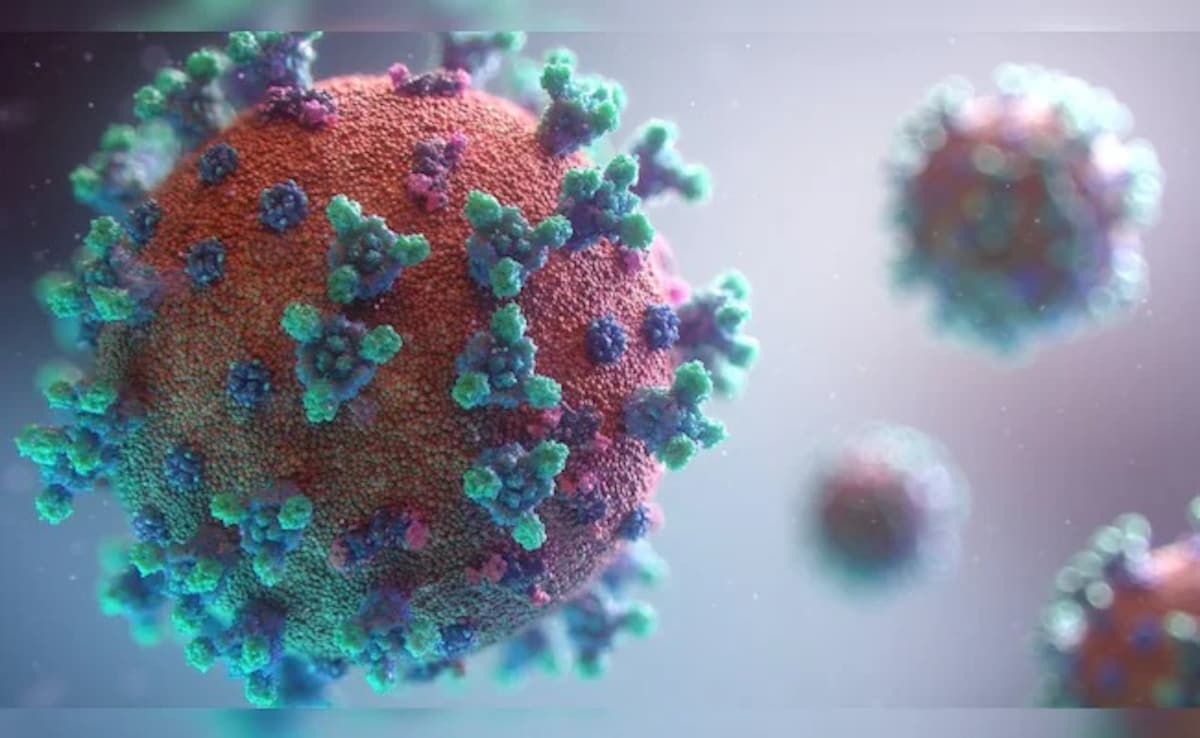
DENV is an enveloped virus, meaning it has a protective outer layer. A key component of this layer is the envelope (E) protein, which is the primary target for the body’s immune response.
The E protein is arranged in pairs on the virus surface, creating complex three-dimensional structures known as quaternary epitopes. EDE is a critical quaternary epitope and an important target for vaccines and therapeutic antibodies.
In June 2017, Cebu province in the Philippines offered at least the first dose of a dengue vaccine to children aged 9-14 years. For the new study, the researchers recruited and followed a cohort of 2,996 such children. Of them, 1,782 received the first dose of the vaccine and the rest remained unvaccinated. The researchers collected baseline blood samples one month before the vaccination campaign and follow-up samples 17-28 months after the campaign.

There had been an unusually large dengue outbreak in Cebu between the baseline and follow-up sample collection, with most cases caused by DENV2 (61.7%) followed by DENV3 (30%). The researchers measured different kinds of antibodies in the samples: EDE-like antibodies (targetting envelope dimer epitopes); neutralising antibodies (which can block infection by mature, fully formed viruses); and binding antibodies (those that attached to parts of the E protein without necessarily blocking infection).
The study focused on the children who had had evidence of at least two prior DENV infections (those with “secondary immunity”) at the baseline. They followed up with the cohort up to October 31, 2022, to check how many with secondary immunity went on to develop dengue between the follow-up sample collection and the study closure date. All the samples were analysed in vaccinated and unvaccinated children in this subgroup in an attempt to reveal the true predictors of protection.
More protective against disease
The study’s findings illuminated the role of EDE-like antibodies in the protective response.
Specifically, the researchers found that EDE-like antibodies were highly prevalent in children with secondary DENV immunity, with 81.8% to 90.1% of participants having detectable levels. This was in stark contrast to individuals with only primary DENV immunity, where EDE-like antibodies were largely absent (detected in only 4% to 12% of cases). This suggests EDE-like antibodies are a hallmark of established immunity against dengue. The magnitude of EDE-like antibodies was also strongly and consistently correlated with broad neutralisation of all four mature DENV serotypes, indicating that these antibodies are crucial for widespread protection rather than just against a single serotype.
The study observed that both natural DENV infection — due to the large outbreak during the study period — and vaccination significantly boosted EDE-like antibodies as well as general DENV-binding and neutralising antibodies. This effect was evident even in children who already possessed strong secondary immunity.
Crucially, higher levels of EDE-like antibodies were consistently associated with lower odds of symptomatic dengue, dengue with warning signs, and dengue requiring hospitalisation. This protective effect was observed across multiple serotypes, demonstrating both serotype-specific and cross-reactive benefits. However, EDE-like antibodies had limited protective effects against viral replication. Thus, they were less protective against new infections but more protective against disease, especially severe disease.
Perhaps the most significant finding was that EDE-like antibodies didn’t just correlate with protection: they statistically explained a substantial portion of the protective effect seen with other mature virus-neutralising and E-binding antibodies. That is, when EDE-like antibodies were factored into statistical models, the protective effect of other antibodies was significantly diminished while EDE-like antibodies remained strongly associated with protection.
Specifically, EDE-like antibodies explained 42% to 65% of the protective effect attributed to mature virus-neutralising antibodies and 41% to 75% of the effect of general E protein-binding antibodies. This observation strongly suggested that EDE-like antibodies are a primary, underlying determinant of broad, cross-reactive immunity against dengue.

Limitations and the future
Although the study had some limitations, such as a relatively small number of dengue cases for assessing protection against all four serotypes and a limited panel of monoclonal antibodies used for characterisation, it nonetheless marked a significant advance in the fight against dengue.
The team provided a clearer understanding of the immune responses that truly protect against this debilitating disease. EDE-like antibodies also helped explain how neutralising and binding antibodies contributed to protection.
Further research will be essential to formally validate EDE-like antibodies as reliable indicators of protection for vaccine efficacy trials. If this is validated, researchers will be able to design vaccines that specifically elicit high levels of EDE-like antibodies and thus better protect against dengue.
Puneet Kumar is a clinician, Kumar Child Clinic, New Delhi. Vipin M. Vashishtha is director and paediatrician, Mangla Hospital and Research Center, Bijnor.
Published – August 12, 2025 05:30 am IST