





I sit on an ethics review committee at the Albany Med Health System in New York state, where doctors and nurses frequently bring us fraught questions.
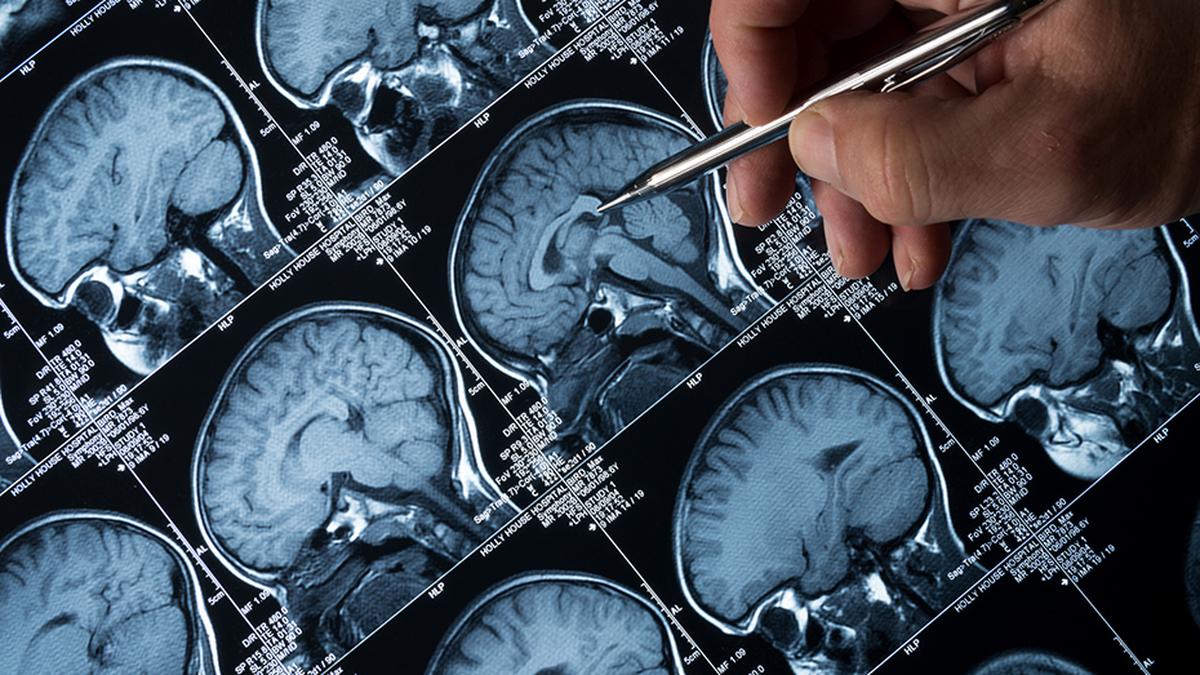
Consider a typical case: A 6-month-old child has suffered a severe brain injury following cardiac arrest. A tracheostomy, ventilator and feeding tube are the only treatments keeping him alive. These intensive treatments might prolong the child’s life, but he is unlikely to survive. However, the mother – citing her faith in a miracle – wants to keep the child on life support. The clinical team is distressed – they feel they’re only prolonging the child’s dying process.
Often the question the medical team struggles with is this: Are we obligated to continue life-supporting treatments?
Bioethics, a modern academic field that helps resolve such fraught dilemmas, evolved in its early decades through debates over several landmark cases in the 1970s to the 1990s. The early cases helped establish the right of patients and their families to refuse treatments.
But some of the most ethically challenging cases, in both pediatric and adult medicine, now present the opposite dilemma: Doctors want to stop aggressive treatments, but families insist on continuing them. This situation can often lead to moral distress for doctors – especially at a time when trust in providers is falling.
Consequences of lack of trust
For the family, withdrawing or withholding life-sustaining treatments from a dying loved one, even if doctors advise that the treatment is unlikely to succeed or benefit the patient, can be overwhelming and painful. Studies show that their stress can be at the same level as people who have just survived house fires or similar catastrophes.
While making such high-stakes decisions, families need to be able to trust their doctor’s information; they need to be able to believe that their recommendations come from genuine empathy to serve only the patient’s interests. This is why prominent bioethicists have long emphasized trustworthiness as a central virtue of good clinicians.
However, the public’s trust in medical leaders has been on a precipitous decline in recent decades. Historical polling data and surveys show that trust in physicians is lower in the U.S. than in most industrialized countries. A recent survey from Sanofi, a pharmaceutical company, found that mistrust of the medical system is even worse among low-income and minority Americans, who experience discrimination and persistent barriers to care. The COVID-19 pandemic further accelerated the public’s lack of trust.
In the clinic, mistrust can create an untenable situation. Families can feel isolated, lacking support or expertise they can trust. For clinicians, the situation can lead to burnout, affecting quality and access to care as well as health care costs. According to the National Academy of Medicine, “The opportunity to attend to and ease suffering is the reason why many clinicians enter the healing professions.” When doctors see their patients suffer for avoidable reasons, such as mistrust, they often suffer as well.
At a time of low trust, families can be especially reluctant to take advice to end aggressive treatment, which makes the situation worse for everyone.
Ethics of the dilemma
Physicians are not ethically obligated to provide treatments that are of no benefit to the patient, or may even be harmful, even if the family requests them. But it can often be very difficult to say definitively what treatments are beneficial or harmful, as each of those can be characterized differently based on the goals of treatment. In other words, many critical decisions depend on judgment calls.
Consider again the typical case of the 6-month-old child mentioned above who had suffered severe brain injury and was not expected to survive. The clinicians told the ethics review committee that even if the child were to miraculously survive, he would never be able to communicate or reach any “normal” milestones. The child’s mother, however, insisted on keeping him alive. So, the committee had to recommend continuing life support to respect the parent’s right to decide.
Physicians inform, recommend and engage in shared decision-making with families to help clarify their values and preferences. But if there’s mistrust, the process can quickly break down, resulting in misunderstandings and conflicts about the patient’s best interests and making a difficult situation more distressing.
Moral distress
When clinicians feel unable to provide what they believe to be the best care for patients, it can result in what bioethicists call “moral distress.” The term was coined in 1984 in nursing ethics to describe the experience of nurses who were forced to provide treatments that they felt were inappropriate. It is now widely invoked in health care.
Numerous studies have shown that levels of moral distress among clinicians are high, with 58% of pediatric and neonatal intensive care clinicians in a study experiencing significant moral distress. While these studies have identified various sources of moral distress, having to provide aggressive life support despite feeling that it’s not in the patient’s interest is consistently among the most frequent and intense.
Watching a patient suffer feels like a dereliction of duty to many health care workers. But as long as they are appropriately respecting the patient’s right to decide – or a parent’s, in the case of a minor – they are not violating their professional duty, as my colleagues and I argued in a recent paper. Doctors sometimes express their distress as a feeling of guilt, of “having blood on their hands,” but, we argue, they are not guilty of any wrongdoing. In most cases, the distress shows that they’re not indifferent to what the decision may mean for the patient.
Clinicians, however, need more support. Persistent moral distresses that go unaddressed can lead to burnout, which may cause clinicians to leave their practice. In a large American Medical Association survey, 35.7% of physicians in 2022-23 expressed an intent to leave their practice within two years.
But with the right support, we also argued, feelings of moral distress can be an opportunity to reflect on what they can control in the circumstance. It can also be a time to find ways to improve the care doctors provide, including communication and building trust. Institutions can help by strengthening ethics consultation services and providing training and support for managing complex cases.
Difficult and distressing decisions, such as the case of the 6-month-old child, are ubiquitous in health care. Patients, their families and clinicians need to be able to trust each other to sustain high-quality care.
Daniel T. Kim is an Assistant Professor of Bioethics, Albany Medical College.This article is republished from The Conversation.
Published – February 05, 2025 01:38 pm IST