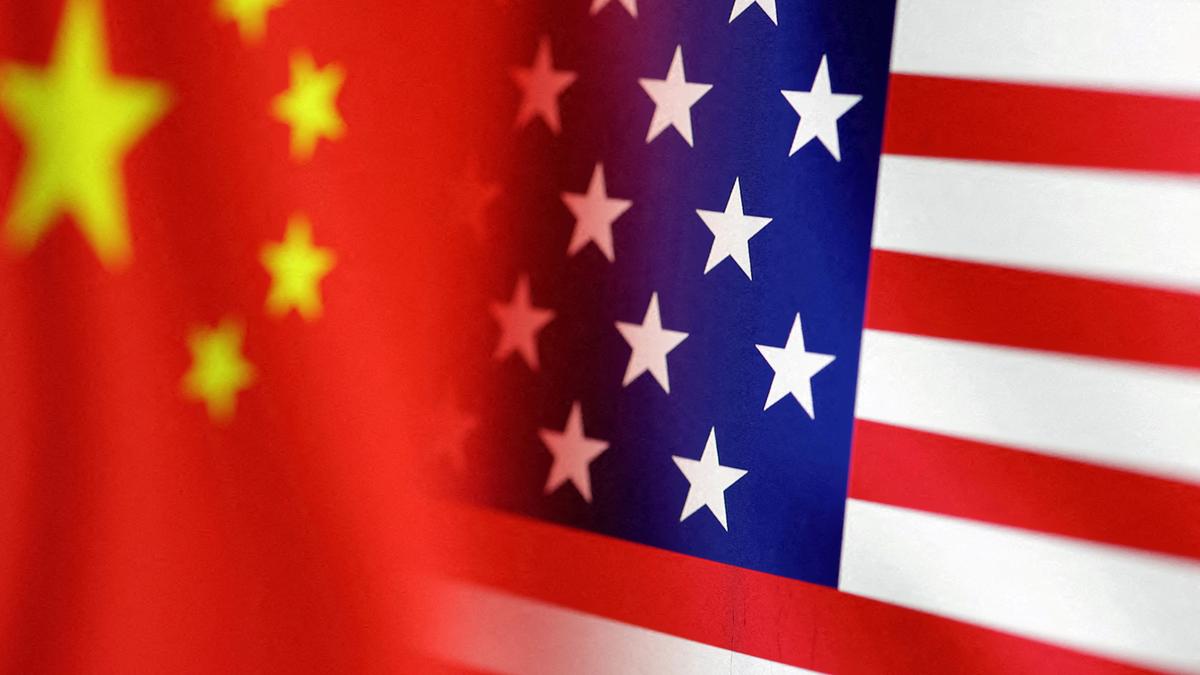




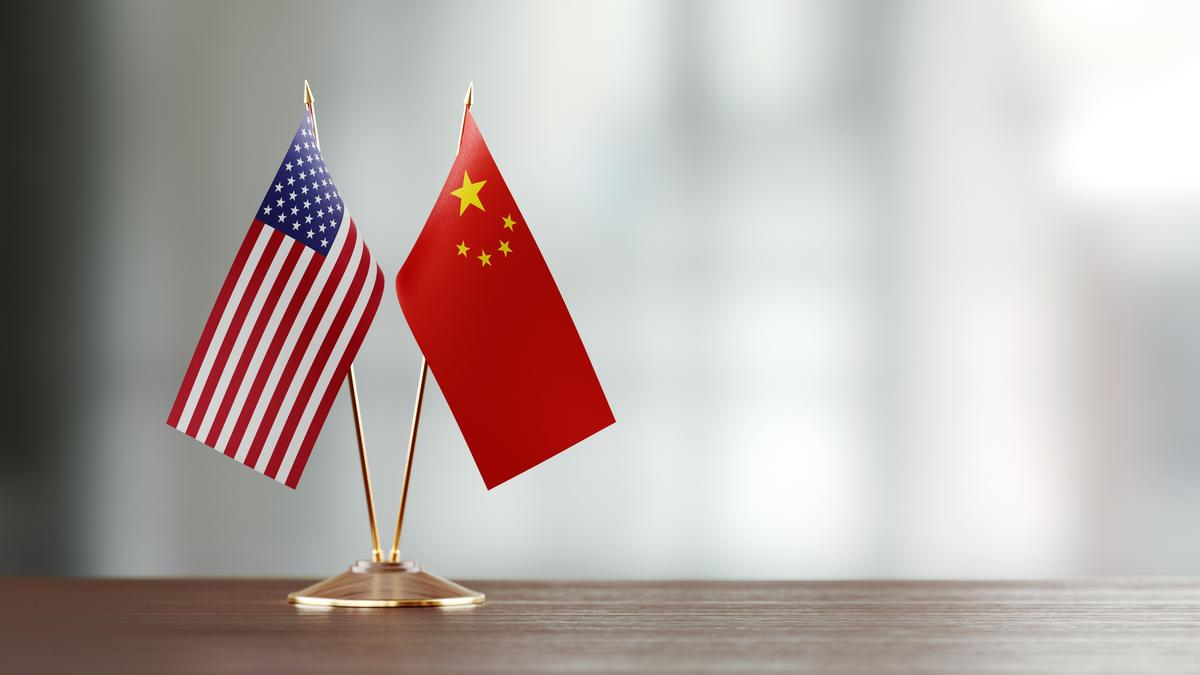
On December 13, China and the U.S. agreed to extend the Agreement between China and USA on Co-operation in Science and Technology for an additional five years, effective from August 27, 2024. They also signed a protocol to amend it. With that the uncertainty over the Agreement’s continuation came to an end. Observers have welcomed the development as an affirmation of science and technology cooperation between the two major powers. The incoming Donald Trump administration is also likely to endorse its continuation.
The Agreement was first signed on January 31, 1979, by Chinese leader Deng Xiaoping and U.S. president Jimmy Carter at a time when both countries had established diplomatic relations and agreed to cooperate on agricultural research and technology. Since then the Agreement has been renewed every five years as well as expanding in scope. It was due to be renewed in 2023 but was extended for six months in August 2023 and again in February 2024, paving the way for a fresh renewal.
The Agreement is governed by the US-PRC Joint Commission on Scientific and Technological Cooperation; the U.S. and China each appoint co-chairs and an agency from each country is nominated as the ‘executive agent’. There are also additional protocols between agencies and 40 sub-agreements in different areas, from agriculture to nuclear fusion.
Bilateral S&T agreements
Bilateral science and technology agreements have been key to promote cooperation in these fields. Often there are specific agreements or cooperation pacts as part of a larger engagement framework. While these agreements don’t mention specific investments in science and technology, they often pave the way for forms of cooperation that aren’t confined to state institutions. They also facilitate joint research, mobility between the countries for students and scientists, and encourage institutional cooperation, and set up bilateral research centers. India has such bilateral agreements with 83 countries.
This said, while countries routinely sign such agreements as part of routine engagements, both countries need to have the capacity and the intention to pursue the cooperation earnestly for the instruments to succeed. Token initiatives have never cut it. In this regard, the Agreement between China and the U.S. is probably the most successful of its kind.
Ironically, however, its very success also called its future into question.
The renewed Agreement
Conflicts between the U.S. and China, particularly over the export of certain technologies to China and concerns about China overtaking the U.S. in science and technology indicators, have become sticking points of late. To address them, the newly amended Agreement has measures to enhance provisions for researcher safety and data reciprocity.
Also the collaboration will henceforth be confined to the intergovernmental level, to basic research, and to previously identified themes of mutual benefit (including, for example, earthquake studies and basic health). The instrument will also exclude cooperation in critical and emerging technologies to assuage stakeholders that China won’t extract disproportionate benefits — especially (and allegedly) at the U.S.’s expense — from the Agreement.
Indeed, the last concern isn’t restricted to the fringe: experts who reviewed the Agreement flagged China’s ability to make better use of the research ecosystem as well as concerns over intellectual property rights. One report by the Congressional Research Service stated: “In 2017, U.S. patent and trademark officials identified over 400 [Chinese] patents tied to [Agreement] projects that [China] commercialised without U.S. commercial benefit.”
So before the Agreement was renewed this year, the U.S. was faced with three options: to renew it as usual for five years, to rescind it or to renew it with new measures to restrict the scope and add additional conditions. The U.S.’s decision to opt for the third option implies that while there are deep concerns about the Agreement’s continued usefulness to the U.S., the outgoing administration would rather not altogether allow it to expire or rescind it.
China expanded its cooperation on science and technology in the 1970s by signing agreements with the U.S. and the European Union; until then these deals had been restricted to some east European countries and the erstwhile Soviet Union. Between then and now, the country has emerged as a strong contender for the leadership of global science. According to one February 2024 paper written for the U.S. National Academies of Sciences, Engineering, and Medicine, China’s spending on research and development (R&D) increased from $375 million in 1979 to $442 billion in 2021, second only to the U.S. In 1985, there were 2,770 Chinese undergraduate students in the U.S. but in 2000 there were 109,525. Concomitantly, both the number of papers coauthored by Chinese and U.S. authors and the variety of fields in which this has happened have increased.
On the back of these data, in fact, Deborah Seligsohn of the Centre for Strategic and International Studies, Washington, DC, has argued that the U.S. wasn’t poorly served by the Agreement and has received significant value as well.
For the same reasons, the incoming Trump administration isn’t likely to rescind the new agreement, although it might tack on more conditions and further limit its scope. Then again it will still be valuable to China because it keeps the door open for nonzero cooperation on science and technology, including to promote the mobility of its researchers. Likewise, the U.S. could maintain a handle on China’s rise to strength vis-à-vis science and technology rather than lose all leverage.
In sum, the Agreement teaches us that while bilateral science and technology agreements are important, making the best use of them demands capacity-building and sustained investment in R&D. Otherwise the participating countries won’t be able to absorb the principal advantages such agreements generate. The Agreement catalysed China’s transformation from a ‘junior partner’ in 1979 to a formidable competitor in 2024. Even if the U.S. deems its success to be ‘extreme’, the Agreement forces the two countries to respond to each other’s concerns using the language of science and technology and cooperation.
Krishna Ravi Srinivas is adjunct professor of law, NALSAR University of Law, Hyderabad, and consultant, RIS New Delhi
Published – December 25, 2024 11:01 pm IST