


Skip to content
  • Facebook
  • X
  • Linkedin
  • WhatsApp
  • YouTube
  • Associate Journalism
  • About Us
  • Privacy Policy
  • 033-46046046
  • editor@artifex.news
Artifex.News

Artifex.News

Stay Connected. Stay Informed.

  • Breaking News
  • World
  • Nation
  • Sports
  • Business
  • Science
  • Entertainment
  • Lifestyle
  • Toggle search form
  • Biden approves military air drops of aid into Gaza after Israeli firing left more than 100 dead
    Biden approves military air drops of aid into Gaza after Israeli firing left more than 100 dead World
  • Access Denied
    Access Denied Nation
  • Access Denied
    Access Denied Nation
  • Sensex, Nifty fall in early trade on weak global trends, foreign fund outflows
    Sensex, Nifty fall in early trade on weak global trends, foreign fund outflows Business
  • Rahmanullah Gurbaz, Azmatullah Omarzai Propel Afghanistan To Series Win Over Bangladesh
    Rahmanullah Gurbaz, Azmatullah Omarzai Propel Afghanistan To Series Win Over Bangladesh Sports
  • Access Denied
    Access Denied Nation
  • Defence Minister Rajnath Singh Inaugurates Indian Navy’s 1st “Independent Headquarters” In Delhi
    Defence Minister Rajnath Singh Inaugurates Indian Navy’s 1st “Independent Headquarters” In Delhi Nation
  • Access Denied Sports
Hidden dangers of irrational use of antibiotics on microbiome

Hidden dangers of irrational use of antibiotics on microbiome

Posted on August 10, 2024 By admin


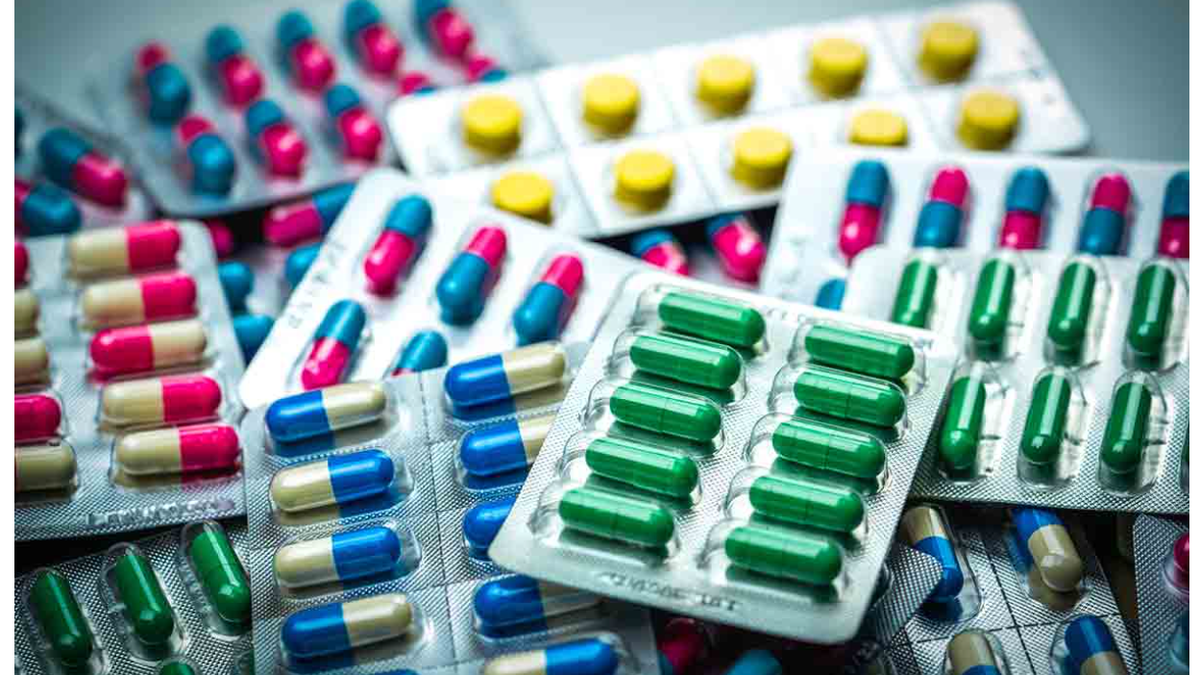
Antibiotics are often hailed as miracle drugs, capable of curing once-deadly infections and saving countless lives. However, the overuse and misuse of antibiotics in humans, animals, and agriculture have severe and often overlooked consequences. While the world is acutely aware that such practices drive antimicrobial resistance (AMR), a more insidious danger lies beneath the surface. The true peril is the profound disruption antibiotics cause to the microbiome — a disruption that ripples out to affect every organ and function of our bodies.

The human body is home to a vast, intricate community of microorganisms collectively known as the microbiome. This includes bacteria, fungi and viruses. Astonishingly, our bodies host approximately 38 trillion microbial cells, outnumbering our own cells, which total around 30 trillion. This means we are more microbial than human. The gut microbiome, in particular, plays a crucial role in maintaining our health. It aids in digestion, supports the immune system, produces essential nutrients like vitamin K and certain B vitamins, and protects against pathogens. The diversity and balance of these microbial communities are vital for our well-being.

While antibiotics are essential for treating bacterial infections, their irrational use can wreak havoc on the microbiome. Antibiotics do not discriminate between harmful pathogens and beneficial bacteria. When we take antibiotics, especially the broad-spectrum ones, they wipe out a large portion of the gut bacteria. This disruption, known as dysbiosis, can have severe and long-lasting effects. Even a single course of antibiotics can produce dysbiosis that lasts for months or even years.

Dysbiosis can cause more severe conditions like inflammatory bowel disease and irritable bowel syndrome. A healthy microbiome is essential for a robust immune system. Dysbiosis can impair immune function, making the body more susceptible to infections and autoimmune diseases. The gut microbiome also plays a crucial role in regulating metabolism.

The gut microbiome interacts with various organs through complex networks known as gut-organ axes. These interactions influence the overall health and functioning of the body. The gut-brain axis links the gut microbiome with the brain, where dysbiosis can alter neurotransmitter levels and brain chemistry, affecting mood, cognition, and mental health conditions like anxiety and depression. The gut-liver axis involves the transport of bacterial metabolites and toxins from the gut to the liver. Dysbiosis can increase gut permeability (‘leaky gut’), allowing more toxins to reach the liver and exacerbating liver conditions such as non-alcoholic fatty liver disease. The gut-skin axis involves the influence of the gut microbiome on skin health, where dysbiosis can exacerbate conditions like acne, eczema, and psoriasis by altering systemic immune responses and skin barrier function. The gut microbiome influences metabolic processes, including energy harvesting from food and the regulation of glucose and lipid metabolism. Dysbiosis can disrupt these processes, contributing to conditions like obesity, diabetes, and metabolic syndrome.

Beyond the gut, the microbiome also plays crucial roles in other parts of the body. The skin microbiome protects against harmful microorganisms and supports skin health. The respiratory tract microbiome helps defend against respiratory infections and maintains respiratory health. Antibiotic use can potentially lead to respiratory conditions such as asthma and chronic obstructive pulmonary disease. The genitourinary microbiome, which includes the vaginal and urinary microbiomes, protects against infections and maintains urinary and reproductive health. Dysbiosis in these areas can result in conditions like bacterial vaginosis and urinary tract infections.

One particularly concerning aspect of antibiotic use is its impact on colonisation resistance. This is the ability of the native gut microbiome to protect against colonisation by pathogenic microorganisms. Beneficial bacteria consume available nutrients, limiting resources for pathogens. By occupying adhesion sites on the gut epithelium, commensal bacteria prevent pathogens from attaching and establishing themselves. Antibiotic use can reduce colonisation resistance, allowing harmful bacteria to take hold and proliferate, increasing the risk of infections.

Given the profound impact of antibiotics on the microbiome and the long-term health consequences of dysbiosis, it is crucial to use antibiotics judiciously. Implementing alternative practices, such as better hygiene, vaccination, and the use of bacteriophages, can reduce the reliance on antibiotics.

Antibiotics have revolutionised medicine, but their misuse poses serious threats. The concept of medicine being a poison when misused is particularly relevant here. In the right hands, these miracle molecules cure infections and save lives. However, if misused, they disrupt the microbiome and contribute to a host of health problems, essentially becoming poisons. Antibiotics are a prime example of the medicine-poison paradox. Preserving the balance of our microbiome is essential for maintaining our health. We must carefully consider our use of antibiotics before taking them.

(Abdul Ghafur, Consultant in Infectious Diseases, Apollo Hospital, Chennai and Coordinator of Chennai Declaration on AMR)

Source link

Science Tags:Antibiotic-Induced Dysbiosis, Antibiotics and Immune System Health, Antibiotics and Microbiome, Effects of Antibiotics on Gut Health, Microbiome Disruption from Antibiotics

Post navigation

Previous Post: Bangladesh To Arrive In Pakistan Early After Unrest At Home Disrupts Training Sessions
Next Post: New Polls Give Kamala Harris Lead Over Donald Trump In 3 Key States

Related Posts

  • India’s genetic mosaic: how understanding our genes can help improve our health
    India’s genetic mosaic: how understanding our genes can help improve our health Science
  • Things to know about the Nobel Prizes
    Things to know about the Nobel Prizes Science
  • What is ‘lunarcrete’?
    What is ‘lunarcrete’? Science
  • Why climate education should be key curriculum
    Why climate education should be key curriculum Science
  • Genome-editing is helping us understand hereditary cancers better
    Genome-editing is helping us understand hereditary cancers better Science
  • Sci-Five | The Hindu Science Quiz: On first human to enter space
    Sci-Five | The Hindu Science Quiz: On first human to enter space Science

More Related Articles

Research discovers ancient Egyptian remains smell nice Research discovers ancient Egyptian remains smell nice Science
What is the HbA1C test and why is it used to check for diabetes? | Explained What is the HbA1C test and why is it used to check for diabetes? | Explained Science
Science Snapshots: May 3, 2026 Science Snapshots: May 3, 2026 Science
Rotten eggs chemical detected on Jupiter-like alien planet Rotten eggs chemical detected on Jupiter-like alien planet Science
Why can’t light microscopes see inside cells? Why can’t light microscopes see inside cells? Science
Why did the U.S. FDA decline to review the new mRNA influenza vaccine? Why did the U.S. FDA decline to review the new mRNA influenza vaccine? Science
SiteLock

Archives

  • May 2026
  • April 2026
  • March 2026
  • February 2026
  • January 2026
  • December 2025
  • November 2025
  • October 2025
  • September 2025
  • August 2025
  • July 2025
  • June 2025
  • May 2025
  • April 2025
  • March 2025
  • February 2025
  • January 2025
  • December 2024
  • November 2024
  • October 2024
  • September 2024
  • August 2024
  • July 2024
  • June 2024
  • May 2024
  • April 2024
  • March 2024
  • February 2024
  • January 2024
  • December 2023
  • November 2023
  • October 2023
  • September 2023
  • August 2023
  • July 2023
  • June 2023
  • May 2023
  • April 2023
  • March 2023
  • February 2023
  • January 2023
  • December 2022
  • November 2022
  • October 2022
  • September 2022
  • August 2022
  • July 2022
  • June 2022
  • May 2022

Categories

  • Business
  • Nation
  • Science
  • Sports
  • World

Recent Posts

  • Israel-Iran war LIVE: Iran working on Hormuz ‘protocol’ to cover ‘costs’, says Dy FM Gharibabadi
  • Russia to fulfil all agreements on energy supply to India: FM Lavrov
  • Maruti Suzuki crosses 3 million vehicle dispatches through railways, eyes 35% share by rail
  • Delhi High Court rejects plea against tax exemption for agricultural income in Capital
  • Delhi High Court refuses to entertain PIL to prevent suicides

Recent Comments

  1. Jeffreyroure on UP Teacher Who Asked Students To Slap Muslim Classmate
  2. Stevemonge on UP Teacher Who Asked Students To Slap Muslim Classmate
  3. RichardClage on UP Teacher Who Asked Students To Slap Muslim Classmate
  4. StevenLek on UP Teacher Who Asked Students To Slap Muslim Classmate
  5. Leonardren on UP Teacher Who Asked Students To Slap Muslim Classmate
  • London Jewish community ambulances set ablaze in suspected hate crime, police say
    London Jewish community ambulances set ablaze in suspected hate crime, police say World
  • Q3 Results Updates: Bajaj Finance Profit Falls 6%, Mankind Pharma Revenue Rises 12% Business
  • Access Denied World
  • IPL-17 | Decision on Deepak Chahar will be taken by medical team, says Eric Simons
    IPL-17 | Decision on Deepak Chahar will be taken by medical team, says Eric Simons Sports
  • Megacap stock selloff shows investor concerns about too much tech
    Megacap stock selloff shows investor concerns about too much tech Business
  • India’s MRO sector to be worth bn by 2031: Civil Aviation Minister Ram Mohan Naidu
    India’s MRO sector to be worth $4bn by 2031: Civil Aviation Minister Ram Mohan Naidu Business
  • Karnataka Police To Move Top Court Against Bail To Actor Darshan
    Karnataka Police To Move Top Court Against Bail To Actor Darshan Nation
  • Access Denied
    Access Denied Nation

Editor-in-Chief:
Mohammad Ariff,
MSW, MAJMC, BSW, DTL, CTS, CNM, CCR, CAL, RSL, ASOC.
editor@artifex.news

Associate Editors:
1. Zenellis R. Tuba,
zenelis@artifex.news
2. Haris Daniyel
daniyel@artifex.news

Photograher:
Rohan Das
rohan@artifex.news

Artifex.News offers Online Paid Internships to college students from India and Abroad. Interns will get a PRESS CARD and other online offers.
Send your CV (Subjectline: Paid Internship) to internship@artifex.news

Links:
Associate Journalism
About Us
Privacy Policy

News Links:
Breaking News
World
Nation
Sports
Business
Entertainment
Lifestyle

Registered Office:
72/A, Elliot Road, Kolkata - 700016
Tel: 033-22277777, 033-22172217
Email: office@artifex.news

Editorial Office / News Desk:
No. 13, Mezzanine Floor, Esplanade Metro Rail Station,
12 J. L. Nehru Road, Kolkata - 700069.
(Entry from Gate No. 5)
Tel: 033-46011099, 033-46046046
Email: editor@artifex.news

Copyright © 2023 Artifex.News Newsportal designed by Artifex Infotech.