





The International Agency for Research on Cancer’s estimates of the burden of 36 cancers in 185 countries suggest one in five individuals have a lifetime risk of developing cancer. The Agency also estimated that one in nine males and one in 12 females will die of cancer. In all, the agency counted 20 million new cancer cases and 9.74 million cancer-related deaths in 2022 and which it said could rise to a whopping 32 million new cases and 16 million deaths by 2045. By then Asia alone may account for almost half of all cases worldwide.
All cancers occur due to genetic mutations in the body’s genome and a subset of these cancers are the result of inherited mutations. Researchers have estimated that around 10% of all individuals with any cancer could have inherited a genetic mutation implicated in the cancer; they have also found the prevalence of inherited mutations to be higher among individuals with ovarian cancer (20%). It is 10% among those with breast, colorectal, lung or prostate cancers, and a lower 6% among those with cervical cancer.
The BRCA genes
Scientists have exhaustively documented hereditary cancers. We know there are more than 50 genetic syndromes (collections of symptoms) that predispose individuals to cancer and are caused by genetic variants that humans are capable of inheriting.
In fact, the discovery of the BRCA1 and the BRCA2 DNA-repair genes in 1994 and 1995, by Mary-Claire King et al. and Mark Skolnick et al. respectively, bolstered our understanding of hereditary cancer syndromes.
Hereditary breast-ovarian cancer syndrome is a relatively common cancer predisposition syndrome caused by mutations in the BRCA1 and the BRCA2 genes (or BRCA). In women, genetic mutations in BRCA primarily increase the risk of cancers of the breasts, ovaries and the fallopian tube. In men, they make prostate cancer and male breast cancer more likely. Many studies have also shown variations in the make-up of BRCA genes could increase the risk of pancreatic, colorectal, uterine, and some other cancers.
By some estimates, BRCA1 and BRCA2 mutations are present in around one in every 400 individuals, and therefore have an elevated risk of developing cancer. Researchers have also documented a higher than average prevalence in certain populations by virtue of these groups carrying specific variants of these genes. For example, among the Ashkenazi Jews that emerged in Central Europe and their descendants, around one in 40 individuals carry mutations in the BRCA genesis — about 10-times more common than in the general population.
This higher prevalence has been attributed to some genetic bottlenecks and founder effects within the community. A genetic bottleneck is when the genetic diversity in a population drops (due to various factors), leaving their gene pool ill-equipped to fend off diseases and other threats that require adaptation. When a small group of individuals with a genetic bottleneck found a new population, the bottleneck’s effects become pronounced in this group — a phenomenon called the founder effect.

Will the therapy take?
Testing for mutations in the BRCA gene is crucial because it helps individuals and clinicians identify higher risk sooner and develop personalised prevention strategies, including increased surveillance, preventive surgery, and/or targeted therapies. In a May 17 paper in the Journal of Clinical Oncology, the American Society of Clinical Oncology recommended 15 genes in all to ascertain an individual’s risk of developing breast and ovarian cancers.
There are targeted therapies available today for individuals who develop cancers due to mutations in the BRCA genes or in genes implicated in other DNA-repair pathways. One such involves poly (ADP-ribose) polymerase (PARP) inhibitors, a new class of chemotherapy drugs. Investigators have reported promising results from recent clinical trials of PARP inhibitors, particularly in combination with platinum-based chemotherapy, offering hope for millions of people facing or experiencing hereditary cancers associated with specific mutations.
Our understanding of cancer genes and the mutations that cause cancer have improved significantly of late. One reason is tools like CRISPR screens, which have transformed the way researchers study the BRCA genes by enabling high-throughput functional genetic analysis. That is, using CRISPR-Cas9 technology, researchers can target the BRCA genes and create specific mutations in them in order to study their effects on DNA repair and cancer development.
Researchers have also used such CRISPR-based methods to explore an individual’s propensity to resist targeted therapies. For example, cancers involving mutated BRCA genes are sensitive to PARP inhibitors. But studies have shown many mutations in other genes involved in DNA repair could also influence the response to PARP inhibitors, and there doesn’t yet exist a consistent method to predict it in clinical settings. So last year, a study published in the journal Nature Communications used genome-wide CRISPR-Cas9 screens to identify specific mutations that increase the sensitivity to PARP inhibitors.
Risk is a spectrum
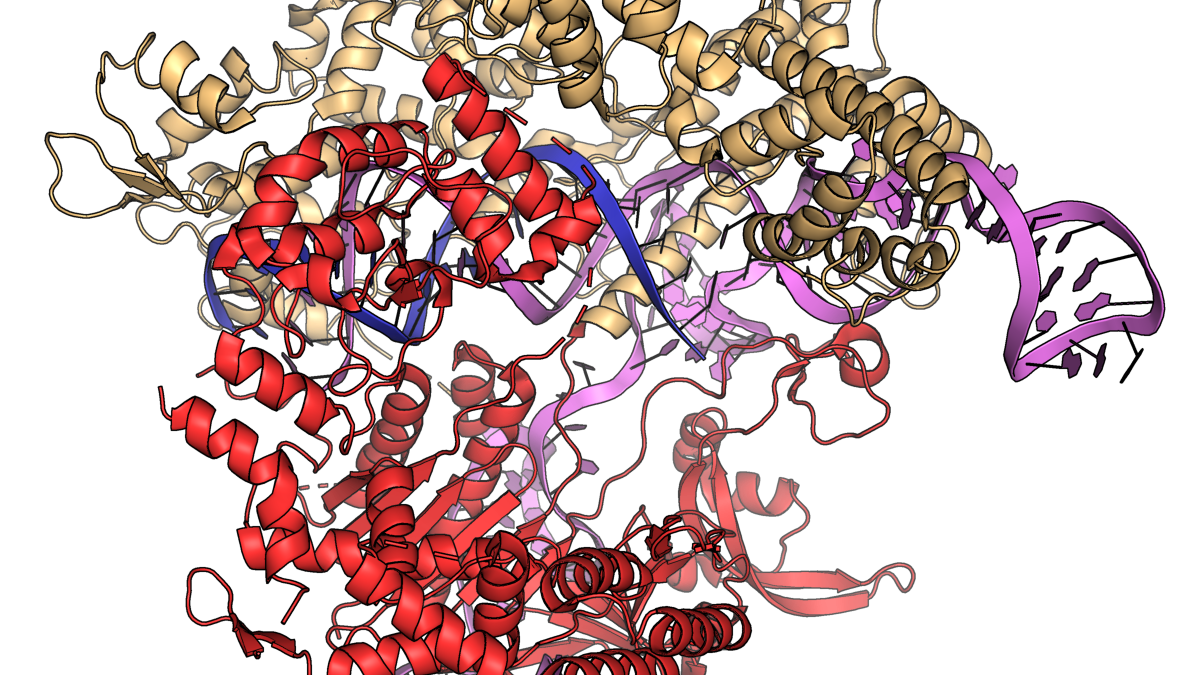
In another, more recent paper, researchers at the Wellcome Sanger Institute in the U.K. reported identifying more than 3,000 genetic changes in the RAD51C gene, which is also crucial for DNA repair, that may significantly increase the risk of breast and ovarian cancers. After they mapped the structure of the protein encoded by this gene, the researchers were able to pinpoint the portions they determined to be critical for repairing DNA. So drugs targeting this portion could pave the way for new therapeutic strategies.
The researchers used a technique called saturation genome editing to examine 9,188 variants, revealing that 3,094 could disrupt the gene’s function and increase ovarian cancer risk six-fold and aggressive breast cancer risk four-fold. They also discovered variants that partially impaired RAD51C function, suggesting a broader spectrum of risk for breast and ovarian cancers than previously understood.
The findings, published in Cellon September 18, offer novel insights that clinicians can use to clarify the effects of RAD51C mutations.

Importantly, the study confirmed genetic risk lies on a spectrum influenced by the extent to which genetic changes affect protein function while emphasising the value of large-scale variant analysis for better personalised medicine and cancer prevention strategies. The researchers are preparing to apply similar techniques to other genes with plans to eventually cover the entire human genome.
Cancer discovered early
Population prevalence studies play an important role in identifying the spread of certain hereditary cancers in different groups. These studies help uncover genetic risk factors that may be more common in certain populations due to founder events. In tandem, at-risk individuals need to undergo genetic screening at regular intervals.
The result will potentially be a cancer discovered early, which will help the individual make more informed healthcare decisions, alert their family members to risk for them as well, and adopt therapies likely to be more effective, including preventive treatment and lifestyle changes.
The ultimate outcome is for cancer morbidity and mortality to drop and, beyond, for everyone to have healthier lives.
The authors work at Karkinos Healthcare and are adjunct professors at IIT Kanpur and the Dr D.Y. Patil Medical College and Research Centre.
Published – October 08, 2024 05:30 am IST