


Taxonomy is the science of describing, classifying and naming organisms. It organises the vast diversity of life on Earth. Species are grouped based on shared characteristics, providing a system that allows scientists to understand and communicate about the natural world.
Naming species is no simple task: a scientist doesn’t just assign a name and call it a day. Taxonomy is a carefully structured process governed by strict international rules such as the International Code of Nomenclature for algae, fungi and plants.
Based on these rules, each species receives a unique scientific name, often derived from Latin or Greek. One of the most important features of taxonomy is binomial nomenclature. This two-part naming system was introduced by the renowned Swedish taxonomist Carl Linnaeus in the 18th century. For example, while the house cat is known by various names in different languages its universal scientific name is Felis catus. This consistent naming system ensures that scientists can communicate unambiguously even if they speak different languages.
When scientists discover a new species, they are responsible for naming it, following the international naming conventions. These names frequently reflect the species’ physical characteristics, habitat or behaviour. Others are inspired by cultural or historical events. They may honour a person, place, or even a mythological figure. It makes taxonomy not just a technical field but also a fascinating narrative about the natural world.
Some species have recently been named after politicians and musical celebrities. There’s Scaptia beyonceae (a horsefly named for singer Beyoncé Knowles), Singafrotypa mandela (a spider, named for global statesman Nelson Mandela) and Neopalpa donaldtrumpi (a moth, named for incoming US president Donald Trump).
That is why we say taxonomy does not exist in a vacuum. It is deeply entwined with history and society – and many species have names that reflect outdated or harmful biases.
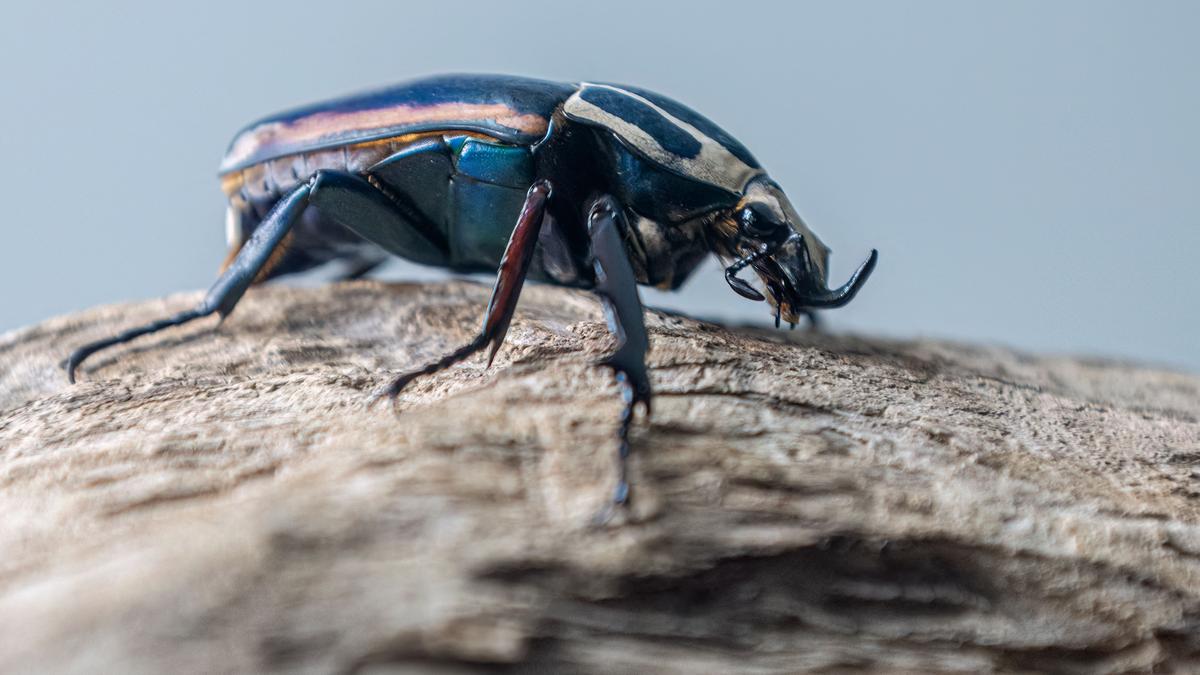
One example is Anophthalmus hitleri, a blind beetle. The species was named by amateur Austrian entomologist Oskar Scheibel as a tribute to Adolf Hitler. who had just become Germany’s chancellor and would go on to become a brutal dictator. Today the beetle is critically endangered, partly because of its appeal to those who collect Nazi memorabilia.
Another example is Hottentotta jayakari jayakari, a species of scorpion. The term “Hottentot” was used by European colonisers to denigrate the Khoekhoe people of south-western Africa, mocking their language.
The enduring legacy of racist, offensive terms in scientific nomenclature raises important questions about ethics in naming and the power of language in maintaining or dismantling colonial legacies.
There is a growing call by scientists to revise species names that are offensive, outdated, or linked to colonialism, social injustice or prejudice.
We are researchers from diverse backgrounds, united by our focus on biodiversity. Some of us specialise in evolutionary ecology; others have strong expertise in taxonomy. In an opinion piece published in Proceedings of the National Academy of Sciences, we argue that the digital age offers new tools to change names without disrupting scientific research. Persistent identifiers are one such tool. These are unique, permanent references used to consistently identify a taxonomic group regardless of name changes.
These tools can ensure that name changes are smoothly integrated, preserving the integrity of science while addressing issues of respect and inclusivity.
Precedent
There is no reason for name changes driven by ethical concerns to be singled out and treated as disruptive.
After all, as we point out in our analysis, changing taxonomic names is hardly unprecedented. Names are dynamic. They often evolve over time as new discoveries are made. Species can be split or grouped together based on new research. One example is Uta stansburiana (desert side-blotched lizard). It has undergone 11 previous name changes for scientific reasons. It is unified under the persistent identifier 7F3TX, linking all its historical names together.
And now there is even precedent for changing names for ethical reasons. Earlier in 2024 the International Botanical Congress removed the racially offensive term “caffra”, replacing it with “affra” for over 200 species. The word is derived from a derogatory term historically used in South Africa to refer to Black Africans, which in turn comes from the Arabic word kafir, which means “infidel” or “nonbeliever”.
The change stemmed from a formal request that was put to a vote during the congress. Around 60% of the participants agreed to rename these species due to their offensive origins. However, at the same time, a new rule was introduced to prevent future name changes based solely on ethical grounds. The concern was that similar requests could become endless, potentially disrupting the stability of scientific naming.
We argue that such a rigid stance is counterproductive. A more systematic approach to addressing these issues is the only way forward.
Opponents of name changes for ethical reasons argue that any name or word can potentially offend someone and that the meanings of words change over time. This is true. So, we suggest that a social impact assessment be added when considering changes.
Some may worry that such a system is open to manipulation. Somebody could challenge many names for spurious reasons, perhaps hoping to have themselves named as the author in the event of a name change. However, we believe that original author names must be preserved.
Retaining the original author names complies with the International Code of Zoological Nomenclature guidelines for taxonomic changes based on gender agreement adjustments (when taxa traditionally considered female are assigned male-associated names or vice versa). For example, if a butterfly like Papilio glaucus were transferred to a genus with a feminine name, the epithet glaucus (masculine form) would be adjusted to glauca to agree in gender with the new genus. This practice ensures proper attribution and maintains historical credit for the original authors while adhering to established nomenclature standards.
A symbolic approach
Another potential method to address problematic eponyms – species named for individuals – is to take a symbolic approach, replacing them with neutral placeholders.
This idea is inspired by African American leader and activist Malcolm X. As a young man, he rejected his ancestral “slave name”, Little, changing it to “X” as a protest against the loss of his ancestral identity and his birth surname’s ties to historical oppression.
Similarly, replacing names like Anophthalmus hitleri with alternatives such as Anophthalmus z could break associations with harmful figures while preserving the taxonomic structure. This approach offers a way to confront historical injustices while maintaining scientific clarity and integrity.
Above all, the use of robust central persistent identifiers for taxonomic groups, as we propose, would address more than just ethical concerns. These identifiers could also support name changes driven by scientific advancements, creating a win-win situation – resolving ethical issues while preserving scientific integrity.
More than words
The debate over renaming species names that have ethical issues is not simply about words. It is about ensuring that science remains relevant in a changing world. By addressing the ethical concerns surrounding taxonomy, we can build a more thoughtful and inclusive scientific community.
Published – December 04, 2024 05:55 pm IST