
Skip to content
  • Facebook
  • X
  • Linkedin
  • WhatsApp
  • YouTube
  • Associate Journalism
  • About Us
  • Privacy Policy
  • 033-46046046
  • editor@artifex.news
Artifex.News

Artifex.News

Stay Connected. Stay Informed.

  • Breaking News
  • World
  • Nation
  • Sports
  • Business
  • Science
  • Entertainment
  • Lifestyle
  • Toggle search form
  • Man Beaten To Death By Drug Dealer, His Sons In Gurugram: Cops
    Man Beaten To Death By Drug Dealer, His Sons In Gurugram: Cops Nation
  • L&T Vyoma breaks ground for 40 MW green, AI-ready data centre in Navi Mumbai
    L&T Vyoma breaks ground for 40 MW green, AI-ready data centre in Navi Mumbai Business
  • Watch: Two men seen dangerously close to erupting Kilauea volcano lava
    Watch: Two men seen dangerously close to erupting Kilauea volcano lava World
  • Access Denied Sports
  • Rajya Sabha Results Not Out, Akhilesh Yadav Says 3rd Seat Bid Was Test
    Rajya Sabha Results Not Out, Akhilesh Yadav Says 3rd Seat Bid Was Test Nation
  • Access Denied Sports
  • TNPL 2024 | Sonu Yadav sizzles with the ball as Royal Kings rule the day
    TNPL 2024 | Sonu Yadav sizzles with the ball as Royal Kings rule the day Sports
  • Jimmy Carter and his hometown of Plains celebrate the 39th president’s 100th birthday
    Jimmy Carter and his hometown of Plains celebrate the 39th president’s 100th birthday World
In its 2024 report, WHO lists over 30 pathogens that could perhaps start the next pandemic

In its 2024 report, WHO lists over 30 pathogens that could perhaps start the next pandemic

Posted on August 8, 2024 By admin


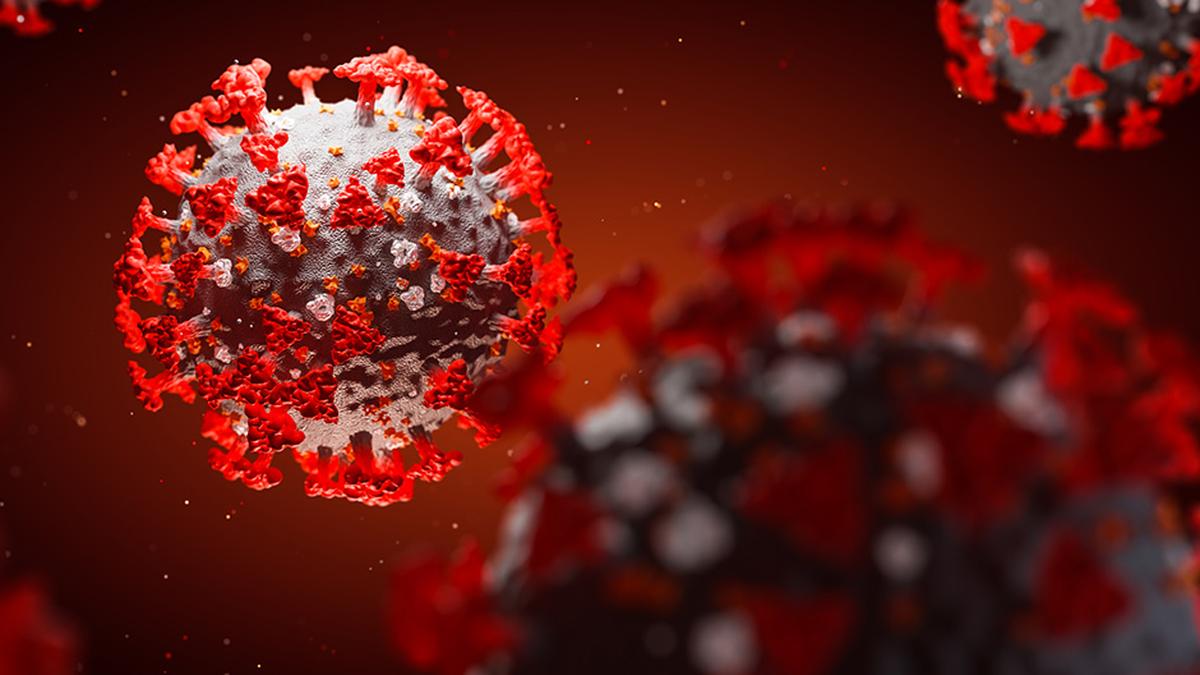
Reminders that Covid-19 has not gone away pop up from time to time, even if the world seems to have moved on. More than 40 athletes at the 2024 Olympics in Paris have tested positive, highlighting a new global rise in cases, the World Health Organization (WHO) said on August 6. And now, the subgenus Sarbecovirus, of which SARS-CoV-2 is a member, is on the list of ‘priority pathogens’ in the WHO’s recently-released ‘Pathogens Prioritization’ report.

The report, which is a framework for epidemic and pandemic research preparedness, is the result of work that began in late 2022, involving over 200 scientists from 54 countries who evaluated the evidence related to 28 viral families and one core group of bacteria, encompassing 1,652 pathogens. The final list comprises over 30 ‘priority pathogens’.

Sarbecovirus is classified as ‘high’ in the WHO list, for its risk of causing a Public Health Emergency of International Concern or PHEIC. The list also includes Subgenus Merbecovirus, which includes the Middle East Respiratory Syndrome Coronavirus (MERS-CoV). Both MERS-CoV and the Severe Acute Respiratory Syndrome (SARS) virus were also listed in the 2017 and 2018 WHO reports, but not their entire subgenuses.

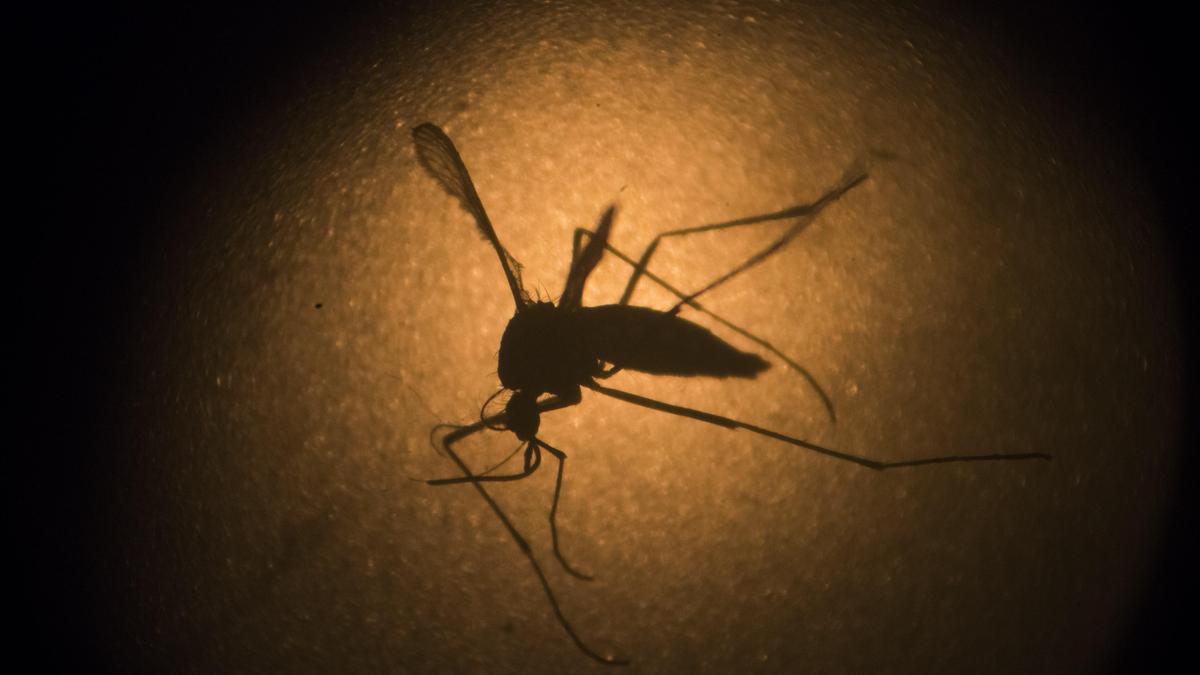
On the list of priority pathogens, but not a new addition, is another virus that India has been dealing with of late: Nipah, a 14-year-old boy died at the Government Medical College Hospital, Kozhikode, Kerala, after contracting it. Both Ebola and Zika virus too, feature on the list, as they did in 2018, with both classified as ‘high’ for a Publuc Health Emergency of International Concern or PHEIC risk. Maharashtra is currently grappling with a Zika virus outbreak – reports indicate there have been over 70 cases of Zika in Pune in the past two months and these include 26 pregnant women.

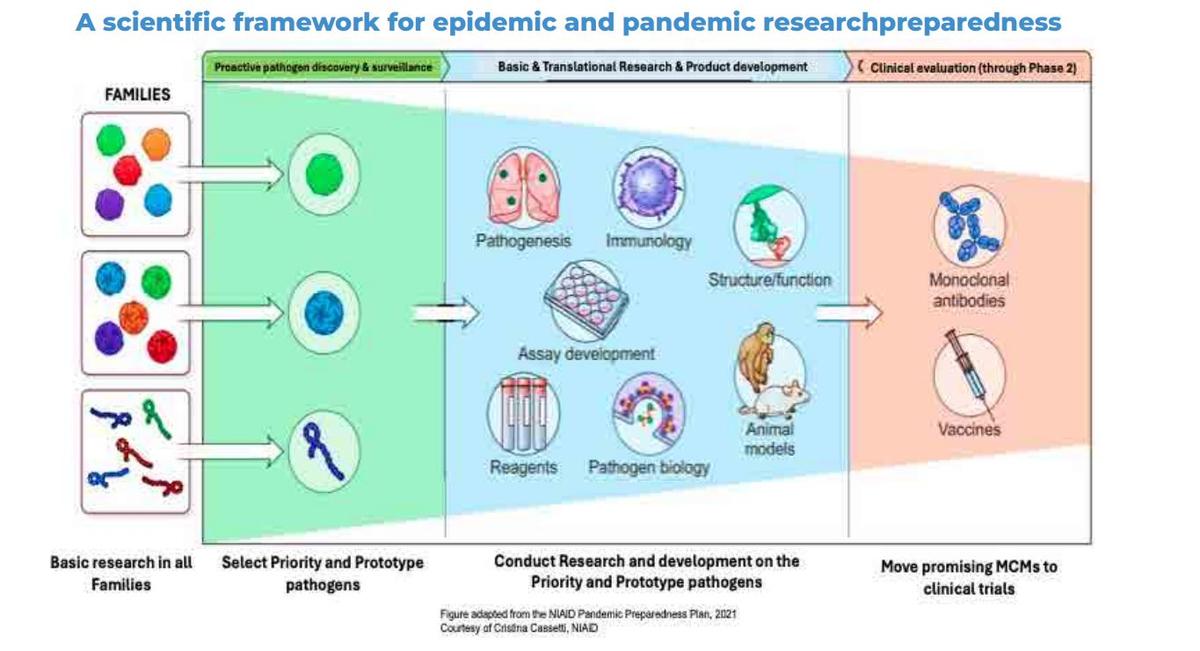
Imagine scientists and public health officials as individuals searching for the “lost keys” (the next pandemic pathogen). The area illuminated by the “streetlight” represents the Priority Pathogens. We can expand the lighted area a bit by researching the Prototype Pathogens and using them as pathfinders within Families to expand our knowledge and understanding. Neglecting the “Dark Areas” is not advisable given the uncertainty about which pathogen will indeed cause the next PHEIC or pandemic.
| Photo Credit:
WHO, Pathogens Prioritization, June 2024 report

The list of priority pathogens, says Chennai-based infectious diseases specialist Subramanian Swaminathan, is a pointer towards the pathogens that governments could allocate resources towards, for surveillance and medical countermeasures. This does not mean all of them are currently a problem, he says, but it means that countries have to monitor these pathogens as they have the potential to turn into a problem. 

“Surveillance of these pathogens has to involve multiple aspects – is the pathogen spreading beyond a geographical area, is it becoming more virulent, is its transmissibility increasing, is the clinical manifestation of the disease it causes changing, is it becoming more resistant to known treatment and does it have vaccine escape properties – all of these aspects have to be monitored,” he says.

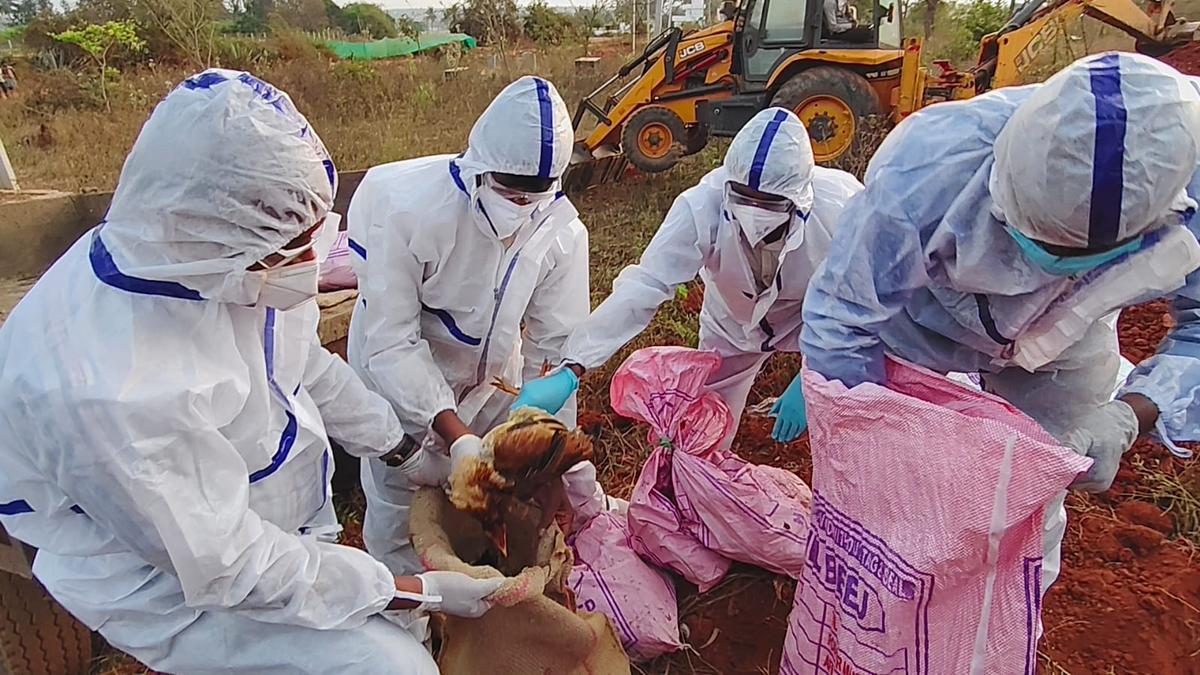
What else is new on the list? The dengue virus and the influenza A viruses, including the H5 subtype, which caused an avian influenza outbreak in India and which even affected cattle in the United States are now on the list, along with mpox, which has currently erupted in parts of Africa.

Among bacteria added to the list are those that cause plague, cholera, pneumonia, dysentery and non-typhoidal salmonella, a key cause of diarrhoeal diseases. 

It may be recalled that early this year, the WHO had updated the Bacterial Pathogens Priority List (BPPL) and this had included gram-negative bacteria resistant to last resort antibiotics, and Mycobacterium tuberculosis resistant to the antibiotic Rifampicin. The list had featured 15 families of antibiotic-resistant bacteria.
In the Southeast Asia region, the report notes, bacterial pathogens are priorities including Vibrio cholera O139 (cholera) and Shigella dysenteriae serotype 1 (dysentery). Priority pathogens Henipavirus nipahense (Nipah) and Bandavirus dabieense (causes severe fever with thrombocytopenia syndrome) are endemic it said, as are the mosquito-borne Orthoflavivirus denguei (dengue) and Zikaense (Zika virus disease), and Alphavirus chikungunya.

Resources, says Priscilla Rupali, senior professor & head, Department of Infectious Diseases, Christian Medical College, Vellore, need to be focussed on diseases of high mortality that have pandemic potential such cholera, Nipah, dengue and Zika. For other diseases that cause a fair bit of morbidity such as chikungunya, and shigella etc., surveillance to predict epidemics is important, Prof Rupali notes.

The report, says Abdul Ghafur, consultant infectious diseases, Apollo hospitals, Chennai, has on its list some diseases that India is already aware of and grappling with including Nipah, Zika and dengue. “What we need is more data and more research, but crucially, more low-cost diagnostics for priority pathogens. The Indian government needs to support start-ups to develop such diagnostics for these pathogens,” he says.

Prototype pathogens

The 2024 report, incorporates for the first time, the concept of the ‘Family approach’ and the ‘Prototype Pathogen’. The family approach, says Dr. Swaminathan, is important, as pathogens within a family have a lot of similarities, and even share genetic material, meaning an existing treatment option or vaccine for one strain of the pathogen family could potentially be repurposed for another. “By prioritizing research on entire pathogen Families as opposed to a handful of individual pathogens, this strategy bolsters the capability to respond efficiently to unforeseen variants, emerging pathogens, zoonotic transmissions, and unknown threats such as ‘Pathogen X,’ the report states.

The ‘prototype pathogens’, the report says, are “representative pathogens within a family selected to serve as a model for fundamental research” to develop medical countermeasures that can be applied to other members of the family.

As the report notes, the global health landscape is subject to constant evolution, with the potential emergence of new pathogens and evolution in the threat levels posed by existing ones: it emphasises the critical necessity for investments in research, development, and innovation on an international scale.

For the full report, click here.

(Zubeda.h@thehindu.co.in)



Source link

Science Tags:2024, pandemic, what can cause the nect epidemic, who global priority pathogens list, who priority pathogens list, who priority pathogens list viruses

Post navigation

Previous Post: Iran warns airlines to avoid its airspace for three hours over military drills, Egypt says
Next Post: Actor Shanto Khan, His Father Lynched During Unrest In Bangladesh, Had Played Role Of Sheikh Mujibur Rahman

Related Posts

  • When American astronauts returned to space
    When American astronauts returned to space Science
  • Crushed stones beneath our railway tracks? Why?
    Crushed stones beneath our railway tracks? Why? Science
  • Feminising hormone therapy can alter proteins in transwomen’s blood
    Feminising hormone therapy can alter proteins in transwomen’s blood Science
  • Why is a blood moon called so?
    Why is a blood moon called so? Science
  • IIT Madras researchers on a mission to develop technologies for space exploration
    IIT Madras researchers on a mission to develop technologies for space exploration Science
  • ISRO to hold more test Gaganyaan vehicle missions after maiden test flight on Oct 21: Chairman Somanath
    ISRO to hold more test Gaganyaan vehicle missions after maiden test flight on Oct 21: Chairman Somanath Science

More Related Articles

What is an AI agent? The computer science of the next wave of AI tools What is an AI agent? The computer science of the next wave of AI tools Science
The tale of the tigers The tale of the tigers Science
Psychedelics are revealing how the brain builds the sense of self Psychedelics are revealing how the brain builds the sense of self Science
Heart failure, not stroke is the common complication of atrial fibrillation Heart failure, not stroke is the common complication of atrial fibrillation Science
The story of dapsone: from dye to drug The story of dapsone: from dye to drug Science
With Earth locked down in 2020, Moon saw cooler days and nights: Study With Earth locked down in 2020, Moon saw cooler days and nights: Study Science
SiteLock

Archives

  • May 2026
  • April 2026
  • March 2026
  • February 2026
  • January 2026
  • December 2025
  • November 2025
  • October 2025
  • September 2025
  • August 2025
  • July 2025
  • June 2025
  • May 2025
  • April 2025
  • March 2025
  • February 2025
  • January 2025
  • December 2024
  • November 2024
  • October 2024
  • September 2024
  • August 2024
  • July 2024
  • June 2024
  • May 2024
  • April 2024
  • March 2024
  • February 2024
  • January 2024
  • December 2023
  • November 2023
  • October 2023
  • September 2023
  • August 2023
  • July 2023
  • June 2023
  • May 2023
  • April 2023
  • March 2023
  • February 2023
  • January 2023
  • December 2022
  • November 2022
  • October 2022
  • September 2022
  • August 2022
  • July 2022
  • June 2022
  • May 2022

Categories

  • Business
  • Nation
  • Science
  • Sports
  • World

Recent Posts

  • PM Modi, leaders pays homage to Tagore on Rabindra Jayanti
  • Handwriting on new Epstein note matches one found after his death, say experts
  • ‘Aakhri Sawal’: Sanjay Dutt’s political-drama gets new release date; trailer unveiled
  • IPL 2026: Axar Patel shifts focus to next season after KKR crushes DC’s playoff hopes
  • ‘Think before you throw’: This event will teach you how to use scraps in your kitchen for zero waste cooking

Recent Comments

  1. CalebKar on UP Teacher Who Asked Students To Slap Muslim Classmate
  2. Alvinadubs on UP Teacher Who Asked Students To Slap Muslim Classmate
  3. CharlesVOX on UP Teacher Who Asked Students To Slap Muslim Classmate
  4. Robertgop on UP Teacher Who Asked Students To Slap Muslim Classmate
  5. ShaneElden on UP Teacher Who Asked Students To Slap Muslim Classmate
  • With defeat in Kerala, Left out of power for first time since 1977
    With defeat in Kerala, Left out of power for first time since 1977 Nation
  • Australia Coach Makes Big ‘Desperate’ Revelation As India Avoid Follow-On In Brisbane Test
    Australia Coach Makes Big ‘Desperate’ Revelation As India Avoid Follow-On In Brisbane Test Sports
  • Access Denied Sports
  • South Korean Actress Kim Sae-Ron, 24, Found Dead At Home In Seoul
    South Korean Actress Kim Sae-Ron, 24, Found Dead At Home In Seoul World
  • Access Denied
    Access Denied Nation
  • Access Denied World
  • “It’s A Shame But Thank God”: Usman Khawaja’s Honest Take On Jasprit Bumrah’s Absence
    “It’s A Shame But Thank God”: Usman Khawaja’s Honest Take On Jasprit Bumrah’s Absence Sports
  • Access Denied Sports

Editor-in-Chief:
Mohammad Ariff,
MSW, MAJMC, BSW, DTL, CTS, CNM, CCR, CAL, RSL, ASOC.
editor@artifex.news

Associate Editors:
1. Zenellis R. Tuba,
zenelis@artifex.news
2. Haris Daniyel
daniyel@artifex.news

Photograher:
Rohan Das
rohan@artifex.news

Artifex.News offers Online Paid Internships to college students from India and Abroad. Interns will get a PRESS CARD and other online offers.
Send your CV (Subjectline: Paid Internship) to internship@artifex.news

Links:
Associate Journalism
About Us
Privacy Policy

News Links:
Breaking News
World
Nation
Sports
Business
Entertainment
Lifestyle

Registered Office:
72/A, Elliot Road, Kolkata - 700016
Tel: 033-22277777, 033-22172217
Email: office@artifex.news

Editorial Office / News Desk:
No. 13, Mezzanine Floor, Esplanade Metro Rail Station,
12 J. L. Nehru Road, Kolkata - 700069.
(Entry from Gate No. 5)
Tel: 033-46011099, 033-46046046
Email: editor@artifex.news

Copyright © 2023 Artifex.News Newsportal designed by Artifex Infotech.