




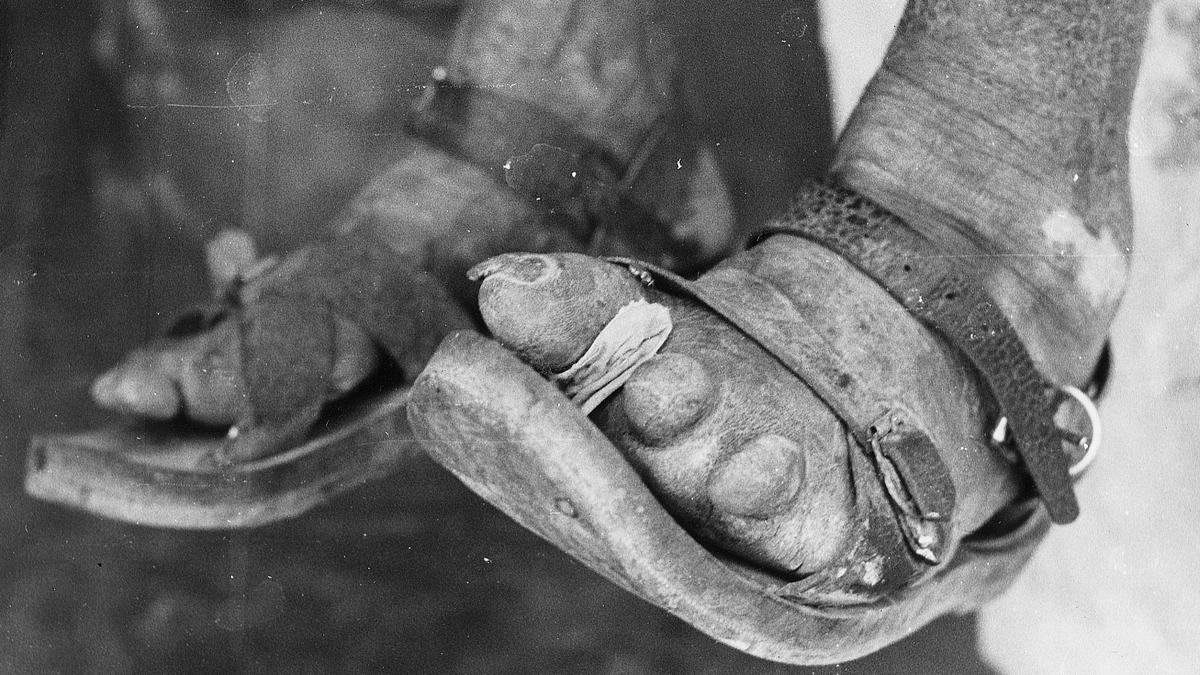
India observes Anti-Leprosy Day on January 30, the death anniversary of Mahatma Gandhi. For most of history, leprosy was treated not as a medical condition but as a moral one. Across major religions and ancient traditions, people with leprosy were described as impure, cursed, or unclean. They were made to live outside towns, barred from temples, and denied family life. Many laws even explicitly discriminated against people affected by leprosy in the past. These beliefs were not based on science, but on fear of the visible deformities and the long duration of the illness. Even today, the word “leper” carries negative connotations. Modern medicine discourages the term and uses “Hansen’s Disease” instead.
The disease and its stigma
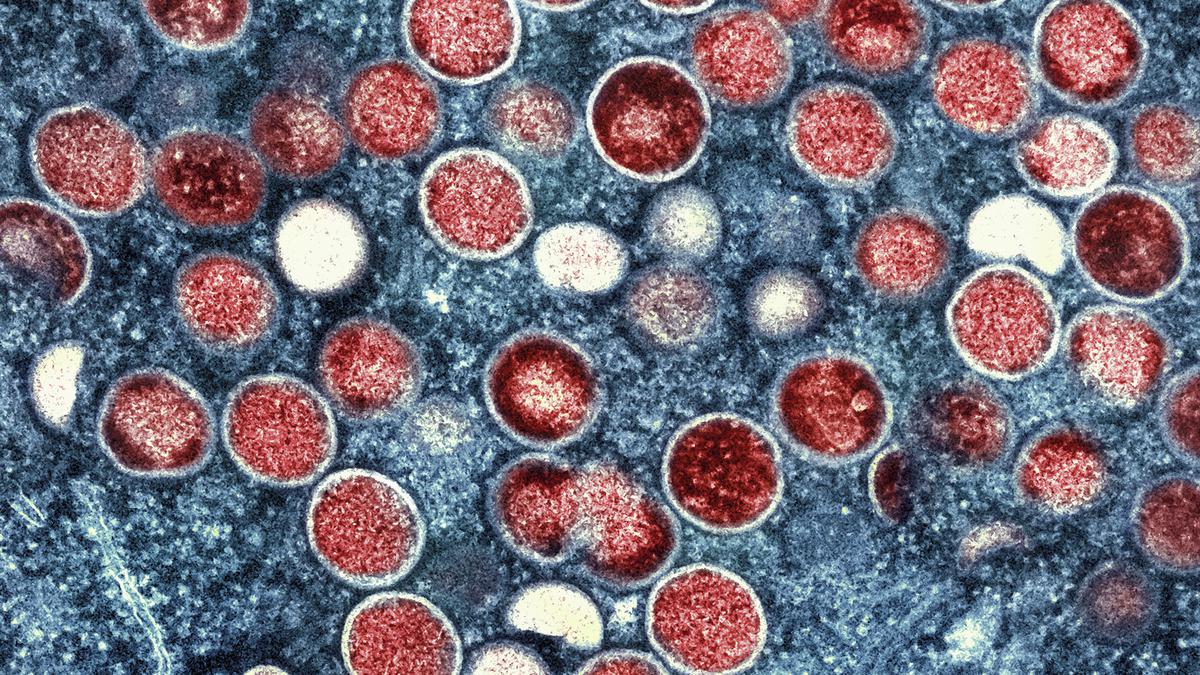
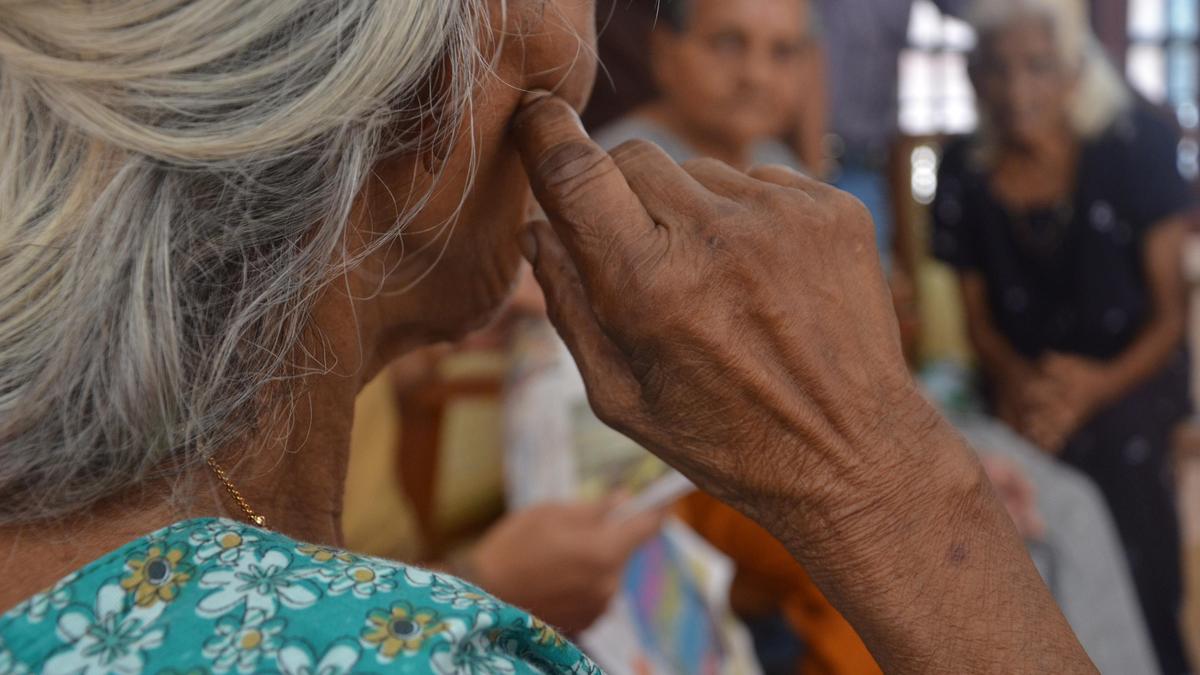
Hansen’s Disease is caused by a bacteria (Mycobacterium leprae)that affects the skin and peripheral nerves. When untreated, it causes loss of sensation in the hands and feet, leading to burns and injuries that go unnoticed. Over time, fingers and toes may be lost. These visible changes created fear. The disease progresses slowly, and many patients lived with symptoms for years before diagnosis. During this time, nerve damage becomes permanent even after the bacteria are killed. This is why early detection matters. The social effects are often worse than the medical ones. People with Hansen’s Disease have been denied employment, education, marriage, and housing, with families even hiding affected members from the outside world.
Norwegian physician Gerhard Henrik Armauer Hansen identified the bacterium Mycobacterium leprae, in 1873. This shifted Hansen’s Disease from the realm of theology and superstition into the domain of science. However, this discovery did not immediately change patient outcomes. For decades after Hansen’s finding, there was still no effective treatment. Doctors did not understand how the bacterium was transmitted and could not find a cure. Patients continued to be isolated, stigmatised, and institutionalised.
For much of human history, there was no reliable method to treat leprosy. Chaulmoogra oil, extracted from the seeds of the tree and used for centuries in India and other regions, was the main traditional therapy. It was painful to administer and had a limited effect. It slowed the disease in some patients but cured very few. Doctors also tried arsenic, mercury, and radiation, but failed. Leprosy remained incurable well into the twentieth century.

From dye to drug
The story of dapsone begins far from any leprosy ward. In 1908, chemists in Germany working on synthetic dyes for the textile industry synthesised a compound called diamino-diphenyl-sulfone. It had no medical purpose; it was simply a chemical intermediate. In the 1930s, sulfa compounds became the first widely used antibacterial agents. Scientists noticed that some sulphur-containing chemicals could slow bacterial growth. This led them to test older compounds, including the dye compound that later became known as dapsone.
Early animal experiments showed that the compound could kill bacteria, but it also caused severe blood toxicity and anaemia. Because of these side effects, it was initially considered too dangerous for human use. Researchers then modified the compound into a safer injectable form called Promin. Promin was first tested for tuberculosis and later for Hansen’s, as they both are caused by mycobacteria.
In the early 1940s, physicians treating patients with Hansen’s Disease noticed that Promin reduced bacterial lesions and improved clinical symptoms. Doctors then revisited the original compound, dapsone, and worked out safe oral doses. Tablets were easier to use than injections and were more affordable. By the late 1940s and early 1950s, dapsone became the standard treatment for Hansen’s across countries, making it a treatable disease.

How It works
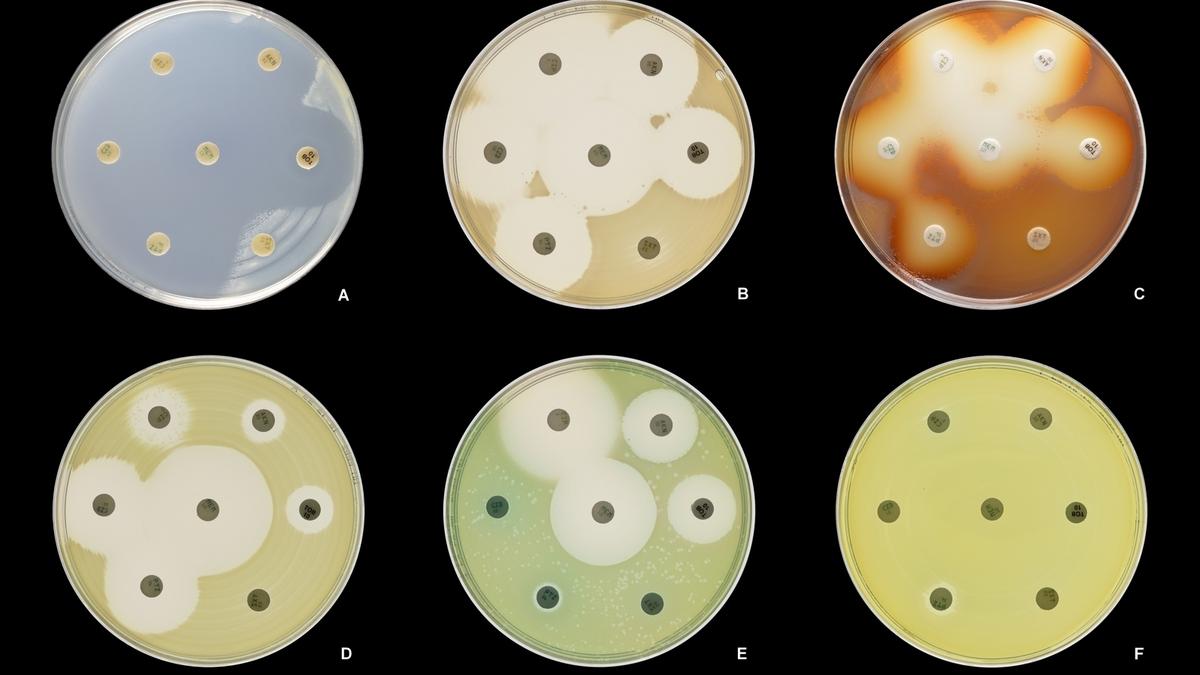
Dapsone (C12H12N2O2S) inhibits folate synthesis in the bacteria. Folate is required to make the bacteria’s DNA. Without it, Mycobacterium leprae cannot multiply. Because the bacterium grows slowly, dapsone does not kill it rapidly, but instead, stops further growth. Over months and years, the body’s immune system clears the remaining bacteria. When dapsone was used alone, resistance sometimes developed, which led to the introduction of combination therapy.
Dapsone remains a central drug in the treatment of Hansen’s disease and is included in the World Health Organization’s List of Essential Medicines. Like all medicines, dapsone has adverse effects including haemolytic anaemia and methemoglobinemia affecting the blood, liver inflammation, skin rashes, and a serious hypersensitivity reaction known as dapsone syndrome. Outside medicine, dapsone and related compounds are still used in industry to manufacture dyes, polymers, and speciality chemicals.
Today, Hansen’s disease is treated with multidrug therapy using dapsone, rifampicin, and clofazimine. Each drug attacks the bacterium differently. Together, they prevent resistance and shorten treatment time. Patients with limited disease (Pauci-bacillary) are treated for six months. Those with more extensive disease (Multi-bacillary) are treated for twelve months. After completing the full course, patients are cured and no longer spread the infection.
In April 2025, India introduced revised national guidelines under its National Leprosy Eradication Programme. These guidelines standardised the three-drug regimen for all patients and emphasised early diagnosis based on lesion count and nerve involvement.

India’s burden
In India, the prevalence rate has fallen from 57.2 per 10,000 population in 1981 to just 0.57 in 2025, and although this is below the global elimination threshold, transmission persists in several States and districts. India continues to report the largest number of new cases of Hansen’s disease in the world. More than 1,00,000 new cases were detected in 2023. A significant proportion of these are children, indicating ongoing community transmission. The decline in prevalence since the 1980s is real, but the disease has not disappeared. It persists where poverty, crowding, under-nutrition, and limited access to health services intersect.
Hansen’s Disease is no longer a public health emergency, but it remains a public health responsibility. The cure came from the textile industry, and was repurposed into drug, in an unintended discovery. Dapsone helped alter the social meaning of “leprosy”. On Anti-Leprosy Day, the lesson is the continuing need to combine medicine with dignity, early diagnosis, and social acceptance.
(Dr. C. Aravinda is an academic and public health physician. The views expressed are personal. aravindaaiimsjr10@hotmail.com)
Published – January 31, 2026 03:05 pm IST