
Skip to content
  • Facebook
  • X
  • Linkedin
  • WhatsApp
  • YouTube
  • Associate Journalism
  • About Us
  • Privacy Policy
  • 033-46046046
  • editor@artifex.news
Artifex.News

Artifex.News

Stay Connected. Stay Informed.

  • Breaking News
  • World
  • Nation
  • Sports
  • Business
  • Science
  • Entertainment
  • Lifestyle
  • Toggle search form
  • Access Denied World
  • Sri Lanka summons Indian diplomat over naval sailor’s death 
    Sri Lanka summons Indian diplomat over naval sailor’s death  World
  • Arvind Kejriwal Requests Supreme Court To Extend Interim Bail By 7 Days
    Arvind Kejriwal Requests Supreme Court To Extend Interim Bail By 7 Days Nation
  • Elon Musk Reacts To Rajya Sabha MP’s “Pakistani Grooming Gangs” Post
    Elon Musk Reacts To Rajya Sabha MP’s “Pakistani Grooming Gangs” Post Nation
  • Maratha reservation stir | What are its implications of the OBC backlash?
    Maratha reservation stir | What are its implications of the OBC backlash? Nation
  • Sensex, Nifty end marginally lower amid volatile trade
    Sensex, Nifty end marginally lower amid volatile trade Business
  • Bengaluru Cops Look For Suspect After Woman’s 30 Body Parts Found In Fridge
    Bengaluru Cops Look For Suspect After Woman’s 30 Body Parts Found In Fridge Nation
  • ‘Optimist’ McCullum can work magic with England’s white-ball teams, says Pope
    ‘Optimist’ McCullum can work magic with England’s white-ball teams, says Pope Sports
Could groundbreaking CAR-T cancer therapy trigger more cancer?

Could groundbreaking CAR-T cancer therapy trigger more cancer?

Posted on July 3, 2024 By admin


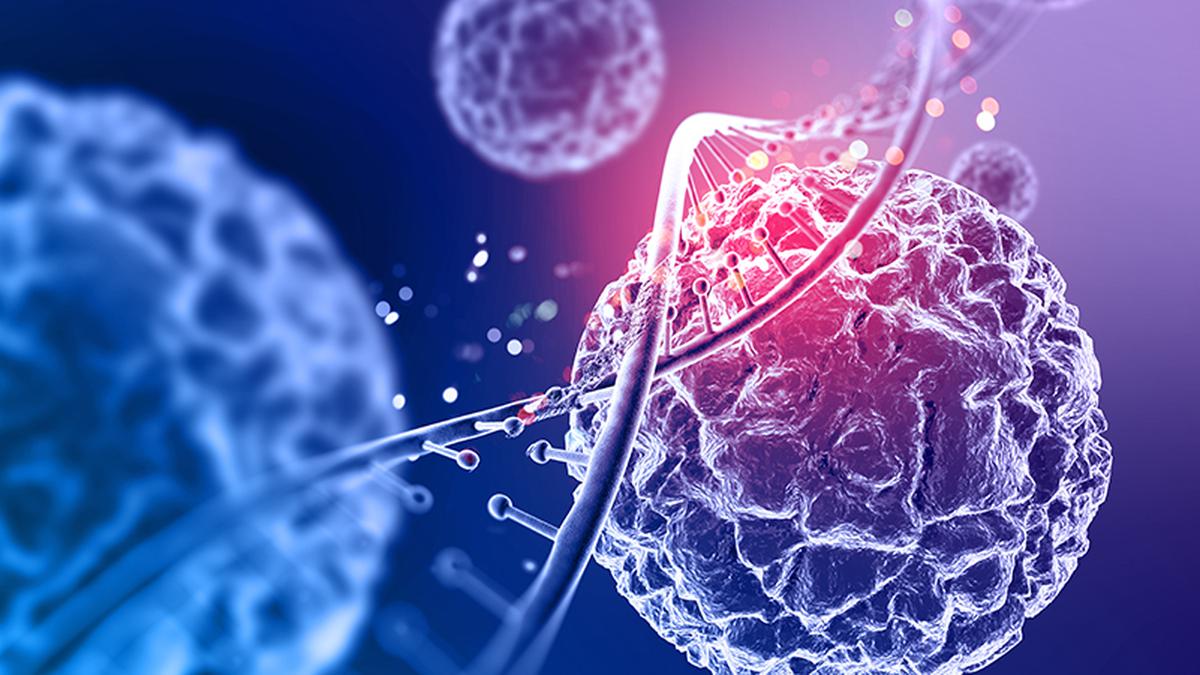
In the last few decades, scientists have finally learned to harness the immune system to successfully treat cancer. Image for Representation.
| Photo Credit: Freepik

In the last few decades, scientists have finally learned to harness the immune system to successfully treat cancer. Although doctors often use immunotherapy drugs, another type of treatment uses patient’s cells to treat their own cancers.

Car-T therapy, short for “chimeric antigen receptor T-cell”, is a cutting-edge treatment that reprogrammes a patient’s immune cells to fight their cancer. This innovative approach involves taking T-cells, a type of white blood cell that plays a crucial role in the immune system, from a patient and modifying them in a laboratory to better recognise and attack cancer cells.

These enhanced T-cells are then multiplied and infused back into the patient, where they seek out and destroy cancer cells. Lots of data shows that in difficult-to-treat lymphomas, a type of cancer, patients can do so well.

In November 2023, the US Food and Drug Administration (FDA) announced an investigation into this celebrated cancer treatment. They were looking into whether Car-T therapy might be causing new cancers in some patients who had undergone the treatment. This was a significant concern given the therapy’s reputation as a revolutionary cancer-fighting strategy.

Initially, the FDA mentioned that it had observed 20 cases where patients developed new immune-cell cancers, such as lymphomas or leukaemias, which are types of blood cell cancer, after receiving Car-T therapy. This prompted questions about who these patients were, how many such cases existed and what other treatments they might have received before Car-T therapy.

By March 2024, the FDA had documented 33 such cases among around 30,000 treated patients. Consequently, all Car-T therapies now carry a boxed warning about the potential risk of developing secondary cancers. The European Medicines Agency also started its own investigation into the matter.

Despite these concerns, it is still unclear whether the new cancers are directly caused by the Car-T cells or whether other factors are involved. It is also important to note that these cancers are very rare – as data published this month shows.

Many cancer treatments come with a risk of secondary malignancies and, of course, the cancer returning. And patients receiving Car-T therapy often have had several other treatments that could also contribute to the risk. Researchers are now working to determine if Car-T therapy is a contributing factor or the primary cause of these new cancers.

Car-T therapy was initially used for patients with no other treatment options, but it has since been approved as a second-line treatment for certain types of blood cancers, like lymphoma and multiple myeloma. Scientists are also exploring its potential for treating solid tumours including hard to treat brain cancers, autoimmune diseases, ageing, HIV and other conditions.

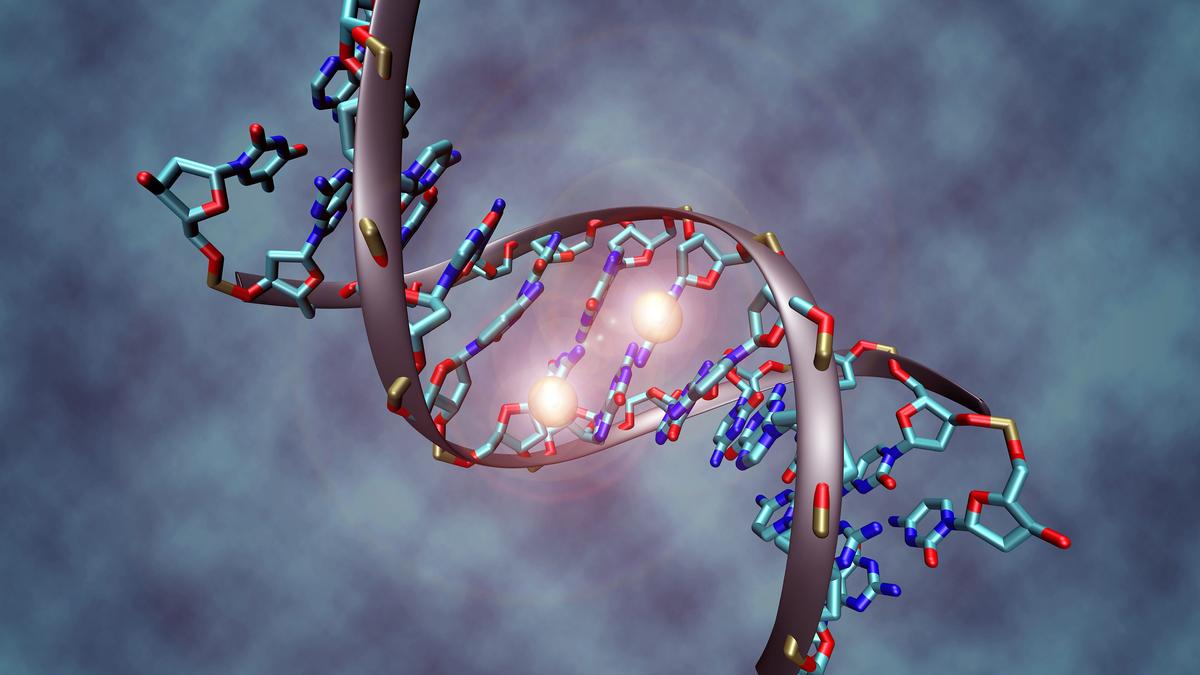
The process of creating Car-T cells involves using viruses to insert new genetic material into T-cells. These viruses, called retroviruses, are engineered to carry the gene for a chimeric antigen receptor (Car) into the T-cells.

Massive benefits

While these retroviruses are modified to be safe, there is always a risk that the new genetic material could disrupt other important genes and potentially lead to cancer – a phenomenon known as “insertional mutagenesis”. This means new genetic material is added to a cell.

This risk isn’t new. About 20 years ago, gene therapy treatments for severe combined immunodeficiency syndrome using similar retroviruses led to leukaemia in some patients. As a result, scientists have worked to improve the safety of these viral vectors. The FDA now requires thorough testing to ensure that the viruses used in Car-T therapy cannot replicate and cause harm.

Despite these findings, the most important thing to emphasise is that secondary cancers remain rare and these cell therapies can have massive benefits in very sick people.

The new review of patients treated with Car-T therapies at various centres found that only a small percentage developed secondary cancers, and most were not the type directly linked to the Car-T treatment. This suggests that while there is a risk, it is relatively low compared to the immediate threat posed by the patient’s existing cancer.

Medical professionals now inform patients about the potential but rare risk of secondary cancers when discussing Car-T therapy. For most patients, especially those with advanced cancers, the potential benefits of Car-T therapy far outweigh these risks.

As mentioned, Car-T therapy is also being investigated for other applications beyond cancer. For instance, it has shown promise in treating autoimmune diseases such as lupus and even in preventing organ transplant rejection. The potential uses for Car-T cells are continually expanding, offering hope for treating a wide range of diseases.

Ultimately, while the risk of secondary cancers from Car-T therapy is a serious consideration, the benefits for many patients are significant and far outweigh this small risk. Research will continue to refine these treatments and improve their safety.

This article is republished from The Conversation under a Creative Commons license. Read the original article.


Source link

Science Tags:Cancer, CAR-T cancer therapy, health, science news

Post navigation

Previous Post: Rush to return humans to the moon could threaten opportunities for astronomy
Next Post: Rupee falls 4 paise to close at 83.52 against U.S. dollar

Related Posts

  • Why mango is the king of fruits in India
    Why mango is the king of fruits in India Science
  • Indian space programme rooted in international cooperation rather than competition: ISRO chief
    Indian space programme rooted in international cooperation rather than competition: ISRO chief Science
  • Science Quiz | What computers need to compute: Logic gates
    Science Quiz | What computers need to compute: Logic gates Science
  • What sleep deprivation does to your brain and body
    What sleep deprivation does to your brain and body Science
  • Hope for pancreatic cancer as new drug, daraxonrasib, shows promise
    Hope for pancreatic cancer as new drug, daraxonrasib, shows promise Science
  • A random number generator using quantum physics and a blockchain
    A random number generator using quantum physics and a blockchain Science

More Related Articles

23 species of blood-sucking flies recorded in Andaman & Nicobar Islands 23 species of blood-sucking flies recorded in Andaman & Nicobar Islands Science
How subpar treatment options allow sickle cell disease to persist | Explained How subpar treatment options allow sickle cell disease to persist | Explained Science
Sex work drives clade Ib mpox outbreak in DR Congo Sex work drives clade Ib mpox outbreak in DR Congo Science
Onions made me cry! – The Hindu Onions made me cry! – The Hindu Science
Defined | Why did Chandrayaan-3 land at the close to facet of the moon? Defined | Why did Chandrayaan-3 land at the close to facet of the moon? Science
‘Multi-omics’ is changing how India spots and treats TB, cancers ‘Multi-omics’ is changing how India spots and treats TB, cancers Science
SiteLock

Archives

  • May 2026
  • April 2026
  • March 2026
  • February 2026
  • January 2026
  • December 2025
  • November 2025
  • October 2025
  • September 2025
  • August 2025
  • July 2025
  • June 2025
  • May 2025
  • April 2025
  • March 2025
  • February 2025
  • January 2025
  • December 2024
  • November 2024
  • October 2024
  • September 2024
  • August 2024
  • July 2024
  • June 2024
  • May 2024
  • April 2024
  • March 2024
  • February 2024
  • January 2024
  • December 2023
  • November 2023
  • October 2023
  • September 2023
  • August 2023
  • July 2023
  • June 2023
  • May 2023
  • April 2023
  • March 2023
  • February 2023
  • January 2023
  • December 2022
  • November 2022
  • October 2022
  • September 2022
  • August 2022
  • July 2022
  • June 2022
  • May 2022

Categories

  • Business
  • Nation
  • Science
  • Sports
  • World

Recent Posts

  • Twelve Pakistani police officers killed in car bombing and shootout
  • ‘Bussy’ N. Anand: Vijay’s close confidante likely to be part of new Tamil Nadu Cabinet
  • Delhi judges grapple with rising threats and little protection
  • What is India’s first orbital data centre satellite?
  • EAM Jaishankar hands over India-assisted agro-processing facility in South Trinidad

Recent Comments

  1. JosephSpupE on UP Teacher Who Asked Students To Slap Muslim Classmate
  2. SteveTeF on UP Teacher Who Asked Students To Slap Muslim Classmate
  3. Andrewfoods on UP Teacher Who Asked Students To Slap Muslim Classmate
  4. DonaldGlymn on UP Teacher Who Asked Students To Slap Muslim Classmate
  5. ShaneElden on UP Teacher Who Asked Students To Slap Muslim Classmate
  • Six Indian Americans sworn in as members of U.S. House of Representatives
    Six Indian Americans sworn in as members of U.S. House of Representatives World
  • Rare strike disrupts Israel while Biden says Netanyahu isn’t doing enough to reach Gaza deal
    Rare strike disrupts Israel while Biden says Netanyahu isn’t doing enough to reach Gaza deal World
  • Khalistani separatist leader Nijjar killing | Canadian PM Justin Trudeau does not respond to questions about India rejecting his allegations
    Khalistani separatist leader Nijjar killing | Canadian PM Justin Trudeau does not respond to questions about India rejecting his allegations World
  • Access Denied
    Access Denied Nation
  • 5 Classic Short Stories Of Canadian Nobel Laureate Alice Munro Who Died At 92
    5 Classic Short Stories Of Canadian Nobel Laureate Alice Munro Who Died At 92 World
  • Access Denied Business
  • What life feels like when earth’s temperatures soar to record highs
    What life feels like when earth’s temperatures soar to record highs Science
  • Pope calls for ‘arms to be silenced’ in Christmas appeal
    Pope calls for ‘arms to be silenced’ in Christmas appeal World

Editor-in-Chief:
Mohammad Ariff,
MSW, MAJMC, BSW, DTL, CTS, CNM, CCR, CAL, RSL, ASOC.
editor@artifex.news

Associate Editors:
1. Zenellis R. Tuba,
zenelis@artifex.news
2. Haris Daniyel
daniyel@artifex.news

Photograher:
Rohan Das
rohan@artifex.news

Artifex.News offers Online Paid Internships to college students from India and Abroad. Interns will get a PRESS CARD and other online offers.
Send your CV (Subjectline: Paid Internship) to internship@artifex.news

Links:
Associate Journalism
About Us
Privacy Policy

News Links:
Breaking News
World
Nation
Sports
Business
Entertainment
Lifestyle

Registered Office:
72/A, Elliot Road, Kolkata - 700016
Tel: 033-22277777, 033-22172217
Email: office@artifex.news

Editorial Office / News Desk:
No. 13, Mezzanine Floor, Esplanade Metro Rail Station,
12 J. L. Nehru Road, Kolkata - 700069.
(Entry from Gate No. 5)
Tel: 033-46011099, 033-46046046
Email: editor@artifex.news

Copyright © 2023 Artifex.News Newsportal designed by Artifex Infotech.