

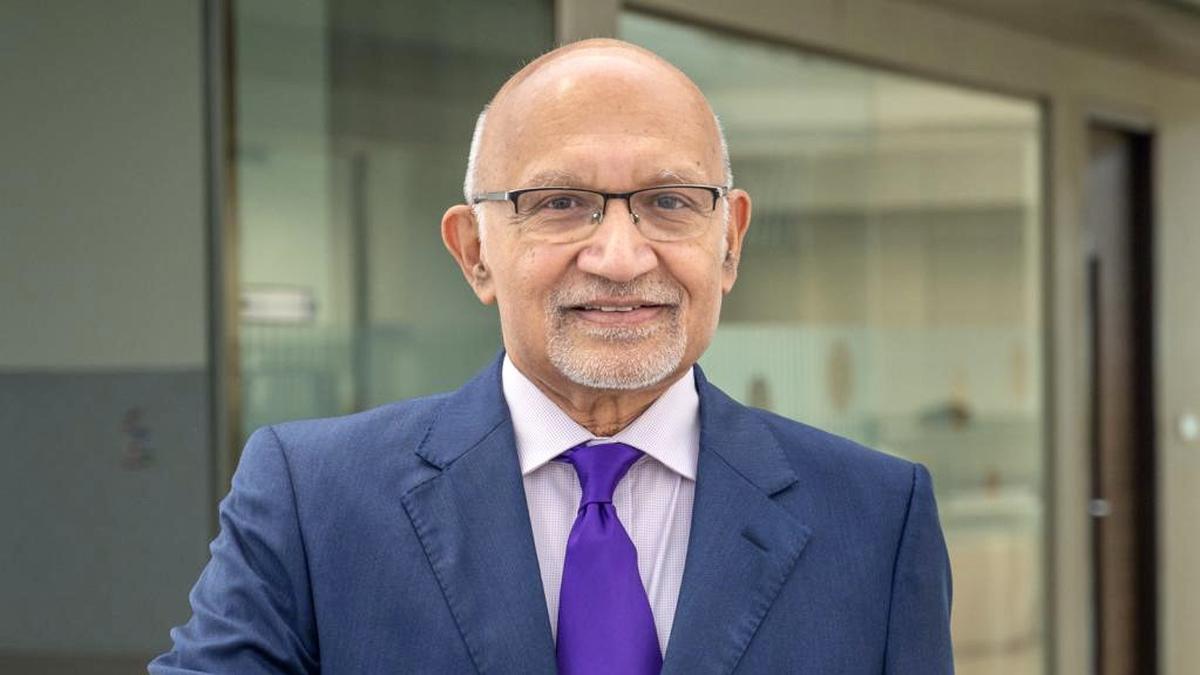
Over centralising manufacturing in China wreaked havoc on global trade and supply chains, and nations have learnt from this, says Arun Kumar, the former Assistant Secretary of Commerce for Global Markets and Director General of U.S. and Foreign Commercial Service in United States President Barack Obama’s Administration. Speaking to The Hindu about his new book The Global Trade Paradigm: Rethinking International Business in the Post-Pandemic World (HarperCollins India, 2023). Mr. Kumar envisioned India playing a pivotal role in global manufacturing.
What prompted you to write this book?
I had a long career in international business including with KPMG in India and the US and I also worked in President Obama’s administration. In that role, I had the opportunity to work on enhancing U.S. exports, holding discussions on opening markets and on how to increase Foreign Direct Investments (FDIs) into the US. I travelled extensively in pursuit of enhancing trade. I also engaged in numerous bilateral and multilateral discussions. Building off of this experience, I felt inspired to write an accessible book on the world of international trade that would appeal to the layperson, not just the policy mavens.
How far has globalization evolved since your younger days in India?
My first real job was in Mumbai, in the early seventies, when I was at the Tata Administrative Service, now known as TAS. India was a closed economy and foreign collaborations for instance were difficult. I remember numerous visits to Delhi to an alphabet soup of regulatory and controlling agencies, DGTD, CCIE, MRTPC and so forth to help obtain permits and licenses. Even MIT (Massachusetts Institute of Technology) wasn’t quite “international” during my time there. They did not have courses on India or Asia, and when I suggested those to the Dean, I was scoffed at. Today, many top US business schools are led by Indian origin academics. The world has changed since. In fact, the post-World War II international system has enabled increased global integration of trade. China joined the global economy in 1976 and more decisively after 1990. However, since 2016 we have seen the rise of protectionist policies in many countries including the US and India.
Your book refers to the problems facing global value chains in the post-1990s globalisation era. Is the post-reform globalisation phase ending?
Globalisation has driven competitiveness. Each country plays to its strengths and thus globalisation has promoted mutual interdependence. Global value chains are a prime example of this – an unprecedented phenomenon where many countries add value to a product that, over its manufacturing process, receives inputs from many locations. Over time, China with an intense focus on exports, supported by FDIs and technology transfers from the West, became a major factor in global trade. Today, China controls 25 percent of manufacturing worldwide. From consumer durables to pharmaceutical ingredients and telecommunications, China has been the centre of global manufacturing. The concentration of so much manufacturing power in one country has given rise to significant concerns. The Covid19 period was a wake-up call.
China’s manufacturing industry has been held up as an example to the developing world. What took the world so long to realise that China’s dominance could become a problem for globalisation itself?
The ascent of China’s power, influence and manufacturing accomplishments brought many concerns in its wake. Over-dependence on a singular source of supply in critical global value chains is a problem that we faced in stark terms on account of the COVID-19 pandemic. The extent to which the world was dependent on China became alarmingly clear, that a problem in China could trigger worldwide shortages and instability. That apart, more muscular Chinese leadership over the last decade and aggressiveness in East Asia towards countries like the Philippines and Vietnam presented new challenges. Then Beijing executed several aggressive moves like the Belt and Road Initiative (BRI) that did not get attention initially. As China focused its attention on Eurasia, Southeast and South Asia, and Africa, the increasing impact of Chinese influence became clear. The pandemic brought to light the fact that over centralisation of manufacturing created vulnerabilities for the global economy.
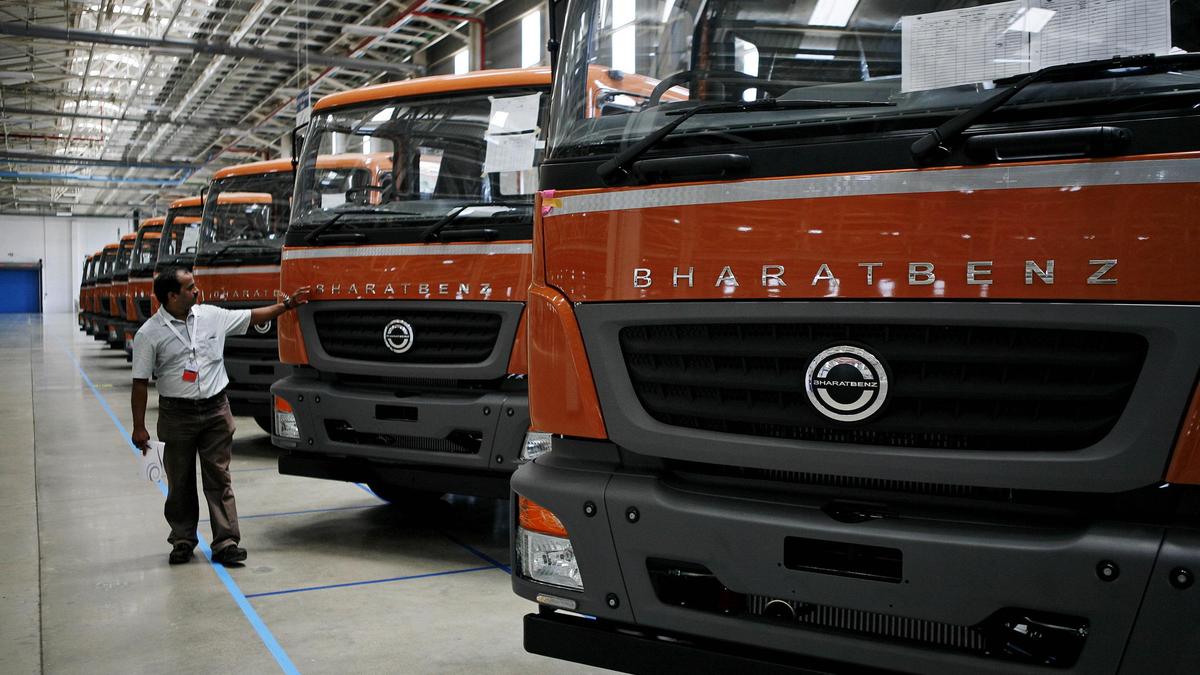
India will be a beneficiary of the need to move away from over-dependence on China. India can be a trusted additional or alternative node in global value chains, creating redundancy and adding resilience. In fact., India has been watching China’s exports and manufacturing driven growth for many years. The impulse for India to open up its economy was undoubtedly influenced by the success of China after (former Premier) Deng Xiaoping. It is clear today that if it keeps its economy open, India will attract more manufacturing. India’s manufacturing prowess is increasing, helped by technology and talent as well as by rapidly enhancing infrastructure and logistics.
Recently the US Ambassador to India mentioned eastern and northeastern India as important for the US. What did he mean by that?
I can’t comment on the specifics, but for many years, the US has thought that a greater integration of India’s northeast region, indeed integration of the whole region including Myanmar and Bangladesh, with the rest of the Indian economy would be beneficial for the whole region.
How was it to work with President Obama?
On the occasions that I had to engage with him, I saw him as a great listener. He would absorb multiple views and then make insightful points. He has great presence, quick repartee and a wonderful sense of humour.
What are your views on Republican Presidential aspirant and former President Donald Trump’s threats of “reciprocal taxes” on India?
I am someone who believes that the Biden administration is coming back. President Biden is looking very good and the administration under him has been very effective. I think Bidenomics has delivered on the promises that President Biden had made earlier.
Russia is an old friend of India and the US position on the Ukraine War is at odds with India’s. How would this affect Indo-US relations going forward?
Even India can see the threat of an aggressive Russia. Today India sees its interest in getting cheap energy and over time, Indian dependence on Russian arms will diminish. Russia geopolitically is dependent on China right now. And China is a complex story, with a knack for keeping its neighbours occupied through small scale conflicts; we have seen this in the South China Sea, especially in the way Beijing has dealt with the Philippines and Vietnam.
You thoughts on Africa?
I believe Africa will become a consequential player in global trade and the global economy. Both US and India recognize that a significant part of the world’s future will be shaped by Africa, The Continent has the same population as India but is much bigger and endowed with natural resources. Africa requires greater connectivity and infrastructure – and it is making progress in those areas. I would further wager that as Africa borders the Indo-Pacific, we should see greater connections with the large trading areas of Asia.