






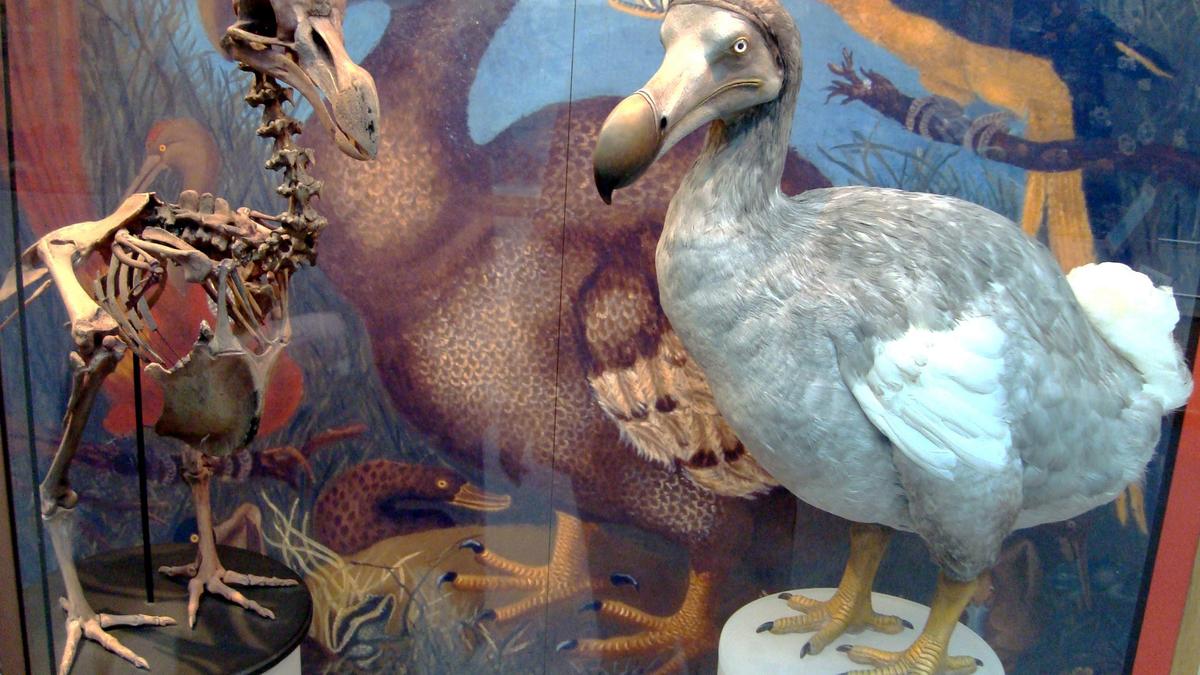
The moment you hear the words “extinct” and “bird”, the dodo is probably the first creature on your mind, probably from an image in a school textbook you knew from years ago.
The dodo’s significance transcended the boundaries of natural history. It has entered popular culture, immortalised in literature as a whimsical character with a stutter in Lewis Caroll’s ‘Alice in Wonderland’. In the story, the bird is large, awkward, and the inspiration for the epithet “dumb as a dodo”.
‘We just didn’t care’
But were dodos really slow-minded? To set the record straight, researchers from the University of Southampton, the Oxford University Museum of Natural History, and the Natural History Museum combed through 400 years of research papers on the dodo and its sister species, the solitaire, and also examined the only existing soft tissue from the dodo.
Citing written records from their extensive review, the researchers have now challenged the widely held view that the dodo was a slow, bloated animal doomed to extinction. Instead, they have said, they may have been fast-moving birds that thrived in the forest.
“The dodo and the solitaire went extinct because of our hubris. We just didn’t care, and in the 17th century, we didn’t believe we could affect “god’s creation” and destroy species through our actions,” Neil Gostling of the University of Southampton and the supervising author of the team’s paper, said.
The study was published in the August issue of the Zoological Journal of the Linnean Society.
What doomed the dodo?
Late into the 18th century and for some part of the 19th, many naturalists believed the dodo was a fiction. “Some even considered it mythical, like the phoenix,” Gostling said.
Thanks to the work of Victorian-era scientists, we know dodos and solitaires were flightless birds endemic to the forests of Mauritius. But how they got to the island wasn’t clear. In a 2002 study, researchers examined dodo DNA and found they belonged to the family of doves and pigeons. The dodo’s closest relative was the Nicobar pigeon.
Dodos and solitaires weren’t always flightless. Over hundreds of thousands of years, they became larger and lived closer to the ground. They also had little competition for their food sources. So when Dutch settlers got to Mauritius in 1598, they found a tall, big, and flightless bird.

Its life changed for the worse then. Their numbers began to dwindle. In less than a century, the dodo and its relatives went extinct. The paucity of natural predators rendered the birds brave and they were less wary of humans than they should have been.
This said, contrary to common belief, the dodo didn’t go extinct because it was prized as food. Since the birds nested in the ground, pigs from the Dutch vessels ate their eggs, rats and cats preyed on their chicks, and goats trampled the nests, Gostling said.
The bird is the word
A hundred years after meeting the first humans, dodos and solitaires were wiped out. As a result, natural history collections have little material evidence of the birds’ lives. Instead, most early scientific deliberations banked on artist’s impressions and sailors’ reports and were often confused.
Separately, the ever-changing naming schemes for animals in the 19th and the 20th centuries and the lack of a type specimen — a single, well-preserved body that serves as the species’ official reference — for dodos and solitaires led to a long history of misidentification. Linnaean taxonomy, the current universally accepted method to name and categorise life-forms, kicked in more than a hundred years after the birds went extinct.
In their study, Gostling and his team confirmed the dodo belonged to the Columbidae family of pigeons and doves. This matters: “In order to understand their biology, we first have to ensure that their taxonomy is correct, as this is the framework that explains relationships in the tree of life,” Gostling said.
Not so slow, dodo
While going through centuries of academic records and sailors’ drawings and notes, the researchers came across an eyewitness account by a Dutch mariner named Volkert Evertsz. He survived a shipwreck and ended up on Mauritius in 1662. Evertsz described a bird he called “dodderse” to German scholar Adam Olearius in 1668, adding they were “larger than geese”, couldn’t fly because they lacked wings, and ran fast.
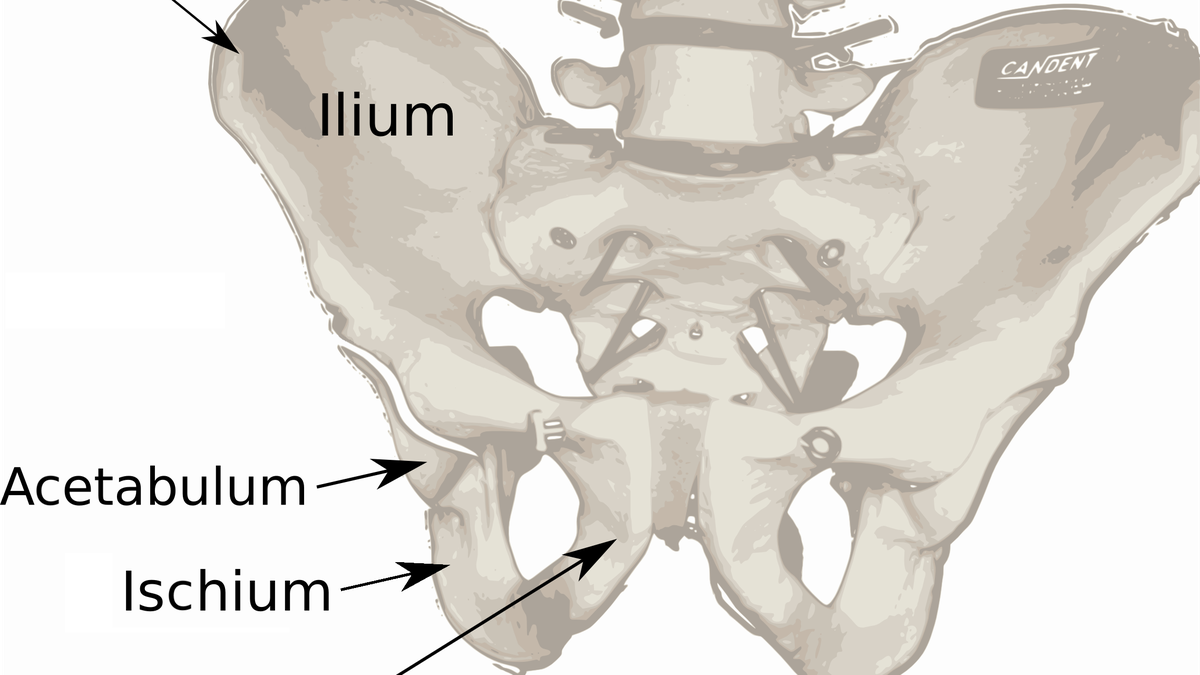
This ability to run is reflected in the dodo’s anatomy. Birds close their toes with the help of tendons that run through a groove found in a large bone in their leg called the tibiotarsus. Evidence from existing dodo bones suggest the groove housed a tendon as big as the tibiotarsus bone, an anatomical feature seen in contemporary birds that are good runners.

Gostling said sailors’ journals from visits to Mauritius greatly contributed to shaping the perception of dodo as unintelligent birds. These accounts often described capturing dodos by dozens in a single day as they didn’t try to evade capture; the sailors thus believed they were slow-witted. Today we know this needn’t be true.
A dodo-led future
The story of the dodo’s extinction has long served as a cautionary tale about the consequences of human exploitation and neglect, and could hold lessons for our future.
“Using cutting-edge computer technology, we are piecing together how the dodo lived and moved. This isn’t just about satisfying our curiosity. By understanding how birds evolved in the past, we are learning valuable lessons that could help protect bird species today,” Markus Heller, a professor of biomechanics at the University of Southampton and the co-author of the paper, said in a statement.
Gostling added that a deeper knowledge of the dodo’s habitat is crucial as it could hold secrets to preventing further biodiversity loss.
The team is planning a major new project with scientists from around the world, including from Mauritius. They hope to demonstrate the fact that the dodo was well adapted to its environment and wasn’t ‘doomed’ to extinction. After all, it had got by just fine on Mauritius for millions of years.
“The message that we still need to heed is that humans need to tread lightly on the earth,” Gostling said. “You can excuse the ignorance of 17th century sailors, they had no idea what they were doing. We do. We still thoughtlessly affect the environment, we still see plants and animals going extinct.”
Sanjukta Mondal is a chemist-turned-science-writer with experience in writing popular science articles and scripts for STEM YouTube channels.
Published – September 16, 2024 05:30 am IST