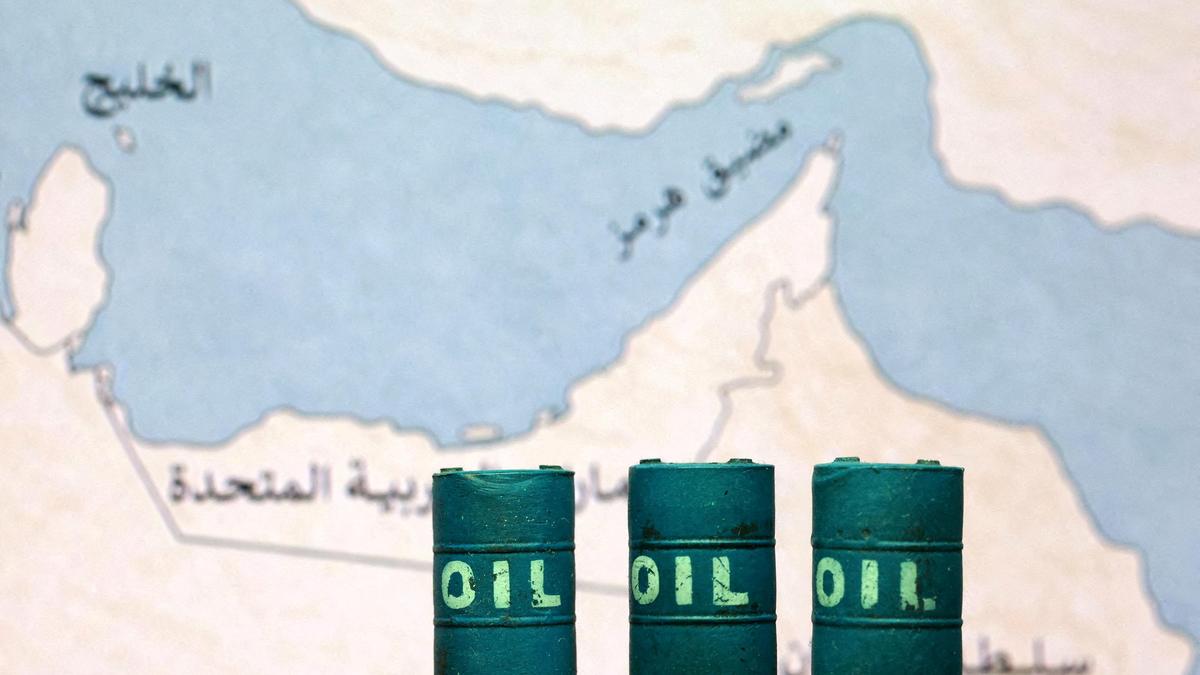




Following reports of attacks on vessels in the Strait of Hormuz, the Indian Rice Exporters Federation (IREF) issued an advisory to its members to exercise “maximum caution” while finalising contracts with new vessels and charter parties and committing delivery schedules to the buyers.
The IREF said that current rice exports from India to the west Asian countries are about 70-80 tonnes a month, which is just 10 % of the shipments before the Iran war. “Any attack on the vesssels with Indian cargo will affect trade and getting ships will become difficult,” said Prem Garg, president of the Federation.
In its advisory to its members, the Federation said, “We wish to draw your urgent attention to the serious and deteriorating security situation in the Strait of Hormuz, particularly for vessels proceeding to Persian Gulf ports, including Umm Qasr, Iraq.”
The Strait of Hormuz remains an “extremely high-risk maritime passage”, although some commercial vessel movements continue and vessels entering or leaving the Persian Gulf face security risks. War-risk insurance premiums, freight rates, vessel availability, and voyage schedules may be adversely affected.
Hence, shipowners, charterers, and exporters should obtain updated security assessments and insurance confirmation before proceeding with any voyage through Hormuz. Those shipping rice or other commodities to Iraq, Kuwait, Qatar, Bahrain, UAE and other Persian Gulf destinations should remain in constant contact with their shipowners and shipping agents, it said.
Published – November 03, 2026 08:46 pm IST