


The Commerce Ministry is identifying professions that are less vulnerable to artificial intelligence (AI) to prepare for the fast-changing technological landscape and tap opportunities for India to emerge as a global leader, Union Minister Piyush Goyal has said.
The Commerce and Industry Minister said that the focus would be on sectors where AI could improve efficiency without necessarily replacing human workers, while leveraging India’s large pool of skilled talent, youthful population and traditional strengths.
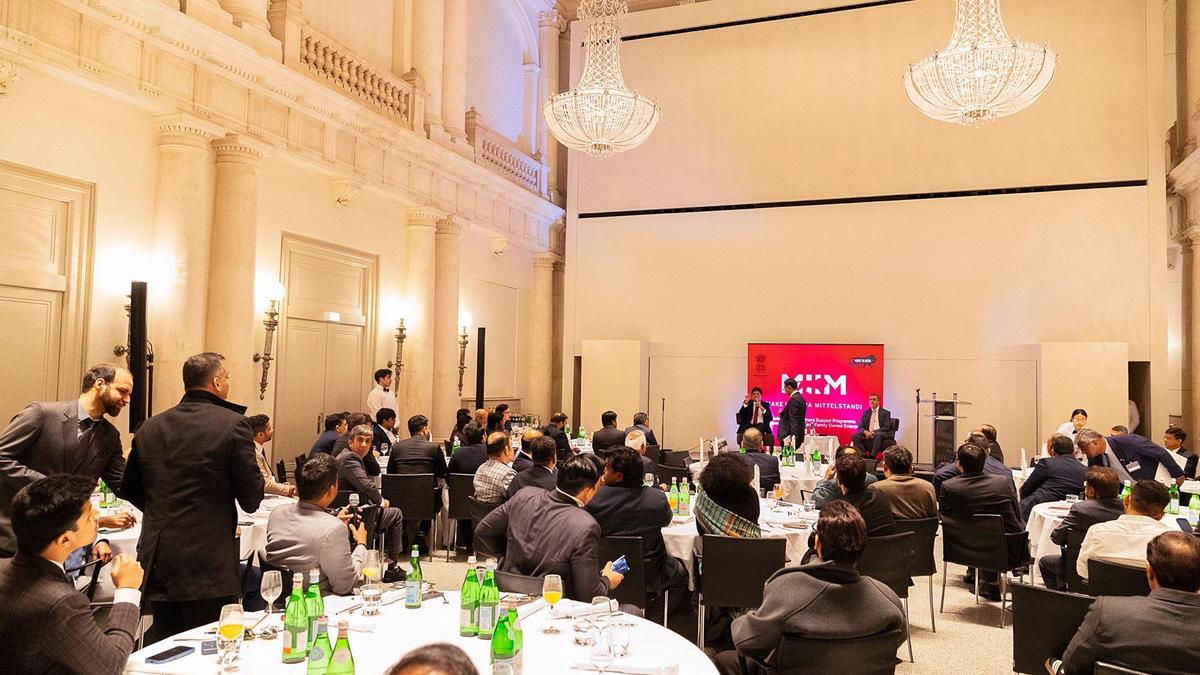
“I got my Ministry to start working on what are the AI-proof professions. After all, we have to plan as a nation for so many millions of people. What are the sectors where AI can at max add to efficiency, not necessarily replace (human workforce),” the Minister said on Friday (October 23, 2026) while addressing Indian science and technology researchers and students in Germany.
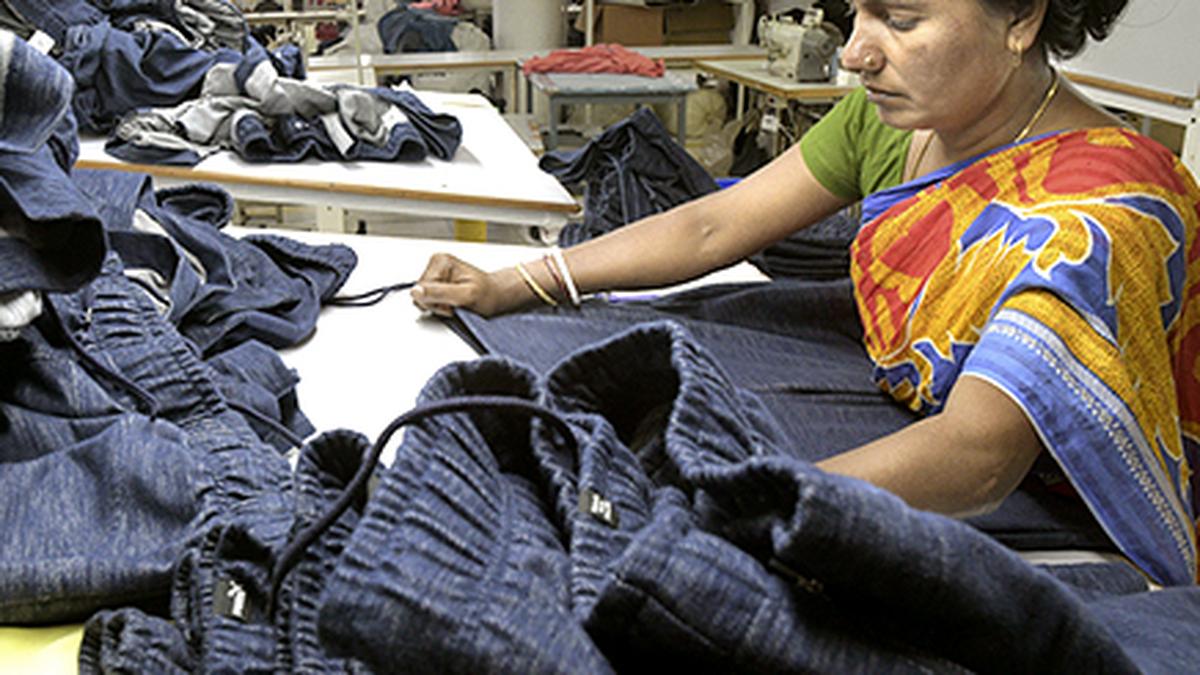
When asked about the objective of the initiative, he said India could take global leadership in several areas, including handicrafts, handloom, culinary arts and tourism, leveraging its vast pool of skilled talent and youthful population.
In these sectors, traditional skills and human creativity remain important, he said.
“… our handicraft, handloom… no amount of AI can replace that. So there are many, many areas where I think we have some very special strengths which we will be focusing on, also simultaneously developing, to ensure that 1.4 billion people have a better life in the future,” he added.
Asked whether the government planned to offer incentives to these sectors, Mr. Goyal said support would be provided wherever necessary, but incentives would not be required for every activity.
“It’ll be a mix of several initiatives, some privately led, some government led, some people led, some opportunity led,” he said, adding the broader objective was to develop India’s strengths and create opportunities that would help improve the lives of its 1.4 billion people.
Mr. Goyal also talked about exploring ways to attract Indian researchers, engineers, and scientists working abroad to return and contribute to the country’s development.
“I’ve asked them (the researchers and students here) to tell us what they will need to consider (the idea) and how we can support more, young researchers or our talented engineers and scientific community to come and work and serve in India,” he said.
Mr. Goyal said his discussions had highlighted that attracting talent was not merely a question of financial incentives, but also of creating a supportive environment for research and innovation.
“And surprisingly, I realise it’s not just about money; it’s about the enabling environment, the support of the ecosystem. So I (will) talk to my colleagues in the government, with educational institutions, both in the government and private sector, with academia, with leading research institutions in India, and industry, to see how we can forge industry, academia, and researchers partnerships,” he said.
Referring to future global growth prospects, Mr. Goyal said developed countries would increasingly need to engage with emerging economies in Asia, Africa and Latin America, as these regions would drive future growth.
There are about 3,30,000 people of Indian origin in Germany, plus nearly 60-70,000 students.
“This large Indian student community, full of enthusiasm, seems to be very excited about taking their learnings back to India. Now we can see them not just looking for a job in Germany, but wanting to be back home to contribute to the India growth story, because that is where the action is,” Mr. Goyal told reporters.
The Minister was here to discuss ways with government and private sector leaders to boost trade and investment between India and Germany.
Published – October 24, 2026 12:36 pm IST