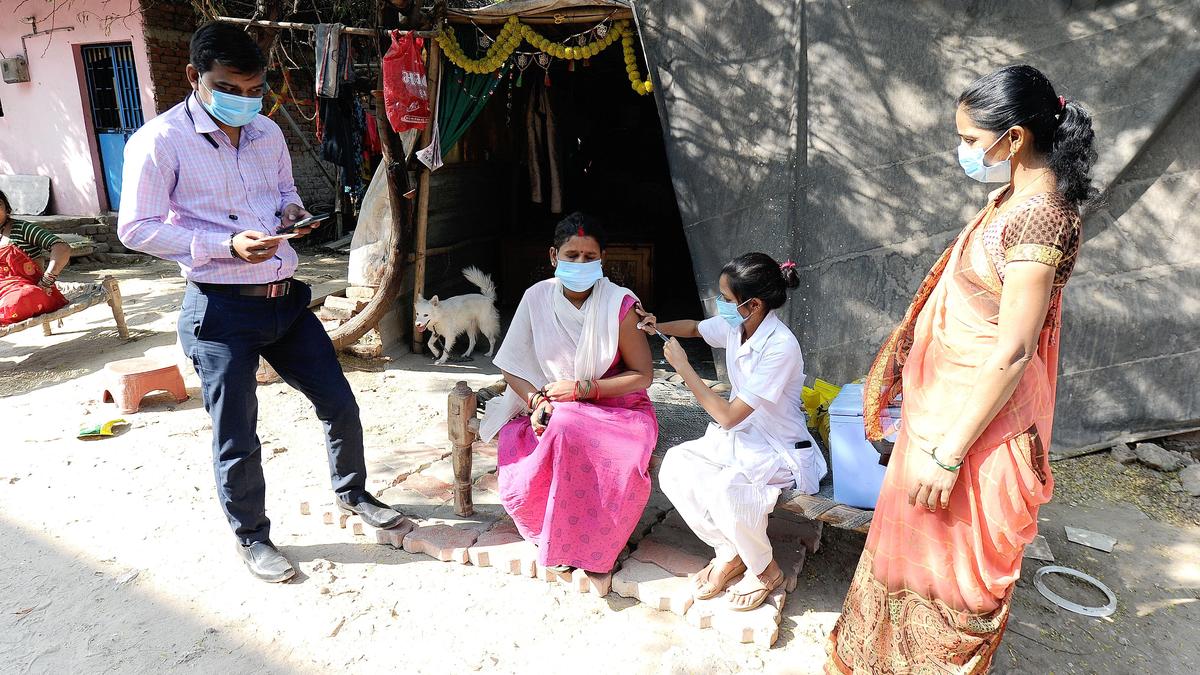
The shortage of doctors in India, particularly in rural areas, is well documented. This shortage compounds the suffering of rural communities, where people must suffer not only with disease but also with the struggle to access care. Illness in rural India is therefore not merely a departure from good health. It can push entire families into generational poverty and, in some cases, drive people to take their own lives. It is no coincidence that illness is among the leading causes of suicide in India.
To address this disparity, doctors are routinely called upon to move to rural areas and serve those most in need. Instead of fixing an underfunded healthcare system, the responsibility is placed on individual doctors to be “good” and fill the void left by governments that have consistently failed to prioritise people’s health.
I define a good doctor as someone who is compassionate, competent, and courageous. However, I am increasingly realising how risky it is to be such a doctor in India.
Being a good doctor
A good doctor is not merely empathetic. Compassion goes beyond feeling another person’s pain; it demands action to alleviate it. Over time, doctors who take this responsibility seriously begin to recognise that a prescription or surgery may address a symptom without touching the larger suffering that produced it. They begin asking why a person fell sick in the first place. And that is what makes them risky.
In Indian medical colleges, disease is often taught as the consequence of an infection, a genetic predisposition, or an unhealthy lifestyle. But step outside these institutions and into the communities where disease takes root, and you begin to understand how inadequate this framework can be. The people living with illness often understand its causes very differently from the institutions tasked with treating it.
“What is your biggest problem in the village?” I asked 25 villagers in rural Assam who had gathered for a cancer screening camp.
“We don’t have a road here, which makes it difficult to travel to and from the village,” said the eldest man in the group. The others nodded. “Because of the poor road, it is difficult to bring water into the village. When somebody falls sick, we cannot take them to the hospital on time,” he continued.
The connections were obvious. The absence of a road restricted access to water and healthcare. Inadequate access to water exposed people to illness, while poor connectivity delayed treatment. These were not separate problems. They were interconnected consequences of deprivation.
Last year, in a village in rural Tamil Nadu, I learnt how health was tied to land rights. “The government took our land away and gave us land 20 km away. We cannot grow anything on that land. We do not have money to buy food every day. Whatever we grow is what we eat,” a group of Adivasis living in the hamlet told me.
When people cannot access adequate food, clean water, or timely healthcare, can the solution to their illness really end with a prescription?

Why a good doctor is risky
A good doctor begins to understand that a prescription cannot compensate for the denial of land rights, that surgery cannot undo displacement, and that no medicine can substitute for the basic infrastructure a government has failed to provide. They recognise that confronting corruption and demanding accountability for broken promises may do more to protect a community’s health than any individual clinical intervention.
Dr. Binayak Sen understood this. A paediatrician and public health specialist, he served rural communities in Chhattisgarh while questioning the structural conditions that shaped their health. “At present, the greatest violence is structural violence. Violence is not restricted to a few groups; it pervades the structure of our society. We need to break out of this structure of violence through a process of dialogue,” he said in an interview with The Hindu.
Anyone who has travelled through rural Chhattisgarh, or indeed much of rural India, will recognise the realities underlying this argument. People do not fall sick simply because of individual choices or personal failures. Poverty, malnutrition, displacement, hunger and illiteracy all shape health outcomes. So does a government that fails to address these conditions. To treat the resulting illnesses without confronting their causes is to leave the machinery of suffering intact.
In 2010, Dr. Sen was convicted on charges relating to his alleged links with Naxalites and sentenced to life imprisonment. His case became symbolic of the risks faced by those who challenge the political and economic structures governing people’s lives. In his acceptance speech for the Paul Harrison Award for Meritorious Service in Rural Areas in 2004, Sen had argued: “The first point that I would like to make is about the primacy of politics in any relevant programme for health and health care. By politics I do not mean the farcical electoral charades of political parties, but the matrix of power that determines control over resources at entry level of community.”
Nearly two decades later, the question of what happens to doctors who challenge these structures remains painfully relevant.
Randall Sequeira, a general medicine specialist and rural practitioner, was arrested on October 16 and, according to reports, remains in judicial custody. His work with Adivasi communities in Odisha has involved addressing health concerns linked to mining activities. He has also stood in solidarity with these communities in their resistance to mining projects.
The implications are chilling. When a doctor connects illness to the consequences of mining, displacement and the denial of rights, healthcare ceases to be a politically neutral exercise. It becomes a challenge to the interests that benefit from these conditions remaining unchanged; conditions that ideally the state should be preventing. A doctor working with marginalised communities should not have to fear incarceration for asking why those communities are being made sick.

What will it take to keep India healthy?
What, then, does India need to keep its people healthy? More evidence on the health consequences of mining? Or do we need yet another explanation of how dispossession, exploitation and crony capitalism devastate Adivasi communities?
Evidence matters, but evidence alone cannot protect people when the political will to act on it is absent, or when those who demand accountability are treated as threats.
India needs good doctors more than ever. Not merely competent clinicians who are up to date with the latest evidence, write appropriate prescriptions and perform complex surgeries, but doctors who have the courage to question the systems that repeatedly make their patients sick. Doctors who understand that health is inseparable from the distribution of land, wealth, power and public resources. Doctors who refuse to accept preventable suffering as an inevitable feature of life for the poor.
Healthcare workers have a moral responsibility that extends beyond the consulting room. They must challenge the forces that expose people to disease, deny them care and then blame them for their suffering. This does not mean that every doctor must become an activist or that clinical care is unimportant. It means recognising the limits of medicine when the conditions producing illness are left untouched.
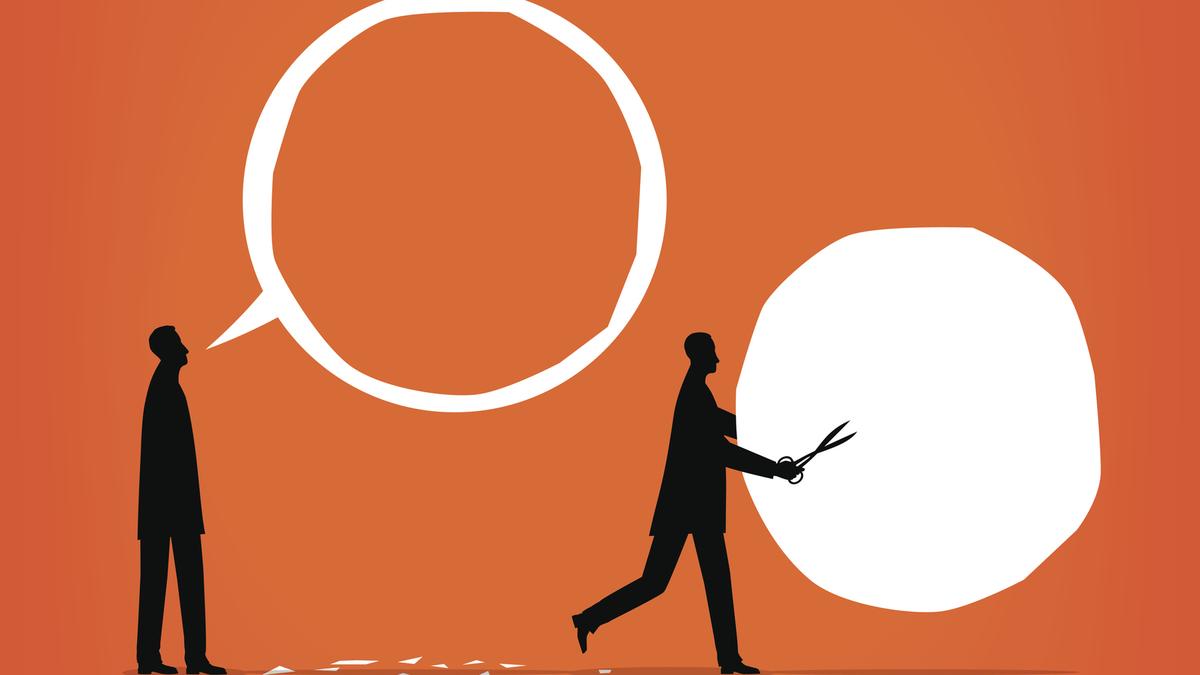
But a doctor who speaks about these conditions risks being labelled a troublemaker, an agitator or a threat to the state. The experiences of Dr. Sen and Dr. Sequeira raise an urgent question: what kind of society punishes those who seek to protect the health of its most marginalised people?
If being a good doctor means treating the patient while remaining silent about the forces making that patient sick, then perhaps we need to reconsider what goodness in medicine means. And if questioning those forces is enough to put a doctor’s freedom at risk, the problem is not with the doctor.
It is time for healthcare workers to speak up, collectively and without fear. Silence is not neutrality when the suffering is preventable, and the forces responsible are identifiable. The longer we remain silent, the easier it becomes for those in power to keep the tap of suffering open.
(Dr. Parth Sharma is a community medicine physician and a public health palliative care researcher. parth.sharma25@gmail.com)