






The story so far: The University of Western Australia (UWA) recently announced it has secured the final approval from the University Grants Commission (UGC) to set up its campus in Chennai. It has taken 50,000 sq. ft. of floor space in Velachery to set up its campus under the UGC (Setting up and Operation of Campuses of Foreign Higher Educational Institutions in India) Regulations, 2023. Orientation of students have begun and classes will commence from October 19, 2026. Initially, the institution will offer programmes in data science, artificial intelligence, information technology, business, and economics, it stated on its website.
The University signed a Memorandum of Understanding (MoU) with the Department of Industries, Investment Promotion, and Commerce, Government of Tamil Nadu in August for an investment of ₹125 crore that promised to generate 200 direct and indirect jobs.
Is this the first foreign university in Tamil Nadu?
Yes, the UWA becomes the first foreign university to set up a campus in Tamil Nadu. “UWA Chennai will bring UWA’s academic offering to a city recognised for its strengths in technology, engineering, manufacturing, and innovation,” the website further stated. It will offer undergraduate programmes, including Bachelor of Business (Business Management), Bachelor of Science (Computer Science), Bachelor of Science (Data Science), and Bachelor of Advanced Computer Science (AI), as well as postgraduate programmes like Master of Information Technology and Master of Business Administration (MBA).
Last month, UWA had opened a campus in Mumbai.
How was the entry of a foreign university facilitated?
This was made possible after the UGC came out with a set of regulations for setting up foreign universities in India in 2023, giving direction to the Union government’s commitment to internationalise India’s higher education sector under the National Education Policy (NEP), 2020.
As per the regulations, the foreign universities are required to be in the top 500 of global rankings or should be institutions of great repute. The campuses will have freedom over admission process, faculty recruitment, and fee structure, which should be reasonable and transparent.
The Union Ministry of Education expects a fee reduction of 18% to 74% compared to overseas studies for students in India, according to a promotional poster put up by the Ministry on its social media account in June.

Why are some parties and organisations opposing the entry of the UWA?
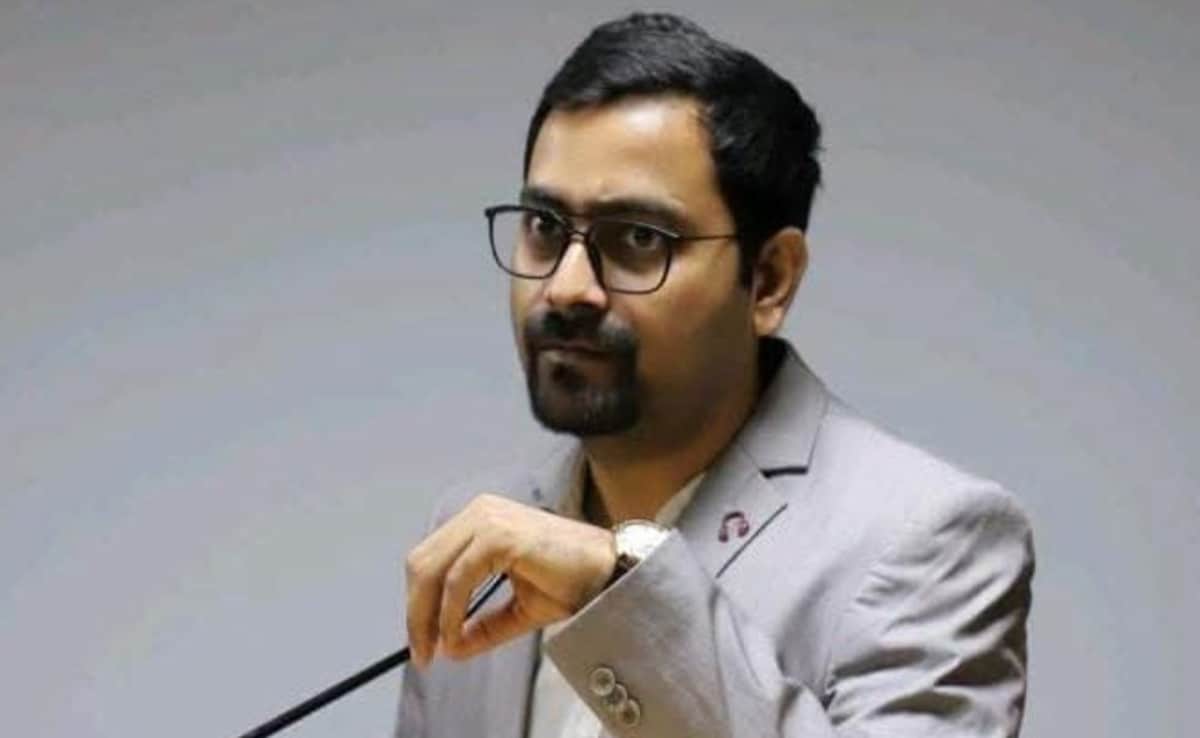
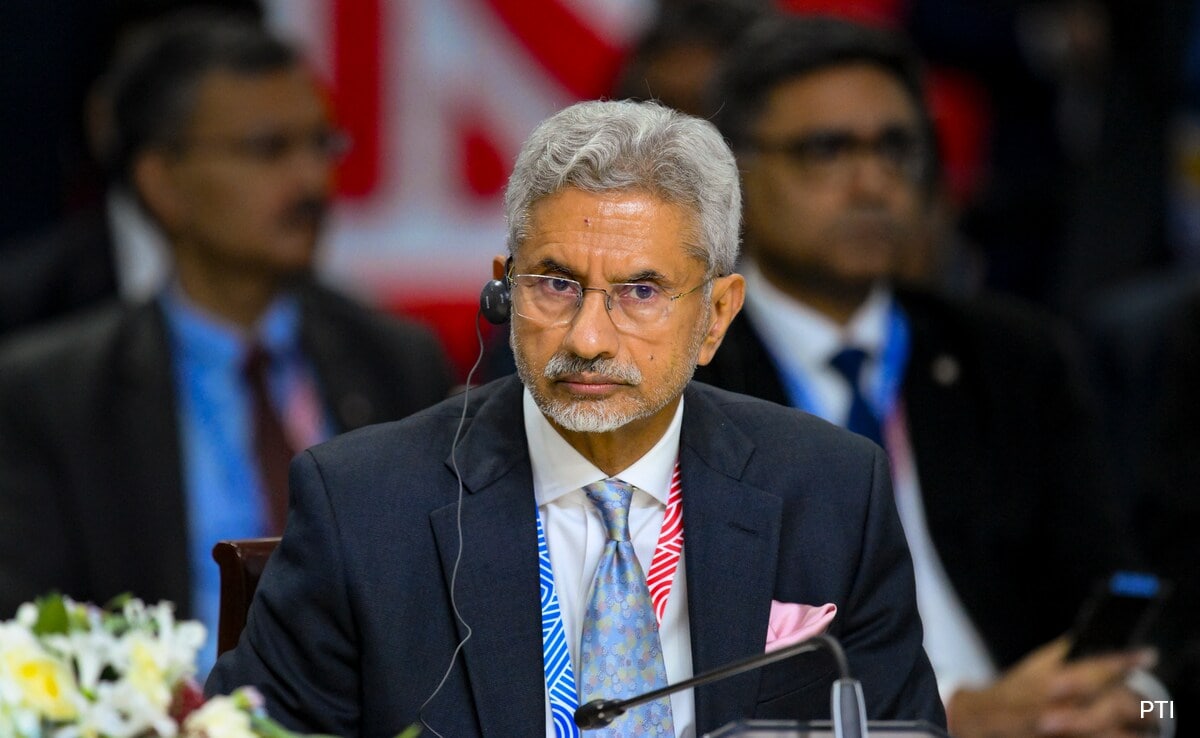
The establishment of a foreign university in Tamil Nadu has not gone down well with college teachers and the Left parties. In separate statements, P. Shanmugam, State secretary of CPI(M), and S. Suresh, general secretary, Tamil Nadu Government College Teachers’ Association (TNGCTA), have pointed out the tuition fees listed on UWA’s website for undergraduate courses were ₹14.52 lakh each for Business Management and Data Science, ₹17.93 lakh for Artificial Intelligence, and ₹23.10 lakh for the MBA programme.
“After the amending of the Tamil Nadu Private Universities Act, 2019, last month to facilitate establishment of more private universities, Tamil Nadu is now galloping towards commercialisation of education by granting permission for foreign universities to be set up,” the TNGCTA statement read. Allowing foreign universities was part of NEP 2020 and would promote commercialisation of higher education and create institutions accessible primarily to affluent sections, the CPI(M) leader has said.

He pointed out that in contrast, most of the public universities run by the State government did not have the full complement of faculty members. At the University of Madras, for instance, only 180 full-time faculty members are employed against a sanctioned strength of 515. Madurai Kamaraj University had 202 faculty members against a strength of 405, while Bharathidasan University had only 119 faculty members against a sanctioned strength of 230.
Official figures indicate there are 7,198 vacancies in 188 government Arts and Science colleges and colleges of Education. For over a decade, the government has not recruited faculty to fill up vacancies, thereby affecting the quality of higher education for students from poor and underprivileged backgrounds. Such a higher education policy, the statement said, ran contrary to the principles of social justice in the State.

What does the State government say?
While the State Higher Education Department has no oversight of foreign universities, the Department of Industries, Investment Promotion, and Commerce signed an MoU with the UWA, purely from an investment perspective, government officials said. Clarifying further, higher education officials have said the State government has control over State-run public universities and retains oversight of private universities established under the State Act. However, deemed universities and foreign universities are established under separate UGC Acts and all functional and operational issues would have to be taken up with the UGC.
Nonetheless, the officials have said such higher education institutions are welcome as they cater to a cross-section of students who can afford private higher education through personal wealth, family assets, or debt.
Published – October 15, 2026 12:53 pm IST