
Skip to content
  • Facebook
  • X
  • Linkedin
  • WhatsApp
  • YouTube
  • Associate Journalism
  • About Us
  • Privacy Policy
  • 033-46046046
  • editor@artifex.news
Artifex.News

Artifex.News

Stay Connected. Stay Informed.

  • Breaking News
  • World
  • Nation
  • Sports
  • Business
  • Science
  • Entertainment
  • Lifestyle
  • Toggle search form
  • Melania Trump Launches Own Cryptocurrency Ahead Of Donald Trump’s Inauguration
    Melania Trump Launches Own Cryptocurrency Ahead Of Donald Trump’s Inauguration World
  • Access Denied
    Access Denied Nation
  • India demands thorough investigation in killing of three Indian students in Canada
    India demands thorough investigation in killing of three Indian students in Canada World
  • Ramiel, Wanganui, Dandanus, and Taaqath shine
    Ramiel, Wanganui, Dandanus, and Taaqath shine Sports
  • Billie Jean King Cup | India has a romp against Mongolia, keeps alive chances of making the playoffs
    Billie Jean King Cup | India has a romp against Mongolia, keeps alive chances of making the playoffs Sports
  • Russia rejects Mali rebels’ call to withdraw
    Russia rejects Mali rebels’ call to withdraw World
  • Access Denied
    Access Denied Nation
  • Access Denied
    Access Denied Nation
FCNR(B) deposits: Who bears the currency risk? | Explained

FCNR(B) deposits: Who bears the currency risk? | Explained

Posted on September 9, 2026 By admin


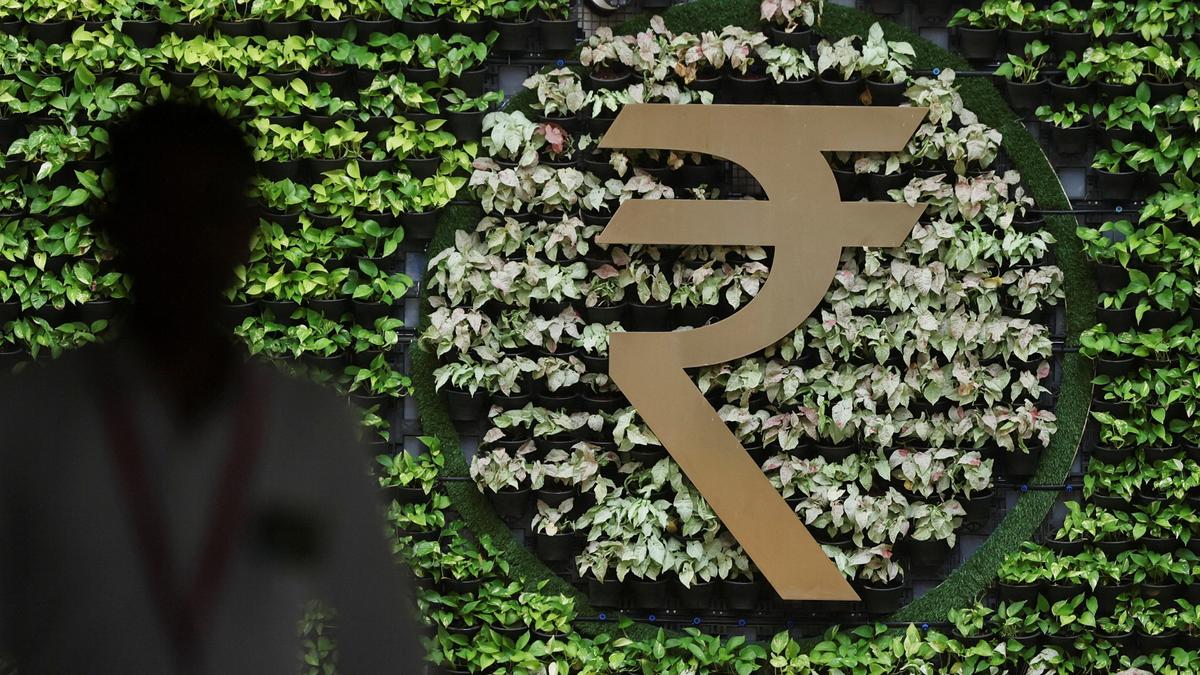
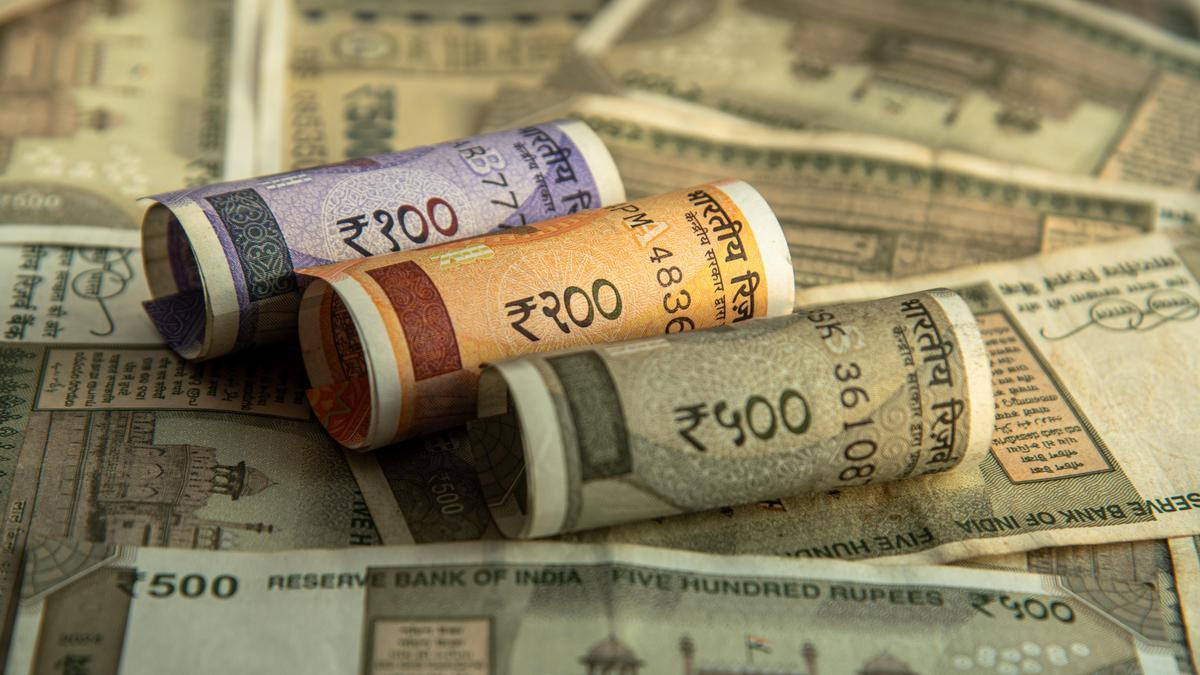
Image used for representational purpose only.

The story so far: The Reserve Bank of India (RBI) introduced a special swap facility in June to encourage non-resident Indians to put money into FCNR(B) deposits, as the rupee faced pressure from high oil prices and India sought to strengthen its foreign-exchange reserves.

The response was much stronger than the RBI’s initial target, as Indian banks mobilised more than $127 billion through these deposits, against an initial target of about $50 billion. The RBI subsequently closed the window for fresh FCNR(B) deposits on August 31, 2026.

The scheme has given banks a relatively cheap source of foreign-currency funding and added substantially to India’s foreign-exchange reserves. The deposits typically have three-to-five-year maturities, raising the question of who bears the currency risk when the principal and interest have to be paid.

What risk does the RBI take?

The RBI’s special swap facility shields banks from foreign-exchange risk on the principal amount of the FCNR(B) deposits. Reuters reported that the interest payments, however, have to be managed by the banks independently.

Under the arrangement, the RBI bears the cost of hedging the foreign-currency exposure, according to a BofA Securities Research report. It estimated that this hedging cost could be up to 3%, while SBI Research used an average hedging cost of around 3% a year in its calculations.

So, the RBI’s cost comes from protecting the dollar value of the principal against movements in the rupee-dollar exchange rate.

How does the RBI handle this cost?

The RBI has received foreign currency through the deposits, adding to the country’s reserves. SBI Research said the RBI had recouped $31.2 billion of its foreign-currency assets by August 7, 2026, equivalent to 55% of the amount mobilised at that point. It also said the RBI may use part of the amount to invest in U.S. securities because of higher yields.

BofA estimated that the RBI could earn around 4.5-5% on the foreign reserves generated through the deposits. It said this could potentially more than offset a hedging cost of up to 3%, assuming the foreign-currency holdings are hedged for five years.

SBI Research assumed FCNR(B) mobilisation of $65-70 billion and a 3% annual hedging cost, and calculated an annual notional cost of about $2.1 billion. If that cost remained at 3% for five years, the cumulative cost would be about $10.5 billion.

It argued that this cost is relatively small compared with India’s foreign-exchange reserves. Against current reserves of around $700 billion, it calculated the five-year cost at 1.45% of the reserve stock.

What risk do banks still take?

The RBI’s swap does not cover the interest that banks have to pay depositors in dollars.

That means banks have to arrange the dollars needed for these interest payments and manage the foreign-exchange exposure themselves. Reuters reported that foreign banks are largely hedging this exposure, while most state-run banks and several private-sector Indian lenders have left it unhedged.

Why are some banks leaving the interest exposure unhedged?

The main reason cited by bankers is the cost of hedging.

Reuters reported that hedging the foreign-exchange risk on interest payments for three-to-five-year deposits costs banks about 3% a year. The interest on these deposits is paid when the deposits mature.

Some banks have therefore chosen not to pay that cost and instead plan to buy dollars when they actually need to make the interest payments.

One banker at a mid-sized state-run lender told Reuters that the bank expected to handle the payments through spot dollar purchases when required, rather than locking in protection in advance.

What happens if the rupee weakens?

Consider a bank that has to pay $1 million in interest.

If the dollar costs ₹95, the payment would require ₹9.5 crore. If the rupee weakens and the dollar rises to ₹100 at the point of maturity, the same $1 million payment would require ₹10 crore.

A bank that has hedged its exposure would have protection against such a currency movement. A bank that has left the exposure unhedged would have to bear the higher rupee cost.

This could become a broader concern because much of the future interest-payment exposure has been left unhedged. If the rupee weakens significantly, banks could need to buy dollars at the same time to meet their interest obligations. That could increase demand for dollars and add to pressure on the rupee.

That means the FCNR(B) scheme has not eliminated currency exposure altogether. The RBI has taken on the exposure associated with the principal through its swap, while banks continue to face currency risk on the interest payments in the future.

Published – September 09, 2026 01:30 pm IST


Source link

Business Tags:currency risk, FCNR(B) deposits, foreign exchange reserves, RBI swap facility, rupee dollar exchange rate

Post navigation

Previous Post: Delhi High Court notice on plea for DU hostels, safety audits of PGs
Next Post: How scientists are using menstrual blood to treat osteoarthritis

Related Posts

  • Access Denied Business
  • Lessons from India’s smallholder farmers
    Lessons from India’s smallholder farmers Business
  • Rupee rises 35 paise to 95.64 against U.S. dollar in early trade
    Rupee rises 35 paise to 95.64 against U.S. dollar in early trade Business
  • Bhadrachalam Road-Kovvur railway line ignored in Union Budget 2024, says CPI (M) State committee member
    Bhadrachalam Road-Kovvur railway line ignored in Union Budget 2024, says CPI (M) State committee member Business
  • India’s economic growth to slow to 6.8% FY27 amid West Asia crisis, El Nino impact
    India’s economic growth to slow to 6.8% FY27 amid West Asia crisis, El Nino impact Business
  • Tata Trusts within right to seek merger, but Tata Sons can challenge: Lawyer
    Tata Trusts within right to seek merger, but Tata Sons can challenge: Lawyer Business

More Related Articles

Access Denied Business
Wholesale inflation stays in negative for fourth month at (-) 1.36% in July Wholesale inflation stays in negative for fourth month at (-) 1.36% in July Business
At ₹376, Paytm shares hit upper circuit for third straight session At ₹376, Paytm shares hit upper circuit for third straight session Business
Accelerator fund will drive agriculture towards innovation, optimisation of resources Accelerator fund will drive agriculture towards innovation, optimisation of resources Business
Access Denied Business
Kotak Mahindra Bank introduces premium service for affluent customers Kotak Mahindra Bank introduces premium service for affluent customers Business
SiteLock

Archives

  • October 2026
  • September 2026
  • August 2026
  • July 2026
  • June 2026
  • May 2026
  • April 2026
  • March 2026
  • February 2026
  • January 2026
  • December 2025
  • November 2025
  • October 2025
  • September 2025
  • August 2025
  • July 2025
  • June 2025
  • May 2025
  • April 2025
  • March 2025
  • February 2025
  • January 2025
  • December 2024
  • November 2024
  • October 2024
  • September 2024
  • August 2024
  • July 2024
  • June 2024
  • May 2024
  • April 2024
  • March 2024
  • February 2024
  • January 2024
  • December 2023
  • November 2023
  • October 2023
  • September 2023
  • August 2023
  • July 2023
  • June 2023
  • May 2023
  • April 2023
  • March 2023
  • February 2023
  • January 2023
  • December 2022
  • November 2022
  • October 2022
  • September 2022
  • August 2022
  • July 2022
  • June 2022
  • May 2022

Categories

  • Business
  • Nation
  • Science
  • Sports
  • World

Recent Posts

  • Sivaganga police arrest five under Goondas Act in double murder case
  • Mining project threatens future of rare Jeypore ground gecko
  • Tata Trusts row: Noel, son Neville Tata move Bombay HC and Mumbai civil court with caveats
  • Ranji Trophy 2026-27 | Sarwate’s resolute 95 helps Kerala deny Jharkhand an outright win
  • Private bus operators to begin indefinite hunger strike on October 27

Recent Comments

  1. RobertTes on UP Teacher Who Asked Students To Slap Muslim Classmate
  2. Manuelret on UP Teacher Who Asked Students To Slap Muslim Classmate
  3. RobertTes on UP Teacher Who Asked Students To Slap Muslim Classmate
  4. RobertTes on UP Teacher Who Asked Students To Slap Muslim Classmate
  5. BrentWes on UP Teacher Who Asked Students To Slap Muslim Classmate
  • UP Minister Kapil Dev Aggarwal Surrenders Before Court In Poll Code Violation Case
    UP Minister Kapil Dev Aggarwal Surrenders Before Court In Poll Code Violation Case Nation
  • Access Denied World
  • U.S. senators slam Trump’s Russia-Ukraine peace plan as rewarding ‘aggression’
    U.S. senators slam Trump’s Russia-Ukraine peace plan as rewarding ‘aggression’ World
  • Ravi Shastri Hits Bulls Eye As He Explains What Made R Ashwin Stand Out From The Rest
    Ravi Shastri Hits Bulls Eye As He Explains What Made R Ashwin Stand Out From The Rest Sports
  • Thai court orders former PM Thaksin Shinawatra must serve one year in jail 
    Thai court orders former PM Thaksin Shinawatra must serve one year in jail  World
  • Suspense continues over Karnataka Cabinet expansion as Congress delays final decision
    Suspense continues over Karnataka Cabinet expansion as Congress delays final decision Nation
  • Prince Williams Special Fathers Day Message For “Pa” King Charles
    Prince Williams Special Fathers Day Message For “Pa” King Charles World
  • The World title match is like an hourglass… it’s always the same opponent: Nepomniachtchi
    The World title match is like an hourglass… it’s always the same opponent: Nepomniachtchi Sports

Editor-in-Chief:
Mohammad Ariff,
MSW, MAJMC, BSW, DTL, CTS, CNM, CCR, CAL, RSL, ASOC.
editor@artifex.news

Associate Editors:
1. Zenellis R. Tuba,
zenelis@artifex.news
2. Haris Daniyel
daniyel@artifex.news

Photograher:
Rohan Das
rohan@artifex.news

Associate Journalists
1. Subrata Paul - AN/2020/01
2. Quamruz Zaman - AN/2021/22
3. Ahmed Sha - AN/2021/035
4. Ajay Kumar Shaw - AN/2021/39
5. Tahqiqul Hoda - AN/2021/21

Artifex.News offers Online Paid Internships to college students from India and Abroad. Interns will get a PRESS CARD and other online offers.
Send your CV (Subjectline: Paid Internship) to internship@artifex.news

Links:
Associate Journalism
About Us
Privacy Policy

News Links:
Breaking News
World
Nation
Sports
Business
Entertainment
Lifestyle

Registered Office:
72/A, Elliot Road, Kolkata - 700016
Tel: 033-22277777, 033-22172217
Email: office@artifex.news

Editorial Office / News Desk:
No. 13, Mezzanine Floor, Esplanade Metro Rail Station,
12 J. L. Nehru Road, Kolkata - 700069.
(Entry from Gate No. 5)
Tel: 033-46011099, 033-46046046
Email: editor@artifex.news

Copyright © 2023 Artifex.News Newsportal designed by Artifex Infotech.