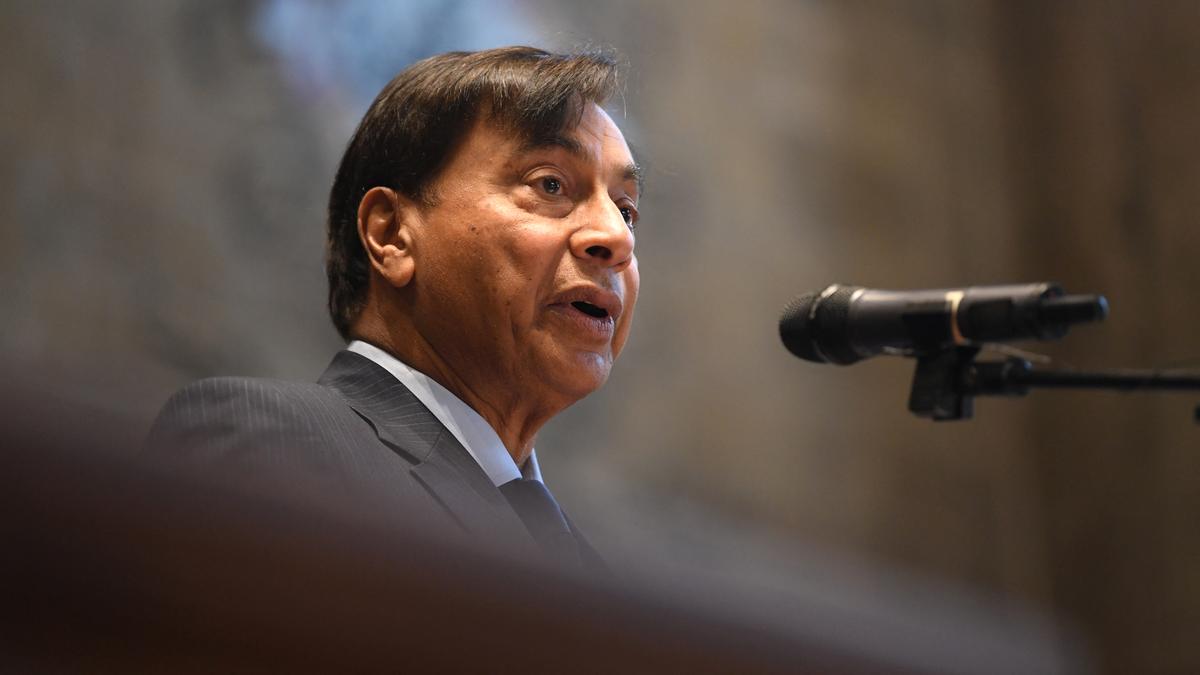




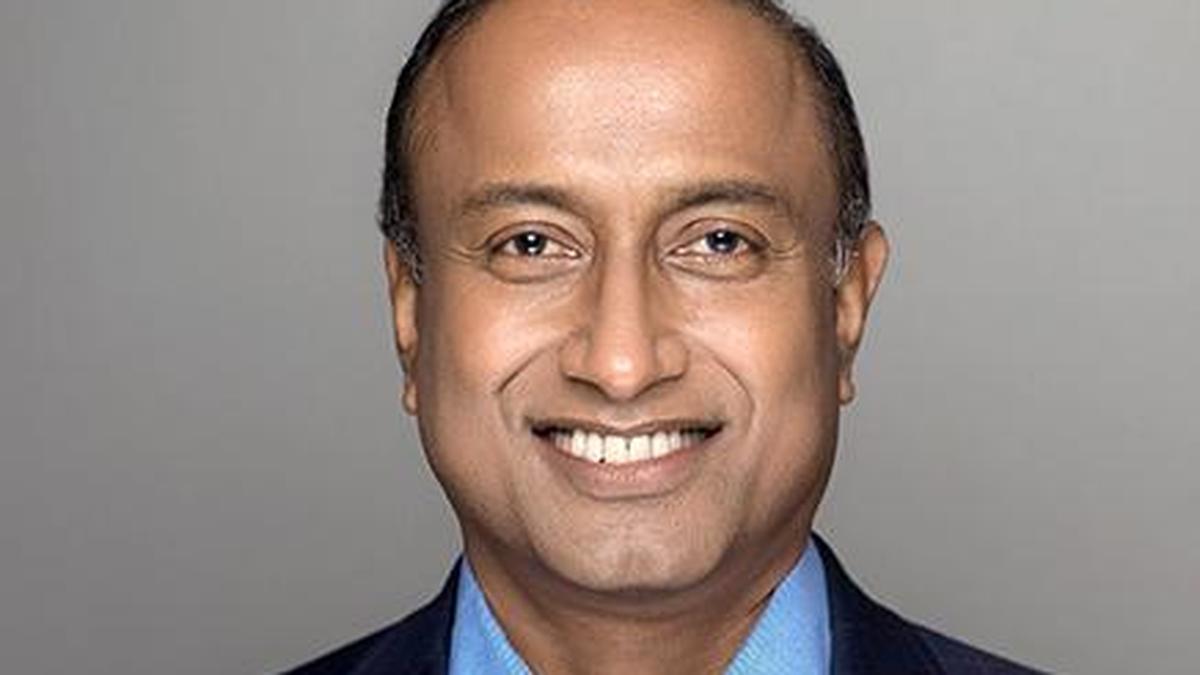
Rajesh Nambiar, President, Nasscom
| Photo Credit: The Hindu
Artificial intelligence (AI) is reshaping India’s engineering research and development (ER&D) landscape, while the emergence of Physical AI is opening up new opportunities across robotics, autonomous systems, intelligent products and industrial applications, NASSCOM said in Bengaluru on Tuesday.
Physical AI is an advanced branch of AI that enables machines, robots and autonomous systems to perceive their surroundings, reason and act in the physical world. Unlike conventional AI, which largely operates in digital environments, Physical AI connects intelligence with real-world machines and systems.
According to NASSCOM, AI is increasingly becoming an integral part of core engineering workflows, transforming how products are designed, developed, tested and operated. As engineering becomes more software-defined, data-driven and intelligent, India’s ER&D industry has an opportunity to expand its role in global product development and assume greater system-level and lifecycle ownership.
The apex industry body, at its ER&D summit in Bengaluru, called on Indian ER&D companies to take greater ownership of global product development. India’s ER&D services revenue is projected to cross $100 billion by 2030, compared with $63 billion in FY26. Globally, ER&D spending is expected to reach $2.48–2.50 trillion by 2030, growing at a compound annual growth rate (CAGR) of 8–9% between CY24 and CY30.
NASSCOM President Rajesh Nambiar said India’s ER&D growth would depend on how effectively the country combines its engineering capabilities with AI to assume greater ownership of global product development.
“Physical AI adds an important new dimension to this opportunity. India has the engineering talent, domain expertise and scale to play a much larger role across this lifecycle. The opportunity now is to move further towards systems-led engineering and co-creation of intelligent products and platforms,” Nambiar said.

Published – September 01, 2026 08:37 pm IST