
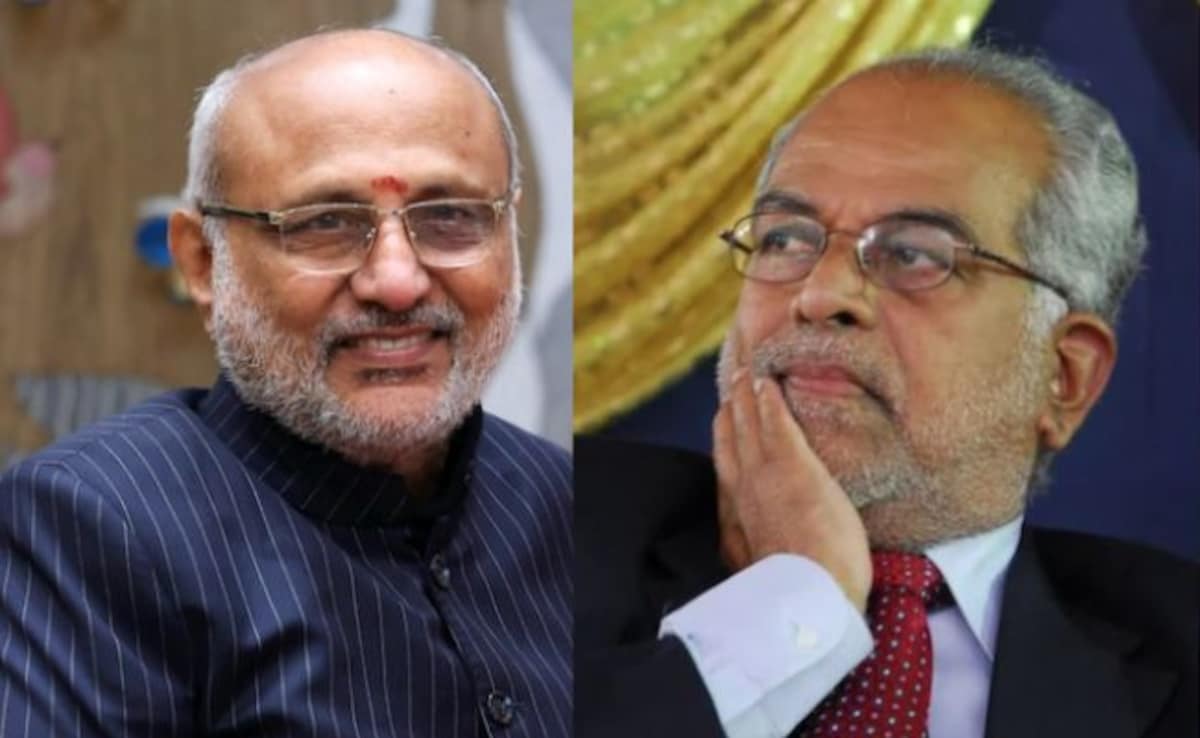





Anton Muscatelli, President of the Royal Society of Edinburgh. Photo: Special Arrangement
The fact that the India-U.K. trade deal does not include a chapter on investments is not a concern since higher trade and more ease of doing business measures are what will encourage these investments anyway, Anton Muscatelli, President of the Royal Society of Edinburgh, Distinguished Honorary Professor at the University of Glasgow, and U.K. trade and economy expert told The Hindu in an interview.
The India-U.K. Comprehensive Economic and Trade Agreement (CETA), signed in July last year, will be implemented from July 15, 2026. While the agreement covers several aspects of trade, including tariffs, mobility, and service sectors, it does not include specific provisions on investments like the trade deals with New Zealand and the European Free Trade Association do.
Enabling framework
“What trade does is it creates an enabling framework to encourage foreign direct investment (FDI),” Mr. Muscatelli said. “Just simply committing to FDI as part of a trade deal might look more direct and with more direct benefits, but in reality what is really going to drive in investment in a major way is going to be those enabling changes.”
He added that one of the most attractive aspects of the deal was that it would allow the U.K. to enter India’s financial services sector, which is an area of strength for the U.K.
“And vice versa, of course, it encourages entry into IT services in the U.K., which is a huge area of strength for India,” Mr. Muscatelli said. “It is creating those mutual benefits that will then drive investment. So, I don’t think not having a commitment to mutual investment is necessarily something that hampers the significance of the trade deal.”
Mr. Muscatelli’s views, however, are at odds with the way the European leadership views the EU’s trade deal with India. Both, President of the European Commission Ursula von der Leyen and the EU’s Ambassador to India Hervé Delphin have separately said the EU does not include a chapter on investments and that a separate investment-related deal should be worked on quickly.
Ease of doing business progress
Regarding easing doing business, he said that this was a “journey that India is on” and that companies looking to invest in India are looking at factors such as tax compliance, land acquisition, and dispute resolution.
“Some of it is around regulatory bottlenecks, some of it is around improving India’s infrastructure, reducing transport costs, supply chain reliability, export speed, industrial corridors and logistics hubs, but it’s that last stage connectivity which is really important,” Mr. Muscatelli said.
“It’s definitely a journey but there’s no doubt that given the size of the internal market in India, the ease of doing business together with these infrastructure investments will really drive foreign direct investments,” he added. “And let’s also not forget there’s been a lot of progress made.”
Mr. Muscatelli pointed out that FDI into India is now already allowed in most sectors through the automatic route and that a lot of compliances and bureaucratic discretion has been reduced.
“When you talk to companies that are thinking about investing in India, they’re still looking at things around tax compliance, land acquisition, dispute resolution, and all these things have to be done, but already quite a bit has been done,” he said. “So, I think India is very much on a journey of being business ready.”
Published – June 20, 2026 07:16 pm IST