
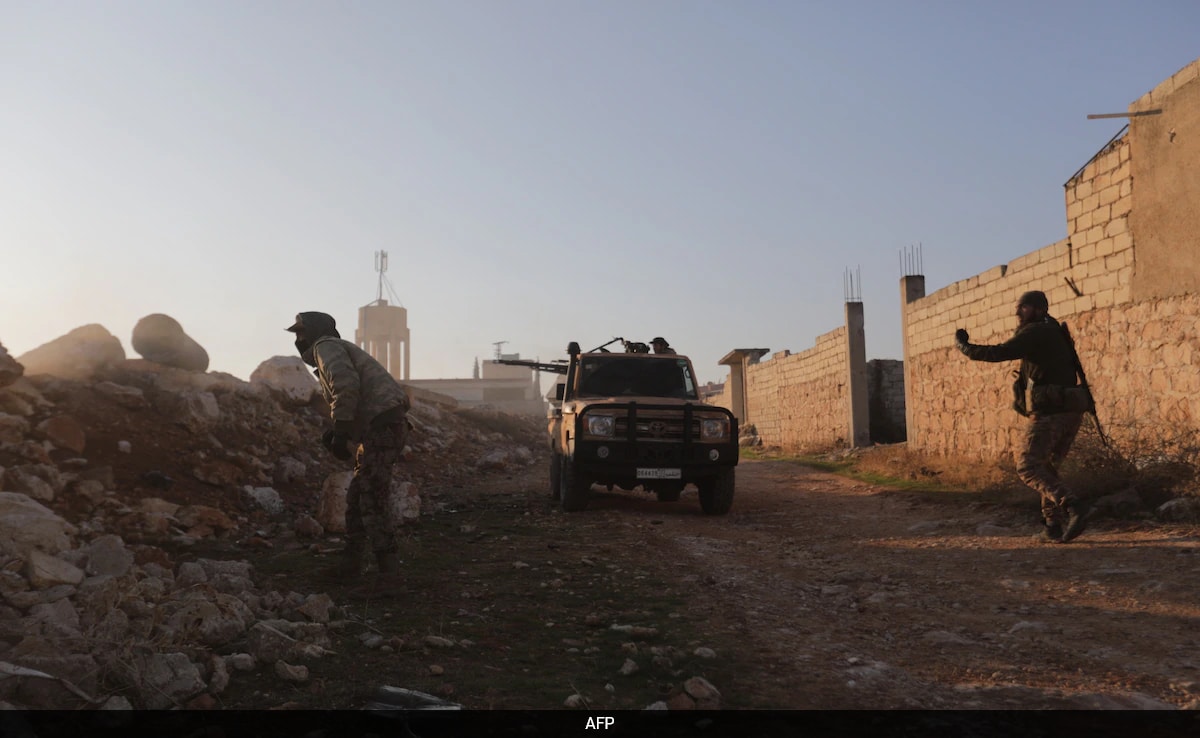

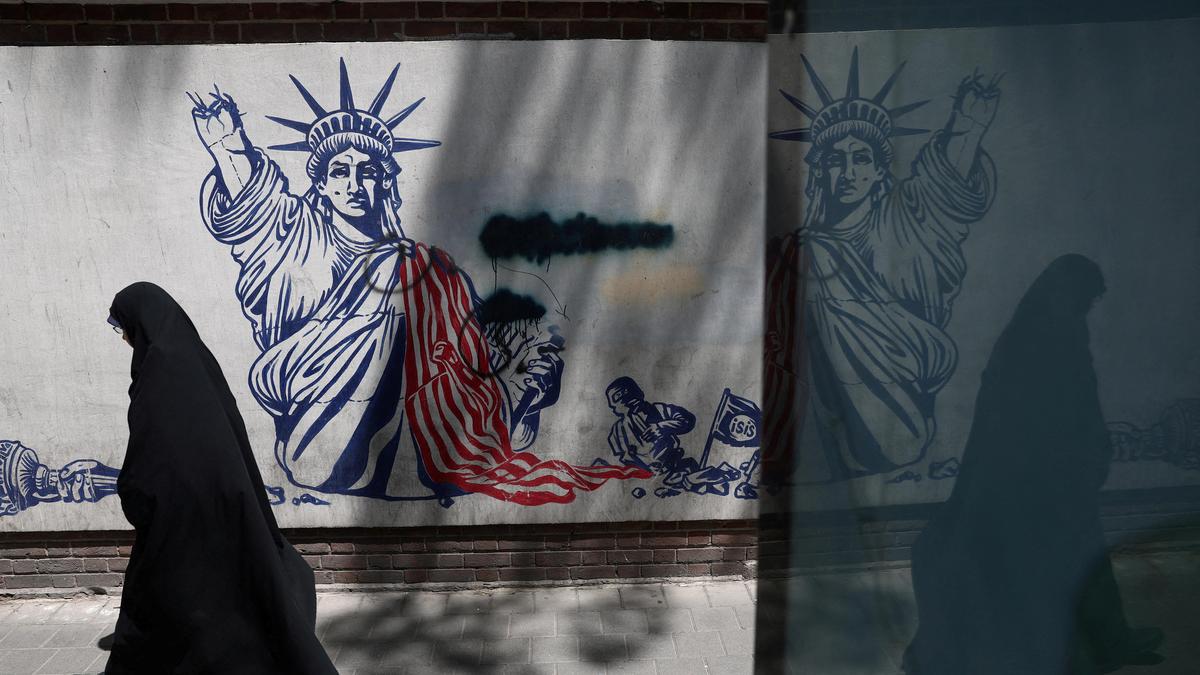
Even as the ceasefire between the United States and Iran was being repeatedly breached, the Iran war showed something that the world appears to have forgotten: military force, by itself, cannot be a solution unless it is followed by a political settlement — whether in Ukraine, Gaza, Lebanon, Sudan or Iran. The last four years of relentless bombardment, bloodshed, and the killing of innocent civilians and children with impunity have exposed the reality that none of the major powers seriously pursued the option of negotiations. In fact, many have been either directly involved in acts of aggression or have actively supported them through the supply of arms and financial assistance. However, the growing stalemate in almost all major conflicts underscores a fundamental truth: a political resolution is the only way forward if the major powers are to preserve what remains of their dignity.
An uneasy path to fragile peace
Restarting a full-scale war with Iran had become untenable for the U.S. after setbacks on both the strategic and political fronts, and equally untenable for Iran after reverses on the military, economic and leadership fronts. Both sides were ultimately compelled to negotiate. However, for Israel, which had initially encouraged the U.S. to start this war, any deal with Iran that fell short of regime change was unacceptable — and remains so — because of Iran’s continued support for a much-weakened Hezbollah in Lebanon, which Israel still regards as a direct threat. With Israeli elections due in October 2026, a ceasefire on the Lebanon front is politically unpalatable for Prime Minister Benjamin Netanyahu and his coalition. Iran, meanwhile, has become more assertive, by directly targeting Israeli interests and U.S. assets in the Gulf even when Hezbollah was attacked. Until recently, the pattern had been the reverse, with Iran’s proxies retaliating whenever Iran was targeted.
The much-awaited digitally signed U.S.-Iran deal reflects the reality that Iran has had a strategic win. Reports indicate that it opens up Hormuz Strait unconditionally, halts the war on all fronts including Lebanon, lifts Iranian oil sanctions, unfreezes Iranian assets and commits Iran not to produce nuclear weapons.
Negotiations to commit Iran to suspend nuclear enrichment and give up enriched nuclear material without being dubbed a repackaged Obama-era 2016 Joint Comprehensive Plan of Action (JCPOA), will take place over 60 days. In some ways the deal is not yet a political settlement, but the beginning of one.
Lest anyone romanticise Iran’s strategic gains, they do not alter the fundamental reality that Iran will continue to be viewed as a major disruptor in West Asia. There is little indication that its reliance on non-state actors such as Hezbollah, the Houthis and Iraqi militias will diminish. The Iranian government is now more hardline, its missile arsenal will be replenished, and it retains the capability to threaten the Strait of Hormuz and strike Gulf countries at will. The region is unlikely to be any safer after a deal than it was before.
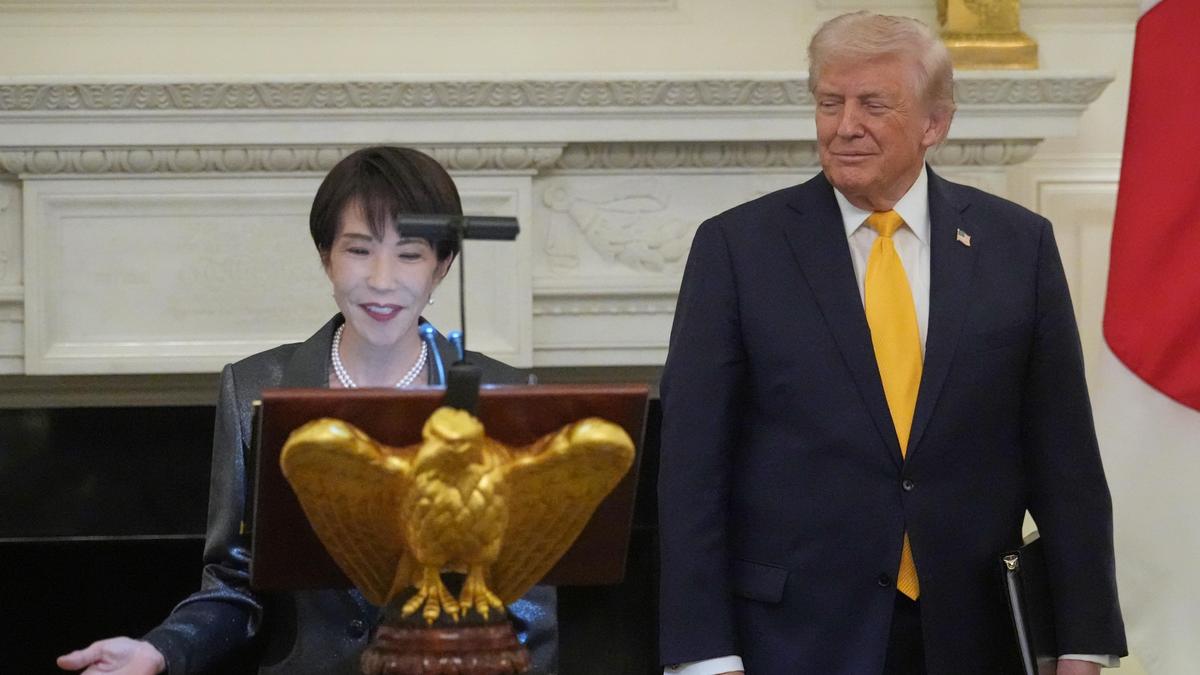
This is precisely why U.S. President Donald Trump’s ‘Make America Great Again’ (MAGA) base was pushing him to get a better deal. Mr. Trump’s push to get the Saudis, Qataris and others to join the Abraham Accords to normalise relations with Israel made no headway since Israeli attacks were unrelenting in Gaza, the West Bank and Lebanon.
Even now, after the deal, Israel has sworn to keep the territories it has captured in Lebanon and expand Israeli settlements in the occupied West Bank. Iran is apprehensive, for good reason, that the U.S. or Israel will derail the deal at the first sign of stalled negotiations or a Hezbollah attack. Israel, meanwhile, has accused the U.S. of selling it out because none of its key objectives have been achieved, conveniently overlooking its own role in urging the U.S. into the conflict.
Gulf fault lines exposed
The Gulf countries have also come out the worse off. They bet on a U.S. security umbrella, signed bilateral Abraham Accords with Israel sidelining historical regional conflicts, shed the conservative tag (like Saudi Arabia), invested in a hi-tech future and joined important global groupings such as BRICS, signalling their increasing ambitions as middle powers. Those ambitions have been rudely shaken and their fragilities exposed.
The Gulf states need to return to the drawing board. They overestimated their collective economic and security strength while underestimating their internal divisions and long-standing rivalries.
The post-war landscape has exposed these fault lines: Saudi Arabia and the United Arab Emirates (UAE) have worked at cross-purposes in Yemen, Sudan and Somalia, the Emiratis have left the Organization of the Petroleum Exporting Countries — a clear signal that Saudi writ on energy policy is over. Their supply chains have to be reworked to overcome a future Hormuz blockade. They will face a growth slowdown after the war impacting their ambitions. While the UAE has moved closer to Israel and the U.S., others have adopted a more cautious approach. Ironically, the Iran war has divided the Gulf rather than united it against a common adversary, making a recalibration of relations with Washington inevitable. After the collapse of deterrence against Iran, no Gulf country is secure unless it forges a regional security architecture bringing Iran into the fold. The lessons of the Ukraine war should not be forgotten. Europe expanded the North Atlantic Treaty Organization’s boundaries towards Russia without bringing Moscow into a broader regional security architecture, and is now paying the price. Yet, neither Europe nor West Asia appears to have learned that lesson.
The other power shifts
Russia and China are happy to watch the U.S. get bogged down. For China, a weakened Trump is easier to manage, while the Iran war has given China a preview of what to expect if it closes the Taiwan Strait or if a well-armed smaller power is attacked by a bigger one. Although China seeks a larger role in West Asia, the Gulf remains too deeply tied to the U.S. economically and strategically for any dramatic shift. China is therefore likely to work through its “iron brother” Pakistan, which found itself in a geographical sweet spot. For Russia, meanwhile, the war only reinforces the strategic logic it has long applied to Ukraine.
India initially appeared to align with Israel and the U.S., and ignored the assassination of the Iranian Supreme Leader, Ayatollah Ali Khamenei, but quickly realised the need for a more balanced approach when Iran closed the Strait of Hormuz and threatened critical interests such as energy security and maritime trade. Close ties with Israel or the UAE are important, but taking sides in regional conflicts is not.
With growing divergences among regional powers, Pakistan’s rising role, and the possibility of greater Chinese influence in West Asia, bilateral relationships alone are insufficient. India needs a balanced regional strategy rooted in strategic autonomy and multi-alignment. Any slowdown in the Gulf will affect trade, investments, employment opportunities for Indian workers and diaspora remittances. The Chinese getting a permanent maritime foothold in that region will make it worse. More broadly, the inability of the U.S. to accommodate India within its larger strategic vision in West Asia, East Asia and the wider neighbourhood is hurting India.
The question now is whether Israel will seek to undermine the Iran deal. Will the protagonists draw lessons from this conflict, or will they embark on yet another cycle of wars in Lebanon, Cuba, Gaza and the West Bank? And, on a related note, will Pakistan’s growing proximity to the U.S. increase pressure on India to resume unconditional talks with Islamabad?
T.S. Tirumurti is a former Permanent Representative of India to the United Nations, New York, and currently Head, Steering Committee of the Deccan Centre for International Relations, Chennai
Published – June 17, 2026 12:16 am IST