


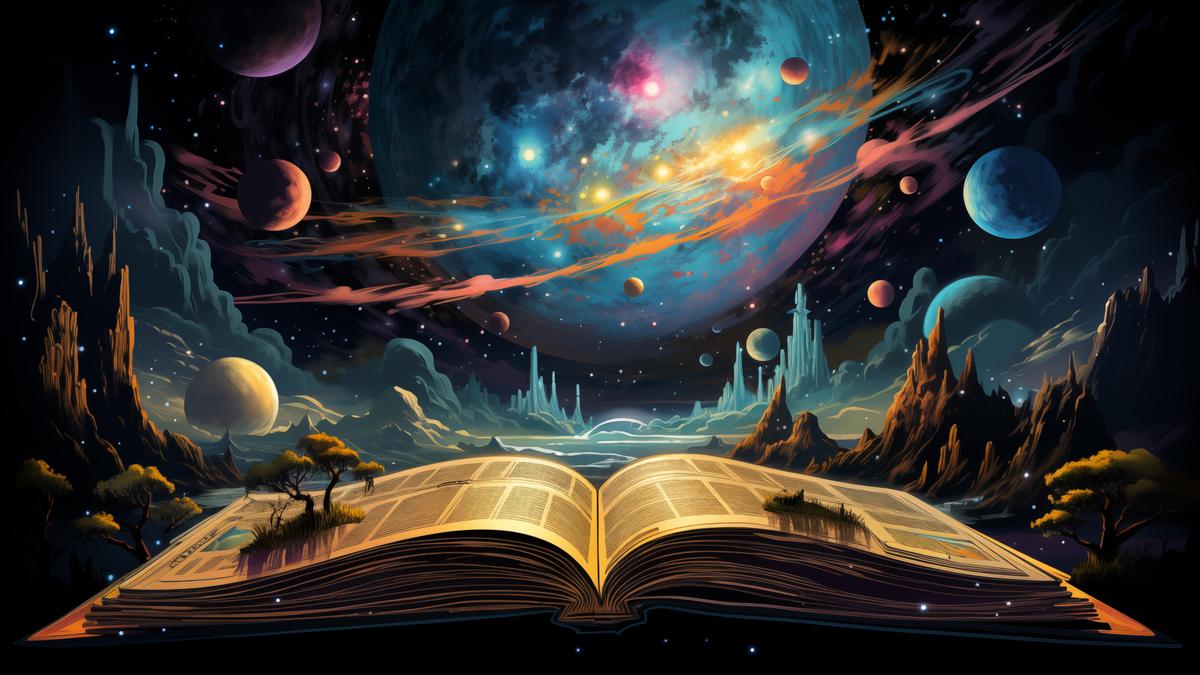
Science fiction has been a popular genre throughout generations and continues to occupy the hearts of young fans even today. Whether it be the words in a book or the clips of a movie, the genre always has something exciting and unique to showcase. From Mary Shelley’s Frankenstein, where a man’s journey to create a scientific method for creating life turns awry and horrifying, to Andy Weir’s The Martian, where a stranded astronaut must learn how to survive on Mars, the genre of science fiction holds a vast array of stories and narratives. One of its main focuses is on the relationship between humanity and science. While it contains many factual and scientific elements, at its core, the genre focuses on the human aspect of the plot.
The book cover of Frankenstein by Mary Shelley, an illustrated version.
| Photo Credit:
The Hindu
The flummoxing origin
The definition of science fiction has been a subject of debate for a long period of time, mainly due to the arguments made on the true history of the genre. There were two theories that took precedence. The first theory planted its roots in the famous Epic of Gilgamesh, a fantastical (something created from unrestrained imagination) text. The second navigated the origin to the centuries that followed the Scientific Revolution (17th to 19th Century), where the importance of logic, facts, experimentation, and modern sciences was established.
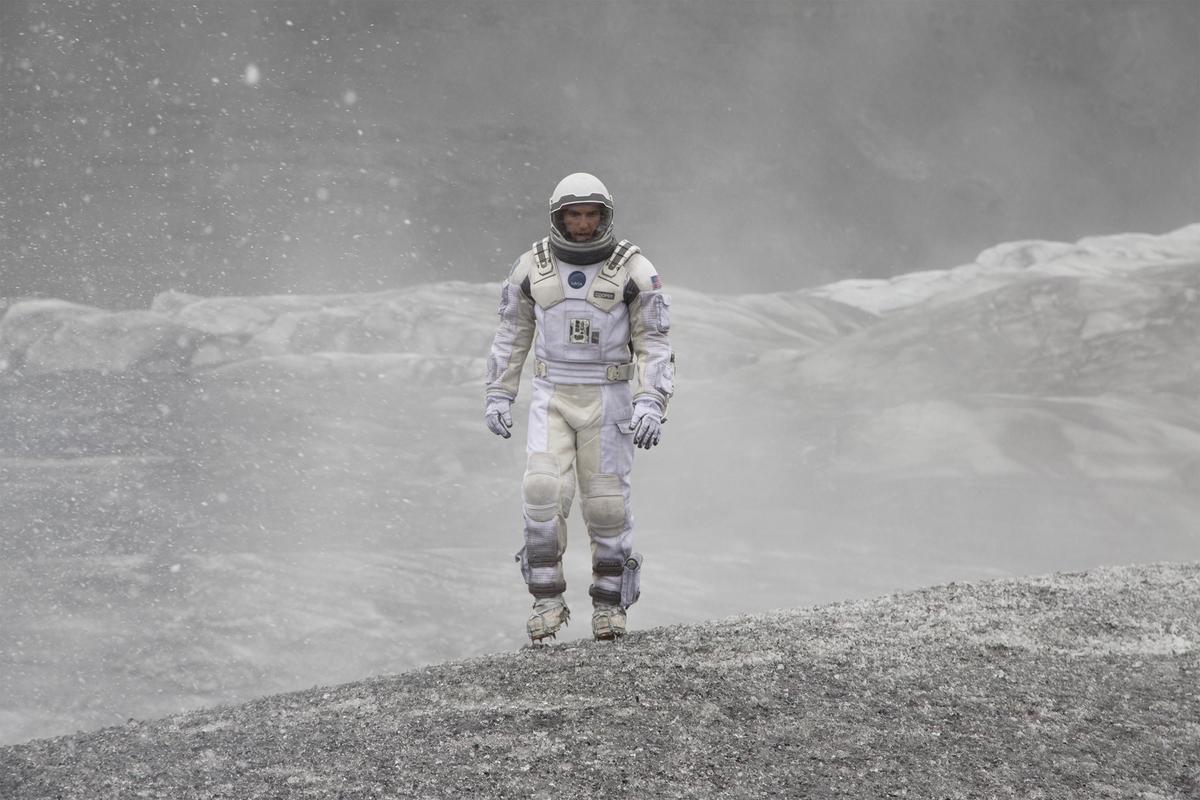
This image released by Paramount Pictures shows Matthew McConaughey in a scene from the film “Interstellar.”
| Photo Credit:
AP
Hard science fiction
Science fiction’s beauty is that each plot incorporates science in one way or another. Two of the most prominent subgenres are hard and soft science fiction. In hard science fiction, science takes the spotlight! It doesn’t matter if the word ‘fiction’ comes in the genre’s name; scientific accuracy is a must! Previously established scientific statements and principles are explored and adhered to when the story is created. The movie ‘Interstellar’ is a good example of this. Theoretical physicist Kip Thorne was the executive producer of this film and had studied wormholes and black holes. One of the main guidelines he had put forth to the director was that “nothing would violate established physical laws.”
PHOTO: AP
Soft science fiction
This type of science fiction can mean two things: A genre that focuses more on human emotion than scientific accuracy, or stories that explore soft sciences like psychology and sociology. Here, science and technology serve as background characters or a backdrop to the main characters who explore inner emotions, relationships, potential, and influence. Even within this subgenre, two subcategories emphasise the human aspect in different ways. Science fiction noir focuses on the negative aspects of human nature that lead to a dystopian society. Then there’s humanist science fiction, where humans are seen as important requirements to solve the problems faced by the world. Take the popular comedy movie “Honey, I Shrunk the Kids”, where a scientist creates an invention that accidentally shrinks his children. The story isn’t just about the machine, but also follows the kids’ journey with their neighbours (who were also shrunk) as they work out their differences. Other examples of soft fiction include the movies “Flubber,” where the robot Weebo forms a tear-jerking human bond with her creator, and “Free Guy” where the non-playable-character (NPC) of an online game develops self-awareness of his identity.
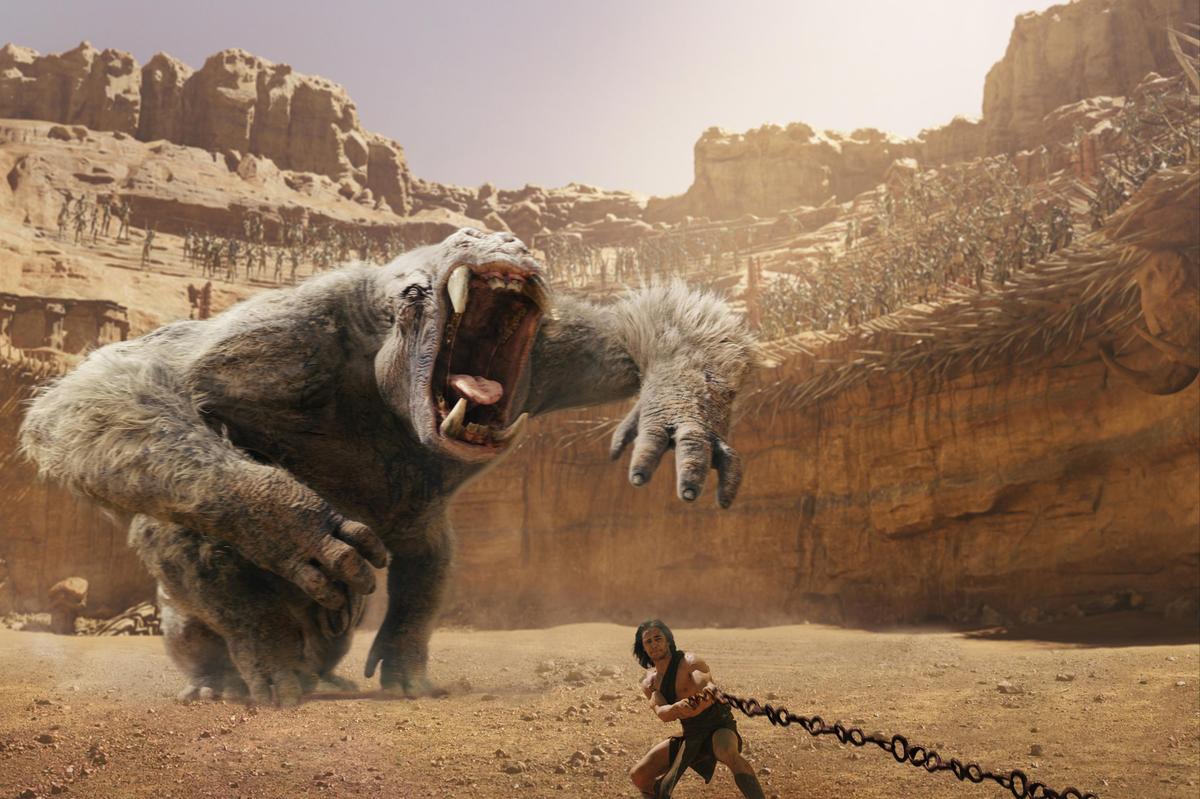
A scene from the film “John Carter.”
| Photo Credit:
AP
Presenting the pulp!
Many fans of fiction have most definitely heard the term ‘pulp science fiction’. Quick note, ‘pulp’ here refers to incredible science fiction stories of the past that were printed on cheap paper and popularised during the 20th Century. The first ever example of this is said to have begun in 1926, with the launch of the first ever science fiction magazine, Amazing Stories, by Hugo Gernsback. The stories here are fast-paced and adventure-driven. Think alien life-forms and mad scientists! Many of these tropes were found in pulp science fiction! It was popular during its time, as it served as a source of escape for readers who were living through hard times in war. Pulp science fiction also instilled curiosity in the readers about the future. The reign of pulp may have ended in the 1950s, but it served as a massive source of inspiration for modern works of sci-fi by establishing familiar tropes we still see in books and movies today! E.g. adventures in space, the cool hero, interaction with aliens, etc. One popular example would be John Carter, a war veteran who was transported to Mars (which is called ‘Barsoom’ by the people who live there). There, he discovers that he has superhuman capabilities due to the unique atmosphere of the planet! 2012 saw a film adapting this story, starring Taylor Kitsch as John Carter. Some other examples of pulp include Flash Gordon and Starship Troopers.
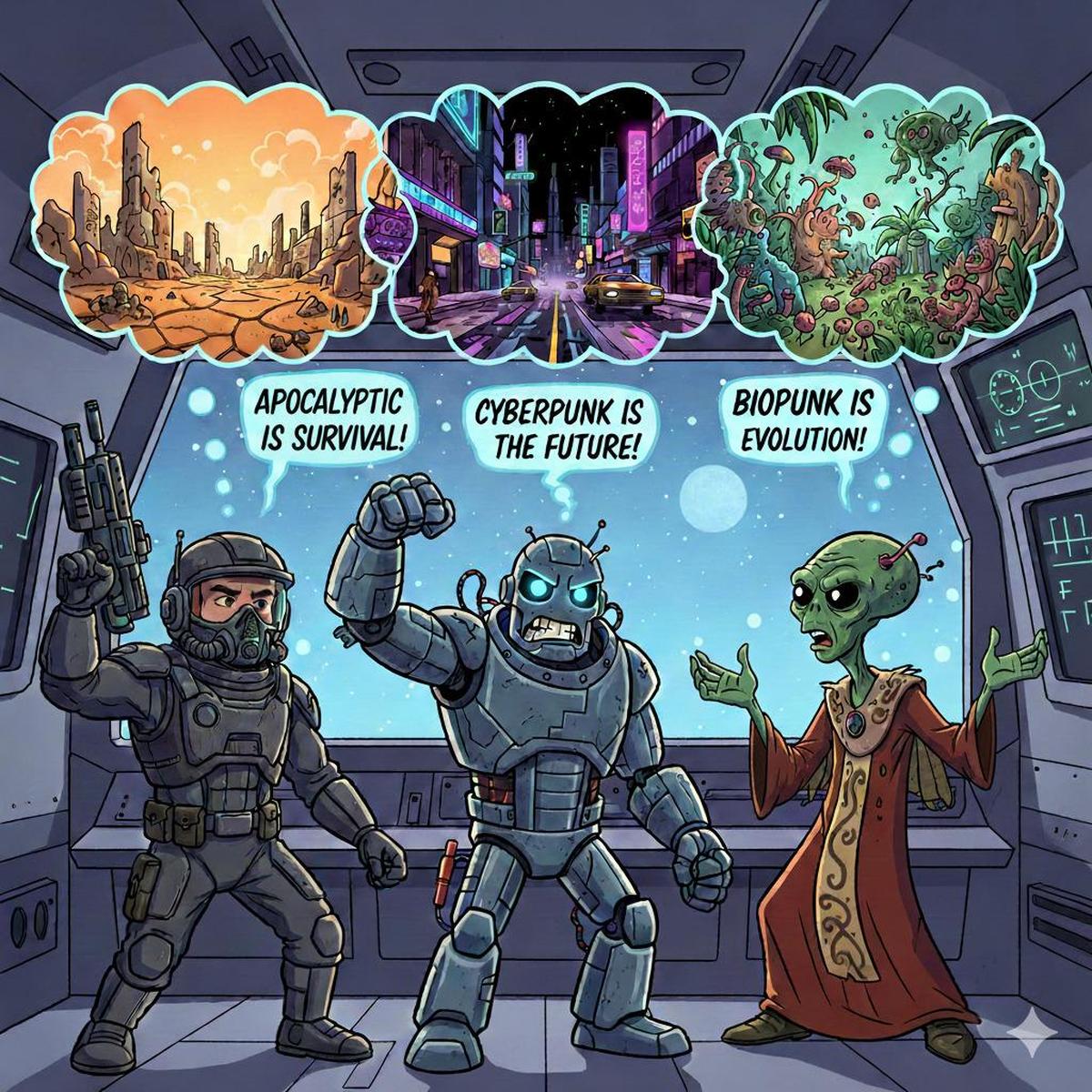
ai generated image
Apocalyptic science fiction focuses on a world where the civilisation is deteriorating and on the verge of collapse. If you were a character living in this kind of world, it would not be pretty! A virus outbreak or a nuclear holocaust may greet you! The plot normally revolves around the protagonist going on a mission to save the human race. Post-apocalyptic science fiction depicts a world where the damage is already done. Here’s an anime that comes under this genre: ‘Cowboy Bebop’, which follows a ragtag team of bounty hunters who live in a setting where humanity colonised the solar system following a hyperspace accident.
Cyberpunk is a subgenre that is set in a dystopian future. Unlike apocalyptic science fiction, cyberpunk focuses on a society where low status meets high-tech. Here, readers are introduced to futuristic technology that is juxtaposed with a collapsed society. It began when writers wanted to explore a society that was being impacted by the rise of technology, which would eventually turn their world into a dystopia! One example would be William Gibson’s Neuromancer.
Biopunk focuses on biotechnology! It is a derivative genre of cyberpunk, but it mainly focuses on the biotechnological aspect of the setting. Beware, for if you were to step into this world, you would come upon sights of human experimentation! Whether it be by aliens or mad scientists, you will find yourself in danger! The story could also show a setting where the citizens are ruled by fear by an evil corporation that misuses biotechnology to control people. The famous author, H.G. Wells, created a story titled The Island of Doctor Moreau, where a shipwrecked man ends up on an island of a mad scientist who creates hybrids.
Science fiction’s big three
Anime has ‘One Piece’, ‘Naruto’, and ‘Bleach’. When it comes to science fiction, however, the big three consist of three prominent and popular writers of science fiction. First, there’s Arthur C. Clarke, whose novels take on an optimistic narrative where science has strengthened exploration across the solar system. He had co-written the famous 1968 film ‘2001: A Space Odyssey’. Next is Isaac Asimov, who has authored over 500 books and is known for following ‘hard science fiction’. His style is known to simplify complex topics. His novel, The Caves of Steel, aimed to display that science fiction could be incorporated into any genre. And finally, Robert A. Heinlein, known as the “dean of science fiction writers,” is known for using the narrative technique known as “indirect exposition”, where the information regarding the world is revealed through casual dialogue rather than being stated outright.
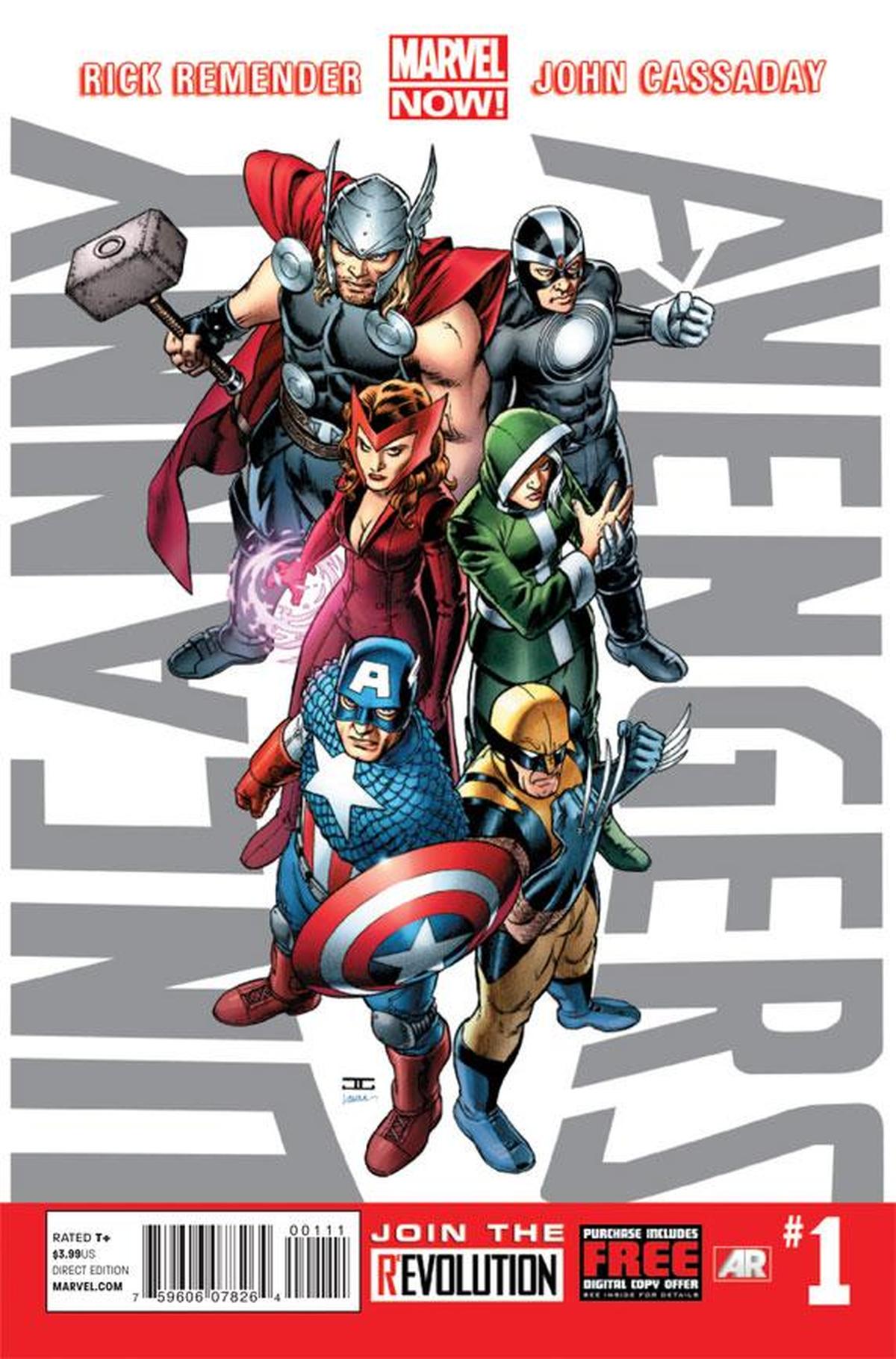
The Marvel Universe is an incredibly popular fictional universe that is known for incorporating the elements of science fiction into its characters and stories.
| Photo Credit:
AP
Science fiction that became a reality
Tablets: “2001: A Space Odyssey,” which was released in 1968, showed characters using portable devices that resemble the modern tablets we use today.
Lasers:The War of the Worlds introduced a precursor to the laser with the concept of the “heat-ray”, a weapon used by the Martians.
Credit and Debit Cards:Looking Backward, a Utopian novel by Edward Bellamy, first introduced the concept of credit cards.
Mobile phones: ‘Star Trek’ first showcased the character Captain Kirk, using what was known as a communicator, which looks oddly similar to the flip phones and mobile phones used today.
Published – February 28, 2026 09:00 am IST