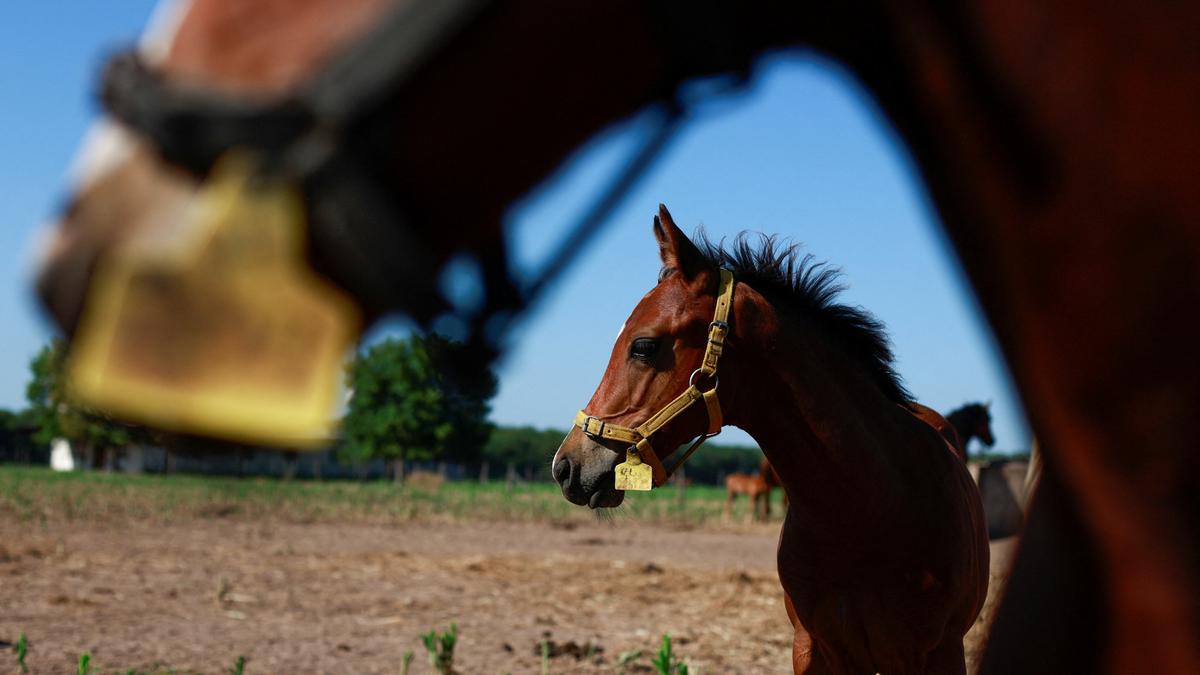
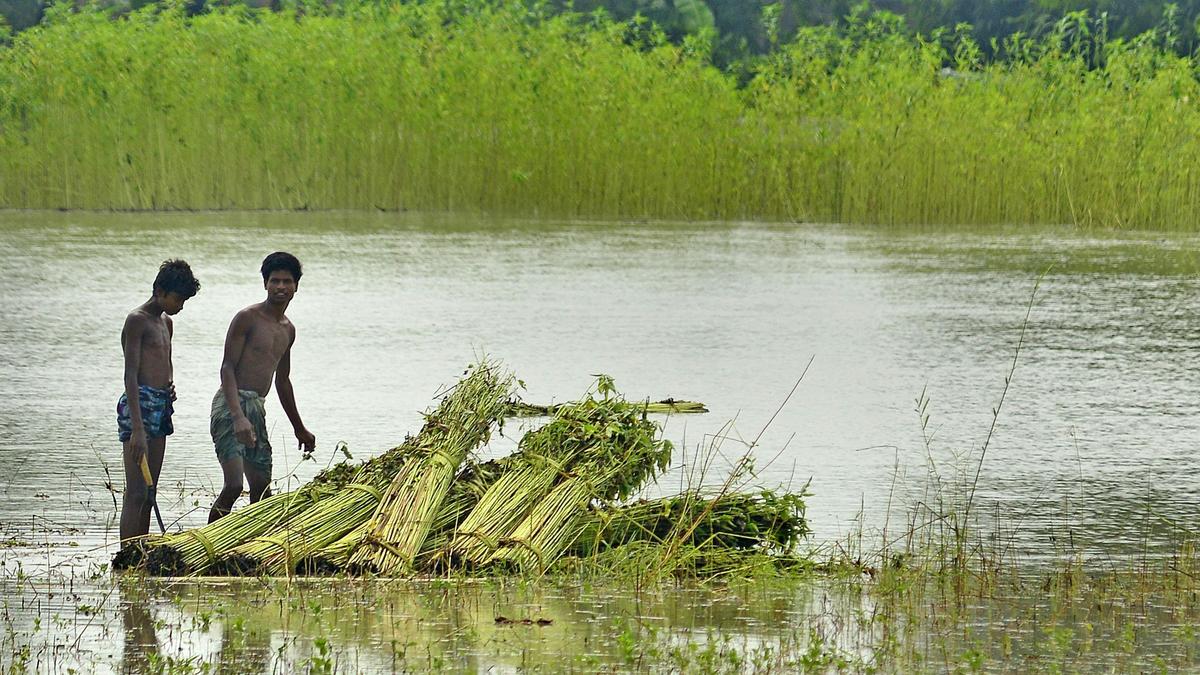

The United Nations has declared 2026 to be the ‘International Year for Rangelands and Pastoralists’.
In 2022, a group of scientists from institutions in Tanzania, Zambia, the U.K., the U.S., Germany and Canada wrote an open letter urging the parties of the U.N. Framework Convention on Climate Change (FCCC) to broaden their goals to be inclusive of all biomes on earth, but especially grasslands and savannahs. Their letter, published in Science, asserted that even though savannahs are potentially better carbon sinks, forests have hogged the limelight in global climate negotiations. Unfortunately, three years since the letter was written, the UNFCCC climate summits have continued to fall short of addressing this key issue.
The UNFCCC COP30 climate talks took place over the course of 10 days in the city of Belém in North Brazil, and it had a major focus on forests. Hosting the bulk of the Amazon river, Brazil had an opportunity to place forests at the centre of its agenda. Early on at the conference, the announcement of the Tropical Forest Forever Facility (TFFF) was exciting to most attendees. With commitments of multi-million-dollar funds from different countries, the TFFF was established to fund countries to keep tropical forests intact.
COP30, which ended with a lack of any concrete roadmap to protect the climate, also signalled a glaring disparity in a global climate action agenda that has continued to favour forests alone. Much like forests, other major biomes the world over are also facing the consequences of climate change and biodiversity loss — and protecting them can also aid climate action.
“Everyone is facing the effects of climate change, but the desert people are facing some of the harshest effects,” said Samantha Murray, an Ilka/Wongutha/Nyoongar indigenous person and the CEO of Indigenous Desert Alliance (IDA). “It is getting hotter and it is getting harder to live here”
The IDA is a network of indigenous community rangers that works to protect and manage the vast desert grasslands that make up more than a third of Australia’s landmass.
Just beginning
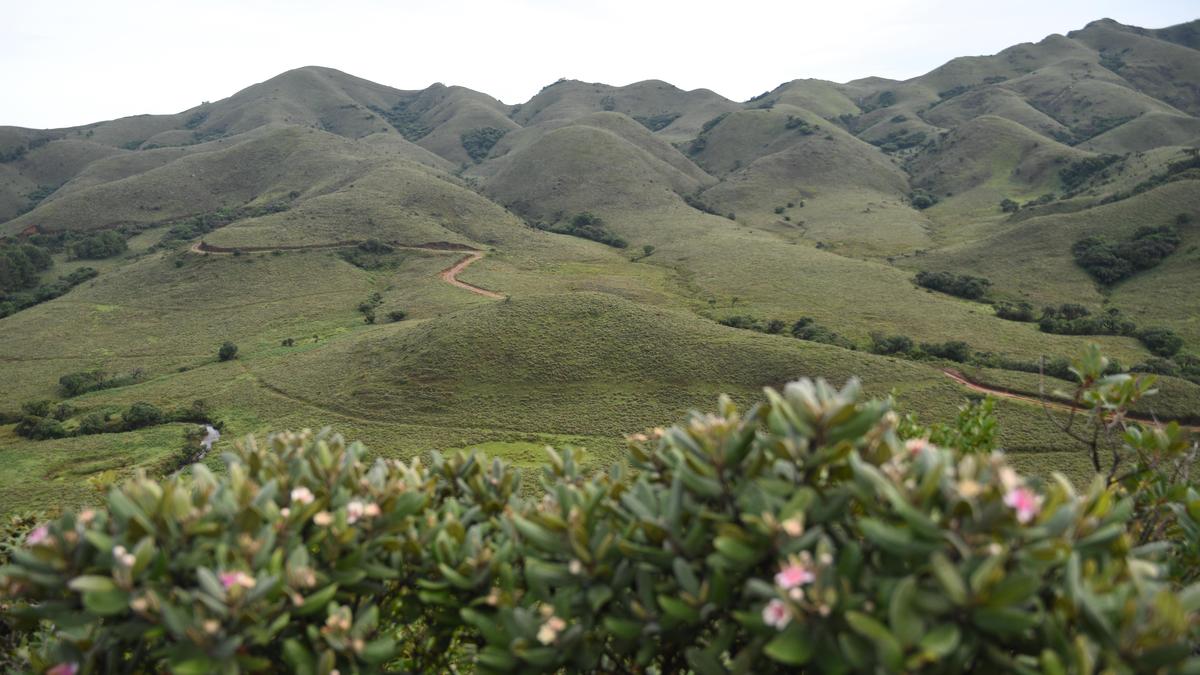
Grasslands are one of the most threatened ecosystems in the world. The biome has suffered rapid habitat loss due to agriculture, conversion to forests and plantations, spread of invasive species, and due to the extraction of fossil fuels. In addition, many governments have suppressed indigenous and local land management techniques such as controlled fires and grazing, leaving forest land to burn during wildfires with greater intensity and to release more carbon into the atmosphere as forests degrade.
Today, the desert grasslands of Australia are reeling under the effects of dry spells and flash floods induced by climate change. These consequences are playing out in tandem with those of the buffel grass (Cenchrus ciliaris), an invasive species of grass that hasn’t only replaced native grass but which also burns with higher intensity.
Organisations like the IDA have been at the forefront of bringing more attention to the desert grasslands of Australia. Stewarded by indigenous communities, the IDA has been working on the ground to protect their grasslands through culturally appropriate burning regimes, round-the-clock monitoring by indigenous rangers, and invasive species management.
This said, the fight to preserve grasslands has just begun.
“I still think that in my lifetime, there won’t be a chance for me to walk up to someone in Melbourne and ask them about climate change, for them to say, ‘yes, it is affecting the deserts of our country’,” Samatha said, further highlighting that the grasslands are often seen as nothing more than empty spaces and is thus also insufficiently funded by the government.
No cerrado, no Amazon
The same situation in Australia is echoed around the world. Brazil is home to one of the world’s most biodiverse savannahs, called the Cerrado. Home to eight of the 12 water systems of Brazil, including major river systems like the Sao Francisco and the Tocantins, the cerrado is stressed; in fact the cerrado grasslands face twice as much range loss due to human activities as well as climate change compared to the Amazon rainforests in the country.
Of late, small-scale efforts have been bringing forth the importance of grasslands at the COP summits. Scientists, members of indigenous and local communities, and policymakers have been coming together to advocate for this imperilled biome. At the COP30 itself, big billboards at the central hall of the venue; public demonstrations by indigenous communities living in the cerrado; and special youth groups formed by the Brazilian ministry with representatives from each of the six biomes in the country all brought issues related to grasslands to the participants’ attention, even if these efforts were scattered.
Several side events also highlighted grasslands. In one event called ‘Cerrado e Amazonia; Conectados Pelas Aguas’, Dandara Tonantzin, a federal congresswoman from the state of Minas Gerais in Brazil and coordinator of the Cerrado Defense Group of the Environmental Parliamentary Front highlighted the crucial role of the cerrado grasslands. In her words: “The Cerrado and the Amazon are two biomes, and brothers, that are connected ecologically. It is important to understand that without the cerrado, there is no Amazon.”
A social justice issue
The cerrado today faces multiple pressures from growing agricultural expansion, mining, fire suppression, disenfranchisement of communities’ rights to their land, and public policies that protect agribusiness over ecosystems. In addition, 70% of Brazil’s agricultural toxic wastes are dumped in this biome, endangering the ecology as well as the people that live there.
“We can still choose another path. First, by officially recognising territorial rights and secure demarcations for Indigenous peoples and Quilombolas (Afro-descendent communities in Brazil), Dandara said, highlighting that protecting the cerrado is also a social justice issue. “We need to ensure the implementation of inclusive public policies that integrate the participation of traditional communities in the management of natural resources.”
Bridging these narratives from the side events to the negotiating rooms of the COP is a long road. By design, the UNFCCC COP focuses almost exclusively on conversations around managing carbon, while biodiversity and land degradation largely remain the talking points for the U.N. Convention on Biological Diversity (CBD) and the U.N. Convention to Combat Desertification (CCD). To their credit, however, the CBD and the CCD have made better efforts to recognise grasslands in their programmes.
For example, at the UNCCD COP16 conference in Saudi Arabia, there were efforts to highlight the importance of grasslands and rangelands in achieving land degradation neutrality. Through resolution L15, the UNCCD COP officially recognised that rangelands are complex socio-ecological systems and called on its parties to “prioritise policies and investments” and to “improve tenure security in rangelands”.
Building bridges
Protecting a biome like grasslands can’t happen in isolation but must come about through goals shared by the various U.N. bodies. Unfortunately, there are still debates ongoing about whether biodiversity and climate goals align and how institutions can build synergies. In 1992, the formation of the three Rio Conventions marked a historic first step in bridging the gap between the UNCBD, the UNFCCC, and the UNCCD — and from there a mechanism to cooperate on goals to address climate change, biodiversity loss, and land degradation together.
COP30 also saw the active participation of organisations such as the World Wide Fund for Nature and the International Union for the Conservation of Nature on the matter of these overlooked biomes. In a report jointly released during the conference, titled ‘Protecting the overlooked carbon sink’, authors from these organisations highlighted a growing need to integrate grasslands in climate negotiations. In its policy recommendation, the report stated that grasslands should be considered in “an integrated manner across all three Rio Conventions to break silos and maximise effectiveness”. The report also stated that grasslands must be recognised in the country-specific nationally determined contributions (NDCs), which are national climate action plans that outline a country’s commitment to reducing emissions under the Paris Agreement.
Small step for India
Laying bridges between the U.N. bodies is in fact the best way to protect the world’s grasslands, and a similar exercise between various branches of the Indian government could benefit the country’s grasslands as well. According to a white paper released by the Ashoka Trust for Research in Ecology and the Environment (ATREE), Bengaluru, at the UNFCCC COP16 in Saudi Arabia, grasslands in India come under the purview of 18 Ministries, each with competing interests and policy goals. While the Union Environment Ministry considers grasslands for afforestation purposes, say, the Ministry of Rural Development publishes the “wasteland atlas of India” that often includes grasslands the atlas deems available for conversion to other uses.
If the governing bodies are unified from the national to the multilateral levels, however, the benefits could trickle down through mechanisms such as the country-specific NDCs. In fact, one of India’s eight NDCs is “to create an additional carbon sink of 2.5 to 3 billion tonnes of CO2 equivalent through additional forest and tree cover by 2030.” By recognising grasslands as a crucial carbon sink, the Indian government can easily encompass this biome, move away from forest-focused carbon sequestration schemes, and give its own climate mitigation efforts a boost.
In similar vein, a policy brief shared by a group of researchers from Brazil urged the UNFCCC to “adopt the Ecosystem-Based Approach as an immediate pathway” to conserve and sustainably manage “open ecosystems as adaptation actions, enabling their inclusion in Brazil’s NDCs”.
Recognising the importance of grasslands as unique ecosystems worthy of attention, valuing their potential for carbon sequestration and ecosystem services, integrating grassland protection in countrywide NDCs, all while giving local communities the rights to their land and management practices — these are essential first steps in mainstreaming the protection and sustenance of grasslands worldwide. Creating bridges between the relevant U.N. bodies such that countries can develop unified policies is also crucial.
All these goals can be achieved if the parties to the U.N. uphold the values of multilateralism and prioritise science and civil society over the fossil fuel and agrobusiness lobbies.
Sutirtha Lahiri is a PhD student in conservation science and the Interdisciplinary Center for the study of Global Change (ICGC) Scholar at the University of Minnesota.