


Skip to content
  • Facebook
  • X
  • Linkedin
  • WhatsApp
  • Associate Journalism
  • About Us
  • Privacy Policy
  • 033-46046046
  • editor@artifex.news
Artifex.News

Artifex.News

Stay Connected. Stay Informed.

  • Breaking News
  • World
  • Nation
  • Sports
  • Business
  • Science
  • Entertainment
  • Lifestyle
  • Toggle search form
  • Man Who Shot At Sukhbir Badal “Gem Of The Nation”: Minister’s Dig At Akalis
    Man Who Shot At Sukhbir Badal “Gem Of The Nation”: Minister’s Dig At Akalis Nation
  • Rupee trades in narrow range against U.S. dollar in early trade
    Rupee trades in narrow range against U.S. dollar in early trade Business
  • Himanta Sarma To Lalu Yadav
    Himanta Sarma To Lalu Yadav Nation
  • Access Denied
    Access Denied Nation
  • Access Denied
    Access Denied Nation
  • Iran rejects ‘malicious’ accusations implicating it in Trump assassination bid
    Iran rejects ‘malicious’ accusations implicating it in Trump assassination bid World
  • “Dhoni Nahi Hai, Phir Jeet Jayenge”: Yograj Singh’s Fiery Rant Against Ex-India Skipper Goes Viral
    “Dhoni Nahi Hai, Phir Jeet Jayenge”: Yograj Singh’s Fiery Rant Against Ex-India Skipper Goes Viral Sports
  • PM Modi Greets Nation On Samvidhan Divas
    PM Modi Greets Nation On Samvidhan Divas Nation
Could rewiring macrophage metabolism make TB treatments shorter?

Could rewiring macrophage metabolism make TB treatments shorter?

Posted on December 19, 2025 By admin


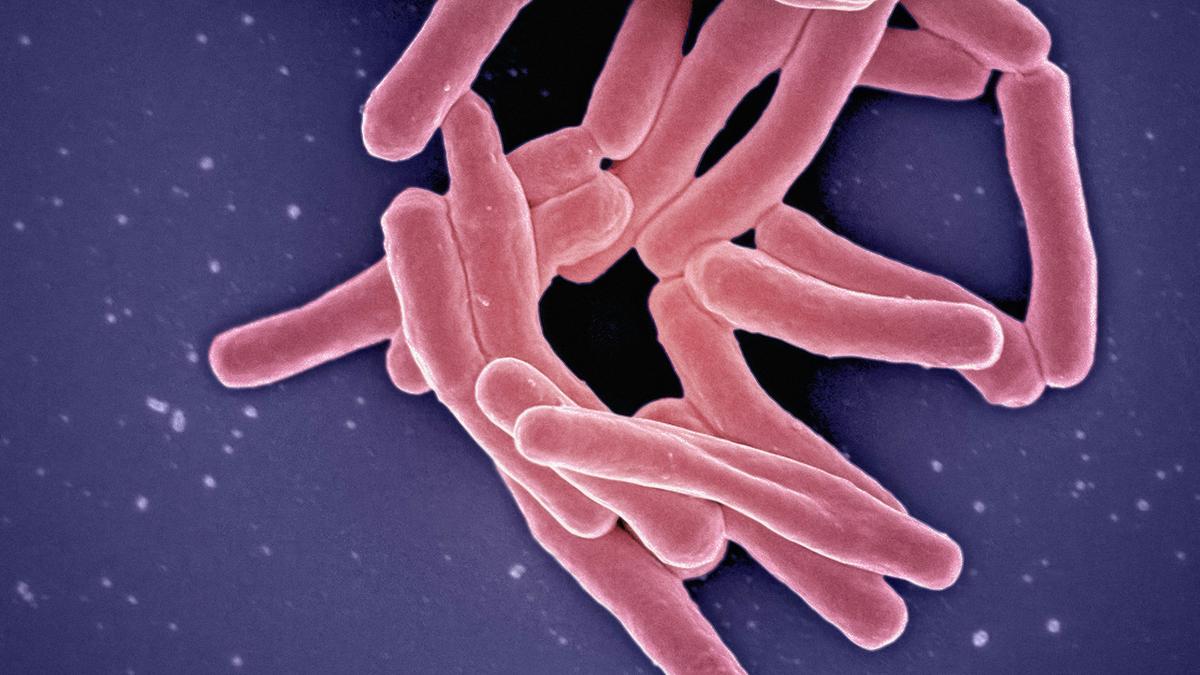
Thebacteria that cause tuberculosis (TB) also infect macrophages, the very immune cells meant to capture and destroy them. Once inside, the bacteria create a niche where they can persist for months or even years, tolerating even powerful antibiotics. This resilience is a major reason TB treatment requires long, intensive drug regimens lasting six to nine months, leading to poor patient adherence, extended antibiotic exposure, and often drug resistance.

In a new study in Nature Communications, researchers from around India have suggested that the key to outsmarting the bacteria, Mycobacterium tuberculosis (Mtb), may not lie in new antibiotics but in rewiring the metabolism of host macrophages, potentially paving the way for shorter and more effective anti-TB therapies.

Oxidative stress

Macrophages use several strategies to kill microbes, including bursts of oxidative stress in the form of unstable molecules that can damage cellular components. Amit Singh of the Centre for Infectious Disease Research at the Indian Institute of Science, Bengaluru, and the study’s corresponding author said they previously observed striking metabolic differences among Mtb cells growing inside macrophages. Specifically, bacteria with a greater ability to counter oxidative stress were markedly more drug-tolerant than those with weaker defences.

“We observed this phenomenon only when bacteria invaded macrophages, which led us to suspect that macrophage-specific mechanisms were shaping the metabolic states of Mtb,” Dr. Singh said.

The researchers infected mouse macrophages with Mtb engineered to carry a fluorescent sensor: its readout rose when the bacteria were more oxidised and fell when they were more reduced. When they compared the gene activity patterns of macrophages carrying the two Mtb populations, they noted a pattern. Macrophages with reduced Mtb relied on oxidative phosphorylation (OXPHOS), a process by which mitochondria generate energy using oxygen. On the other hand, macrophages with oxidised Mtb had higher glycolysis, an alternate pathway that generates energy by breaking down glucose.

These distinct metabolic states influenced how well Mtb tolerated antibiotics against both drug-sensitive and drug-resistant TB, the researchers said.

In Dr. Singh’s words: “Glycolytically-driven macrophages harbour impaired mitochondria and experience higher oxidative stress, making the bacteria more oxidised and susceptible to anti-TB drugs. Conversely, bacteria within OXPHOS-driven macrophages … can better neutralise oxidative stress, allowing them to tolerate drugs more effectively.”

Vikas Yadav, a former PhD scholar in Singh’s lab and the study’s first author, added, “Uninfected macrophages were metabolically reprogrammed by signals from infected cells, suggesting that infection reshapes the whole microenvironment, not just infected cells.”

A key player

The team also identified a regulatory molecule that linked macrophage metabolism to bacterial survival. Macrophages harbouring reduced, drug-tolerant Mtb expressed high levels of NRF2, a protein that boosted antioxidant responses. When the researchers inhibited NRF2, oxidative stress increased and macrophages shifted towards glycolysis. This metabolic switch made previously tolerant bacteria far more susceptible to isoniazid, a frontline anti-TB drug.

“We were surprised to find that NRF2, normally protective for host cells, actually supported a drug-tolerant niche for Mtb, by maintaining high OXPHOS and low oxidative stress conditions,” Dr. Yadav said.

According to Raghunand R. Tirumalai, senior principal scientist at the CSIR-Centre for Cellular and Molecular Biology, Hyderabad, who wasn’t involved in the study, the findings raise the possibility that Mtb may actively manipulate NRF2 levels to ensure it survives antibiotic treatment. Identifying the bacterial factors involved, he added, could be an important direction for future investigations.

Old drug, new role

When researchers suppressed OXPHOS, oxidative stress increased, macrophages shifted towards glycolysis, and Mtb became more sensitive to antibiotics. On the other hand, conditions that favoured OXPHOS supported a reduced state and allowed Mtb to tolerate drugs better, showing how host cell metabolism directly affected drug response.

The researchers also looked for existing drugs that could steer Mtb-infected macrophages towards glycolysis. This led them to meclizine, an over-the-counter drug widely used to treat nausea and motion sickness. Meclizine has long been known to redirect mammalian cells from OXPHOS to glycolysis and has a good safety record. In infected macrophages, the team reported, meclizine spiked oxidative stress and glycolytic activity. It also dramatically lowered Mtb’s tolerance to frontline anti-TB drugs, with no signs of harmful drug-drug interactions.

In a mouse model that mirrored human TB, combined treatment with isoniazid and meclizine produced an additional 20x decrease in the bacterial load.

“This observation opens up avenues to identify additional host-targeting compounds that have the potential for switching macrophage metabolism to a drug susceptible state, and can synergise with conventional anti-TB drugs that target the bacterium,” Dr. Tirumalai said.

The lungs of meclizine-treated animals showed signs of tissue recovery, underscoring its broader therapeutic potential. Dr. Singh emphasised that this finding is significant because at least half of TB survivors still suffer lasting lung damage and impaired lung function.

“In addition to improving treatment efficacy, a drug combination including meclizine can activate the immune system, promote healing of the TB cavity, and restore lung function,” Dr. Singh said.

Next challenge

Host-directed therapies like meclizine boost host defences without directly attacking bacteria, bypassing the risk of antibiotic resistance. Nisheeth Agarwal of the Translational Health Science and Technology Institute in Faridabad and also an independent researcher said, “Given the rising incidence of antimicrobial resistance in Mtb, such therapies provide a relatively promising approach as adjunctive anti-TB therapies by potentiating their effects or enhancing drug availability.”

The next challenge, according to the researchers, is to understand how meclizine can be safely paired with existing treatments to maximise bacterial clearance and prevent relapse, without adding side effects. Because meclizine crosses the blood–brain barrier, it may also enhance the effectiveness of anti-TB drugs that struggle to reach therapeutic levels in the central nervous system.

If clinical studies in humans confirm meclizine can shorten treatment duration, Dr. Singh said, it could improve patient adherence, reduce transmission, and help curb the rise of drug resistance.

Shweta Yogi is a freelance science writer.

Published – December 19, 2025 08:00 am IST



Source link

Science

Post navigation

Previous Post: Trump signs executive order that would reclassify marijuana as less dangerous drug
Next Post: Access Denied

Related Posts

  • How diapers use quantum physics to attend to nature’s call | Explained
    How diapers use quantum physics to attend to nature’s call | Explained Science
  • Sci-Five | The Hindu Science Quiz: On Antimatter
    Sci-Five | The Hindu Science Quiz: On Antimatter Science
  • Six decades since Thumba launch, slew of private cos prep for flight
    Six decades since Thumba launch, slew of private cos prep for flight Science
  • As the lights stay on, birds are staying up past their bedtime
    As the lights stay on, birds are staying up past their bedtime Science
  • Aditya mission continuously sending data about Sun: ISRO chief
    Aditya mission continuously sending data about Sun: ISRO chief Science
  • 2024 Interim Budget | Space gets nominal hike, likely boost for spaceflight start-ups
    2024 Interim Budget | Space gets nominal hike, likely boost for spaceflight start-ups Science

More Related Articles

Science This Week | India becomes the first country to land on Moon’s south pole and more Science This Week | India becomes the first country to land on Moon’s south pole and more Science
Zombies in our genes helped us evolve, and could help battle cancers Zombies in our genes helped us evolve, and could help battle cancers Science
Entrepreneur and pilot, Gopichand Thotakura is aiming for a place in Indian space history Entrepreneur and pilot, Gopichand Thotakura is aiming for a place in Indian space history Science
The Science Quiz | Exploring superfoods and beyond The Science Quiz | Exploring superfoods and beyond Science
The Science Quiz: The Russell-Einstein manifesto The Science Quiz: The Russell-Einstein manifesto Science
Sci-Five | The Hindu Science Quiz: On Antimatter Sci-Five | The Hindu Science Quiz: On Antimatter Science
SiteLock

Archives

  • December 2025
  • November 2025
  • October 2025
  • September 2025
  • August 2025
  • July 2025
  • June 2025
  • May 2025
  • April 2025
  • March 2025
  • February 2025
  • January 2025
  • December 2024
  • November 2024
  • October 2024
  • September 2024
  • August 2024
  • July 2024
  • June 2024
  • May 2024
  • April 2024
  • March 2024
  • February 2024
  • January 2024
  • December 2023
  • November 2023
  • October 2023
  • September 2023
  • August 2023
  • July 2023
  • June 2023
  • May 2023
  • April 2023
  • March 2023
  • February 2023
  • January 2023
  • December 2022
  • November 2022
  • October 2022
  • September 2022
  • August 2022
  • July 2022
  • June 2022
  • May 2022

Categories

  • Business
  • Nation
  • Science
  • Sports
  • World

Recent Posts

  • When two warring groups of the Congress metin Thirupparankundram for talks 80 years ago
  • Access Denied
  • Could rewiring macrophage metabolism make TB treatments shorter?
  • Trump signs executive order that would reclassify marijuana as less dangerous drug
  • Science quiz: The discovery of Epimetheus

Recent Comments

  1. dfb{{98991*97996}}xca on UP Teacher Who Asked Students To Slap Muslim Classmate
  2. "dfbzzzzzzzzbbbccccdddeeexca".replace("z","o") on UP Teacher Who Asked Students To Slap Muslim Classmate
  3. 1}}"}}'}}1%>"%>'%> on UP Teacher Who Asked Students To Slap Muslim Classmate
  4. bfg6520<s1﹥s2ʺs3ʹhjl6520 on UP Teacher Who Asked Students To Slap Muslim Classmate
  5. pHqghUme9356321 on UP Teacher Who Asked Students To Slap Muslim Classmate
  • “Don’t Impose GST On Online Gaming Retrospectively”: Fantasy Sports Body
    “Don’t Impose GST On Online Gaming Retrospectively”: Fantasy Sports Body Nation
  • Access Denied Sports
  • Thales Group to expand strategic collaborations, set up MRO for civil aviation in India
    Thales Group to expand strategic collaborations, set up MRO for civil aviation in India Business
  • India women left-arm spinner Gouher Sultana retires
    India women left-arm spinner Gouher Sultana retires Sports
  • Access Denied World
  • Trump Says Will Use Guantanamo Bay To Detain Illegal Migrants
    Trump Says Will Use Guantanamo Bay To Detain Illegal Migrants World
  • Meet Lauren Sanchez, The Woman Set To Marry Jeff Bezos In Lavish Wedding
    Meet Lauren Sanchez, The Woman Set To Marry Jeff Bezos In Lavish Wedding World
  • Hurricane Melissa charges toward Cuba, forces evacuation of 7,00,000 residents
    Hurricane Melissa charges toward Cuba, forces evacuation of 7,00,000 residents World

Editor-in-Chief:
Mohammad Ariff,
MSW, MAJMC, BSW, DTL, CTS, CNM, CCR, CAL, RSL, ASOC.
editor@artifex.news

Associate Editors:
1. Zenellis R. Tuba,
zenelis@artifex.news
2. Haris Daniyel
daniyel@artifex.news

Photograher:
Rohan Das
rohan@artifex.news

Artifex.News offers Online Paid Internships to college students from India and Abroad. Interns will get a PRESS CARD and other online offers.
Send your CV (Subjectline: Paid Internship) to internship@artifex.news

Links:
Associate Journalism
About Us
Privacy Policy

News Links:
Breaking News
World
Nation
Sports
Business
Entertainment
Lifestyle

Registered Office:
72/A, Elliot Road, Kolkata - 700016
Tel: 033-22277777, 033-22172217
Email: office@artifex.news

Editorial Office / News Desk:
No. 13, Mezzanine Floor, Esplanade Metro Rail Station,
12 J. L. Nehru Road, Kolkata - 700069.
(Entry from Gate No. 5)
Tel: 033-46011099, 033-46046046
Email: editor@artifex.news

Copyright © 2023 Artifex.News Newsportal designed by Artifex Infotech.