

Skip to content
  • Facebook
  • X
  • Linkedin
  • WhatsApp
  • YouTube
  • Associate Journalism
  • About Us
  • Privacy Policy
  • 033-46046046
  • editor@artifex.news
Artifex.News

Artifex.News

Stay Connected. Stay Informed.

  • Breaking News
  • World
  • Nation
  • Sports
  • Business
  • Science
  • Entertainment
  • Lifestyle
  • Toggle search form
  • Prithvi Shaw shines as Kerala-Maharashtra Ranji match peters out to a draw
    Prithvi Shaw shines as Kerala-Maharashtra Ranji match peters out to a draw Sports
  • Access Denied
    Access Denied Nation
  • All You Need To Know About Key Characters In Trump’s Hush Money Trial
    All You Need To Know About Key Characters In Trump’s Hush Money Trial World
  • 100 years of MRC and its undying love for cricket
    100 years of MRC and its undying love for cricket Sports
  • Access Denied Sports
  • Sunita Williams, Butch Wilmore confident Boeing space capsule can safely return them to Earth, despite failures
    Sunita Williams, Butch Wilmore confident Boeing space capsule can safely return them to Earth, despite failures Science
  • Bridge Collapses In Bihar’s Kishanganj District, Fourth In A Week
    Bridge Collapses In Bihar’s Kishanganj District, Fourth In A Week Nation
  • Man Arrested Over Rape, Murder Of Women In West Bengal
    Man Arrested Over Rape, Murder Of Women In West Bengal Nation
Publish or perish: making sense of India’s research fraud epidemic

Publish or perish: making sense of India’s research fraud epidemic

Posted on November 26, 2025 By admin


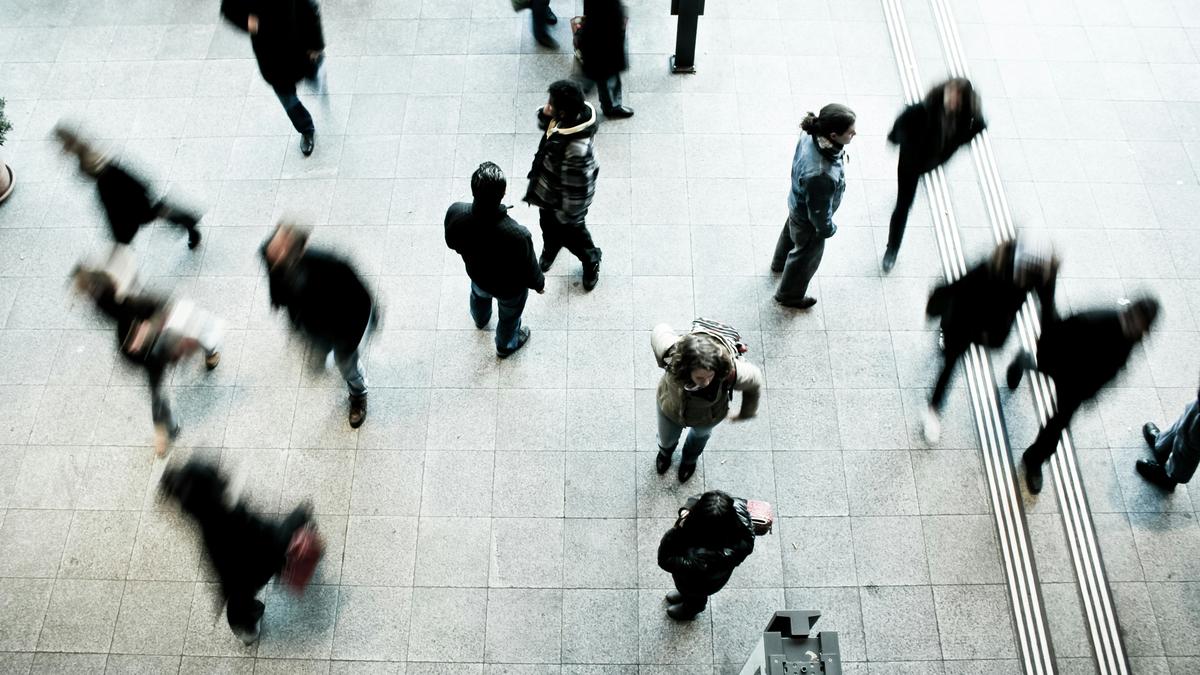
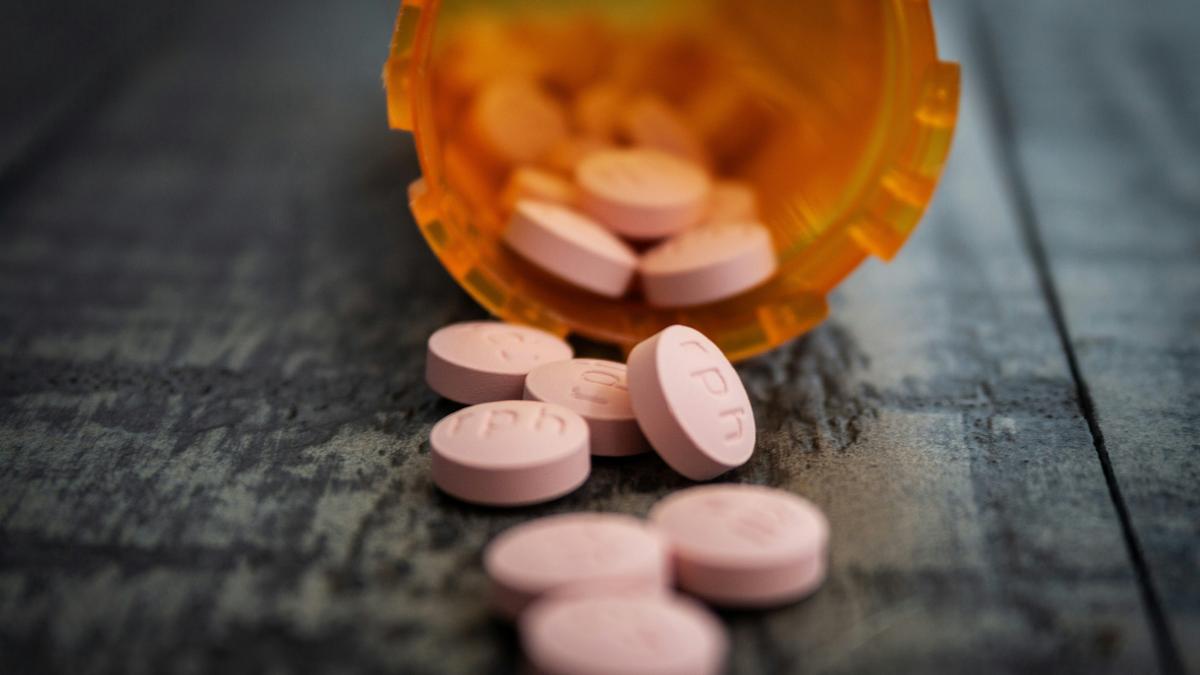
For representative purposes.
| Photo Credit: Getty Images

Research fraud is a global problem and has become worse due to the growing use of Artificial Intelligence (AI). The problem is even more acute in India’s higher education sector where both the number of journal publications and retractions are growing rapidly. However, journal retractions do not capture the scope of research fraud since it is impossible to know the exact number of fraudulent publications that escape notice.

Publishing over teaching

Most observers blame the ‘publish or perish’ culture for India’s research fraud epidemic. However, a prior issue is the preference that the University Grants Commission (UGC) and Higher Education Institutions (HEIs) give to publishing — which is different from research — at the expense of teaching for faculty members to advance their careers. This institutional bias drives a preference among faculty members to publish papers and is rewarded by promotions and other benefits at the workplace, whereas there are no significant incentives for better teaching.

The rationale to privilege publishing over teaching comes from two main considerations. The first stems from national and global university rankings, which have become ubiquitous and are considered to be of great value by the government, the HEIs themselves, and by students. These rankings reward publications but not teaching. HEIs are therefore incentivised to insist that their faculty publish. For private universities, the number of students they admit every year matters a great deal, and achieving higher rankings than their competitors is seen as necessary to attract more and better students. Public institutions do not want to be left behind either.

The second consideration is the widespread belief that faculty members conducting research improves teaching and hence student learning outcomes. However, the evidence does not quite support this belief.

The voluminous research on the research-teaching link has examined a diverse set of issues including the specific mechanisms at work, the fuzziness and diversity of the multiple variables used to understand the relationship, and both quantitative and qualitative research. However, there is no broad consensus that the relationship between them is significant or even that there is one. If there is some sort of soft consensus, it is that the context often matters.

Both these considerations likely contributed to the UGC’s decision to introduce the Academic Performance Indicator (API) in 2010 as part of the Career Advancement Scheme (CAS) for faculty members’ promotions. The API established a clear bias for publications in assessing faculty members. Despite several amendments over the years, there has been no fundamental change to the API in terms of the emphasis on publications. The 2025 UGC draft regulations for the appointment and promotion of teachers in order to maintain academic standards, it claims, will reduce focus on quantifiable metrics such as publications. But for now, the publishing madness remains ascendant.

A return to teaching

If we turn to context, there are at least two reasons that render the emphasis on research questionable, on ethical and practical grounds.

First, the faculty members at all types of HEIs are expected to publish — whether at colleges devoted to undergraduate teaching, universities that are teaching-cum-research institutions, and specialised research centres which typically run only PhD programmes. There is no thought given to context: whether the university or college has the necessary physical infrastructure (libraries and laboratories for example), human capital (research-capable faculty members), academic environment (a sufficient population of postgraduate students and academics in specific disciplines), sufficient research funding, and a fair or even reasonable balance between the teaching, research, and administrative responsibilities of faculty members. Most HEIs fall short on many of these parameters. Without considering these issues, the emphasis on research and publishing is meaningless.

The outcome is eventually predictable. Given the limitations of most HEIs, the idea of ‘publish or perish’ is taken quite literally. Rather than carry out actual research, faculty members and even students churn out fraudulent papers for their HEIs to secure university rankings and for them to secure individual benefits. And publishers monetarily benefit from these publications and also participate in the scam.

Second, 80% of students at India’s HEIs are undergraduates who need better teachers rather than competent researchers. Given that the research-teaching link is dubious and that most HEIs do not have the necessary research capabilities, it should follow that those teaching at undergraduate institutions should focus on teaching.

In the end, it appears that the only logic to prefer research over teaching is to help HEIs attain university rankings and to help faculty members secure individual gains, both of which are the main drivers of research fraud, and neither of which contributes in any way to India’s knowledge sector.

Pushkar is director at The International Centre Goa. Views are personal.

Published – November 26, 2025 08:30 am IST


Source link

Science

Post navigation

Previous Post: Hegseth to visit Dominican Republic amid U.S.-Venezuela row
Next Post: How can candle wicks hold a flame for so long?

Related Posts

  • Sky Teamwork: Why do birds fly in V formation?
    Sky Teamwork: Why do birds fly in V formation? Science
  • Odisha tribal healer’s remedies for chronic diseases to undergo scientific validation under Ministry of Ayush initiative
    Odisha tribal healer’s remedies for chronic diseases to undergo scientific validation under Ministry of Ayush initiative Science
  • Govt. reveals more info about ‘One Nation, One Subscription’ | Explained
    Govt. reveals more info about ‘One Nation, One Subscription’ | Explained Science
  • Study reveals how new species evolve without geographic barriers 
    Study reveals how new species evolve without geographic barriers  Science
  • Obesity rare in rural children despite genetic susceptibility: study
    Obesity rare in rural children despite genetic susceptibility: study Science
  • IIT-Delhi researchers achieve secure quantum communication for 380 km in standard telecom fiber
    IIT-Delhi researchers achieve secure quantum communication for 380 km in standard telecom fiber Science

More Related Articles

A freak DNA change 25 million years ago is why humans lack tails A freak DNA change 25 million years ago is why humans lack tails Science
What hinders Indian pharma companies from making drugs for rare diseases What hinders Indian pharma companies from making drugs for rare diseases Science
NIMHANS study proposes new model for early protein deposit formation in Parkinson’s disease NIMHANS study proposes new model for early protein deposit formation in Parkinson’s disease Science
America’s first Black astronaut candidate finally goes to space 60 years later on Bezos rocket America’s first Black astronaut candidate finally goes to space 60 years later on Bezos rocket Science
The latest on comet 3I/ATLAS The latest on comet 3I/ATLAS Science
BJP member and scientist Gobardhan Das quits party for new stint as IISER head BJP member and scientist Gobardhan Das quits party for new stint as IISER head Science
SiteLock

Archives

  • May 2026
  • April 2026
  • March 2026
  • February 2026
  • January 2026
  • December 2025
  • November 2025
  • October 2025
  • September 2025
  • August 2025
  • July 2025
  • June 2025
  • May 2025
  • April 2025
  • March 2025
  • February 2025
  • January 2025
  • December 2024
  • November 2024
  • October 2024
  • September 2024
  • August 2024
  • July 2024
  • June 2024
  • May 2024
  • April 2024
  • March 2024
  • February 2024
  • January 2024
  • December 2023
  • November 2023
  • October 2023
  • September 2023
  • August 2023
  • July 2023
  • June 2023
  • May 2023
  • April 2023
  • March 2023
  • February 2023
  • January 2023
  • December 2022
  • November 2022
  • October 2022
  • September 2022
  • August 2022
  • July 2022
  • June 2022
  • May 2022

Categories

  • Business
  • Nation
  • Science
  • Sports
  • World

Recent Posts

  • Vijay govt. says it needs time to ‘restructure’ Magalir Urimai Thogai programme; funds to be disbursed soon
  • Wholesale price inflation rises to 8.3% in April on sharp spike in fuel, power, crude
  • Ten new MLCs sworn in at Maharashtra Vidhan Bhavan
  • Frederic Soyez replaces Sreejesh as junior men’s hockey team coach
  • Mamata appears before Calcutta High Court to argue Bengal post-poll violence case

Recent Comments

  1. RafaelNar on UP Teacher Who Asked Students To Slap Muslim Classmate
  2. CarlosExorb on UP Teacher Who Asked Students To Slap Muslim Classmate
  3. Robertfloup on UP Teacher Who Asked Students To Slap Muslim Classmate
  4. Davidcag on UP Teacher Who Asked Students To Slap Muslim Classmate
  5. OrvalMaync on UP Teacher Who Asked Students To Slap Muslim Classmate
  • Mitchell Starc Shatters All-Time World Cup Record, Reaches 50 Scalps In Tournament’s History
    Mitchell Starc Shatters All-Time World Cup Record, Reaches 50 Scalps In Tournament’s History Sports
  • Ravi Shastri’s Blunt One-Liner On “Difference Between India And England”
    Ravi Shastri’s Blunt One-Liner On “Difference Between India And England” Sports
  • Anti Terror Agency Files Chargesheet Against 14th Accused In Coimbatore Blast Case
    Anti Terror Agency Files Chargesheet Against 14th Accused In Coimbatore Blast Case Nation
  • Access Denied
    Access Denied Nation
  • Iran President-Elect Masoud Pezeshkian Reiterates Support For Hezbollah
    Iran President-Elect Masoud Pezeshkian Reiterates Support For Hezbollah World
  • Air India Express Takes Delivery Of First 2 New Boeing 737 MAX-8 Aircraft
    Air India Express Takes Delivery Of First 2 New Boeing 737 MAX-8 Aircraft Nation
  • What is Centre’s new Oilfields Bill? How will it change India’s petroleum industry?
    What is Centre’s new Oilfields Bill? How will it change India’s petroleum industry? Business
  • Court disqualifies Trump-appointed U.S. attorney from overseeing multiple criminal cases
    Court disqualifies Trump-appointed U.S. attorney from overseeing multiple criminal cases World

Editor-in-Chief:
Mohammad Ariff,
MSW, MAJMC, BSW, DTL, CTS, CNM, CCR, CAL, RSL, ASOC.
editor@artifex.news

Associate Editors:
1. Zenellis R. Tuba,
zenelis@artifex.news
2. Haris Daniyel
daniyel@artifex.news

Photograher:
Rohan Das
rohan@artifex.news

Artifex.News offers Online Paid Internships to college students from India and Abroad. Interns will get a PRESS CARD and other online offers.
Send your CV (Subjectline: Paid Internship) to internship@artifex.news

Links:
Associate Journalism
About Us
Privacy Policy

News Links:
Breaking News
World
Nation
Sports
Business
Entertainment
Lifestyle

Registered Office:
72/A, Elliot Road, Kolkata - 700016
Tel: 033-22277777, 033-22172217
Email: office@artifex.news

Editorial Office / News Desk:
No. 13, Mezzanine Floor, Esplanade Metro Rail Station,
12 J. L. Nehru Road, Kolkata - 700069.
(Entry from Gate No. 5)
Tel: 033-46011099, 033-46046046
Email: editor@artifex.news

Copyright © 2023 Artifex.News Newsportal designed by Artifex Infotech.