




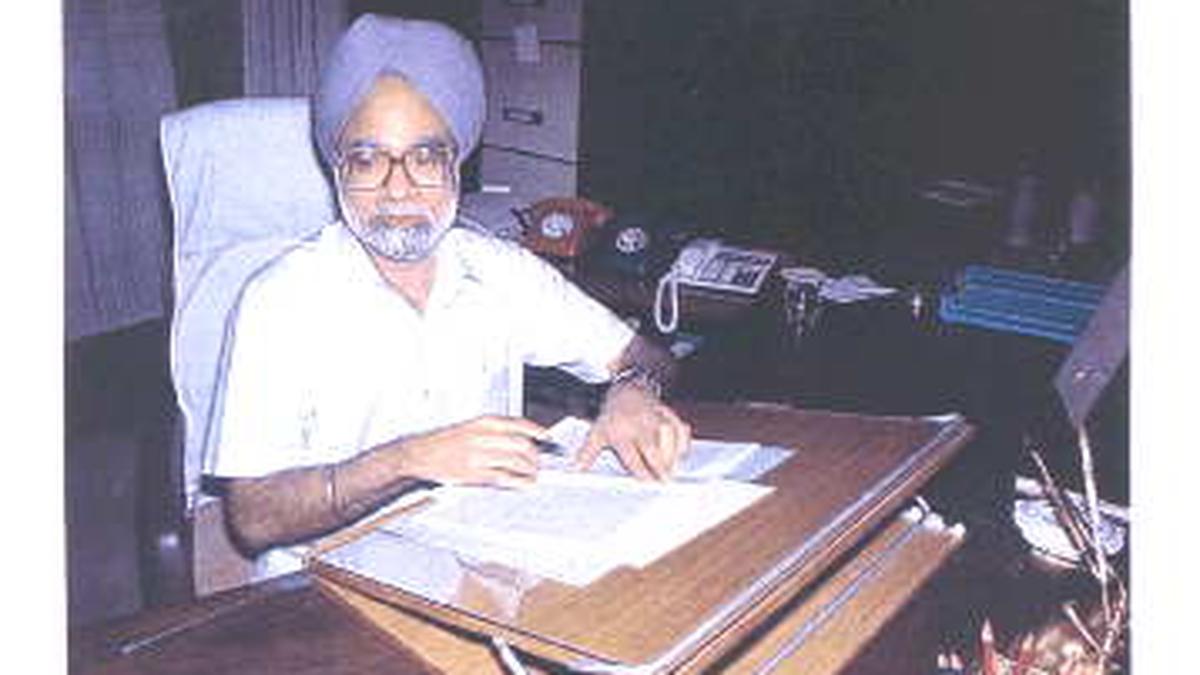
Quoting French novelist Victor Hugo, the Finance Minister Manmohan Singh presenting his maiden budget in July 1991 held, “No power on earth can stop an idea whose time has come”. Explaining the reference to India becoming a major economic power in the world thereon, he stated, “Let the whole world hear it loud and clear. India is now awake. We shall prevail. We shall overcome.” Though having helped prepare several budgets in the past, this was Mr. Singh’s maiden budget presentation. The landmark budget, which later came to be acronymic for its broad features: liberalisation, privatisation and globalisation; was presented following a period of political instability furthered by an economic turmoil.
Prevailing economic conditions
Former Prime Minister Rajiv Gandhi was assassinated in May 1991. Other than the ensuing political instability, India’s economy was reeling under severe stress owing to accentuation of fiscal imbalances, inflation and weakening international confidence. It had foreign exchange reserves to meet its two weeks’ requirement for imports. Foreign lending institutions such as the International Monetary Fund and World Bank had called for drastic measures.
Congress stalwart P.V. Narasimha Rao’s accession to the Prime Minister’s office in June 1991 had greatly enthused stock markets. According to The Hindu’s reportage , the incoming prime minister’s accession gave rise to a feeling in industry that he would adopt measures to improve India’s balance of payments position as a top priority. Mr. Rao appointed Manmohan Singh, then an academic with no legislative experience, as his finance minister to help address the crisis.
About a month into his tenure, Mr. Singh presented the budget that relaxed measures related to licensing, deregulation of domestic industries and paved the way for foreign direct investment (FDI) into the country.
Opening Indian markets to the world
Liberalising the policy regime to allow FDI into the country, the finance minister allowed permissible foreign equity in high priority industries up to 51%. . The provision for increased foreign equity holding was also extended to trading companies engaged in export activities. Further on the liberalisation front, the finance minister proposed constituting a special board to negotiate with international firms and approve FDI in “selected areas”. He explained, “This would be a special regime to attract substantial investment that would provide access to high technology and to world markets”.
Also read: 1991, the untold story
Many of Mr. Singh’s colleagues – both political and executive, were unsure about the advent of FDI into the ecosystem. However, the finance minister went ahead and sought that ‘rather than fear, one should welcome foreign investment’. Placing his confidence in Indian entrepreneurs, he held that direct FDI would provide access to capital, technology and markets.
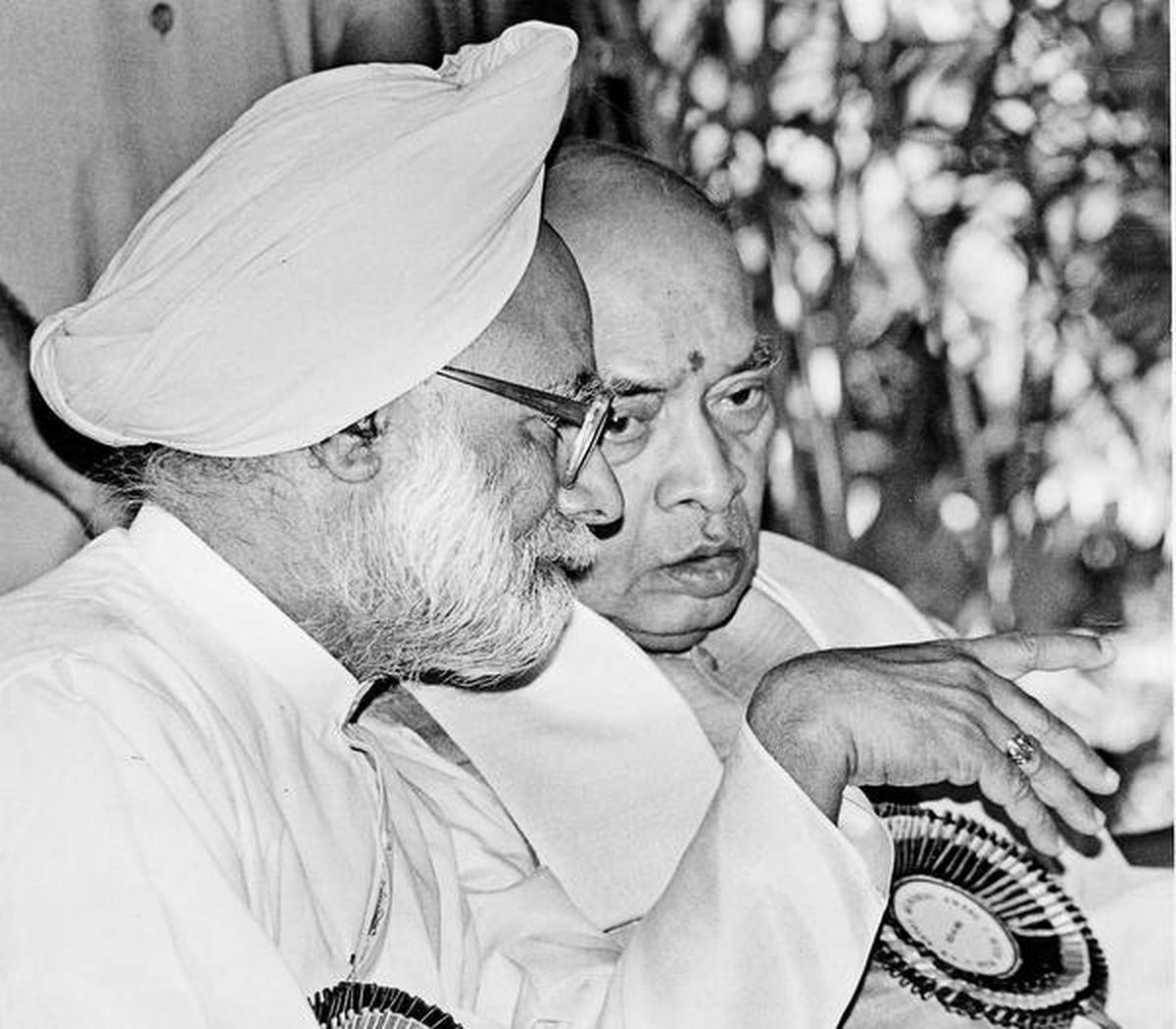
Exercise in vain: Prime Minister P.V. Narasimha Rao with Manmohan Singh at a function in New Delhi. While getting elected to the Rajya Sabha, Singh had declared that he was a tenant in a house in Guwahati. Before his election, he was not an ordinary resident of Assam. This point was the crux of the litigation at the Madras High Court. The Hindu Archives The Hindu Archives
| Photo Credit:
SHANKER CHAKRAVARTY
At the centre of it all however was his assertion that, “Cost, efficiency and quality would begin to receive the attention they deserve.”
The Budget offered up to 20% of the existing government equity in select public sector undertakings (PSUs) to mutual funds and investment institutionsand the employees in these firms. The proposed measures endeavoured to raise resources, encourage wider public participation and promote greater accountability (of PSUs). The finance minister had observed that the public sector has not been able to generate the envisioned internal surpluses on a “large enough scale”. Thus, he argued, “It has therefore become necessary to take effective measures to make the public sector an engine of growth rather than an absorber of national savings without adequate return”.

Mr. Singh further observed in his budget speech that barriers to entry and limits on growth in the size of firms, had often proliferated conditions for licensing and an increase in the extent of monopoly. “This has put shackles on segments of Indian industry and made them serve the interests of producers but not pay adequate attention to the interests of consumers,” he told the house, stressing about the need for reduction of costs, upgradation of technology and improvement of quality standards.
SEBI constituted
Mr. Singh, in his budget address, recalled late former Prime Minister Rajiv Gandhi’s prior assurance to the house about setting up a dedicated body for a “healthy growth” of capital markets, for protecting the rights of investors, prevent trading malpractices and orderly functioning of the stock exchanges and the larger securities industry. To this effect, he proposed setting up of the Securities and Exchange Board of India (SEBI). It was designated to administer the relevant provisions of the Securities Contracts (Regulation) Act, and the Companies Act.
The finance minister argued that transferring the powers, presently with the Controller of Capital Issues and the government, to an independent body would provide for effective regulation, promotion and monitoring of stock exchanges in the country. . Mr. Singh also proposed opening the mutual fund market to entry of private sector. SEBI was also to regulate this market.
Modest reactions post-budget
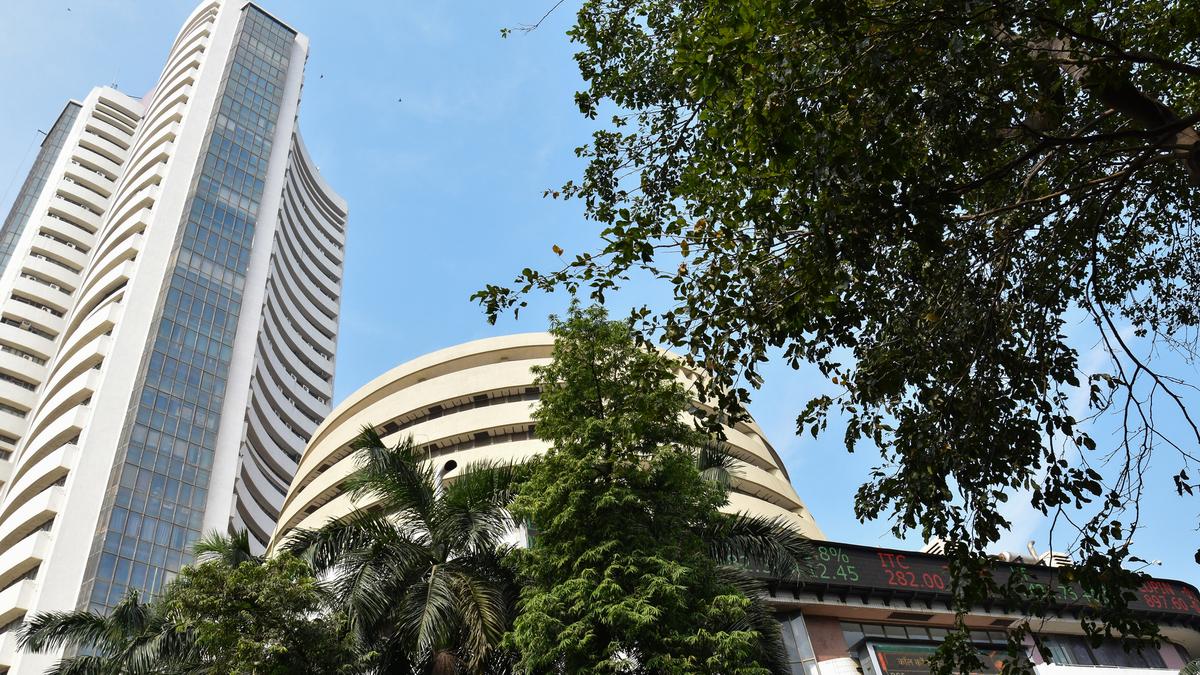
Post-budget, markets however, were not as enthused, as may have been expected. The BSE index fluctuated in wide limits in the post-budget session – rising to 1,481.95 points from 1,459.66 at the close of the pre-budget session. This was before it declined to 1,465.94. It eventually closed at its highest that year at 1,485.76, about 4.65% or 66.45 points higher. The reforms were largely viewed favourably, however, apprehensions existed about the government being able to supply the required foreign exchange resources for importing plant and machinery. Concerns also existed about the government’s willingness to explore easing of curbs about the use of bank funds for reviving economic activity.
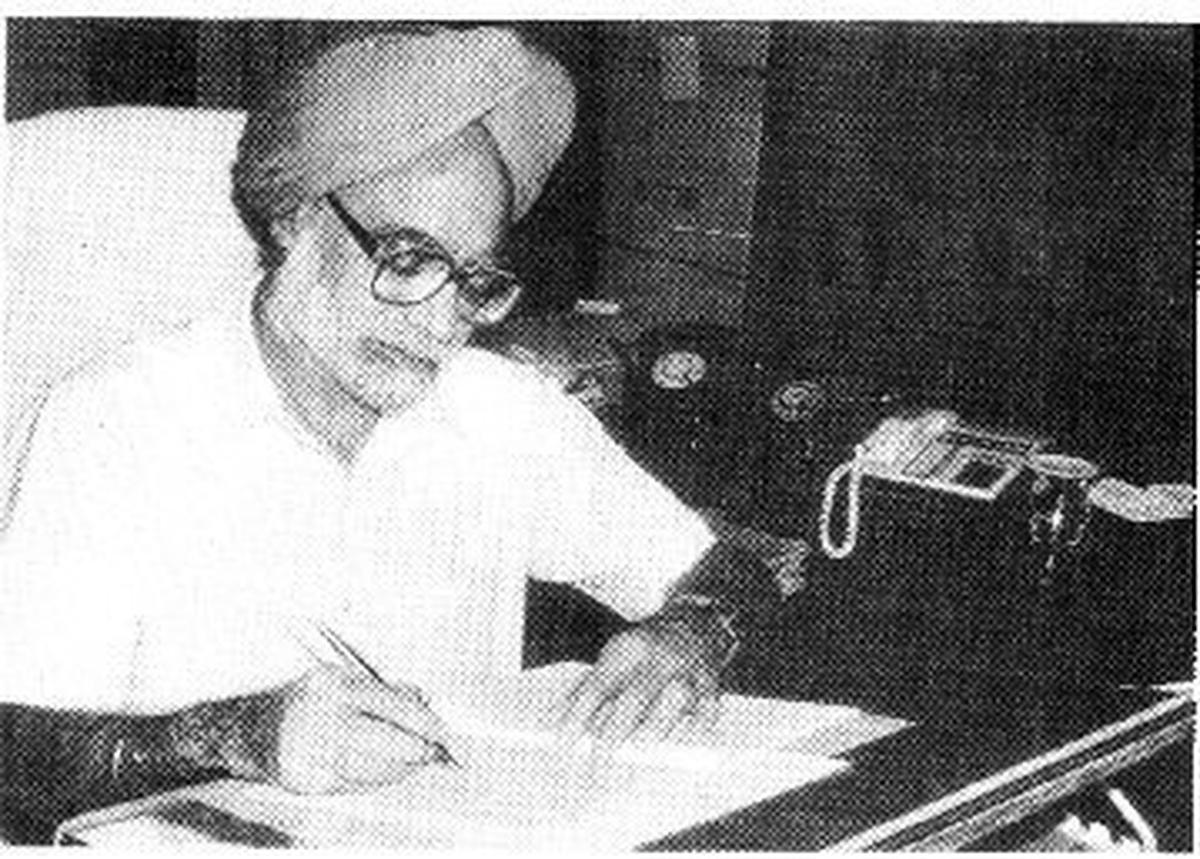
The Union Finance Minister, Dr. Manmohan Singh, giving final touches to the budget at his North Block office. Image for representational purposes only.
Global financial institution World Bank, later in a report, observed that the “main strengths” of the eight-month budget were its overall deficit reduction target, the concentration on cutting expenditure rather than putting in place ad-hoc tax measures, and the relative protection accorded to investment and social development outlays. For perspective on fiscal deficit, the target introduced in the July 1991 budget pegged it at 6.5% of the GDP – a reduction of more than two percentage points from the 1990-91 actuals. Much of the deficit reduction was to come from cutting out on non-plan expenditures, notably fertilizer and export subsidies, transfer to states and public enterprises and defence spending.

Planners were not on the same wavelength
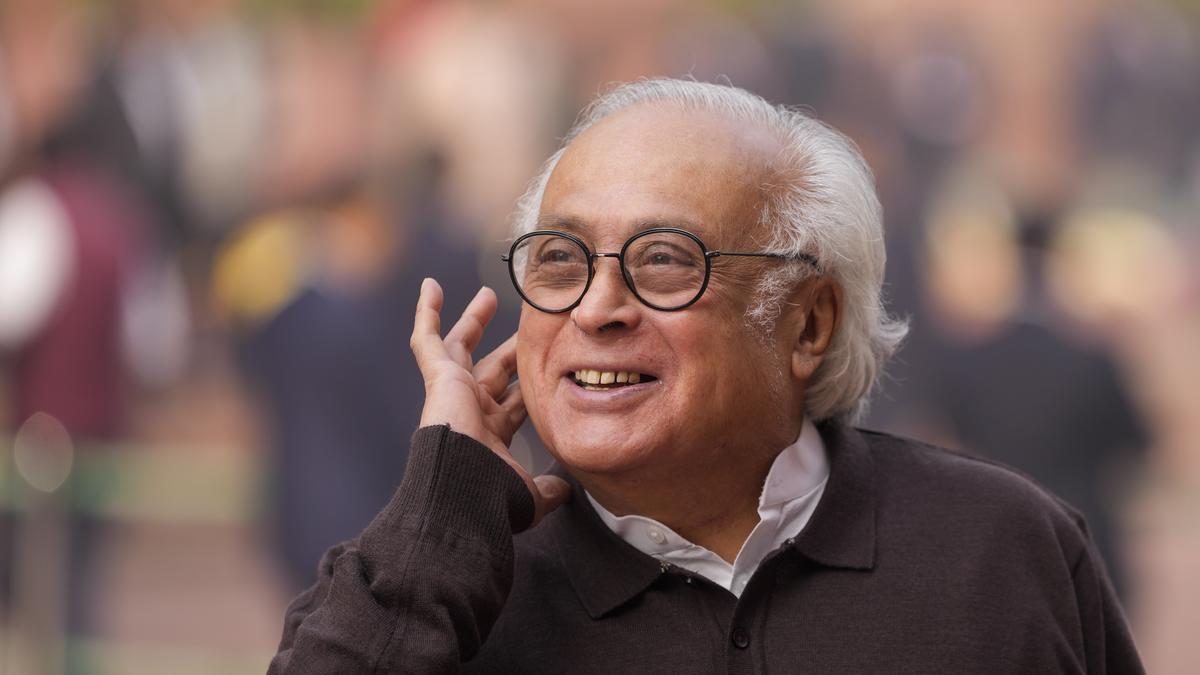
Congress MP and present communications in-charge Jairam Ramesh in his 2016 book ‘To the Brink and Back: India’s 1991 Story’ noted that it was difficult for the then-finance minister to implement his vision on the budget because his finance secretary and the chief economic adviser “were not on the same wavelength as Mr Singh”. That is when Mr Singh emphasised the need to avoid “international embarrassment”, the Congress MP wrote.
Published – January 31, 2025 01:35 pm IST