





Imagine attending a funeral where the person who has died speaks directly to you, answering your questions and sharing memories. This happened at the funeral of Marina Smith, a Holocaust educator who died in 2022.
Thanks to an AI technology company called StoryFile, Smith seemed to interact naturally with her family and friends.
The system used prerecorded answers combined with artificial intelligence to create a realistic, interactive experience. This wasn’t just a video; it was something closer to a real conversation, giving people a new way to feel connected to a loved one after they’re gone.
Virtual life after death
Technology has already begun to change how people think about life after death. Several technology companies are helping people manage their digital lives after they’re gone. For example, Apple, Google and Meta offer tools to allow someone you trust to access your online accounts when you die.
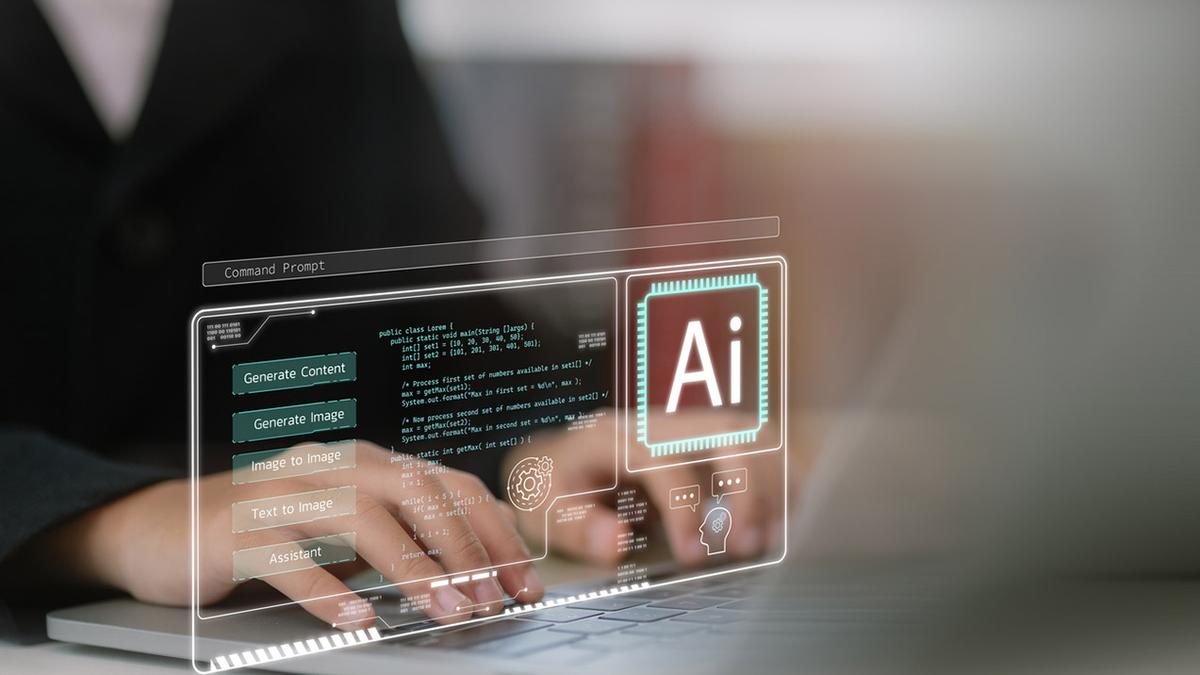
Microsoft has patented a system that can take someone’s digital data – such as texts, emails and social media posts – and use it to create a chatbot. This chatbot can respond in ways that sound like the original person.
In South Korea, a group of media companies took this idea even further. A documentary called “Meeting You” showed a mother reunited with her daughter through virtual reality. Using advanced digital imaging and voice technology, the mother was able to see and talk to her dead daughter as if she were really there.
These examples may seem like science fiction, but they’re real tools available today. As AI continues to improve, the possibility of creating digital versions of people after they die feels closer than ever.
Who owns your digital afterlife?
While the idea of a digital afterlife is fascinating, it raises some big questions. For example, who owns your online accounts after you die?
This issue is already being discussed in courts and by governments around the world. In the United States, nearly all states have passed laws allowing people to include digital accounts in their wills.
In Germany, courts ruled that Facebook had to give a deceased person’s family access to their account, saying that digital accounts should be treated as inheritable property, like a bank account or house.
But there are still plenty of challenges. For example, what if a digital clone of you says or does something online that you would never have said or done in real life? Who is responsible for what your AI version does?
When a deepfake of actor Bruce Willis appeared in an ad without his permission, it sparked a debate about how people’s digital likenesses can be controlled, or even exploited, for profit.
Cost is another issue. While some basic tools for managing digital accounts after death are free, more advanced services can be expensive. For example, creating an AI version of yourself might cost thousands of dollars, meaning that only wealthy people could afford to “live on” digitally. This cost barrier raises important questions about whether digital immortality could create new forms of inequality.
Grieving in a digital world
Losing someone is often painful, and in today’s world, many people turn to social media to feel connected to those they’ve lost. Research shows that a significant proportion of people maintain their social media connections with deceased loved ones.
But this new way of grieving comes with challenges. Unlike physical memories such as photos or keepsakes that fade over time, digital memories remain fresh and easily accessible. They can even appear unexpectedly in your social media feeds, bringing back emotions when you least expect them.
Some psychologists worry that staying connected to someone’s digital presence could make it harder for people to move on. This is especially true as AI technology becomes more advanced. Imagine being able to chat with a digital version of a loved one that feels almost real. While this might seem comforting, it could make it even harder for someone to accept their loss and let go.
Cultural and religious views on digital afterlife
Different cultures and religions have their own unique perspectives on digital immortality. For example:
- The Vatican, the center of the Catholic Church, has said that digital legacies should always respect human dignity.
- In Islamic traditions, scholars are discussing how digital remains fit into religious laws.
- In Japan, some Buddhist temples are offering digital graveyards where families can preserve and interact with digital traces of their loved ones.
These examples show how technology is being shaped by different beliefs about life, death and remembrance. They also highlight the challenges of blending new innovations with long-standing cultural and religious traditions.
Planning your digital legacy
When you think about the future, you probably imagine what you want to achieve in life, not what will happen to your online accounts when you’re gone. But experts say it’s important to plan for your digital assets: everything from social media profiles and email accounts to digital photos, online bank accounts and even cryptocurrencies.
Adding digital assets to your will can help you decide how your accounts should be managed after you’re gone. You might want to leave instructions about who can access your accounts, what should be deleted and whether you’d like to create a digital version of yourself.
You can even decide if your digital self should “die” after a certain amount of time. These are questions that more and more people will need to think about in the future.
Here are steps you can take to control your digital afterlife:
-
Decide on a digital legacy. Reflect on whether creating a digital self aligns with your personal, cultural or spiritual beliefs. Discuss your preferences with loved ones.
-
Inventory and plan for digital assets. Make a list of all digital accounts, content and tools representing your digital self. Decide how these should be managed, preserved or deleted.
-
Choose a digital executor. Appoint a trustworthy, tech-savvy person to oversee your digital assets and carry out your wishes. Clearly communicate your intentions with them.
-
Ensure that your will covers your digital identity and assets. Specify how they should be handled, including storage, usage and ethical considerations. Include legal and financial aspects in your plan
-
.Prepare for ethical and emotional impacts. Consider how your digital legacy might affect loved ones. Plan to avoid misuse, ensure funding for long-term needs, and align your decisions with your values
.Digital pyramids
Thousands of years ago, the Egyptian pharaohs had pyramids built to preserve their legacy. Today, our “digital pyramids” are much more advanced and broadly available. They don’t just preserve memories; they can continue to influence the world, long after we’re gone.
This article is republished from The Conversation under a Creative Commons license. Read the original article here.
Published – January 09, 2025 05:56 pm IST