

Skip to content
  • Facebook
  • X
  • Linkedin
  • WhatsApp
  • YouTube
  • Associate Journalism
  • About Us
  • Privacy Policy
  • 033-46046046
  • editor@artifex.news
Artifex.News

Artifex.News

Stay Connected. Stay Informed.

  • Breaking News
  • World
  • Nation
  • Sports
  • Business
  • Science
  • Entertainment
  • Lifestyle
  • Toggle search form
  • Harris talks abortion and more on ’Call Her Daddy’ podcast as Democratic ticket steps up interviews
    Harris talks abortion and more on ’Call Her Daddy’ podcast as Democratic ticket steps up interviews World
  • Thief Returns Valuables After Realising House Belonged To Renowned Poet
    Thief Returns Valuables After Realising House Belonged To Renowned Poet Nation
  • Jani Master, Jailed Last Month In Sexual Assault Case Amid Tollywood MeToo Movement, Gets Bail
    Jani Master, Jailed Last Month In Sexual Assault Case Amid Tollywood MeToo Movement, Gets Bail Nation
  • Centre releases ₹1.73 lakh crore towards tax devolution to states
    Centre releases ₹1.73 lakh crore towards tax devolution to states Business
  • Shruti Kotwal Eyes 2026 Winter Olympics Qualification, Wishes Skaters Ahead Of KIWG 2025
    Shruti Kotwal Eyes 2026 Winter Olympics Qualification, Wishes Skaters Ahead Of KIWG 2025 Sports
  • Access Denied Sports
  • Colin Munro, Dwaine Pretorius Fire Dallas Lonestars To Win Over Atlanta Kings In NCL Sixty Strikes
    Colin Munro, Dwaine Pretorius Fire Dallas Lonestars To Win Over Atlanta Kings In NCL Sixty Strikes Sports
  • Rajya Sabha Results Not Out, Akhilesh Yadav Says 3rd Seat Bid Was Test
    Rajya Sabha Results Not Out, Akhilesh Yadav Says 3rd Seat Bid Was Test Nation
Climate change is making plants less nutritious

Climate change is making plants less nutritious

Posted on December 24, 2024 By admin


More than one-third of all animals on Earth, from beetles to cows to elephants, depend on plant-based diets. Plants are a low-calorie food source, so it can be challenging for animals to consume enough energy to meet their needs. Now climate change is reducing the nutritional value of some foods that plant eaters rely on.

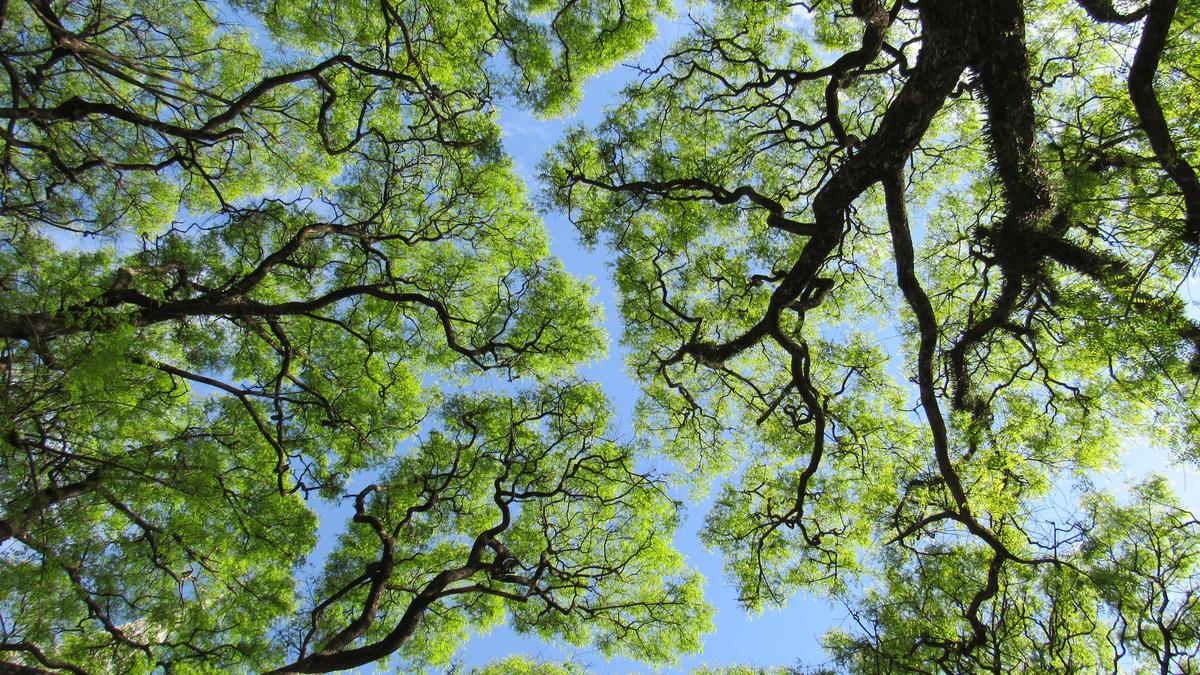
Human activities are increasing atmospheric carbon dioxide levels and raising global temperatures. As a result, many plants are growing faster across ecosystems worldwide.

Some studies suggest that this “greening of the Earth” could partially offset rising greenhouse gas emissions by storing more carbon in plants. However, there’s a trade-off: These fast-tracked plants can contain fewer nutrients per bite.

I’m an ecologist and work with colleagues to examine how nutrient dilution could affect species across the food web. Our focus is on responses in plant-feeding populations, from tiny grasshoppers to giant pandas.

We believe long-term changes in the nutritional value of plants may be an underappreciated cause of shrinking animal populations. These changes in plants aren’t visually evident, like rising seas. Nor are they sudden and imminent, like hurricanes or heat waves. But they can have important impacts over time.

Plant-eating animals may need more time to find and consume food if their usual meal becomes less nutritious, exposing themselves to greater risks from predators and other stresses in the process. Reduced nutritional values can also make animals less fit, reducing their ability to grow, reproduce and survive.

Rising carbon, falling nutrients

Research has already shown that climate change is causing nutrient dilution in human food crops. Declines in micronutrients, which play important roles in growth and health, are a particular concern: Long-term records of crop nutritional values have revealed declines in copper, magnesium, iron and zinc.

In particular, human deficiencies in iron, zinc and protein are expected to increase in the coming decades because of rising carbon dioxide levels. These declines are expected to have broad impacts on human health and even survival, with the strongest effects among populations that are highly dependent on rice and wheat, such as in East and Central Asia.

The nutritional value of livestock feed is also declining. Cattle spend a lot of time eating and often have a hard time finding enough protein to meet their needs. Protein concentrations are falling in grasses across rangelands around the world. This trend threatens both livestock and ranchers, reducing animals’ weight gains and costing producers money.

Nutrient dilution affects wild species too. Here are some examples.

Dependent on bamboo

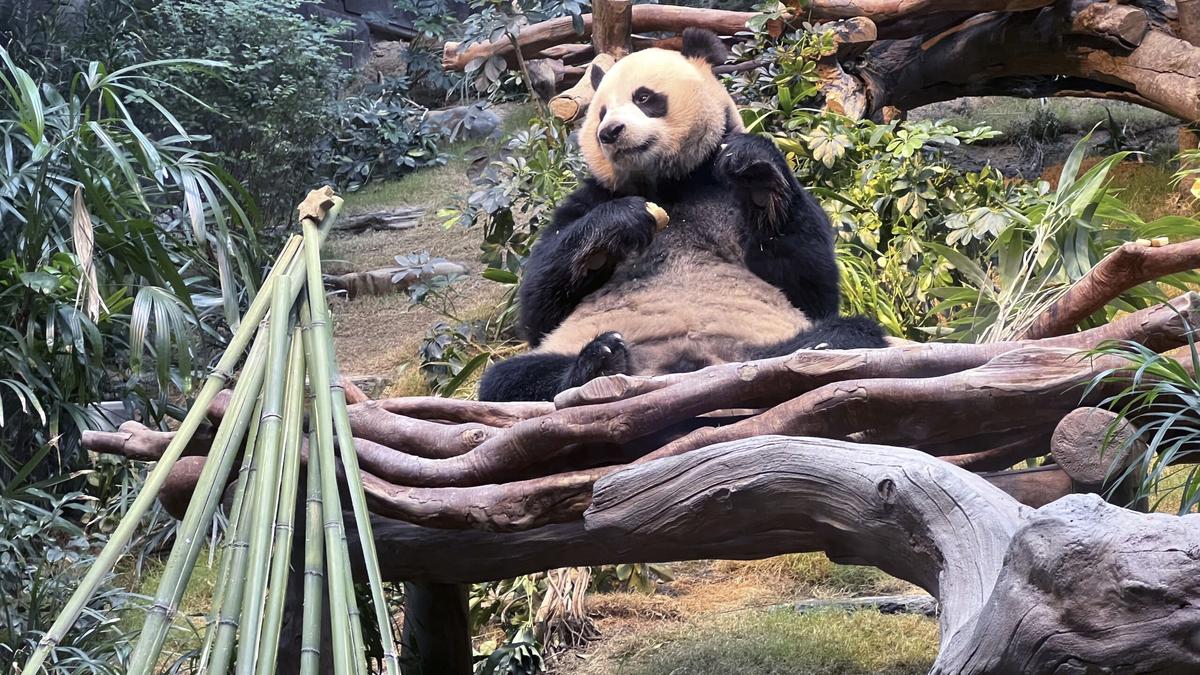
Giant pandas are a threatened species with great cultural value. Because they reproduce at low rates and need large, connected swaths of bamboo as habitat, they are classified as a vulnerable species whose survival is threatened by land conversion for farming and development. Pandas also could become a poster animal for the threat of nutrient dilution.

The giant panda is considered an “umbrella species,” which means that conserving panda habitat benefits many other animals and plants that also live in bamboo groves. Famously, giant pandas are entirely dependent on bamboo and spend large portions of their days eating it. Now, rising temperatures are reducing bamboo’s nutritional value and making it harder for the plant to survive.

Mixed prospects for insects

Insects are essential members of the web of life that pollinate many flowering plants, serve as a food source for birds and animals, and perform other important ecological services. Around the world, many insect species are declining in developed areas, where their habitat has been converted to farms or cities, as well as in natural areas.

In zones that are less affected by human activity, evidence suggests that changes in plant chemistry may play a role in decreasing insect numbers.

Many insects are plant feeders that are likely to be affected by reduced plant nutritional value. Experiments have found that when carbon dioxide levels increase, insect populations decline, at least partly due to lower-quality food supplies.

Not all insect species are declining, however, and not all plant-feeding insects respond in the same way to nutrient dilution. Insects that chew leaves, such as grasshoppers and caterpillars, suffer the most negative effects, including reduced reproduction and smaller body sizes.

In contrast, locusts prefer carbon-rich plants, so rising carbon dioxide levels could cause increases in locust outbreaks. Some insects, including aphids and cicadas, feed on phloem – the living tissue inside plants that carries food made in the leaves to other parts of the plant – and may also benefit from carbon-rich plants.

Uneven impacts

Declines in plant food quality are most likely to affect places where nutrients already are scarce and animals struggle now to meet their nutritional needs. These zones include the ancient soils of Australia, along with tropical areas such as the Amazon and Congo basins. Nutrient dilution is also an issue in the open ocean, where rapidly warming waters are reducing the nutritional content of giant sea kelp.

Certain types of plant-feeding animals are likely to face greater declines because they need higher-quality food. Rodents, rabbits, koalas, horses, rhinoceroses and elephants are all hind-gut fermenters – animals that have simple, single-chambered stomachs and rely on microbes in their intestines to extract nutrients from high-fiber food.

These species need more nutrient-dense food than ruminants – grazers like cattle, sheep, goats and bison, with four-chambered stomachs that digest their food in stages. Smaller animals also typically require more nutrient-dense food than larger ones, because they have faster metabolisms and consume more energy per unit of body mass. Smaller animals also have shorter guts, so they can’t as easily extract all the nutrients from food.

More research is needed to understand what role nutrient dilution may be playing in declines of individual species, including experiments that artificially increase carbon dioxide levels and studies that monitor long-term changes in plant chemistry alongside animals in the field.

Over the longer term, it will be important to understand how nutrient dilution is altering entire food webs, including shifts in plant species and traits, effects on other animal groups such as predators, and changes in species interactions. Changes in plant nutritional value as a result of rising carbon dioxide levels could have far-reaching impacts throughout ecosystems worldwide.

This article is republished from The Conversation under a Creative Commons license. Read the original article here.

Published – December 24, 2024 04:25 pm IST



Source link

Science Tags:Climate change, climate change is making plants less nutritious, climate crisis, climate news, science news

Post navigation

Previous Post: Sensex, Nifty settle almost flat in highly volatile trade; metal, power stocks drag
Next Post: Rupee falls 9 paise to close at fresh record low of 85.20 against U.S. dollar

Related Posts

  • Sweltering public hospitals turn into ‘death traps’ for poor communities
    Sweltering public hospitals turn into ‘death traps’ for poor communities Science
  • Understanding the Impact on Elephants and Tigers in India
    Understanding the Impact on Elephants and Tigers in India Science
  • Tamil Nadu: Why is Chennai’s microplastic problem bigger than it looks? | Explained
    Tamil Nadu: Why is Chennai’s microplastic problem bigger than it looks? | Explained Science
  • India lost 18 times more forest than it gained between 2015–2019, study finds  
    India lost 18 times more forest than it gained between 2015–2019, study finds   Science
  • Bottleneck in human evolution explained using a novel genomic analysis technique
    Bottleneck in human evolution explained using a novel genomic analysis technique Science
  • Science quiz: The infinite wonders of space
    Science quiz: The infinite wonders of space Science

More Related Articles

Can compete with Govt’s CNAP mandate, Truecaller CEO says Can compete with Govt’s CNAP mandate, Truecaller CEO says Science
What is carbon capture? – The Hindu What is carbon capture? – The Hindu Science
New AI method helps identify which dinosaur made which footprints New AI method helps identify which dinosaur made which footprints Science
ICMR study finds the drivers of COVID-19 vaccine hesitancy ICMR study finds the drivers of COVID-19 vaccine hesitancy Science
Inside a scientific experiment that transformed skin cells into embryo-forming eggs Inside a scientific experiment that transformed skin cells into embryo-forming eggs Science
The Science Quiz | A star in life, and stellar in death The Science Quiz | A star in life, and stellar in death Science
SiteLock

Archives

  • May 2026
  • April 2026
  • March 2026
  • February 2026
  • January 2026
  • December 2025
  • November 2025
  • October 2025
  • September 2025
  • August 2025
  • July 2025
  • June 2025
  • May 2025
  • April 2025
  • March 2025
  • February 2025
  • January 2025
  • December 2024
  • November 2024
  • October 2024
  • September 2024
  • August 2024
  • July 2024
  • June 2024
  • May 2024
  • April 2024
  • March 2024
  • February 2024
  • January 2024
  • December 2023
  • November 2023
  • October 2023
  • September 2023
  • August 2023
  • July 2023
  • June 2023
  • May 2023
  • April 2023
  • March 2023
  • February 2023
  • January 2023
  • December 2022
  • November 2022
  • October 2022
  • September 2022
  • August 2022
  • July 2022
  • June 2022
  • May 2022

Categories

  • Business
  • Nation
  • Science
  • Sports
  • World

Recent Posts

  • Drug ban low, WTC high, now IPL blitz: Rabada reflects on roller-coaster 12 months
  • Andhra government sanctions 895 pensions for kidney, liver, heart transplant patients
  • Britain’s former Deputy PM Angela Rayner cleared by tax authority, say reports
  • Ship anchored off east coast of UAE seized, heading toward Iranian waters
  • GMR Aero Technic to maintain Indian Navy’s Boeing P-8I fleet under pact with Boeing Defence India

Recent Comments

  1. JamesHeR on UP Teacher Who Asked Students To Slap Muslim Classmate
  2. RafaelNar on UP Teacher Who Asked Students To Slap Muslim Classmate
  3. CarlosExorb on UP Teacher Who Asked Students To Slap Muslim Classmate
  4. Robertfloup on UP Teacher Who Asked Students To Slap Muslim Classmate
  5. Davidcag on UP Teacher Who Asked Students To Slap Muslim Classmate
  • Markets decline in early trade on weak trends from Asian peers, foreign fund outflows
    Markets decline in early trade on weak trends from Asian peers, foreign fund outflows Business
  • IISc announces distinguished alumni awards for 2023
    IISc announces distinguished alumni awards for 2023 Science
  • Wholesale price inflation rises to 3.36% in June, highest in 16 months
    Wholesale price inflation rises to 3.36% in June, highest in 16 months Business
  • Intel customers to test new Crescent Island GPU in second half of next year
    Intel customers to test new Crescent Island GPU in second half of next year Business
  • Access Denied Sports
  • Arvind Kejriwal’s Wife Sunita Shares WhatsApp Number
    Arvind Kejriwal’s Wife Sunita Shares WhatsApp Number Nation
  • Watch: Budget 2024: What’s in it for the insurance sector?
    Watch: Budget 2024: What’s in it for the insurance sector? Business
  • NMDC’s iron ore output rose 16% in April, sales up marginally
    NMDC’s iron ore output rose 16% in April, sales up marginally Business

Editor-in-Chief:
Mohammad Ariff,
MSW, MAJMC, BSW, DTL, CTS, CNM, CCR, CAL, RSL, ASOC.
editor@artifex.news

Associate Editors:
1. Zenellis R. Tuba,
zenelis@artifex.news
2. Haris Daniyel
daniyel@artifex.news

Photograher:
Rohan Das
rohan@artifex.news

Artifex.News offers Online Paid Internships to college students from India and Abroad. Interns will get a PRESS CARD and other online offers.
Send your CV (Subjectline: Paid Internship) to internship@artifex.news

Links:
Associate Journalism
About Us
Privacy Policy

News Links:
Breaking News
World
Nation
Sports
Business
Entertainment
Lifestyle

Registered Office:
72/A, Elliot Road, Kolkata - 700016
Tel: 033-22277777, 033-22172217
Email: office@artifex.news

Editorial Office / News Desk:
No. 13, Mezzanine Floor, Esplanade Metro Rail Station,
12 J. L. Nehru Road, Kolkata - 700069.
(Entry from Gate No. 5)
Tel: 033-46011099, 033-46046046
Email: editor@artifex.news

Copyright © 2023 Artifex.News Newsportal designed by Artifex Infotech.