






Plastic is in our clothes, cars, mobile phones, water bottles and food containers. But recent research adds to growing concerns about the impact of tiny plastic fragments on our health.
A study from the United States has, for the first time, found microplastics in human brains. The study, which has yet to be independently verified by other scientists, has been described in the media as scary, shocking and alarming.
But what exactly are microplastics? What do they mean for our health? Should we be concerned?
What are microplastics? Can you see them?
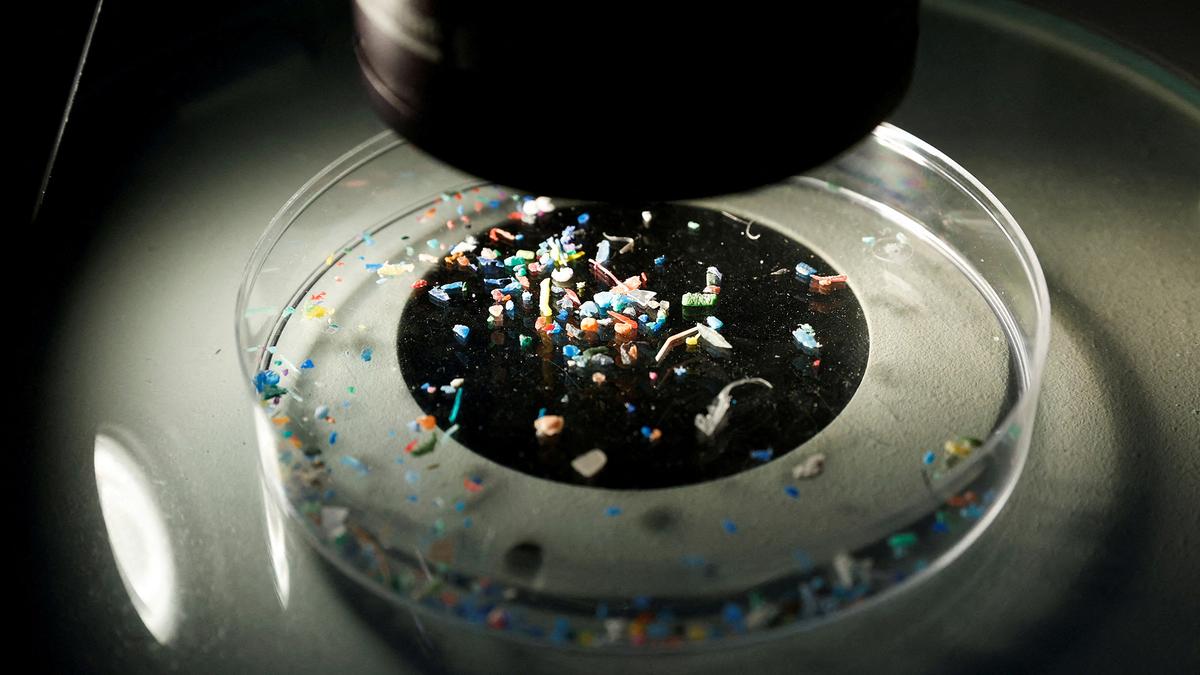
We often consider plastic items to be indestructible. But plastic breaks down into smaller particles. Definitions vary but generally microplastics are smaller than five millimetres.
This makes some too small to be seen with the naked eye. So, many of the images the media uses to illustrate articles about microplastics are misleading, as some show much larger, clearly visible pieces.
Microplastics have been reported in many sources of drinking water and everyday food items. This means we are constantly exposed to them in our diet.
Such widespread, chronic (long-term) exposure makes this a serious concern for human health. While research investigating the potential risk microplastics pose to our health is limited, it is growing.
How about this latest study?
The study looked at concentrations of microplastics in 51 samples from men and women set aside from routine autopsies in Albuquerque, New Mexico. Samples were from the liver, kidney and brain.
These tiny particles are difficult to study due to their size, even with a high-powered microscope. So rather than trying to see them, researchers are beginning to use complex instruments that identify the chemical composition of microplastics in a sample. This is the technique used in this study.
The researchers were surprised to find up to 30 times more microplastics in brain samples than in the liver and kidney.
They hypothesised this could be due to high blood flow to the brain (carrying plastic particles with it). Alternatively, the liver and kidneys might be better suited to dealing with external toxins and particles. We also know the brain does not undergo the same amount of cellular renewal as other organs in the body, which could make the plastics linger here.
The researchers also found the amount of plastics in brain samples increased by about 50% between 2016 and 2024. This may reflect the rise in environmental plastic pollution and increased human exposure.
The microplastics found in this study were mostly composed of polyethylene. This is the most commonly produced plastic in the world and is used for many everyday products, such as bottle caps and plastic bags.
This is the first time microplastics have been found in human brains, which is important. However, this study is a “pre-print”, so other independent microplastics researchers haven’t yet reviewed or validated the study.

How do microplastics end up in the brain?
Microplastics typically enter the body through contaminated food and water. This can disrupt the gut microbiome (the community of microbes in your gut) and cause inflammation. This leads to effects in the whole body via the immune system and the complex, two-way communication system between the gut and the brain. This so-called gut-brain axis is implicated in many aspects of health and disease.
We can also breathe in airborne microplastics. Once these particles are in the gut or lungs, they can move into the bloodstream and then travel around the body into various organs.
Studies have found microplastics in human faeces, joints, livers, reproductive organs, blood, vessels and hearts.
Microplastics also migrate to the brains of wild fish. In mouse studies, ingested microplastics are absorbed from the gut into the blood and can enter the brain, becoming lodged in other organs along the way.
To get into brain tissue, microplastics must cross the blood-brain-barrier, an intricate layer of cells that is supposed to keep things in the blood from entering the brain.
Although concerning, this is not surprising, as microplastics must cross similar cell barriers to enter the urine, testes and placenta, where they have already been found in humans.
Is this a health concern?
We don’t yet know the effects of microplastics in the human brain. Some laboratory experiments suggest microplastics increase brain inflammation and cell damage, alter gene expression and change brain structure.
Aside from the effects of the microplastic particles themselves, microplastics might also pose risks if they carry environmental toxins or bacteria into and around the body.

Various plastic chemicals could also leach out of the microplastics into the body. These include the famous hormone-disrupting chemicals known as BPAs.
But microplastics and their effects are difficult to study. In addition to their small size, there are so many different types of plastics in the environment. More than 13,000 different chemicals have been identified in plastic products, with more being developed every year.
Microplastics are also weathered by the environment and digestive processes, and this is hard to reproduce in the lab.
A goal of our research is to understand how these factors change the way microplastics behave in the body. We plan to investigate if improving the integrity of the gut barrier through diet or probiotics can prevent the uptake of microplastics from the gut into the bloodstream. This may effectively stop the particles from circulating around the body and lodging into organs.
How do I minimise my exposure?
Microplastics are widespread in the environment, and it’s difficult to avoid exposure. We are just beginning to understand how microplastics can affect our health.
Until we have more scientific evidence, the best thing we can do is reduce our exposure to plastics where we can and produce less plastic waste, so less ends up in the environment.
An easy place to start is to avoid foods and drinks packaged in single-use plastic or reheated in plastic containers. We can also minimise exposure to synthetic fibres in our home and clothing.
This article is republished from The Conversation under a Creative Commons license. Read the original article.