



Skip to content
  • Facebook
  • X
  • Linkedin
  • WhatsApp
  • YouTube
  • Associate Journalism
  • About Us
  • Privacy Policy
  • 033-46046046
  • editor@artifex.news
Artifex.News

Artifex.News

Stay Connected. Stay Informed.

  • Breaking News
  • World
  • Nation
  • Sports
  • Business
  • Science
  • Entertainment
  • Lifestyle
  • Toggle search form
  • Hardik Pandya And Natasa Stankovic Separation Rumours True? Here’s What We Know
    Hardik Pandya And Natasa Stankovic Separation Rumours True? Here’s What We Know Sports
  • Access Denied
    Access Denied Nation
  • Chief Minister Himanta Biswa Sarma
    Chief Minister Himanta Biswa Sarma Nation
  • Uttar Pradesh sees tragedy during idol immersion in Agra as two drown, CM Yogi Adityanath expresses grief
    Uttar Pradesh sees tragedy during idol immersion in Agra as two drown, CM Yogi Adityanath expresses grief Nation
  • Another 235 Indians Brought Back From War-Torn Israel
    Another 235 Indians Brought Back From War-Torn Israel Nation
  • Access Denied
    Access Denied Nation
  • R Ashwin Breaks Silence On Reason Behind Retirement, Farewell Test Talks
    R Ashwin Breaks Silence On Reason Behind Retirement, Farewell Test Talks Sports
  • U.S. Justice Dept says millions of Epstein files still not released
    U.S. Justice Dept says millions of Epstein files still not released World
Small animals acquire genes from bacteria that can produce antibiotics

Small animals acquire genes from bacteria that can produce antibiotics

Posted on July 20, 2024 By admin


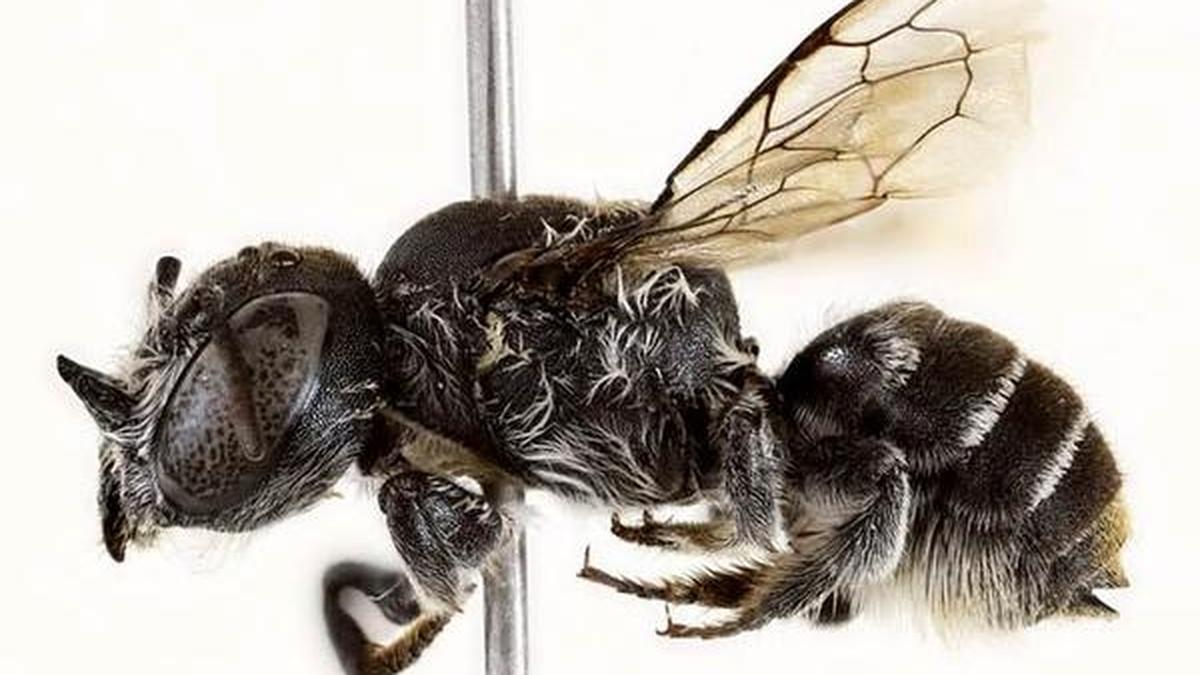
A group of small, freshwater animals protect themselves from infections using antibiotic recipes “stolen” from bacteria, according to a new study. The tiny creatures are called bdelloid rotifers, which means ‘crawling wheel-animals’. They have a head, mouth, gut, muscles and nerves like other animals, though they are smaller than a hair’s breadth.

When these rotifers are exposed to fungal infection, the study found, they switch on hundreds of genes that they acquired from bacteria and other microbes. Some of these genes produce resistance weapons, such as antibiotics and other antimicrobial agents, in the rotifers. The findings were published in the journal Nature Communications.

Prior research found that rotifers have been picking up DNA from their surroundings for millions of years, but the new study is the first to discover them using these genes against diseases. No other animals are known to “steal” genes from microbes on such a large scale.

“These complex genes — some of which aren’t found in any other animals — were acquired from bacteria but have undergone evolution in rotifers,” coauthor David Mark Welch, senior scientist and director of the Josephine Bay Paul Center at the Marine Biological Laboratory says in a release. “This raises the potential that rotifers are producing novel antimicrobials that may be less toxic to animals, including humans, than those we develop from bacteria and fungi.”

“When rotifers were challenged with a fungal pathogen, horizontally acquired genes were over twice as likely to be upregulated as other genes — a stronger enrichment than observed for abiotic stressors,” the authors write. “Among hundreds of upregulated genes, the most markedly overrepresented were clusters resembling bacterial polyketide and nonribosomal peptide synthetases that produce antibiotics. Upregulation of these clusters in a pathogen-resistant rotifer species was nearly ten times stronger than in a susceptible species.”

Most of the antibiotics are produced naturally by fungi and bacteria in the wild, and humans can make artificial versions to use as medicine. The new study suggests that rotifers might be doing something similar. The scientists think that rotifers could give important clues in the hunt for drugs to treat human infections caused by bacteria or fungi.

One problem with developing new drugs is that many antibiotic chemicals made by bacteria and fungi are poisonous or have side-effects in animals. Only a few can be turned into treatments that clear harmful microbes from the human body. If rotifers are already making similar chemicals in their own cells, they could lead the way to drugs that are safer to use in other animals, including people.



Source link

Science Tags:Antibiotic recipes, freshwater animals, Genes from bacteria, Rotifers use antibiotic genes, Small

Post navigation

Previous Post: Woman With 2 Kids Punched In Road Rage Case
Next Post: 13 Children Fall Sick After Eating Mushrooms They Cooked At Bengal ICDS Centre

Related Posts

  • Where is ISRO heading – The Hindu
    Where is ISRO heading – The Hindu Science
  • Fossils, genomes clash as scientists debate the mosquito’s origins
    Fossils, genomes clash as scientists debate the mosquito’s origins Science
  • Why does an elevator need three electrical phases to operate?
    Why does an elevator need three electrical phases to operate? Science
  • Scientists chronicle the earliest stages of a supernova
    Scientists chronicle the earliest stages of a supernova Science
  • Lancet paper provides proof for undeniable link between high glycaemic index and diabetes
    Lancet paper provides proof for undeniable link between high glycaemic index and diabetes Science
  • Willow is a small chip for Google but a quantum leap for computing
    Willow is a small chip for Google but a quantum leap for computing Science

More Related Articles

Rare caracals spotted in Thar Desert near India-Pakistan border Rare caracals spotted in Thar Desert near India-Pakistan border Science
OpenAI identifies security issue involving third-party tool, says user data was not accessed OpenAI identifies security issue involving third-party tool, says user data was not accessed Science
‘Think before you throw’: This event will teach you how to use scraps in your kitchen for zero waste cooking ‘Think before you throw’: This event will teach you how to use scraps in your kitchen for zero waste cooking Science
What is the HbA1C test and why is it used to check for diabetes? | Explained What is the HbA1C test and why is it used to check for diabetes? | Explained Science
95% of space-components in Indian rockets are indigenous: S Somanath 95% of space-components in Indian rockets are indigenous: S Somanath Science
Mouse embryos grown in space for first time: Japan researchers Mouse embryos grown in space for first time: Japan researchers Science
SiteLock

Archives

  • May 2026
  • April 2026
  • March 2026
  • February 2026
  • January 2026
  • December 2025
  • November 2025
  • October 2025
  • September 2025
  • August 2025
  • July 2025
  • June 2025
  • May 2025
  • April 2025
  • March 2025
  • February 2025
  • January 2025
  • December 2024
  • November 2024
  • October 2024
  • September 2024
  • August 2024
  • July 2024
  • June 2024
  • May 2024
  • April 2024
  • March 2024
  • February 2024
  • January 2024
  • December 2023
  • November 2023
  • October 2023
  • September 2023
  • August 2023
  • July 2023
  • June 2023
  • May 2023
  • April 2023
  • March 2023
  • February 2023
  • January 2023
  • December 2022
  • November 2022
  • October 2022
  • September 2022
  • August 2022
  • July 2022
  • June 2022
  • May 2022

Categories

  • Business
  • Nation
  • Science
  • Sports
  • World

Recent Posts

  • Nicobarese oppose proposal for three wildlife sanctuaries
  • Visakhapatnam Collector calls for inter-departmental synergy to boost investments
  • Kohli’s masterful knock powers Royal Challengers to the top
  • Senior IPS officer Asra Garg posted IGP Intelligence
  • Vijay Narayan earns rare distinction of being Advocate General under two different governments

Recent Comments

  1. StevenLek on UP Teacher Who Asked Students To Slap Muslim Classmate
  2. Leonardren on UP Teacher Who Asked Students To Slap Muslim Classmate
  3. NathanQuins on UP Teacher Who Asked Students To Slap Muslim Classmate
  4. Davidgof on UP Teacher Who Asked Students To Slap Muslim Classmate
  5. NathanJobre on UP Teacher Who Asked Students To Slap Muslim Classmate
  • Access Denied
    Access Denied Nation
  • Armed men abduct children, staff at Catholic school in Nigeria, days after latest abduction
    Armed men abduct children, staff at Catholic school in Nigeria, days after latest abduction World
  • Access Denied Sports
  • Son of ‘El Chapo’ pleads guilty in U.S. drug prosecution
    Son of ‘El Chapo’ pleads guilty in U.S. drug prosecution World
  • Access Denied Business
  • Maharashtra Chief Minister Eknath Shinde Says Trial Of Baba Siddique Murder Case To Take Place In Fast-Track Court
    Maharashtra Chief Minister Eknath Shinde Says Trial Of Baba Siddique Murder Case To Take Place In Fast-Track Court Nation
  • Rahul Gandhi on murder ofBaba Siddique Says Complete Collapse Of Law And Order
    Rahul Gandhi on murder ofBaba Siddique Says Complete Collapse Of Law And Order Nation
  • Rupee trades in narrow range against U.S. dollar in early trade
    Rupee trades in narrow range against U.S. dollar in early trade Business

Editor-in-Chief:
Mohammad Ariff,
MSW, MAJMC, BSW, DTL, CTS, CNM, CCR, CAL, RSL, ASOC.
editor@artifex.news

Associate Editors:
1. Zenellis R. Tuba,
zenelis@artifex.news
2. Haris Daniyel
daniyel@artifex.news

Photograher:
Rohan Das
rohan@artifex.news

Artifex.News offers Online Paid Internships to college students from India and Abroad. Interns will get a PRESS CARD and other online offers.
Send your CV (Subjectline: Paid Internship) to internship@artifex.news

Links:
Associate Journalism
About Us
Privacy Policy

News Links:
Breaking News
World
Nation
Sports
Business
Entertainment
Lifestyle

Registered Office:
72/A, Elliot Road, Kolkata - 700016
Tel: 033-22277777, 033-22172217
Email: office@artifex.news

Editorial Office / News Desk:
No. 13, Mezzanine Floor, Esplanade Metro Rail Station,
12 J. L. Nehru Road, Kolkata - 700069.
(Entry from Gate No. 5)
Tel: 033-46011099, 033-46046046
Email: editor@artifex.news

Copyright © 2023 Artifex.News Newsportal designed by Artifex Infotech.