






BMI has remained the go-to method for measuring health since it first started being used in the latter part of the 20th century.
| Photo Credit: Getty Images/iStockphoto
Body mass index (better known as BMI) has long been used to get a quick and easy snapshot of a person’s body fat levels. To calculate someone’s BMI, you divide their weight in kilograms by their height in metres times itself. The resulting number is used to determine a person’s health risk.
Although there are far better ways of getting an accurate measure of a person’s body fat levels – such as using dual-energy x-ray absorptiometry (Dexa) or magnetic resonance imaging (MRI) – these are very resource-intensive. This may explain why BMI has remained the go-to method for measuring health since it first started being used in the latter part of the 20th century.

But many health experts believe BMI has significant limitations, particularly for children and young people (whose body fat levels change as they grow), athletic people (who have high levels of muscle mass) and people from ethnic minority groups (who may develop health problems at lower body fat levels).
BMI was never created for use in health and was developed using data from European people in the 19th century. Although child and ethnicity‐specific adjusted BMI and alternative height and weight ratios have been suggested, none have made sufficient headway to improve BMI’s reputation.
Several alternatives to BMI have also been suggested – such as using waist-to-hip ratio (waist circumference divided by hip circumference) or body volume index (which uses 3D body scanners to estimate total body fat distribution).
But a recent study suggests that instead of BMI, we should be using something called body roundness index (BRI) to get a more accurate picture of a person’s body fat levels and predict health risk.
What is body roundness index?
BRI was developed by U.S. researchers in 2013 in response to criticisms of BMI. Instead of looking at height and weight, BRI mathematically quantifies body fat levels by looking at height and waist circumference instead. This provides a value typically ranging from one to 20. It is the lowest and highest values that suggest the highest health risk.
Numerous studies have shown that BRI may be better than BMI at predicting the health risks associated with different levels of body fat. This includes predicting risk of weight-related diseases such as cardiovascular disease, diabetes, kidney disease and cancer, as well as death from any cause.
This latest study, which looked at 32,995 U.S. adults between 1999 and 2018, found an association between BRI and death from any cause. Specifically, they also found that people with the lowest and highest BRI scores had the greatest health risks.
They also found that BRI was better than BMI at accurately detecting this risk. This is because BRI considers the fat held around the abdomen, which is linked to greater risk of health problems. This is different to BMI, which only considers overall weight.

BRI v. BMI
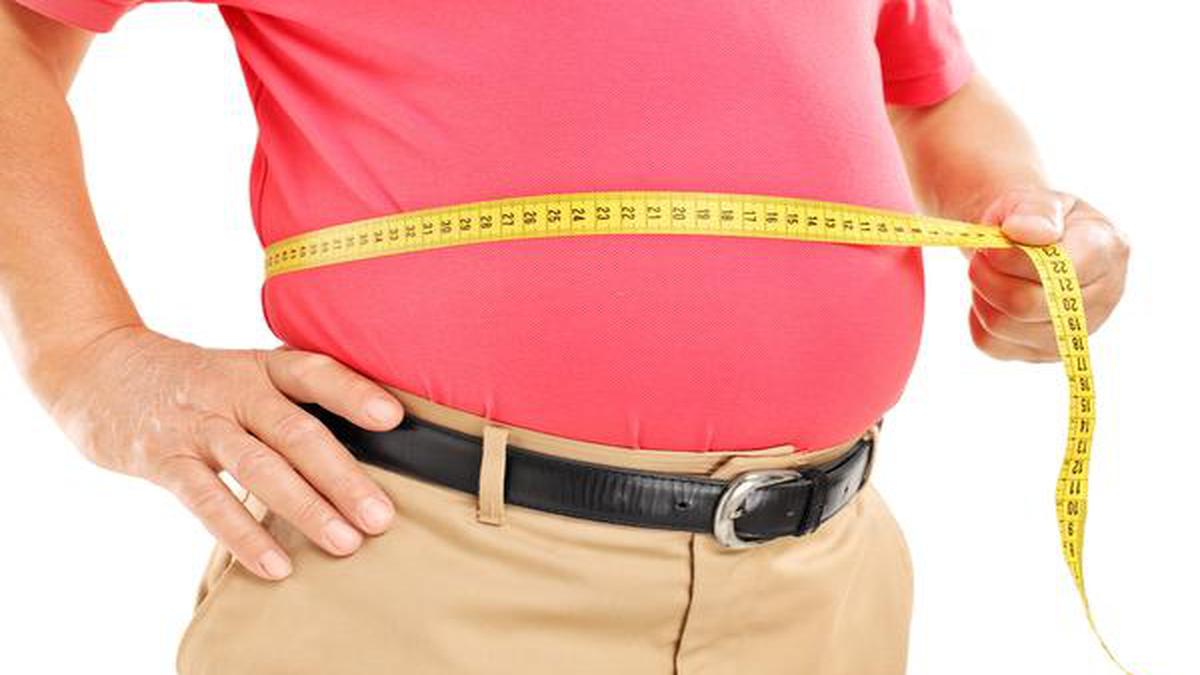
Given BRI only requires a tape measure and a maths equation, this means it’s as easy to use and accessible as BMI. But assuming BRI is manually measured, it remains as subject to human error as BMI.
One study even found that eight out of ten trained health professionals demonstrated such high levels of human error when manually measuring the abdomen that they failed to notice an increase of 3cm the second time they took the measurement. This margin of error will probably be even higher in people taking their own measurements at home.
As a new metric, BRI also does not yet have the kind of extensive data backing up its use that exists for BMI. This makes it harder to know just how effective and reliable it is compared to these more established methods.
And like BMI, BRI is a composite measure – meaning it combines multiple highly related measures into a single index. This makes it very hard to unpick the impact that different body fat levels can have on health – and can lead to misleading interpretations of the results.
While BRI may improve on some of BMI’s shortcomings, it’s not immune to misclassification. For example, people with high muscle mass might still face inaccuracies in their health risk assessments if their body fat distribution does not conform to “typical” patterns around the abdomen. Research also suggests that BRI’s accuracy at predicting the health risks may vary depending on a person’s ethnicity, age and sex.
BRI most certainly represents an advancement in the hunt for a more accurate alternative to BMI by focusing more on body shape and fat distribution rather than just body size. But it still has its limitations. Although this latest study gives us more data on BRI’s accuracy, more research is still needed before we can be certain it’s better than BMI and should replace it.

Perhaps an even better way of getting a picture of a person’s health is to use 3D body surface imaging. This creates a scale digital 3D image of the human body which allows health professionals to explore all potential existing body measures, including both BRI and BMI, as well as allowing us to explore new digital alternatives.
But regardless of which body measure you or a doctor may use to asses your health, it’s important to remember that every person is unique, and our bodies do – and should – always come in a wide range of shapes and sizes.
Alice Bullas is Senior Research Fellow, Sports Engineering Research Group, Sheffield Hallam University. This article is republished from The Conversation.