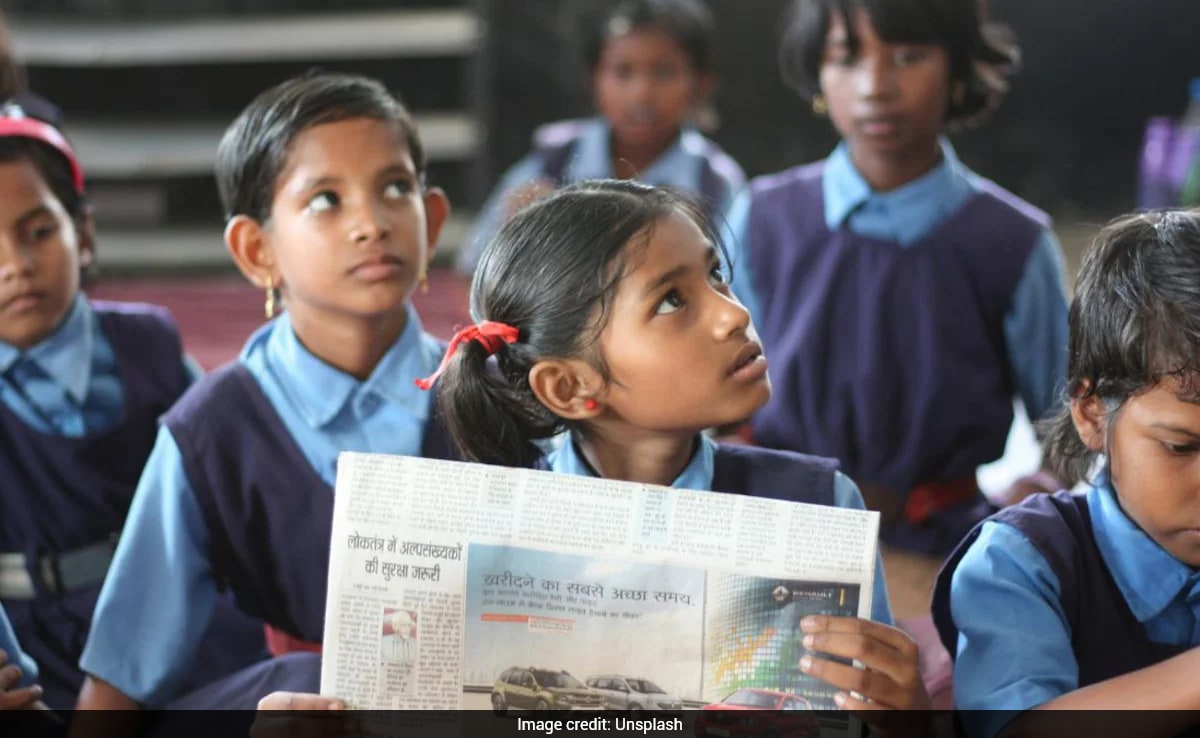


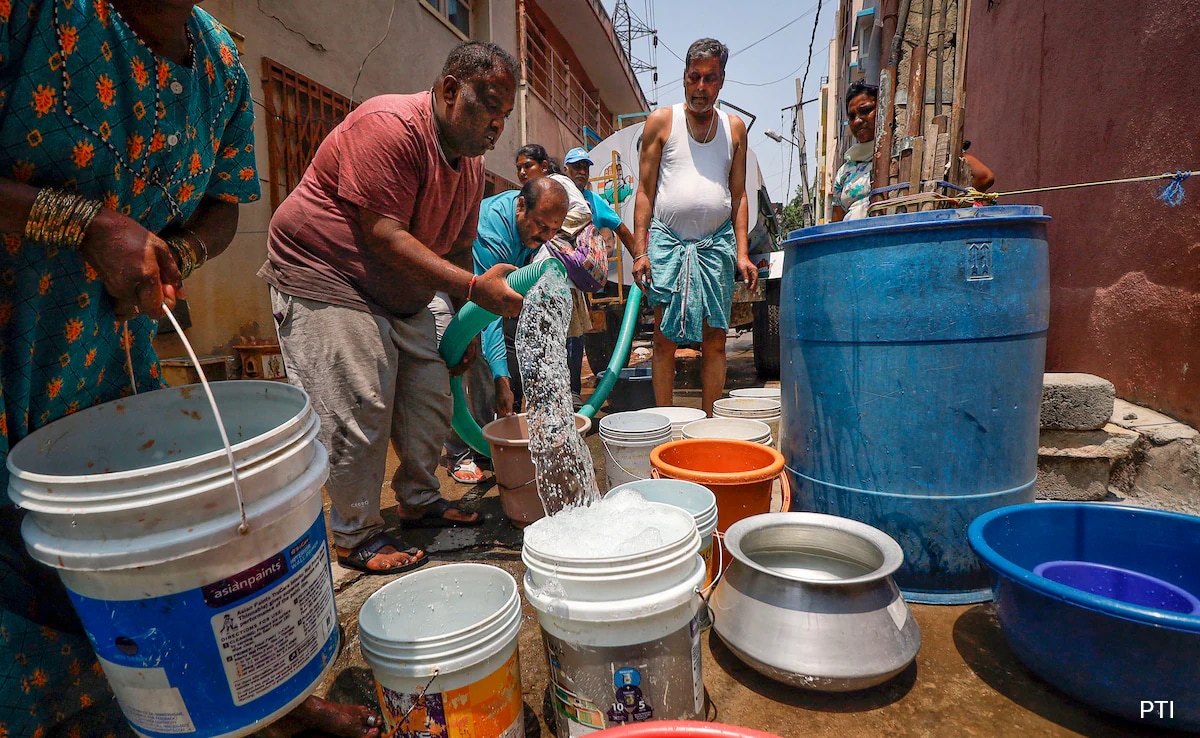
The fight for access to water resources continues today across India (File)
Fair access to water is an issue for millions of people in India. Who controls access and how this is governed needs fixing.
Almost 100 years ago around 3,000 Dalits, or “untouchables”, dared to drink from a public water tank in Mahad, Maharashtra, that was forbidden to them.
The Mahad Satyagraha – referred to as India’s first civil rights movement – was led by noted lawyer, social reformer, and Dalit leader B.R. Ambedkar who then took on the upper-caste people of the area who claimed the tank was private property. The ensuing legal battle lasted a decade. Dr Ambedkar won the case.
The fight for access to water resources, however, continues today across India.
The right to safe drinking water is recognised as a fundamental human right. In India, it is customary to greet a guest or passerby with a glass of water, though the way water is offered depends on your caste.
More importantly, though, how water is allocated and distributed comes down to a question of policy and governance, where it tends to follow the contours of socially-determined inequalities.
A 2018 NITI Aayog report states that India ranks 120 of 122 countries in the Global Water Quality Index. India has the largest reported groundwater usage in the world.
Social inequities in India and other parts of South Asia directly impact access to water, how it is allocated, distributed and consumed.
Climate change, along with oppressive and discriminatory social practices, makes a bad situation worse.
Marginalised groups are disproportionately affected by lack of attention to the social dimensions of water policy, its use and allocation that often perpetuate practices of untouchability and gender-based discrimination.
Who owns land and resources becomes critical to who can access water. This question is determined along lines of caste, class and gender inequalities.
Community movements working towards equitable access to water have been stymied by a lack of support by gram panchayats (village-level governance institutions) or by private investments which benefit wealthier farming communities with bigger landholdings.
North Gujarat, a semi-arid region in western India that relies on groundwater use, faces water scarcity due to the proliferation of tubewells.
Groundwater access becomes the preserve of the upper castes through the building of tubewells on private land, a form of access based on casteist social structures that limit land ownership among the lower castes.
This socio-economic status determines access to water and who uses more of the groundwater commons.
Tubewells have resulted in the drying out of shallow wells, giving rise to “water lords” who dominate consumption of water. This, in turn, forces poor farmers to rely further on them for water supply in an already exploitative relationship.
Alongside caste, gender also becomes a determinant of communities’ relationships with water.
Women are the face of water poverty in India. The responsibility of meeting families’ water needs in rural India falls squarely on them, exacerbated by dropping water levels and the perils of a changing climate.
Women are responsible for collecting, storing, and managing the water needs of households for cooking, bathing, washing, leaving them with little time to participate in the labour force. It also prevents young girls from pursuing education.
A 2019 study found that villages affected by water scarcity in Gujarat’s Bhuj district – a Muslim-dominated area – received less than five litres of water per person per day, falling significantly short of the UN-mandated minimum water requirement of 20 litres of water per person per day.
Erratic rainfall and negligence of the state Water Supply and Sewerage Board both produced this failure. This water is often saline and unfit to drink.
Where state supply of water is erratic, lower-caste villagers are forced to depend on tubewells owned by upper-castes or walk great distances to access public water supply.
About 71 per cent of Dalit settlements in villages have no access to public water supplies. Discriminatory water practices in Gujarat’s villages disproportionately affect lower-caste women, subjecting them to extreme precarity and vulnerability to sexual abuse by upper-caste men.
This becomes more alarming because groundwater levels in South Asia are heavily impacted by salinity in coastal areas. Gujarat has the longest coastline in India and water from wells is already undrinkable like some villages in Jafrabad district where women are forced to walk miles to access safe drinking water.
Climate change inflicts disproportionate burdens on marginalised groups. Discriminatory practices in access to water continue through concerns of caste pollution – a belief among the upper castes that their ‘purity’ will be defiled if they come into contact with lower-caste people.
Efforts to decentralise water governance in Gujarat continue to meet resistance from upper-caste people for whom equity of access disrupts their monopoly over irrigation and agricultural uses. Maintaining control of water access gives upper castes an advantage over lower-caste people.
Such injustices remain marginal considerations for intervention by NGOs and state governments. The problem of access to public resources based on social difference thus needs to be addressed urgently by policy-makers.
Governments have failed to acknowledge social discrimination in the provision of basic amenities to marginalised communities which will grow increasingly vulnerable as climate change intensifies long-standing social disparities in wealth and resource use.
Improving public accountability in governance requires an understanding of the effects of the numerous disadvantages faced by marginalised communities.
With India’s summer approaching and water stress becoming a reality, poor and marginalised women bear the brunt of heat stress in the collection of water, a fact unrecognised by policymakers and insufficiently addressed in India’s Heat Action Plans.
Water scarcity and water insecurity are created through socio-economic and political inequalities. Socially just climate adaptation for water management can go hand-in-hand with an acknowledgement of the social power vested in local elites.
Generating institutional change from both above and below requires addressing the various barriers that prevent achieving human rights for the most vulnerable communities. It also demands political mobilisation towards overcoming social barriers in the same vein as the Mahad Satyagraha of 1927.
Giving everyone a say in decision-making and removing unequal administrative measures that prevent fair access to water – such as making tubewells a public good with parameters of equal access – can be pursued.
Legal provisions towards supporting water equality need to be made enforceable. Otherwise the idea of water justice remains a mere tokenism.
Prakash Kashwan is Associate Professor of Environmental Studies and Chair, Environmental Justice Concentration, MPP, at the Heller School for Social Policy & Management at Brandeis University. He is the author of Democracy in the Woods: Environmental Conservation and Social Justice in India, Tanzania, and Mexico (Oxford University Press, 2017) and the Editor of Climate Justice in India (Cambridge University Press, 2022).
Originally published under Creative Commons by 360info