




The Chulliyar dam in Palakkad district (file)
| Photo Credit: K.K. MUSTAFAH
As the United Democratic Front (UDF) government in Kerala plans large-scale desilting of dams and other waterbodies to enhance their carrying capacity and reduce flooding, one of the first such projects – the Chulliyar dam desilting project in Palakkad – has come under a cloud over allegations of irregularities in dredging and transportation of sediments, especially sand.
The project, undertaken during the previous LDF government’s tenure, has also attracted allegations of environmental damage, multiple contract extensions, and possible financial irregularities. Kavassery Krishna Kumar, director of the Right Foundation, an NGO, recently petitioned Chief Minister V.D. Satheesan seeking government intervention.

The Kerala High Court, meanwhile, has directed the Kerala Irrigation Infrastructure Development Corporation (KIIDC) to issue transit passes for transporting desilted material already stacked on the dam premises. The interim order was issued on August 3 on a petition filed by the contractor after the KIIDC stopped issuing passes.
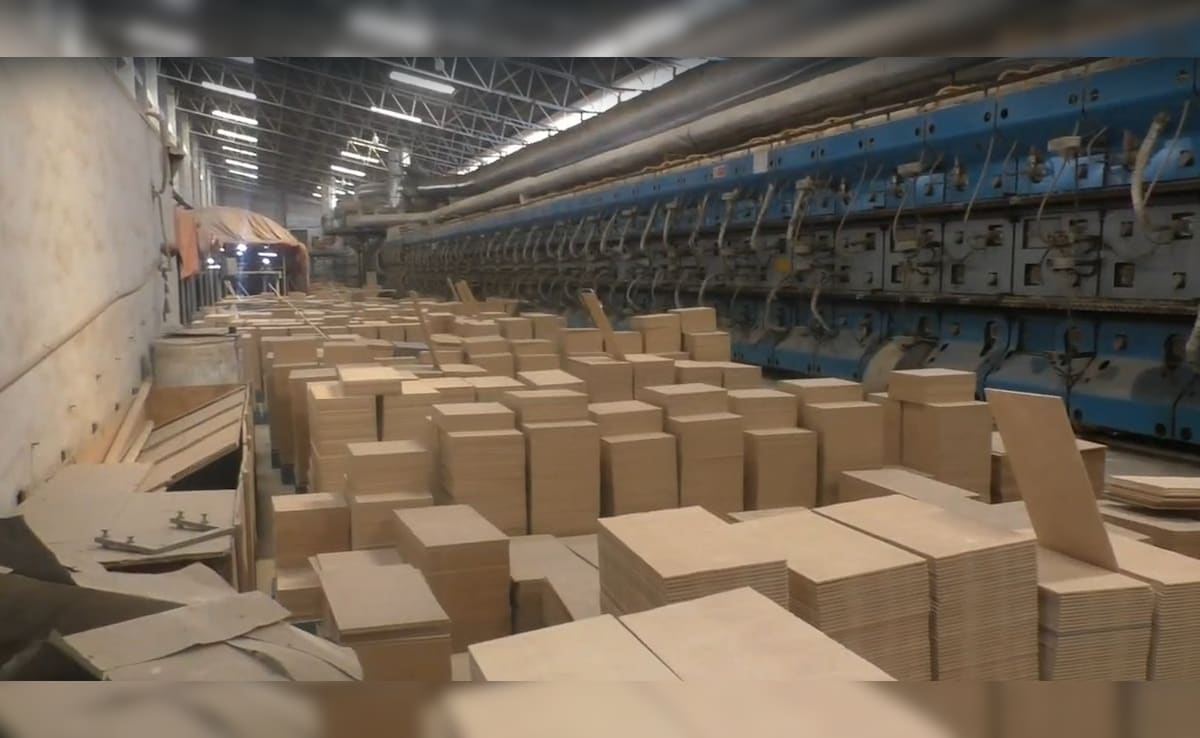
According to a statement submitted by the KIIDC before the court, 2,25,830.17 cubic metres of extracted material remained to be disposed of and had been stacked at the site. The KIIDC told the court that it had no objection to transporting materials already desilted for which royalty had been paid, though the contract period had expired.
The court directed the authorities to first measure the materials lying on the premises and issue transit passes accordingly to ensure that no excess materials were removed.

The KIIDC had entrusted the desilting work to a private firm in 2022 for removing 11.33 lakh cubic metres of sediment, with a contract period of one year.
Collusion allegations
According to Mr. Kumar, the contract was subsequently extended thrice, with the final extension expiring in May 2026, “allowing the firm to desilt quantities several times higher than the permissible limit of 11.33 lakh cubic metres and transport materials, including sand.” He alleged that KIIDC officials had colluded with the contractor to facilitate the court order.
“Despite the contract rate of ₹56 per cubic metre being considerably lower than that of desilting contracts for other dams, geological royalty was also waived in the case of Chulliyar, raising questions about the nexus between the contractor and KIIDC officials. No satellite survey or report was prepared either before awarding the contract or during its extension. The contractor also levelled earthen embankments in the dam, causing environmental damage and biodiversity loss. Now, following the court order, excavation and transportation of silt and sand using JCBs and other machinery continue unabated,” Mr. Kumar alleged.
He said the organisation would soon file a public interest litigation (PIL) on the issue.
KIIDC chief executive officer’s response
When contacted, KIIDC chief executive officer M. Sivadasan told The Hindu that the corporation was bound to comply with the court order.
“We had stopped issuing passes following local issues. However, as the contractor had already made the payment as per the agreement for transporting the dredged sediments stacked on the dam premises, the firm moved the High Court, which passed an order in its favour,” he said.
Published – August 12, 2026 11:43 am IST