




Sleep, especially of good quality, is essential to maintain a healthy brain and body. However, millions worldwide suffer from sleep disorders that can impair concentration, memory, and mood and increase health risks, including of diabetes, cardiovascular diseases, cancer, and neurological issues.
Sleep disorders stem from medical conditions, mental health issues, genetic predispositions, and lifestyle and environmental factors. Often, they create a vicious cycle, worsening the very condition that triggered them—thus calling for effective intervention.
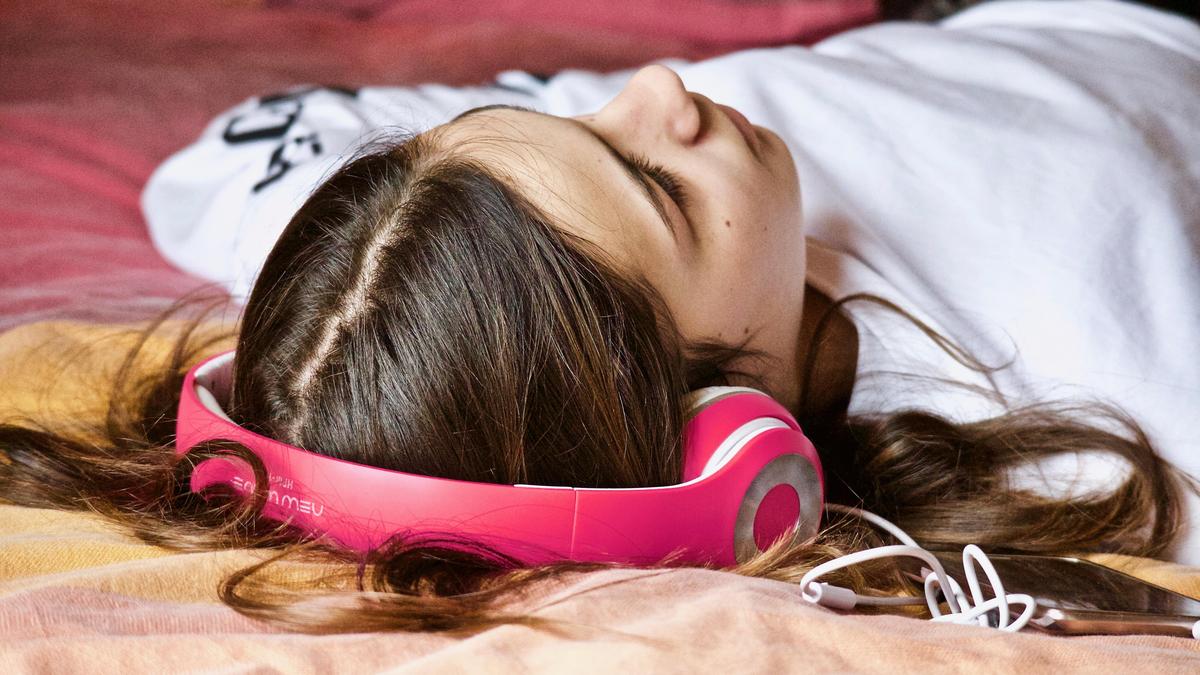
To treat sleep disorders such as insomnia, clinicians use pharmaceutical sleep aids and cognitive behavioural therapy (CBT). Of late, music therapy (MT) has garnered interest among clinicians as a sleep aid, particularly because it is free of side effects.
What is music therapy?
“Music therapy is being explored as a complementary intervention for sleep issues among patients in contemporary clinical and therapeutic settings in India,” says Baishali Mukherjee, educator, researcher, and practitioner of music therapy. “The medical team makes the referral to integrate MT with the ongoing standard care treatment. The process is conducted by a clinically-trained professional music therapist and can also be associated closely with cognitive behavioural therapy (CBT) components like relaxation training and sleep hygiene.”
The recommended music varies across genres and forms (instrumental or vocal, lyric-based or non-lyrical) depending on age, musical preference, the cultural background of patients, and severity of the condition, explains Dr. Mukherjee. “While starting with the client’s preferred music is a common practice, the client is then guided deeper into the process through implementation of music-therapeutic techniques to promote relaxation and support sleep.”

Music and the brain
Typically, music can be a potent stimulator, or a sedative that aids sleep. By engaging with different regions of the brain and unlocking neurological and physiological changes, musical genres can determine whether a body becomes energetic or restful.
Joanne Loewy, director of the Louis Armstrong Center for Music and Medicine in New York, explains music’s role in sleep induction in a 2020 article published in the Nature and Science of Sleep. She notes that music with strong beats and rhythms stimulates wakefulness and attention, while slow, repetitive rhythms activate the brain’s sleep response, evoking feelings of safety and predictability.
Research using subjective and objective measures has shown that slow, predictable melodies reduce stress and anxiety responses, thereby enhancing relaxation. The potential mechanism driving music’s effect is a calm sympathetic nervous system (which otherwise fuels the stress response), reducing levels of the stress hormone cortisol. Additionally, via the autonomic nervous system (which regulates involuntary body functions), music exerts physiologic effects on heart rate, breathing rate, and blood pressure.
Further, hormonal changes, including increased release of oxytocin, can have relaxing effects, regulate mood, and decrease negative thoughts. The relaxing and distracting power of soothing music is what improves sleep.
What’s more, music—a multisensory stimulus—affects more than just neuromodulators (e.g., dopamine and serotonin) and hormones; it can also modulate the gut microbiome.

The gut-sleep link
What is the connection between the gut microbiome and sleep?
Expanding microbiome research suggests that the gut microbiome influences sleep quality by continuously communicating with the brain, via the brain-gut axis. Bacterial species— identified as beneficial—residing in the gut, produce molecules with direct or indirect sleep promoting effects.
Microbial metabolites (unique molecules produced by the gut microbiota) directly interact with the vagus nerve (the longest nerve connecting the brain and the gut), impacting sleep-related regions of the brain. Indirectly, gut microbiota and their metabolites tune the immune responses that regulate sleep. These metabolites also circulate in the system, regulating genes involved in circadian rhythms and sleep patterns.
Since communication between the gut and brain is bidirectional, problems in either organ (gut microbial imbalance, stress, or psychiatric conditions) can negatively affect sleep quality. A 2025 comprehensive review in Brain Medicine led by Lin Lu of Peking University Sixth Hospital in China, revealed evidence of an altered gut microbiome in individuals with sleep disorders.
An imbalance in, or loss of beneficial gut microbial species—dysbiosis—results in reduced sleep-regulating metabolites, leading to poor sleep quality, including fragmented sleep and decreased deep and REM sleep. Poor sleep, in turn, exacerbates dysbiosis, creating a harmful loop with adverse health implications, the review found.

Emerging research
Over the past few years, there has been a surge in research investigating the effects of music on the gut microbiota. Although much of this research is currently limited to animal models, there is evidence of music’s possible impact on the gut microbiome.
Researchers from China and Switzerland confirmed the influence of classical music on gut microbiota. In this and other studies, mice receiving musical intervention were more active, less anxious, and heavier, with increased richness of Firmicutes (beneficial bacteria), indicating better gut health. Furthermore, the abundance of beneficial bacteria restricted the growth of pathogens in the gut.
Conversely, mice exposed to 75–85 dB white noise with irregular rhythm for three hours per day had a lower proportion of beneficial gut bacteria. The loss of bacterial abundance in the possibly stressed mice reduced immune-related gene expression and this suppression of the immune system rendered the mice susceptible to infections, further reducing their beneficial gut bacteria.

The current scenario
At present, there is a dearth of studies and clinical trials investigating music as a microbiota-targeted intervention for improving sleep. However, investigations have documented that music stimulation can improve the gut’s abundance of Lactobacillus, a firmicute bacterium. Separately, emerging clinical evidence suggests that Lactobacillus species can improve sleep across diverse populations as a probiotic strategy by synthesizing sleep-regulating neurohormones like gamma-aminobutyric acid (GABA).
Therefore, listening to the ‘right’ music may do more than alter mood and enhance relaxation. It may shape a dynamic interplay between the brain, gut, and sleep; by reducing stress, it can influence the gut microbiota, thereby helping regulate sleep through the brain-gut-microbiota axis.
Listening to music is a strategy already used by many to help with sleeplessness – understanding the science behind it may help with better selection. While persistent sleep difficulties should be discussed with a healthcare professional, for those who have not experimented with it so far, music may be worth exploring as an approach to improve sleep.
(Smruthi Prabhu is an independent science writer from Mangalore. smruthigp@gmail.com)