Skip to content
  • Facebook
  • X
  • Linkedin
  • WhatsApp
  • YouTube
  • Associate Journalism
  • About Us
  • Privacy Policy
  • 033-46046046
  • editor@artifex.news
Artifex.News

Artifex.News

Stay Connected. Stay Informed.

  • Breaking News
  • World
  • Nation
  • Sports
  • Business
  • Science
  • Entertainment
  • Lifestyle
  • Toggle search form
  • Maldivies President Mohamed Muizzu To Visit India Soon, 2 Ministers Resign Amid Strained Ties
    Maldivies President Mohamed Muizzu To Visit India Soon, 2 Ministers Resign Amid Strained Ties Nation
  • Ravindra Jadeja’s Wife Rivaba Shares Fiery Post As India ‘Settle Score’ With Australia
    Ravindra Jadeja’s Wife Rivaba Shares Fiery Post As India ‘Settle Score’ With Australia Sports
  • Access Denied Sports
  • Access Denied Sports
  • Power cuts, public fury: Bangladesh’s energy crisis tests the new BNP government
    Power cuts, public fury: Bangladesh’s energy crisis tests the new BNP government World
  • Access Denied Sports
  • Access Denied Sports
  • Access Denied Sports
Failure of atomic clock cripples ISRO’s NavIC system

Failure of atomic clock cripples ISRO’s NavIC system

Posted on March 15, 2026 By admin


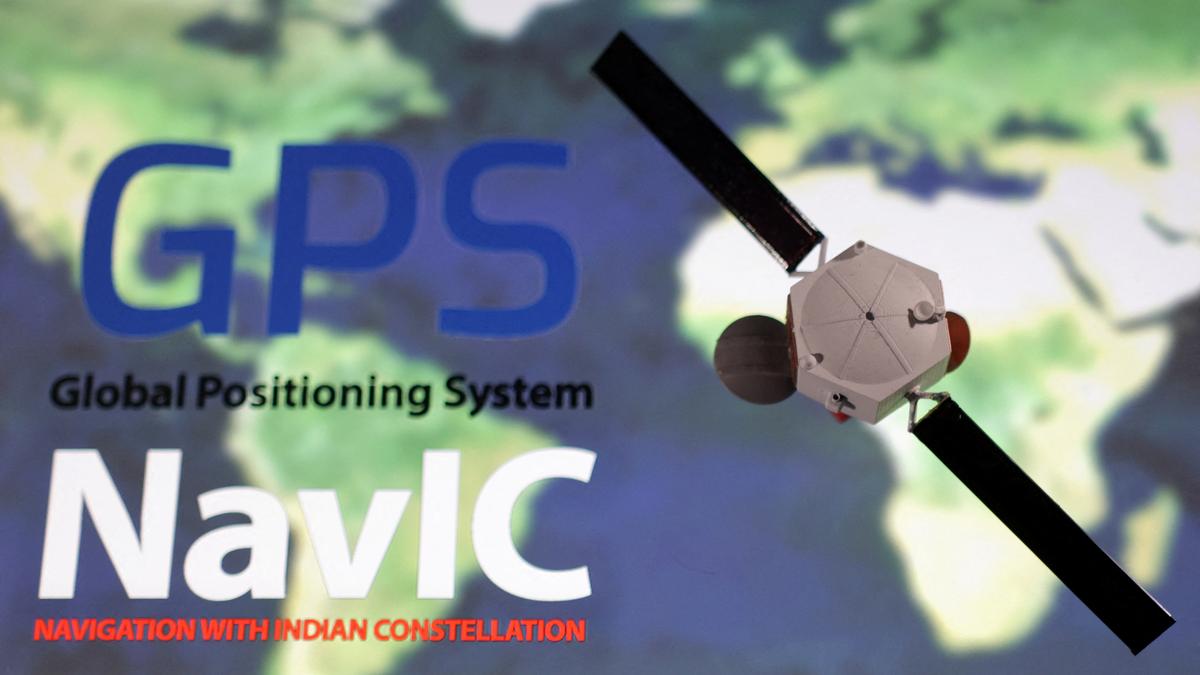
The NavIC (Navigation with Indian Constellation) and GPS (Global Positioning System) logos, along with a satellite model, are shown on the map in this illustration. File
| Photo Credit: Reuters

The last atomic clock aboard the Indian Space Research Organisation’s (ISRO) Indian Regional Navigation Satellite System (IRNSS)-1F satellite has failed, ISRO has said in a statement. This further weakens the country’s indigenous ‘GPS’ system, informally called NavIC.

Atomic clocks are critical to satellites being able to offer positional, navigational, and timing services. Since the first of the eight satellites in the IRNSS system were launched between 2013-2018, the government has encouraged Indian enterprises, including computer manufacturers and electronic goods having timing services, to rely on NavIC for determining the Indian Standard Time. 

Currently, the U.S.’s Global Positioning System (GPS), with its 30 satellite systems, is the reference standard for such purposes.

“On 13th March 2026, the procured on-board atomic clock stopped functioning. However, the satellite will continue to function in-orbit for various societal applications to provide one way broadcast messaging services. IRNSS-1F satellite launched in March 2016 has completed its design mission life of 10 years on 10th March 2026,” ISRO said in a statement on its website late on Friday (March 13, 2026).

Nine IRNSS satellites have been launched since 2013. Eight of them reached their intended orbit. The last of this constellation of satellites (IRNSS-1I) was launched in 2018. While equivalent American, Chinese and European systems provide global positioning services, NavIC is expected to do so only within India and within a radius of 1,500 km. This is, however, viewed more as a fall back system in case of future global conflicts in which India is denied access to these foreign constellations.

In July 2025, ISRO revealed via a Right to Information request that five of the NavIC satellites were completely defunct, with all three of clocks in each satellite not working. In one of the three satellites with functioning atomic clocks, two of the three clocks had failed.

The atomic clocks in this constellation of satellites were imported by ISRO from SpectraTime, a Switzerland-based maker of high precision atomic clocks. Four working satellites could be relied upon for providing positional and navigation services, the Union Minister for Space Jitendra Singh has said in Parliament. With the failure of the IRNSS-1F’s clock, their number is down to three.

For the next series of satellites that will replace the impaired and ageing fleet of IRNSS satellites — two of the three being used have passed their rated shelf life of 10 years though it’s possible for these systems to function beyond — ISRO has decided to install indigenously developed rubidium clocks.

One replacement satellite, the NVS-01 launched in May 2023, hosts an indigenously developed rubidium (atomic) clock. The second, the NVS-02 satellite, launched in January 2025, failed to reach its intended orbit.

ISRO had earlier said that it would be launching at least three satellites by the end of 2026 to replace defunct and ageing satellites.

Published – March 14, 2026 07:38 pm IST


Source link

Science Tags:(IRNSS)-1F atomic clock, Indian Regional Navigation Satellite System failure, ISRO NavIC system atomic clock failure, ISRO NavIC system failure

Post navigation

Previous Post: Bus carrying Indian pilgrims in Nepal plunges down slope killing seven
Next Post: Access Denied

Related Posts

  • The latest on comet 3I/ATLAS
    The latest on comet 3I/ATLAS Science
  • Scotland: zero cervical cancer cases among women vaccinated early
    Scotland: zero cervical cancer cases among women vaccinated early Science
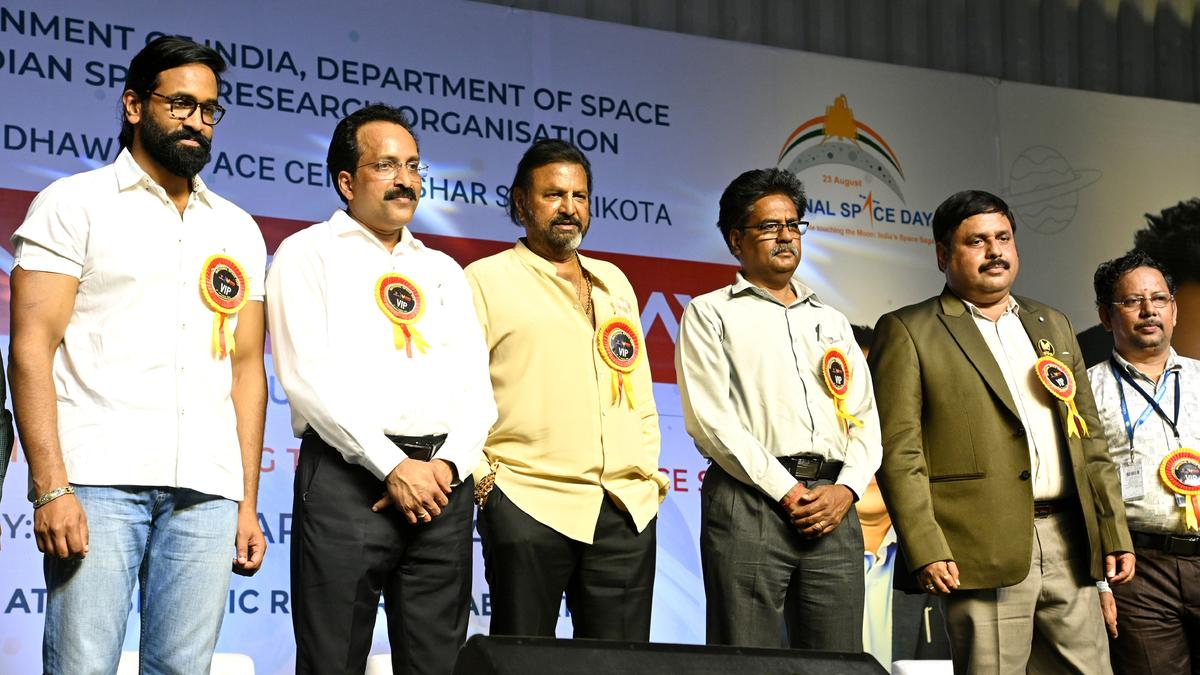
  • ISRO celebrates National Space Day at MBU campus
    ISRO celebrates National Space Day at MBU campus Science
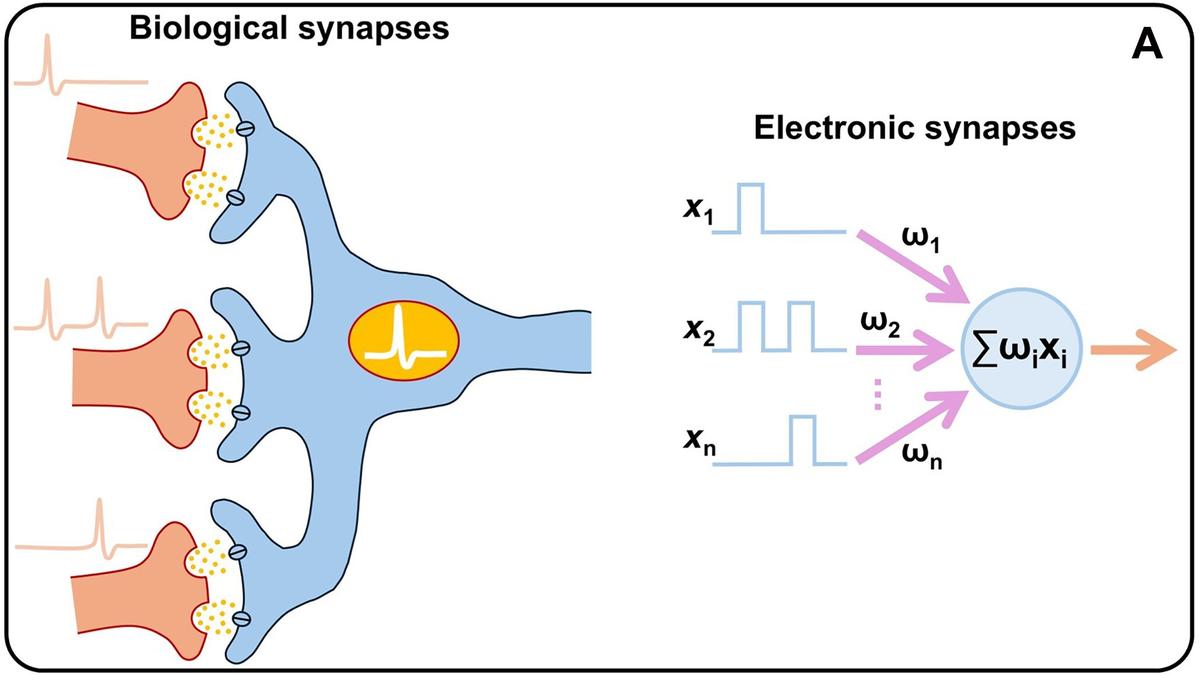
  • New brain-inspired ‘memristors’ promise to cut AI energy use
    New brain-inspired ‘memristors’ promise to cut AI energy use Science
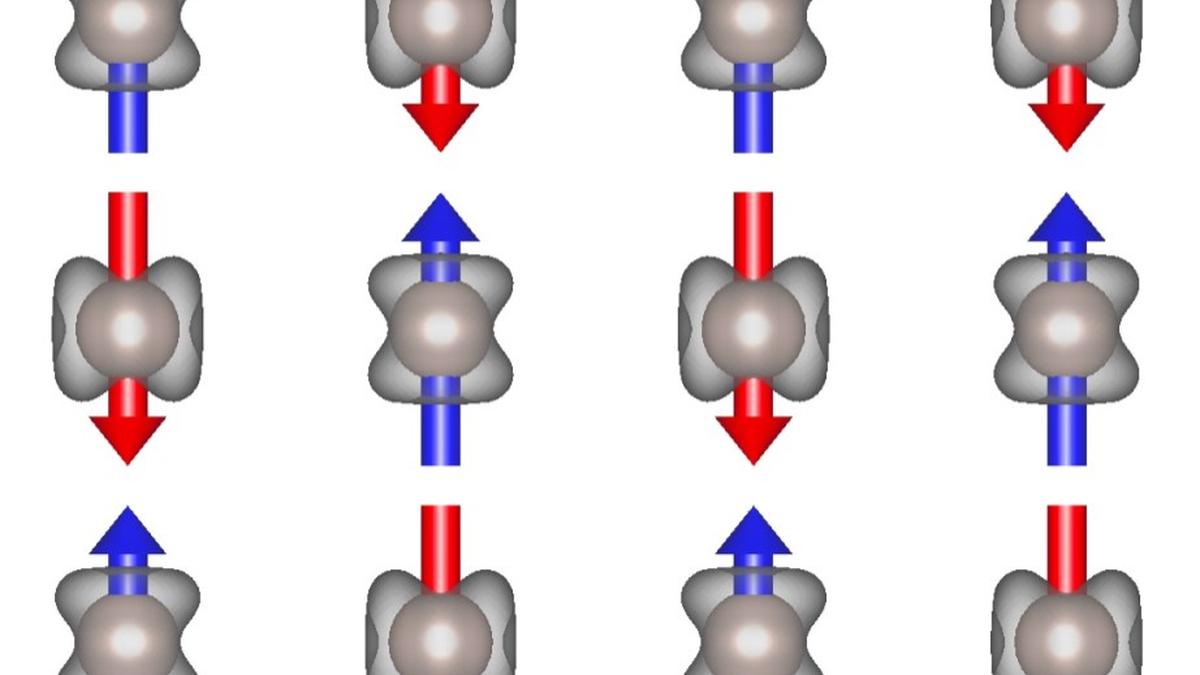
  • Altermagnet conducts with different charge carriers in different directions
    Altermagnet conducts with different charge carriers in different directions Science
  • Deepening India’s steps as a key space-faring nation
    Deepening India’s steps as a key space-faring nation Science

More Related Articles

Forest loss from SE Asia rubber is up to 3 times more than thought: study Forest loss from SE Asia rubber is up to 3 times more than thought: study Science
Meet the woman who’s on a climate mission to the North Pole Meet the woman who’s on a climate mission to the North Pole Science
Small animals acquire genes from bacteria that can produce antibiotics Small animals acquire genes from bacteria that can produce antibiotics Science
Earth-wide telescope confirms black hole shadow is ‘real’ Earth-wide telescope confirms black hole shadow is ‘real’ Science
We’ve seen matter become light. What about the other way? We’ve seen matter become light. What about the other way? Science
What is the latest science telling us about climate change? What is the latest science telling us about climate change? Science
SiteLock

Archives

  • September 2026
  • August 2026
  • July 2026
  • June 2026
  • May 2026
  • April 2026
  • March 2026
  • February 2026
  • January 2026
  • December 2025
  • November 2025
  • October 2025
  • September 2025
  • August 2025
  • July 2025
  • June 2025
  • May 2025
  • April 2025
  • March 2025
  • February 2025
  • January 2025
  • December 2024
  • November 2024
  • October 2024
  • September 2024
  • August 2024
  • July 2024
  • June 2024
  • May 2024
  • April 2024
  • March 2024
  • February 2024
  • January 2024
  • December 2023
  • November 2023
  • October 2023
  • September 2023
  • August 2023
  • July 2023
  • June 2023
  • May 2023
  • April 2023
  • March 2023
  • February 2023
  • January 2023
  • December 2022
  • November 2022
  • October 2022
  • September 2022
  • August 2022
  • July 2022
  • June 2022
  • May 2022

Categories

  • Business
  • Nation
  • Science
  • Sports
  • World

Recent Posts

  • Odisha government plans 870-Acre Silicon Valley hub in Cuttack’s Naraj for semiconductor, IT projects
  • Bihar announces OTS scheme for brick kilns, waives ₹90 crore interest on outstanding dues
  • North Korea says nuclear status ‘irreversible’ after UN atomic agency rebuke
  • Bombay High Court permits BMC to cut over 1,200 mangroves for Versova-Madh Island bridge
  • U.S. appeals court rejects Trump policy allowing swift deportations to third countries

Recent Comments

  1. AlvinNet on UP Teacher Who Asked Students To Slap Muslim Classmate
  2. Jamesslits on UP Teacher Who Asked Students To Slap Muslim Classmate
  3. MichaelClear on UP Teacher Who Asked Students To Slap Muslim Classmate
  4. Jamesslits on UP Teacher Who Asked Students To Slap Muslim Classmate
  5. Jamesslits on UP Teacher Who Asked Students To Slap Muslim Classmate
  • Interview | I should make a path on which people can walk and believe: Gurindervir
    Interview | I should make a path on which people can walk and believe: Gurindervir Sports
  • Access Denied World
  • Access Denied
    Access Denied Nation
  • Access Denied Sports
  • Access Denied
    Access Denied Nation
  • New Zealand detects H5 bird flu
    New Zealand detects H5 bird flu World
  • With Olaf Scholz’s Delhi Visit, Germany To Bet On India As Ties With China Sour
    With Olaf Scholz’s Delhi Visit, Germany To Bet On India As Ties With China Sour Nation
  • Access Denied World

Editor-in-Chief:
Mohammad Ariff,
MSW, MAJMC, BSW, DTL, CTS, CNM, CCR, CAL, RSL, ASOC.
editor@artifex.news

Associate Editors:
1. Zenellis R. Tuba,
zenelis@artifex.news
2. Haris Daniyel
daniyel@artifex.news

Photograher:
Rohan Das
rohan@artifex.news

Artifex.News offers Online Paid Internships to college students from India and Abroad. Interns will get a PRESS CARD and other online offers.
Send your CV (Subjectline: Paid Internship) to internship@artifex.news

Links:
Associate Journalism
About Us
Privacy Policy

News Links:
Breaking News
World
Nation
Sports
Business
Entertainment
Lifestyle

Registered Office:
72/A, Elliot Road, Kolkata - 700016
Tel: 033-22277777, 033-22172217
Email: office@artifex.news

Editorial Office / News Desk:
No. 13, Mezzanine Floor, Esplanade Metro Rail Station,
12 J. L. Nehru Road, Kolkata - 700069.
(Entry from Gate No. 5)
Tel: 033-46011099, 033-46046046
Email: editor@artifex.news

Copyright © 2023 Artifex.News Newsportal designed by Artifex Infotech.