
Skip to content
  • Facebook
  • X
  • Linkedin
  • WhatsApp
  • Associate Journalism
  • About Us
  • Privacy Policy
  • 033-46046046
  • editor@artifex.news
Artifex.News

Artifex.News

Stay Connected. Stay Informed.

  • Breaking News
  • World
  • Nation
  • Sports
  • Business
  • Science
  • Entertainment
  • Lifestyle
  • Toggle search form
  • Access Denied Business
  • US President Joe Biden Says “Very Dangerous” If No Gaza Ceasefire By Ramadan
    US President Joe Biden Says “Very Dangerous” If No Gaza Ceasefire By Ramadan World
  • Rahul Gandhi Visits Golden Temple, Washes Dishes For ‘Sewa’
    Rahul Gandhi Visits Golden Temple, Washes Dishes For ‘Sewa’ Nation
  • Mohammed Shami “Obviously Not 100 Per Cent Fit…”: On Pacer’s Surprising Omission, Ex-India Star’s Blunt Take
    Mohammed Shami “Obviously Not 100 Per Cent Fit…”: On Pacer’s Surprising Omission, Ex-India Star’s Blunt Take Sports
  • Lok Sabha Election 2024 Phase 7: Punjab’s 13 Seats, 44 Others Go To Polls In Last Phase Today: 10 Points
    Lok Sabha Election 2024 Phase 7: Punjab’s 13 Seats, 44 Others Go To Polls In Last Phase Today: 10 Points Nation
  • Los Angeles Wildfires Declared Fully Contained By Firefighters
    Los Angeles Wildfires Declared Fully Contained By Firefighters World
  • North Korea Says “Will Build Overwhelming Military Power”
    North Korea Says “Will Build Overwhelming Military Power” World
  • Sensex, Nifty scale fresh peaks as inflation cools off
    Sensex, Nifty scale fresh peaks as inflation cools off Business
Why does India need bioremediation? | Explained

Why does India need bioremediation? | Explained

Posted on December 2, 2025 By admin


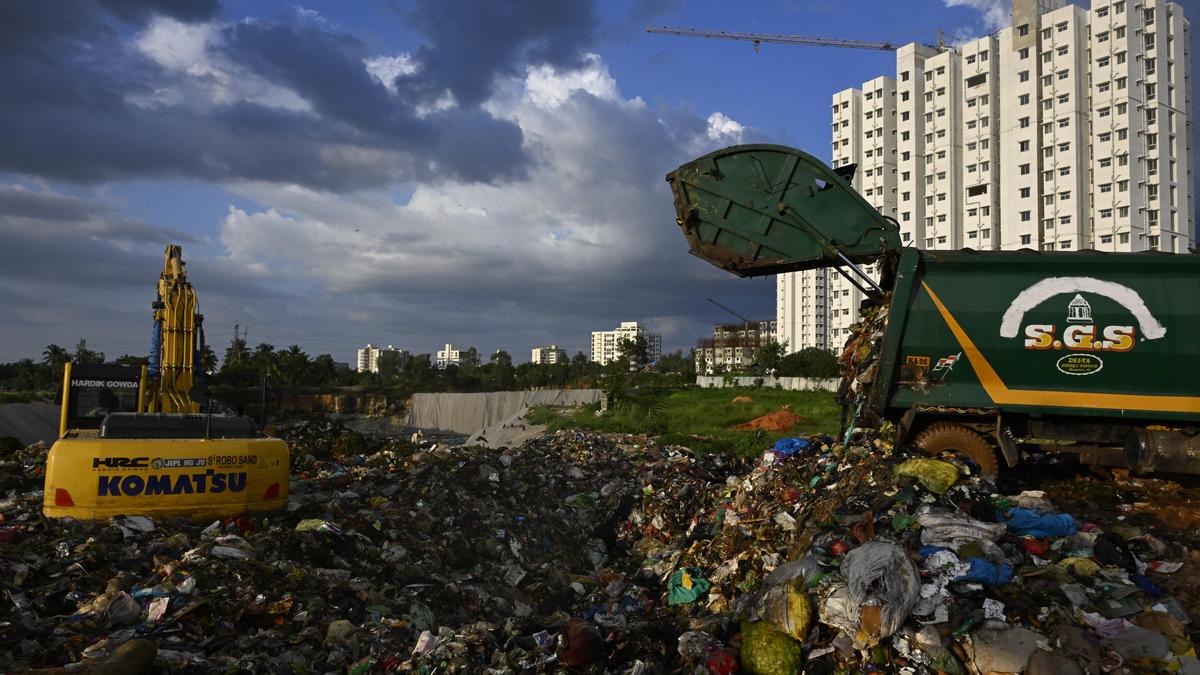
Human waste is leading to a decaying world where access to clean air, water or soil is becoming increasingly difficult. The solution is two-pronged – stop making more waste and clean up the waste already made.

What is bioremediation?

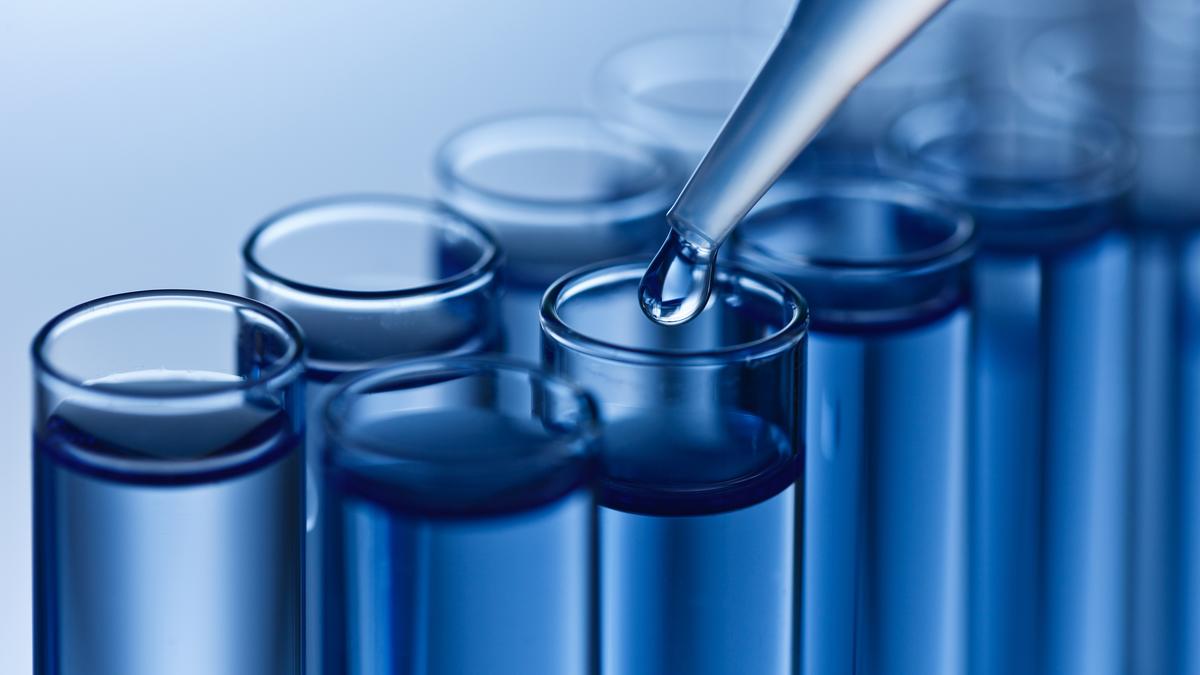
Bioremediation literally means “restoring life through biology.” It harnesses microorganisms such as bacteria, fungi, algae and plants to sequester or transform toxic substances such as oil, pesticides, plastics, or heavy metals.

These organisms metabolise these pollutants as food, breaking them down into harmless by-products such as water, carbon dioxide, or organic acids. In some cases, they can convert toxic metals into less dangerous forms that no longer leach into the soil or groundwater.

There are two broad types:

In situ bioremediation, where treatment happens directly at the contaminated site — think oil-eating bacteria sprayed on an ocean spill.

Ex situ bioremediation, where contaminated soil or water is removed, treated in a controlled facility, and returned once cleaned.

Modern bioremediation combines traditional microbiology with cutting-edge biotechnology. First, new biotechnologies are enabling humans to gain unprecedented insight into biology, allowing them to identify biomolecules with useful characteristics. Second, these technologies allow humans to replicate these biomolecules under desired conditions of use, such as sewage plants or agricultural lands.

For example, genetically modified (GM) microbes are designed to degrade tough chemicals like plastics or oil residues that natural species struggle with. Synthetic biology also allows for “biosensing”, organisms that change colour or fluorescence when they detect toxins, providing early warnings of contamination.

Why does India need bioremediation?

India’s rapid industrialisation has come at a heavy environmental cost. Although pollution has been reducing, rivers such as the Ganga and Yamuna receive untreated sewage and industrial effluents daily. Oil leaks, pesticide residues, and heavy-metal contamination threaten both ecosystems and public health.

Traditional clean-up technologies are expensive, energy-intensive, and often create secondary pollution. Bioremediation offers a cheaper, scalable, and sustainable alternative, especially in a country where vast stretches of land and water are affected but resources for remediation are limited.

Moreover, India’s diverse biodiversity is a huge advantage. Indigenous microbes adapted to local conditions, such as high temperatures, salinity, or acidity, can outperform imported strains in environmental recovery.

Where does India stand today?

Bioremediation is gaining traction in India, though still largely in pilot phases. The Department of Biotechnology (DBT) has supported several projects through its Clean Technology Programme, encouraging partnerships between universities, public research institutions, and industries.

CSIR-National Environmental Engineering Research Institute has a mandate to propose and implement programmes related to bioremediation. Researchers at the Indian Institute of Technology have experimented with a nanocomposite material synthesised from cotton that can be used to mop up oil spills and others have identified bacteria that can consume toxic pollutants in soils.

Startups are entering the space too. Firms like Biotech Consortium India Limited (BCIL) and Econirmal Biotech offer microbial formulations for soil and wastewater treatment.

However, widespread adoption faces challenges – technical ones such as a lack of site-specific knowledge and the complex nature of pollutants, and regulatory ones such as a lack of unified bioremediation standards.

What are other countries doing?

In many advanced economies, bioremediation is a part of mainstream environmental management. For example, Japan integrates microbial and plant-based cleanup systems into its urban waste strategy. The European Union funds cross-country projects that use microbes to tackle oil spills and restore mining sites. China has made bioremediation a priority under its soil pollution control framework, using genetically improved bacteria to restore industrial wastelands.

Opportunities and risks

The opportunities for India are immense. Bioremediation can help restore rivers, reclaim land, and clean industrial sites, while creating jobs in biotechnology, environmental consulting, and waste management. It can also integrate with the government’s Swachh Bharat Mission, Namami Gange, and other green technology initiatives.

But risks remain. The introduction of genetically modified organisms into open environments need to be strictly monitored to prevent unintended ecological effects. Inadequate testing or poor containment or monitoring can create fresh problems while solving old ones. Public engagement will be necessary to allow the smooth adoption of new technologies, and their further monitoring.

India will need new biosafety guidelines, certification systems, and trained personnel to scale this technology responsibly.

The way forward

To realise the full potential of bioremediation, India needs to strengthen a few area. First, there is a need to develop national standards for bioremediation protocols and microbial applications. Second, building regional bioremediation hubs linking universities, industries, and local governments would enable better understanding of local issues and identifying appropriate technologies for their resolution. This can be implemented through support for local startups and community projects through the DBT–BIRAC ecosystem. Finally, public engagement would raise awareness that microbes can be allies, not threats, in environmental restoration.

Shambhavi Naik is chairperson, Takshashila Institution’s Health & Life Sciences Policy, and CEO at CloudKrate.

Published – December 02, 2025 08:30 am IST


Source link

Science

Post navigation

Previous Post: Access Denied

Related Posts

  • A beginner’s guide to quantum computing | Explained
    A beginner’s guide to quantum computing | Explained Science
  • The pitfalls of climate alarmism
    The pitfalls of climate alarmism Science
  • Cold War nuke tests light up problem with present-day climate models
    Cold War nuke tests light up problem with present-day climate models Science
  • Study says microbes, not fossil fuels, produced most new methane
    Study says microbes, not fossil fuels, produced most new methane Science
  • The cosmological constant problem is one of the biggest crises in physics
    The cosmological constant problem is one of the biggest crises in physics Science
  • CDSCO issues caution against manufacture and sale of unapproved drugs
    CDSCO issues caution against manufacture and sale of unapproved drugs Science

More Related Articles

The brightest object in the universe is a black hole that eats a star a day The brightest object in the universe is a black hole that eats a star a day Science
The problem with the physics question in the NEET-UG paper The problem with the physics question in the NEET-UG paper Science
India’s invasive aliens problem complicates wait to understand scope India’s invasive aliens problem complicates wait to understand scope Science
Ritual to Reality: Unmasking the evolution of hand hygiene post-covid-19 Ritual to Reality: Unmasking the evolution of hand hygiene post-covid-19 Science
Lab-grown human ‘embryo’ created without eggs or sperm Lab-grown human ‘embryo’ created without eggs or sperm Science
Surviving in India’s salt desert Surviving in India’s salt desert Science
SiteLock

Archives

  • December 2025
  • November 2025
  • October 2025
  • September 2025
  • August 2025
  • July 2025
  • June 2025
  • May 2025
  • April 2025
  • March 2025
  • February 2025
  • January 2025
  • December 2024
  • November 2024
  • October 2024
  • September 2024
  • August 2024
  • July 2024
  • June 2024
  • May 2024
  • April 2024
  • March 2024
  • February 2024
  • January 2024
  • December 2023
  • November 2023
  • October 2023
  • September 2023
  • August 2023
  • July 2023
  • June 2023
  • May 2023
  • April 2023
  • March 2023
  • February 2023
  • January 2023
  • December 2022
  • November 2022
  • October 2022
  • September 2022
  • August 2022
  • July 2022
  • June 2022
  • May 2022

Categories

  • Business
  • Nation
  • Science
  • Sports
  • World

Recent Posts

  • Why does India need bioremediation? | Explained
  • Access Denied
  • Access Denied
  • Son of ‘El Chapo’ pleads guilty in U.S. drug prosecution
  • Access Denied

Recent Comments

  1. dfb{{98991*97996}}xca on UP Teacher Who Asked Students To Slap Muslim Classmate
  2. "dfbzzzzzzzzbbbccccdddeeexca".replace("z","o") on UP Teacher Who Asked Students To Slap Muslim Classmate
  3. 1}}"}}'}}1%>"%>'%> on UP Teacher Who Asked Students To Slap Muslim Classmate
  4. bfg6520<s1﹥s2ʺs3ʹhjl6520 on UP Teacher Who Asked Students To Slap Muslim Classmate
  5. pHqghUme9356321 on UP Teacher Who Asked Students To Slap Muslim Classmate
  • King Charles Increases Charity Patronages To Mark Coronation Anniversary
    King Charles Increases Charity Patronages To Mark Coronation Anniversary World
  • A Special Guest At Trump Rally In Pennsylvania, Where He Was Shot
    A Special Guest At Trump Rally In Pennsylvania, Where He Was Shot World
  • Babar Azam Makes Awkward Gesture While Taking Photo, Fans Jump To Criticise. Watch
    Babar Azam Makes Awkward Gesture While Taking Photo, Fans Jump To Criticise. Watch Sports
  • Deve Gowda Grandson Prajwal Revanna On Morphed Sex Videos
    Deve Gowda Grandson Prajwal Revanna On Morphed Sex Videos Nation
  • Access Denied Sports
  • Virat Kohli’s “Strike-Rate Could…”: Virender Sehwag’s Straight Talk, Questions ‘Costly’ RCB Stars
    Virat Kohli’s “Strike-Rate Could…”: Virender Sehwag’s Straight Talk, Questions ‘Costly’ RCB Stars Sports
  • India Wins Silver And Bronze On Day 3 Of World Para Athletics Championships
    India Wins Silver And Bronze On Day 3 Of World Para Athletics Championships Sports
  • Rupee edges up 1 paisa to 83.02 against U.S. dollar in early trade
    Rupee edges up 1 paisa to 83.02 against U.S. dollar in early trade Business

Editor-in-Chief:
Mohammad Ariff,
MSW, MAJMC, BSW, DTL, CTS, CNM, CCR, CAL, RSL, ASOC.
editor@artifex.news

Associate Editors:
1. Zenellis R. Tuba,
zenelis@artifex.news
2. Haris Daniyel
daniyel@artifex.news

Photograher:
Rohan Das
rohan@artifex.news

Artifex.News offers Online Paid Internships to college students from India and Abroad. Interns will get a PRESS CARD and other online offers.
Send your CV (Subjectline: Paid Internship) to internship@artifex.news

Links:
Associate Journalism
About Us
Privacy Policy

News Links:
Breaking News
World
Nation
Sports
Business
Entertainment
Lifestyle

Registered Office:
72/A, Elliot Road, Kolkata - 700016
Tel: 033-22277777, 033-22172217
Email: office@artifex.news

Editorial Office / News Desk:
No. 13, Mezzanine Floor, Esplanade Metro Rail Station,
12 J. L. Nehru Road, Kolkata - 700069.
(Entry from Gate No. 5)
Tel: 033-46011099, 033-46046046
Email: editor@artifex.news

Copyright © 2023 Artifex.News Newsportal designed by Artifex Infotech.