




Almost everyone in India is now vulnerable to the impacts of climate change, former chief scientist of the World Health Organisation Dr Soumya Swaminathan has said, underscoring the urgent need for cross-ministerial and international collaboration to address its effects on health, gender and economic stability in the country.
Swaminathan pointed to women and children as especially vulnerable to these climate-driven health risks.
In an interview with PTI on the sidelines of global climate talks COP29 here in Azerbaijan’s capital, Swaminathan called for a concerted approach, saying, “practically everyone in India is now vulnerable to climate change impacts, from extreme heat to vector-borne diseases. Addressing this requires close cooperation.”
“We know that climate change has disproportionate impacts on women and children,” she explained, noting how women, particularly in rural areas, face increased health risks due to continued reliance on solid fuels for cooking.
She emphasised that “access to clean energy for everyone is a priority.”
This, she argued, would not only reduce health risks associated with indoor air pollution but also lessen India’s carbon footprint, marking a crucial step toward sustainable development.
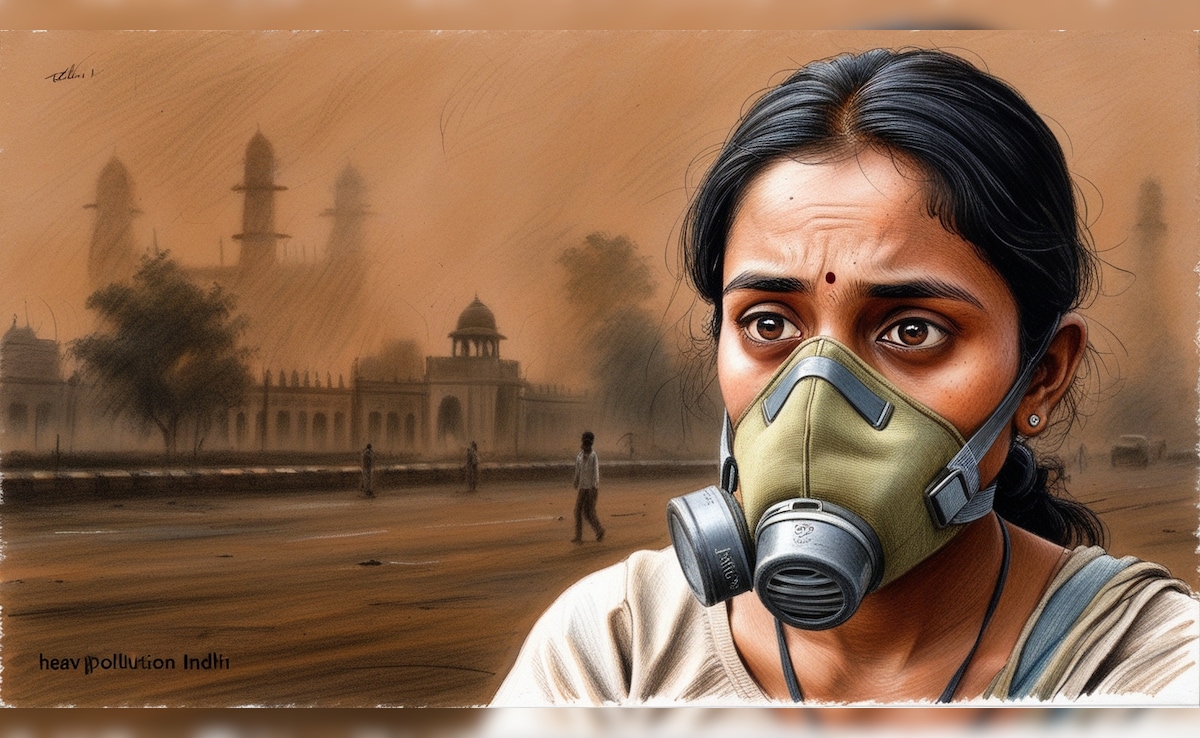
Climate-related health risks in India are varied, ranging from immediate effects such as respiratory illnesses due to air pollution, to long-term issues like malnutrition stemming from disrupted agricultural cycles.
Swaminathan noted that more than 80 per cent of India’s population is now exposed to these risks, emphasizing that “everybody is now vulnerable,” from rural farmers to urban migrants.
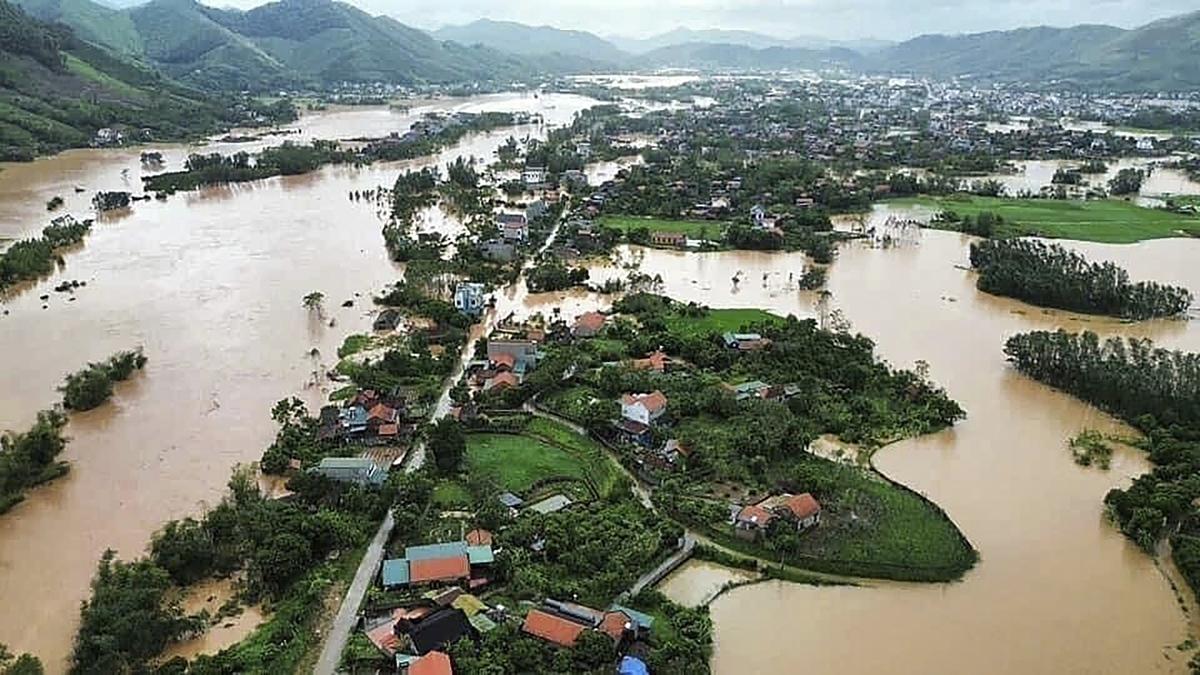
She highlighted the specific challenges faced by the urban poor, especially migrants who live in peri-urban areas with inadequate housing and sanitation, which exposes them to greater risks during floods and extreme weather events.
With health as a central theme, Swaminathan stressed the benefits of green public transportation, an initiative she described as a “win-win solution.”
“Carbon-neutral public transport will not only reduce air pollution but also promote physical activity and thereby improve health,” she said, adding that reducing pollution would positively impact public health by curbing respiratory and cardiovascular diseases.
She also highlighted that India’s urban centres are hotspots for these health issues due to dense populations and high pollution levels.
Swaminathan called for policies that integrate both health and climate objectives, stressing that this approach can drive development while building resilience against climate risks.
“If we do that kind of analysis, we can invest in actions that promote both development and reduce our carbon footprint,” she noted, advocating for policies that prioritise “development with a climate-resilient focus.”
Examples of such integrated actions include promoting clean cooking fuels, improving access to safe drinking water, and investing in infrastructure that can withstand extreme weather.
Dr Swaminathan went further to advocate for a gendered approach to climate policy, urging policymakers to “put a spotlight on women but also the poorest communities.”
She argued that gender equity and social equity are essential to effective climate policy, explaining that “by taking a gendered perspective in all policies, we can ensure more inclusive and effective climate action.”
Swaminathan called for greater research on climate impacts that are gender-specific, noting that this data would help policymakers create more targeted, meaningful interventions.
The economic costs of climate-driven health impacts are also severe.
Swaminathan pointed to recent studies indicating that climate-related air pollution alone costs the global economy trillions of dollars annually, affecting productivity, agriculture, and even tourism.
“If you look at the GDP loss and workplace productivity lost due to air pollution, it’s enormous – in the trillions,” she said. This, she argued, makes climate action not just a moral imperative but an economic necessity.
Addressing air pollution as a cross-border issue, Swaminathan noted that pollution does not recognise borders, making it crucial for India and other nations to engage in global collaborations.
“Air pollution today is the single largest risk factor to health,” she said, adding “It’s not a problem one country can solve on its own.”
She referenced the Our Common Air (OCA) Commission, a global effort she is part of, which has been working with international bodies like WHO and UNEP to promote global standards and monitoring mechanisms for air quality.
“We need a system where every country has air quality monitors and updates its data, including on super pollutants like methane and black carbon,” Swaminathan said, adding that these pollutants are highly dangerous yet often overlooked.
Swaminathan further explained the value of local data, which she argued would give a more accurate picture of pollution’s impact on different regions of India.
“Policymakers want to see data from their own regions; it makes the issue real for them and helps design local solutions,” she said.
Reflecting on the invisible nature of pollution’s health impacts, Swaminathan commented, “When the air pollution is visible, people recognize it as a problem, but often it’s invisible, and people become accustomed to it.”
She stressed that while death rates from pollution-related illnesses are often discussed, policymakers should focus on the widespread chronic illnesses caused by poor air quality.
“It’s not only about death – it’s about chronic ill health that impacts quality of life and productivity,” she said, pointing out that young children and the elderly are especially vulnerable.
For Swaminathan, tackling climate change is fundamentally linked to India’s development goals.
“For us, development is still a key priority,” she asserted. While India has made strides in increasing access to electricity and clean water, she stressed that much work remains, especially in rural areas where communities lack basic infrastructure.
Her vision for India’s climate adaptation involves not only mitigating health risks but also ensuring that development initiatives – from housing to sanitation – are climate-resilient.
Swaminathan expressed optimism about India’s potential to lead in climate adaptation through innovation, global cooperation, and commitment to sustainable development goals.
She pointed to Indian cities as potential leaders in air quality initiatives and green infrastructure, stating that “India can be a model for sustainable urbanization if we prioritize both development and environmental health.”
(This story has not been edited by NDTV staff and is auto-generated from a syndicated feed.)